
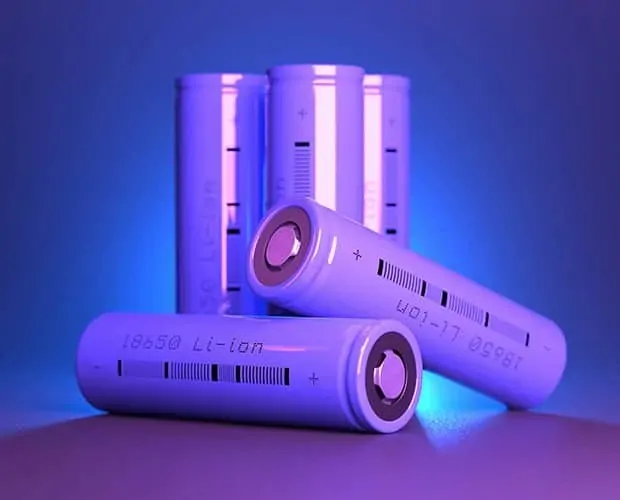
Have you ever stopped to think how many everyday devices around you quietly rely on a single rechargeable cell to keep working?
From powerful flashlights to laptops and electric tools, the familiar cylindrical lithium battery has become a silent workhorse of modern portable power.
The 18650 format, in particular, has earned a reputation for reliability, energy density, and versatility.
If you have ever wondered what makes these batteries special, how to understand their specifications, and where they are used most, this guide walks you through it in a friendly, practical way.
What exactly is an 18650 lithium battery?
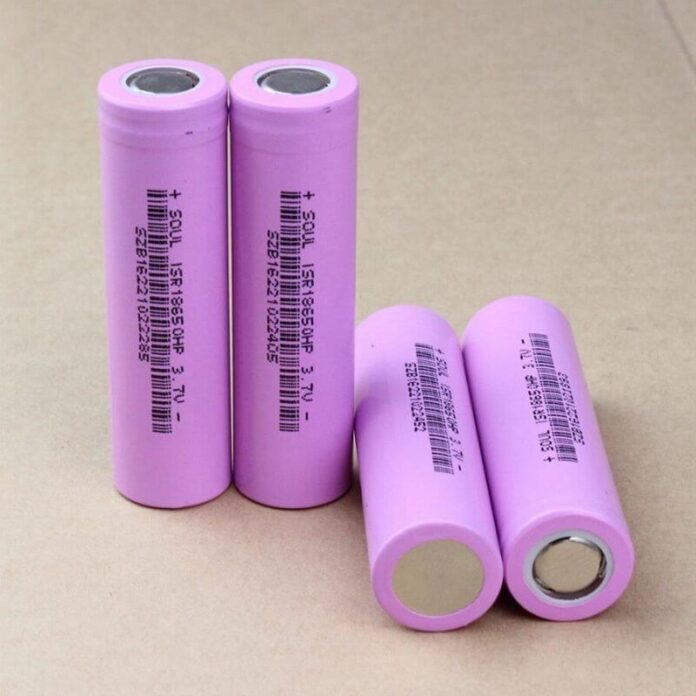
Before digging into performance and technical details, it helps to understand what the name means and why this battery format exists at all. The term 18650 is not random.
It describes the physical dimensions: roughly 18 mm in diameter and 65 mm in length.
This standardized size helped manufacturers develop compatible chargers, battery packs, and devices without reinventing the design every time.
Over time, this format proved to be efficient for balancing capacity, portability, and power output, which explains why it became such a widely adopted benchmark in consumer and industrial electronics.
Dimensions, specs, and how to read them correctly
Whenever people shop for batteries, they often see a lot of confusing numbers. Understanding these values helps you choose the right cell safely and confidently.
When you look at an 18650 battery, whether in individual form or as part of a pack, key specifications usually include capacity (mAh), voltage, discharge rate, and chemistry.
Here is what to pay attention to:
- Capacity (mAh) describes how long a battery can run before needing a recharge
- Voltage, typically around 3.6–3.7V nominal, indicates electrical potential
- Discharge rate (C-rating) tells how much current it can provide safely
- Chemistry type affects stability, performance, and lifespan
Understanding different chemistries and why they matter
Whenever people discuss lithium cells, chemistry is not just a technical detail. It defines safety, durability, and performance behavior under stress.
The most common versions you will encounter include Li-ion, Li-ion high-drain variations, and safer LiFePO4 types. Each is designed for a particular need.
| Chemistry Type | Typical Strength | Best Use Case |
| Standard Li-ion | High energy density | Everyday electronics |
| High-drain Li-ion | Handles demanding power loads | Tools, vaping, lights |
| LiFePO4 | Extremely stable & safe | Energy storage, specialized devices |
After reading the table, it becomes clear that there is no “one battery fits all” scenario. The right chemistry ensures your device performs well, lasts longer, and stays safe under realistic operating conditions.
Where 18650 batteries are most commonly used
Once you understand how capable these batteries are, their widespread presence starts making perfect sense.
They are embedded in many devices that require dependable rechargeable power. You will likely encounter them in:
- Professional and tactical flashlights
- Laptop battery packs
- Power tools and cordless equipment
- E-bikes and electric scooters
- Portable fans and lighting systems
- Hobby devices, RC projects, and DIY builds
All these applications benefit from the balance between capacity, stability, and compact size.
That is exactly why technicians, hobbyists, and manufacturers trust this format so often.
Why 18650 batteries became so popular
Popularity rarely happens by accident in the tech world. The success of the 18650 format was built on consistent performance, scalability, and availability of high-quality manufacturing.
They are relatively simple to integrate into battery packs, which is why many early laptop brands standardized them.
Over time, their proven durability in real-world conditions turned them into a preferred solution for both consumer and industrial needs.
Important note: A well-manufactured lithium battery is not just about power output.
Quality control, internal protection systems, and proper handling standards have an enormous influence on safety and lifespan.
This blend of performance and practical trust is what still keeps the 18650 format relevant today.
How to choose the right 18650 battery for your needs
If you plan to buy or replace one, selecting the right battery goes beyond clicking “add to cart.” A thoughtful approach prevents disappointment and ensures safe use.
Start by checking the device manufacturer recommendations, then confirm whether you need protected or unprotected cells.
Think about whether you prioritize longer runtime or stronger power delivery and only purchase from reliable suppliers.
Key things to consider include:
- Required discharge rate for your device
- Whether your device supports protected cells
- Authentic brand and certification
- Compatibility with your charger
- Storage and maintenance expectations
Choosing correctly is not difficult when you slow down and pay attention to these essentials.
Safety, lifespan, and responsible handling
Lithium batteries are powerful components, which means they deserve careful treatment.
Proper charging habits, suitable chargers, and correct storage temperature significantly increase battery life and reliability.
Avoid cheap counterfeit cells, as poor internal construction can lead to overheating, swelling, or failure.
If a battery casing appears damaged, dented, or compromised, it is safer to replace it than risk malfunction.
Did you know?
Many users do not realize that repeatedly draining lithium batteries to zero can shorten lifespan. Partial recharging is generally healthier than fully depleting them every cycle.
Taking care of these details keeps your devices running longer and prevents avoidable risks.
Final thoughts
The 18650 lithium battery has earned its place as one of the most trusted rechargeable cells in modern technology.
Its size standardization, versatile chemistry options, strong capacity, and dependable power delivery have allowed it to support everything from simple home gadgets to professional equipment.
Understanding the specifications and using them responsibly helps you get more out of your devices while staying safe and efficient.
As technology evolves, this battery format continues to prove that some designs simply work so well they remain relevant year after year.
Frequently Asked Questions
How long does an 18650 lithium battery usually last?
With proper care, many quality cells can last hundreds of charging cycles, depending on chemistry, usage intensity, and storage practices.
Can all chargers work with every 18650 battery?
Not necessarily. Always choose a compatible charger designed for lithium cells and preferably one from a reputable manufacturer with safety protections.
Are protected or unprotected 18650 cells better?
Protected cells include built-in circuits to prevent overcharging and short circuits, making them safer for general consumer use. Some specialized devices require unprotected high-drain batteries, but only when specified.
Can 18650 batteries be replaced in any device that uses them?
Only replace batteries in devices specifically designed for them. Always follow manufacturer guidance to ensure compatibility and safety.
Are 18650 batteries still relevant compared to newer battery formats?
Yes. Despite newer developments, the 18650 remains widely used because of its proven performance, reliability, and the massive ecosystem built around it.