

There’s a quiet but undeniable truth in today’s workplaces: engagement doesn’t come from pizza parties. It comes from clarity. From feeling heard. From knowing what’s going on and why it matters. HR managers know it, and they’re turning to internal communication tools to do something about it.
When communication inside a company actually works, employees stop operating in silos. They feel seen. They contribute more. And morale? It climbs. Not because there’s a ping pong table in the break room, but because people feel part of something that includes them.
Let’s talk about why HR professionals, especially the sharp ones, are leaning into internal comms platforms to create that kind of workplace.
The Real Cost of Poor Communication
Before getting into what the tools offer, it helps to ground things in what’s not working.
Ask any HR manager what happens when internal communication breaks down, and they’ll give you the same answer: chaos.
- Missed deadlines
- Duplication of work
- Low trust in leadership
- Employee disengagement
- Turnover that could’ve been prevented
According to a Gallup report, only 7% of U.S. workers strongly agree that communication is accurate, timely, and open where they work. That leaves a huge majority feeling disconnected from company goals and leadership.
Companies that overlook the role of internal communication software often pay for it later in disengagement, missed updates, and low morale.
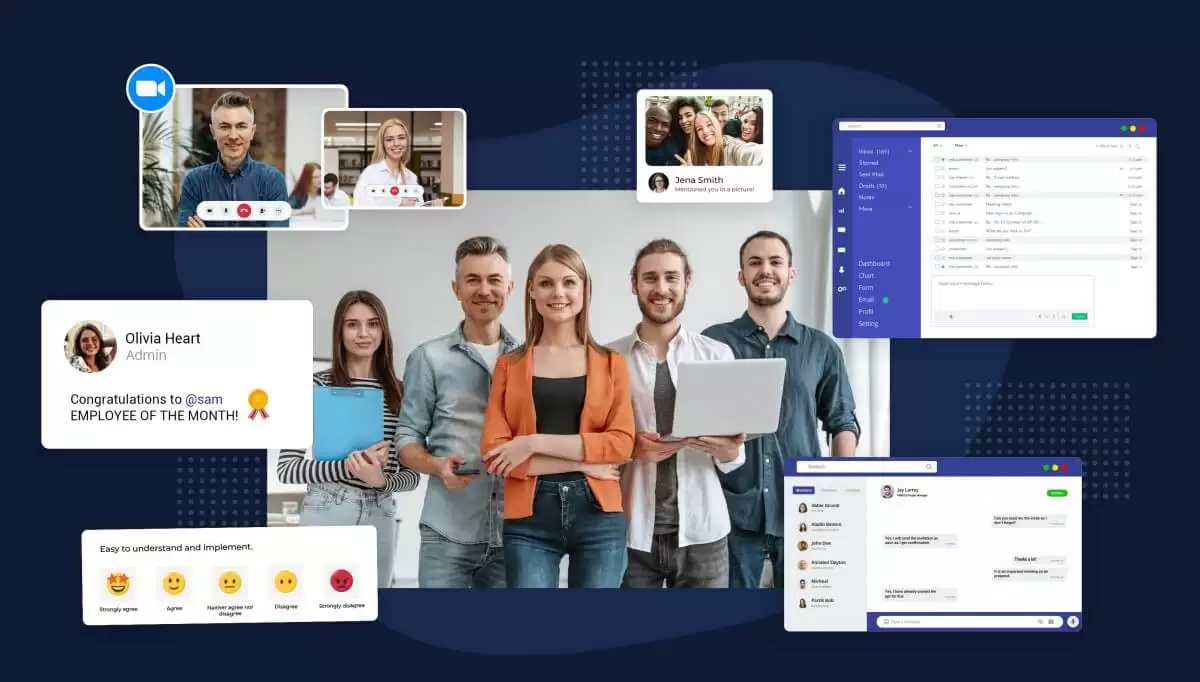
So, HR departments aren’t adopting communication tools because it’s trendy. They’re doing it because the absence of effective tools is hurting teams—quietly, daily, and in ways that directly hit retention and productivity.
What Internal Communication Tools Actually Do for HR
Let’s be real: “internal communication software” can mean a lot of things. Slack, Microsoft Teams, Staffbase, Simpplr, Workplace by Meta, and dozens of others—all offer something slightly different.
But across the board, the good ones do three critical things:
1. Centralize Messages and Cut Through Noise
Email isn’t dead, but it’s drowning. When you’ve got 120 unread messages and a spreadsheet open in one tab and a video call in the other, that HR memo about wellness week? It’s toast.
Internal communication tools let HR control where and how important messages land.
- Broadcasts for all-company updates
- Department-specific channels
- Push notifications to mobile for frontline workers
This isn’t just about sending messages—it’s about making sure they actually land.
2. Make Leadership Visible and Approachable

You don’t need your CEO on every Slack thread, but people want to feel like their leaders are human. Communication tools give HR a platform to make leadership more present, even in large organizations.
A short video update from the VP.
A weekly Q&A in a town hall channel.
Reactions, likes, comments—small touches that create a two-way street.
When employees feel leadership isn’t behind a curtain, trust and morale grow. HR can orchestrate those interactions in a way that doesn’t feel forced.
3. Give Employees a Voice
Employee engagement isn’t about how often someone shows up to meetings. It’s about whether they feel their input matters.
Internal comms tools with surveys, polls, or feedback threads make it simple to ask—and even more importantly, show that you listened.
You can measure sentiment in real-time, adjust initiatives, and make decisions that reflect what employees are actually asking for. HR teams who use this approach build more responsive and trusted cultures.
It’s Not Just About Tools. It’s About Strategy.
Buying software won’t fix a communication problem by itself. Smart HR teams pair tools with intentional strategy.
Here’s what that looks like:
They treat internal communication like a marketing campaign
They plan content. They segment audiences. They write messages with tone and clarity in mind. They use visuals and video. Because no one wants to read a 900-word memo with zero formatting and three attachments.
They train managers to be communicators, not just messengers
Your frontline supervisor might be the most important communication channel you’ve got. Tools make it easier to equip managers with timely talking points, reminders, and templates so they can deliver consistent messages with confidence.
They measure results and adjust
Which posts got the most clicks?
Which teams didn’t open the update?
Where is engagement dropping?
Good communication tools offer analytics. Great HR teams use them.

What It Looks Like in Practice
Here’s how different types of companies are putting internal communication tools to work in real, concrete ways:
A manufacturing company with 2,000 employees
Before: Most workers weren’t on email. Notices were pinned to bulletin boards in the break room. Turnover was high.
After: HR rolled out an app-based comms platform with shift-based alerts. Workers got messages directly on their phones. Morale scores jumped 18% in six months. Exit interviews started showing one repeated phrase: “I finally feel in the loop.”
A hybrid tech company spread across five countries
Before: Time zones were killing team sync. Half the company felt out of step with decisions and updates.
After: They built a weekly internal newsletter with short video intros from leadership, links to major updates, and a rotating employee spotlight. It took two hours a week to prep, but the engagement results were dramatic. Cross-team collaboration increased. Managers reported fewer communication breakdowns.
A healthcare provider with 24/7 operations
Before: Employee surveys were paper-based and rarely returned. Feedback felt one-sided.
After: HR launched a feedback feature in their internal comms tool. Nurses and staff could submit anonymous ideas or concerns via mobile. Over 40 new process improvements came from that channel alone, many of which impacted patient care.
Common Pitfalls (and How HR Avoids Them)
Not everything goes perfectly, and HR leaders know the traps to watch out for:
Too many channels, too little structure
Without a framework, Slack becomes noisy. Teams drift into random chats, and critical info gets buried.
Top-down messaging only
When employees only receive information but never contribute, it feels sterile. HR teams who encourage replies, reactions, and dialogue see stronger results.
Forgetting non-desk workers
If you’re only targeting email or desktop apps, you’re excluding a huge part of the workforce. Mobile-first tools with SMS or push notifications are critical in industries like retail, construction, logistics, and healthcare.
Not setting communication KPIs
Engagement isn’t a vague goal. Track open rates, feedback volume, response times, and survey participation. HR teams that define metrics see better adoption and clearer impact.
What to Look for in a Communication Platform

HR managers choosing a tool don’t need bells and whistles. They need features that solve real issues:
| Feature | Why It Matters |
| Mobile compatibility | Keeps non-desk employees in the loop |
| Custom groups/channels | Target messages to the right teams |
| Polls/surveys | Collect real-time feedback |
| Analytics dashboard | Measure reach and engagement |
| Integrations | Sync with HRIS, payroll, calendar tools |
| Video and image support | Improve engagement with rich media |
How HR Leaders Are Making the Business Case
It’s not enough to say, “we need Slack.” Budget approval means showing impact.
Smart HR leaders build the case like this:
- Retention: Show how better communication improves job satisfaction and reduces turnover.
- Productivity: Fewer meetings, clearer expectations, faster updates.
- Culture: Highlight how transparency and recognition create stronger teams.
- Compliance: Track who saw what—important for safety policies, DEI initiatives, and crisis response.
If you can tie the tool to key business outcomes, execs are far more likely to get on board.
Final Thoughts
When people feel like they’re guessing, they check out. When they feel informed, included, and empowered, they show up differently.
Internal communication tools aren’t just software—they’re part of how modern HR teams create culture. And culture is what keeps people connected.
So if you’re an HR leader thinking about how to boost engagement and morale, start by asking one question: how easy is it for people at every level of the company to know what’s going on?
If the answer makes you cringe, it’s time to invest in the tool that fixes it.