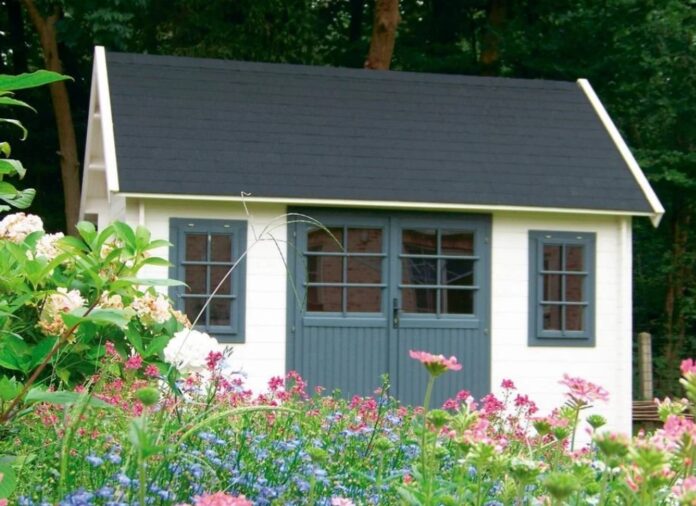
Log cabins have long been associated with tranquillity, simplicity, and a return to nature. From their historic roots as practical dwellings to their modern status as versatile homes and retreats, they remain a popular choice for those seeking a blend of comfort and rustic charm. Whether situated deep in the countryside or designed for contemporary living, these structures continue to hold a unique place in architectural traditions across the world.
A Brief History of Log Cabins
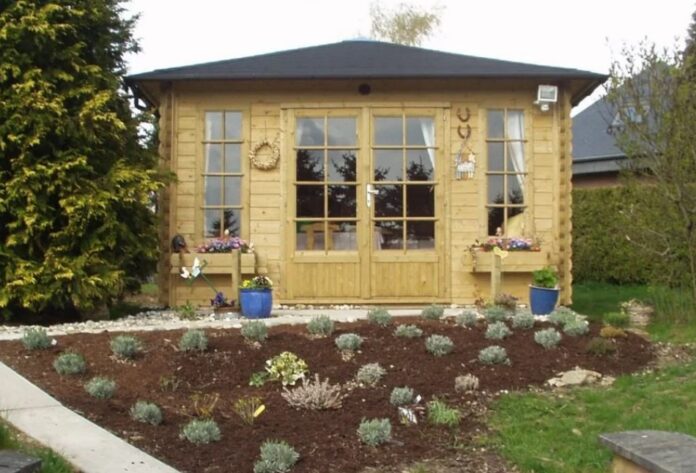
The origins of log cabins can be traced back centuries, with early examples found in Scandinavia and Eastern Europe. Settlers who arrived in North America adopted the concept due to its practicality, affordability, and accessibility of timber. These cabins were built quickly, offering shelter against harsh climates while requiring minimal tools and resources.
Over time, the design of log cabins evolved, moving from simple one-room shelters to larger, more elaborate constructions. Their enduring popularity stems not only from their functional benefits but also from the timeless aesthetic of timber, which creates warmth and harmony with natural surroundings.
Design and Construction Methods
Log cabins are built using interlocking logs that are carefully stacked and notched at the corners. This construction technique provides structural strength and natural insulation. Modern versions often combine traditional craftsmanship with advanced engineering, resulting in homes that are durable, energy-efficient, and sustainable.
Different building methods can be employed depending on preference and budget. Handcrafted cabins use individually shaped logs, offering a unique and traditional appearance, while milled log cabins are machine-cut for uniformity and precision. Both styles provide the same rustic charm but appeal to different tastes in terms of finish and detail.
Benefits of Choosing a Log Cabin
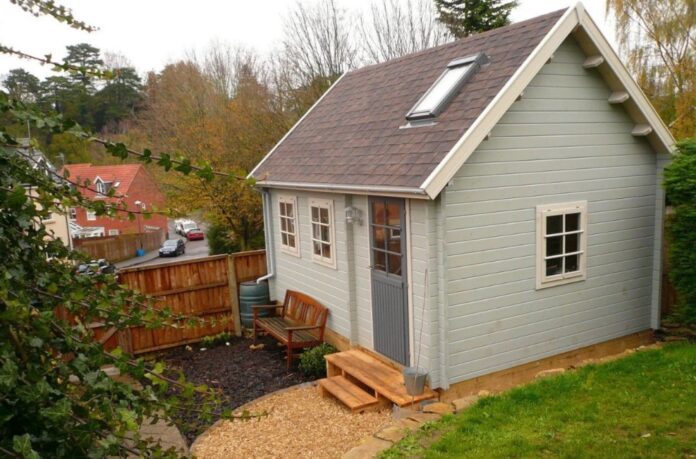
Log cabins provide a range of benefits that go beyond their visual appeal. One of the most notable advantages is their natural insulation. The thick timber walls retain heat during colder months and remain cool in the summer, reducing energy consumption and costs.
Another key benefit is durability. With proper maintenance, log cabins can last for generations, resisting harsh weather conditions while maintaining structural integrity. Timber is also an eco-friendly material, as it is renewable, biodegradable, and has a lower carbon footprint compared to other construction materials.
The atmosphere created inside a log cabin is another selling point. Timber naturally regulates humidity, contributing to healthier indoor air quality. Combined with the inviting scent and warm textures of wood, cabins provide a calming, restorative environment ideal for living or leisure.
Modern Uses for Log Cabins
In the past, log cabins were primarily built as permanent residences. Today, they serve a wide variety of purposes. Many people invest in them as holiday homes, offering a private retreat in rural or scenic locations. Others use them as guest houses, home offices, studios, or even garden gyms.
Advancements in design mean that cabins can now be built to suit residential planning standards, making them a realistic option for full-time living. With insulated walls, plumbing, electricity, and internet connections, they can provide the same level of comfort as any modern house.
Log Cabins and Sustainable Living
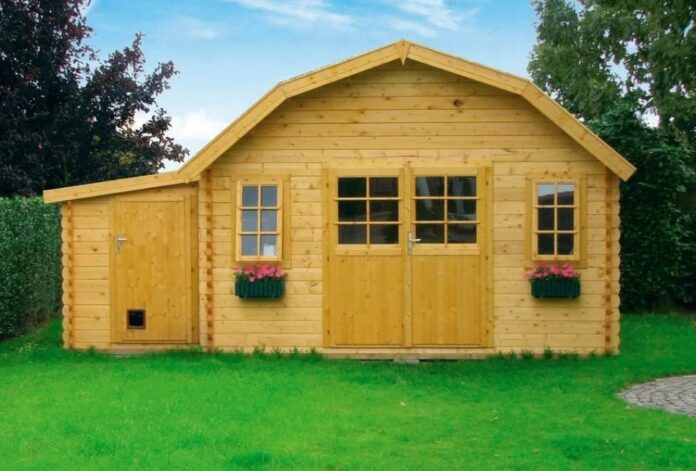
Sustainability is at the forefront of modern construction, and log cabins fit naturally into this movement. Timber is one of the most environmentally friendly materials available, particularly when sourced from responsibly managed forests. Unlike concrete or steel, wood requires less energy to process and contributes positively to carbon storage.
Additionally, cabins can be designed with renewable energy systems such as solar panels, rainwater collection, or wood-burning stoves. For those seeking to reduce their environmental footprint, living in or utilising a log cabin provides a practical and rewarding solution.
Why Log Cabins Remain Popular
The enduring popularity of log cabins can be attributed to a combination of tradition, versatility, and sustainability. They are more than just homes; they symbolise a lifestyle choice focused on comfort, nature, and simplicity. Whether as a primary residence or a secondary retreat, they offer an escape from modern stresses without sacrificing convenience.
For individuals seeking a balance between rustic charm and contemporary functionality, log cabins present an ideal option. With growing interest in eco-friendly living and flexible accommodation, their relevance continues to expand in the housing market.
Investing in Log Cabins
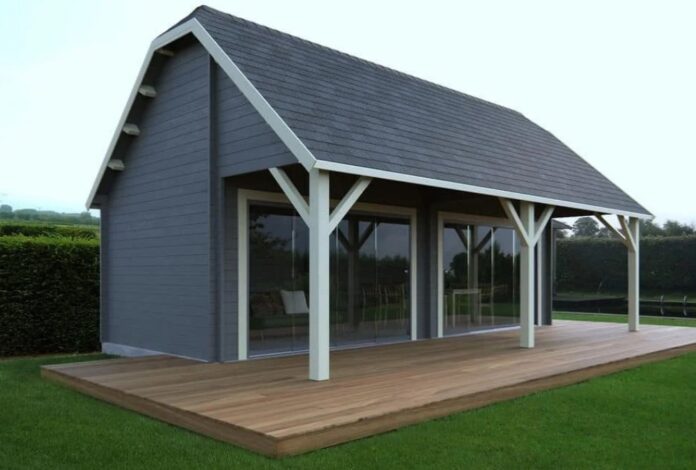
For those considering an investment, log cabins provide excellent long-term value. They are highly adaptable, meaning they can be customised to suit a wide range of purposes, from holiday rentals to family residences. In rural and tourist regions, they are especially attractive as rental properties, offering visitors a cosy and unique experience.
Furthermore, building a log cabin can often be more cost-effective than traditional housing, depending on size and specifications. With careful planning, they provide an affordable yet stylish solution that merges practicality with timeless design.
Conclusion
Log cabins represent more than a simple architectural style; they embody a philosophy of harmonious living with nature. Their versatility ensures they remain suitable for modern lifestyles, while their eco-friendly attributes make them a sustainable choice for the future. Whether as a home, retreat, or investment, they continue to capture the imagination of people around the world.
For those interested in exploring options, log cabins offer a chance to combine rustic beauty with contemporary comfort. By investing in such a timeless structure, individuals can enjoy a living space that is not only functional but also deeply connected to nature and tradition.