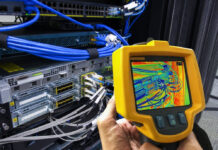
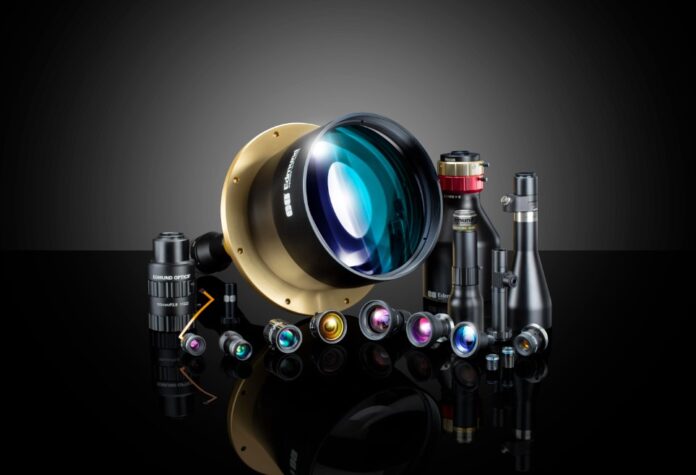
In modern factories, warehouses, and laboratories, machines increasingly rely on sight. Cameras inspect products, guide robotic arms, verify labels, and measure microscopic features with remarkable speed and consistency. At the center of these systems is a component that rarely receives public attention but plays a decisive role in performance: the lens.
Machine vision lenses form the optical bridge between the physical world and digital interpretation. While cameras and software often dominate discussions about automation, it is the lens that determines what the system can truly see. Choosing the right lens can mean the difference between accurate inspection and costly errors, between smooth automation and constant recalibration. As industries push for higher precision and efficiency, understanding how these lenses work has become essential.
The Role of Vision in Modern Automation
Machine vision refers to technologies that allow machines to capture, process, and interpret visual information without human intervention. These systems are now foundational across manufacturing, logistics, healthcare, and research.
What Machine Vision Lenses Do
Machine vision lenses are purpose-built optical components designed to project an image onto a camera sensor with minimal distortion and maximum consistency. Unlike lenses used in consumer photography, they prioritize measurement accuracy, repeatability, and compatibility with industrial sensors over aesthetics.
In practical terms, a lens determines how much of a scene is visible, how sharp the image appears across the field of view, and how faithfully dimensions are preserved. For tasks such as detecting defects on a production line or aligning robotic tools, these characteristics are critical. Even small optical errors can lead to misclassification, inaccurate measurements, or system downtime.
Why Industrial Lenses Differ From Camera Lenses
Consumer camera lenses are designed for versatility and artistic flexibility. They emphasize features like autofocus, zoom, and pleasing background blur. Machine vision lenses, by contrast, are engineered for stability. They often use fixed focus, rigid housings, and specialized coatings to ensure predictable performance over long operating periods.
Environmental resistance is another key difference. Many industrial lenses are designed to operate under vibration, temperature changes, dust exposure, and continuous use. In automated systems that run around the clock, durability is as important as optical clarity.
A Brief History of Machine Vision Optics
The development of machine vision lenses closely mirrors the broader evolution of industrial automation.
From Human Inspection to Machine Analysis
Early machine vision systems borrowed heavily from photography. Simple cameras captured images that operators reviewed manually or with basic software assistance. As production speeds increased and tolerances tightened, these early systems proved inadequate.
During the late twentieth century, advances in sensors and computing enabled machines to analyze images in real time. This shift required lenses capable of delivering sharper, more consistent images under controlled lighting conditions. Optical design began to focus on minimizing distortion and maximizing resolution across the sensor.
The Rise of Specialized Lens Design
As applications diversified, so did lens designs. Inspection tasks ranged from reading barcodes to identifying microscopic defects on circuit boards. No single lens could serve all purposes. Manufacturers began producing lenses optimized for specific working distances, sensor sizes, and lighting setups.
Today’s machine vision lenses are the result of decades of refinement. They integrate optical engineering with mechanical precision, supporting systems that guide autonomous vehicles, inspect pharmaceuticals, and enable high-speed robotics.
Why Lens Selection Matters
In machine vision, the lens is not an interchangeable accessory. It is a core system component that must be matched carefully to the task.
Optical Quality and Measurement Accuracy
A lens influences image sharpness, contrast, and distortion. Poor lens selection can introduce blurring at the edges of the image, uneven illumination, or geometric distortion that affects measurements. In quality control applications, these issues can lead to false positives or missed defects.
Measurement-based systems are particularly sensitive. When a camera is used to determine dimensions or alignment, the lens must preserve spatial relationships accurately. Distortion that might be acceptable in photography can render measurements unreliable in industrial contexts.
The Importance of System Compatibility
Lens choice must align with camera sensor size, resolution, and pixel pitch. A high-resolution sensor paired with an inadequate lens will not deliver meaningful gains. In fact, the mismatch can highlight optical flaws that were previously unnoticed.
Effective system design treats the camera, lens, lighting, and software as a single integrated unit. Decisions made at the optical level ripple through the entire system.
Decoding Key Lens Specifications
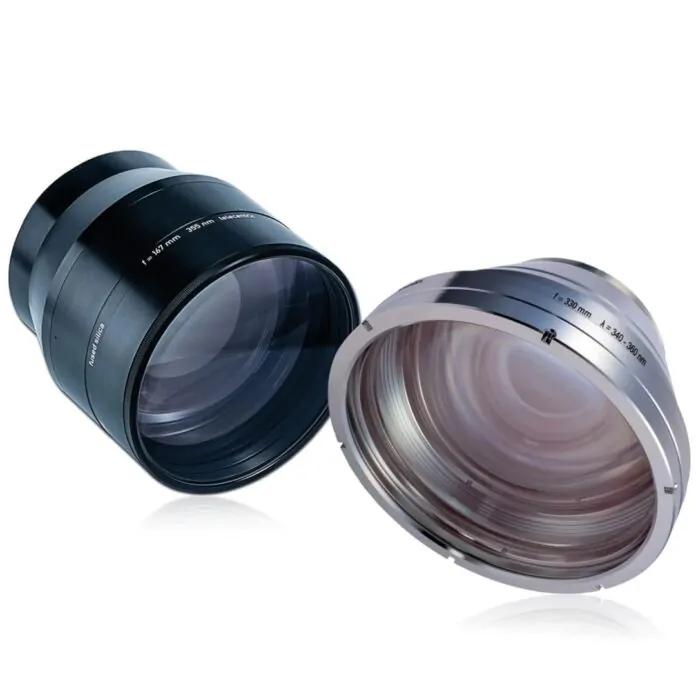
Machine vision lens specifications can appear intimidating, but understanding a few core concepts makes selection far more manageable.
Aperture and Depth of Field
Aperture describes the size of the lens opening that allows light to reach the sensor. Larger apertures admit more light but produce a shallower depth of field. Smaller apertures increase depth of field but reduce light transmission.
In machine vision, depth of field often takes precedence over light-gathering ability. Many applications require objects at varying heights or distances to remain in focus simultaneously. Selecting an aperture that balances sharpness and illumination is essential.
Focal Length and Field of View
Focal length determines how much of a scene the lens captures and how large objects appear in the image. Shorter focal lengths provide wider views, while longer focal lengths magnify smaller areas.
Choosing the correct focal length depends on the size of the object being inspected, the available working distance, and the required resolution. Misjudging this parameter can result in images that are either too coarse or too narrowly framed.
Resolution and Sensor Matching
Resolution is often discussed in terms of megapixels, but lens resolution is equally important. A lens must be capable of resolving fine details across the sensor. Optical limitations such as chromatic aberration or field curvature can reduce effective resolution.
Matching lens performance to sensor capability ensures that investments in high-resolution cameras translate into usable data rather than theoretical improvements.
Types of Machine Vision Lenses
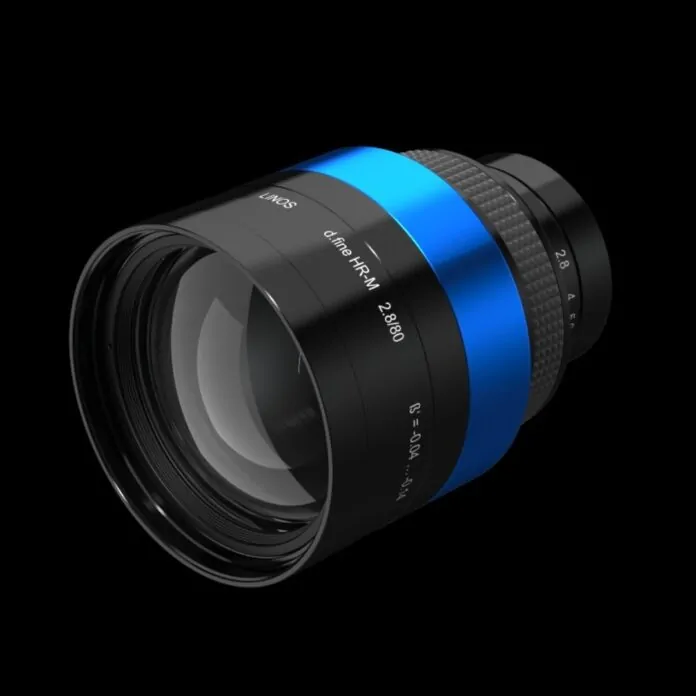
Different applications demand different optical solutions. Understanding the main categories helps narrow the options.
Fixed Focal Length Lenses
Fixed focal length lenses have a single, unchanging focal length. They are widely used in industrial environments because of their simplicity and consistency.
When object distance and field of view are known and stable, fixed lenses provide excellent image quality with minimal complexity. Their mechanical stability also reduces the risk of misalignment over time.
Varifocal Lenses
Varifocal lenses allow adjustment of focal length within a defined range. This flexibility is useful during system setup or in applications where working distances may change.
While varifocal lenses offer convenience, they may introduce additional mechanical complexity. Careful calibration is required to maintain consistent performance once adjustments are complete.
Macro and Close-Up Lenses
Macro lenses are designed for imaging small objects at close range. They are essential in applications such as electronics inspection, where features may be measured in microns.
These lenses deliver high magnification with controlled distortion, enabling precise analysis of fine details. However, they often have a limited depth of field, requiring careful lighting and positioning.
Telephoto and Long-Distance Lenses
Telephoto lenses serve applications where cameras must be positioned far from the subject. Surveillance, large-scale inspection, and environmental monitoring often rely on these designs.
By magnifying distant objects, telephoto lenses allow detailed analysis without placing equipment in hazardous or inaccessible locations.
Maintenance and Longevity of Machine Vision Lenses
Even the best lens cannot perform well if it is poorly maintained. Optical components require care to preserve accuracy and reliability.
Cleaning Practices That Protect Optics
Dust, oil, and residue on a lens surface can degrade image quality and introduce artifacts that affect analysis. Cleaning should be performed with materials designed specifically for optical surfaces.
Gentle techniques using microfiber cloths and approved cleaning solutions reduce the risk of scratching or damaging coatings. In industrial environments, regular inspection schedules help prevent buildup that may go unnoticed during operation.
Storage and Handling Considerations
When not in use, lenses should be protected from dust, moisture, and impact. Protective caps and padded storage cases reduce the risk of accidental damage.
Equally important is training personnel in proper handling. Many lens failures result from improper mounting, overtightening, or exposure to harsh chemicals. Clear procedures help safeguard equipment investments.
Looking Ahead ─ The Future of Machine Vision Lenses
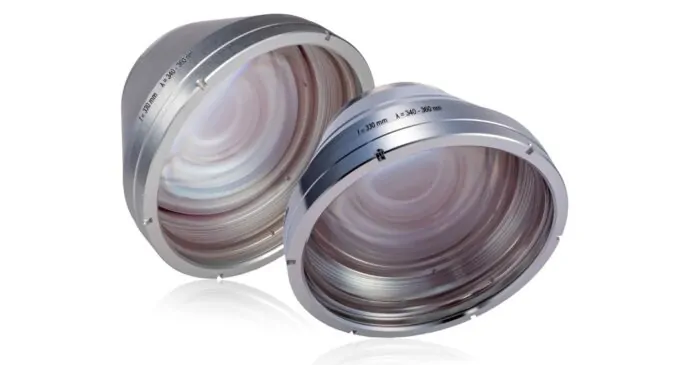
As automation advances, the demands placed on machine vision lenses continue to grow.
Higher Resolution and Smarter Systems
Cameras with ever-increasing resolution require lenses capable of matching their performance. Optical design is evolving to support finer detail without sacrificing field coverage or durability.
At the same time, smart vision systems increasingly rely on software correction and computational imaging. Even so, high-quality optics remain the foundation. Software can enhance data, but it cannot recover information that was never captured clearly.
Expanding Applications Across Industries
Machine vision lenses are now used far beyond traditional manufacturing. Healthcare, agriculture, autonomous vehicles, and scientific research all rely on visual data for decision-making.
As applications diversify, lens design will continue to adapt, balancing precision, robustness, and cost efficiency.
A Critical Component Worth Understanding
Machine vision lenses may not be the most visible part of an automated system, but they are among the most influential. They shape how machines perceive the world and determine whether visual data can be trusted.
For organizations investing in automation, understanding lens selection, specifications, and maintenance is no longer optional. It is a prerequisite for reliability, accuracy, and long-term success.
As machine vision continues to transform industries, the quiet role of optics will remain central. Clear vision, after all, is the foundation of intelligent machines.