One benefit of purchasing a prepackaged home security system is getting a central hub with it. But that begs the question of whether a hub is really necessary. After all, modern home security devices can usually be controlled with companion mobile apps. Maybe it’s better to have both?
It literally comes down to personal preference. That said, it makes little sense not to use a mobile app. A mobile app lets you control your security system from anywhere in the world as long as you have an internet connection. Why would you invest in home security and not take advantage of that benefit?
As for having both a mobile app and a hub, there are definite advantages to it. In a nutshell, having both a physical hub and a mobile app offers redundancy, convenience, and better usability for unique circumstances.
Using them together makes the system more reliable and accessible. One could argue that the combination of both also makes a system easier to manage day-to-day.
A Word About the Home Security Hub
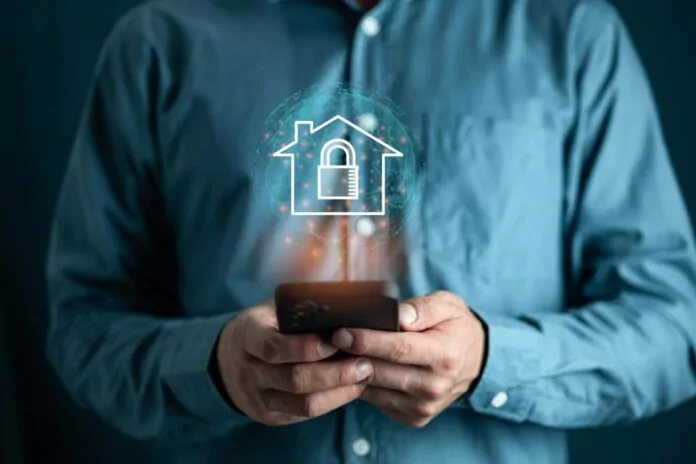
A home security hub is a physical device through which you control your system, separate from your phone of course. In the old days, the hub was usually a control panel mounted to the wall just inside the entryway. Wall-mounted units are still in use today. But thanks to wireless technology, a hub can also be a tabletop device.
You could use any of the popular smart speakers as a hub as well. But you would still need access to your system through some external means – like a computer or phone. So a smart speaker is more of a pseudo-hub rather than the traditional physical hub you would get with a brand-named security system.
Vivint Home Security is one such brand. With all of their systems, including their HomeProtect package, you get both a hub and a companion mobile app. The app provides full mobile access and control when you are out and about. When you’re home, the hub becomes an easier device through which to monitor your system, create routines, modify automations, etc.
The Hub as a Main Control Panel
The home security hub is essentially the main control panel. Again, it could be wall mounted or placed on a table, desk, or countertop. Every system device is accessed through it. Higher-end models are made portable with a battery and can be interacted using voice control.
Here are three main benefits of having a main control panel:
- On and Fixed – A main control panel is always on and in a fixed location. It is always in the same place, especially if it’s wall mounted. It is easily accessed by anyone in the home regardless of whether a phone is available.
- Emergency Interface – Most home security hubs have emergency-friendly interfaces. They offer physical buttons, panic shortcuts, and other clear status indicators that make it easier for homeowners to call for help while under stress. Hitting a panic button is a lot easier than finding your phone, turning it on, and bringing up an app.
- Local Reliability – A home security hub offers local reliability. Even if your phone is dead, the cloud is unreachable, or your Wi-Fi network is struggling, a hub it least offers the core functions of arming, disarming, and sounding alarms.
Some homeowners feel like the mobile app is indispensable. I cannot disagree. But I also believe the physical hub is equally indispensable. I have both. My hub is actually an old laptop that I repurposed for home security. My home security platform includes a mobile app I have on my phone and three tablet devices.
The Benefits of a Mobile App
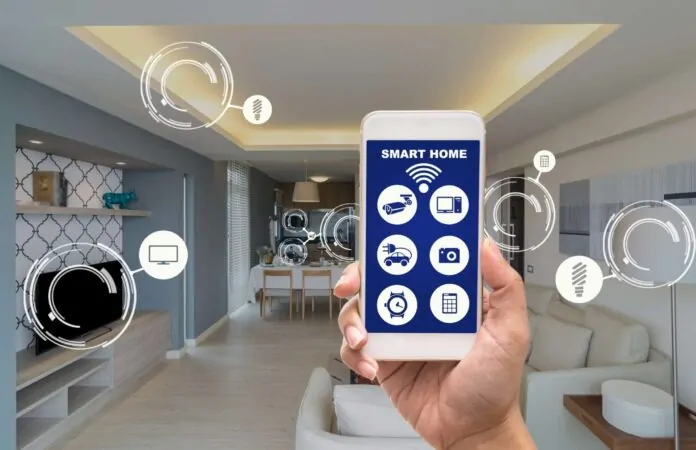
I use the mobile app for my platform because I have experienced its benefits firsthand. If I ever had to go back to running my security system without one, I would probably struggle for a while. Having an app is good because:
- Control and Monitoring – I can completely control and monitor my home security system through the mobile app. That is obviously necessary when I am away from home. But even if I am on the other end of the house and cannot access my hub easily, my phone does the trick. Either one of my tablets will work too.
- Push Notifications – A mobile app gives me access to push notifications in real time. When one of my cameras picks up motion, I get a notification on my phone. I get a similar notification in my hub is well, but how often do I actually check it? Rarely. Yet I am on my phone all the time.
- Flexible User Access – Though there are exceptions, mobile apps tend to offer support from multiple users. A homeowner could set up different permissions for each family member, giving more granular access as needed.
A good example would be granting access to out-of-town guests. All they could do with their phones is arm and disarm the system as they come and go. All other controls would be off limits to them. You cannot get that kind of access with a hub alone.
Combining Both in a Single System
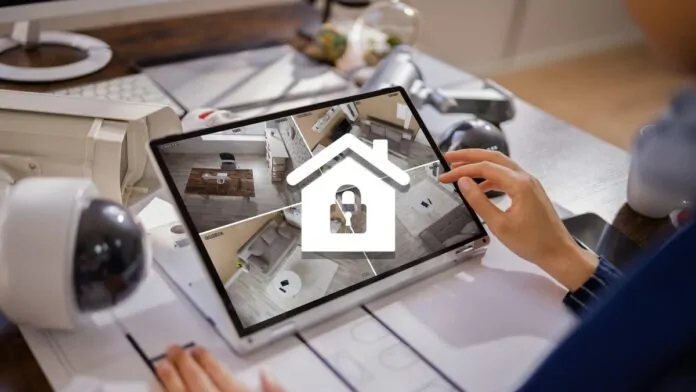
The benefits of both the hub and mobile app are clear when looking at them as standalone options. However, have you considered the possibility of integrating these elements into a unified system? Having both a hub and mobile app offers:
- Redundancy – Having access to your system through multiple devices provides redundancy in case one device fails.
- Different Interfaces – Hubs and mobile apps tend to offer different user interfaces. That is good when multiple users have access but different interface preferences.
Combining the two even strengthens your security posture. The more people who have access through their phones, the more people getting pushed notifications when an alarm is triggered. No one person needs to be responsible for keeping an eye on everything.
Do you need both a home security hub and mobile app? No. But having both sure is handy.