
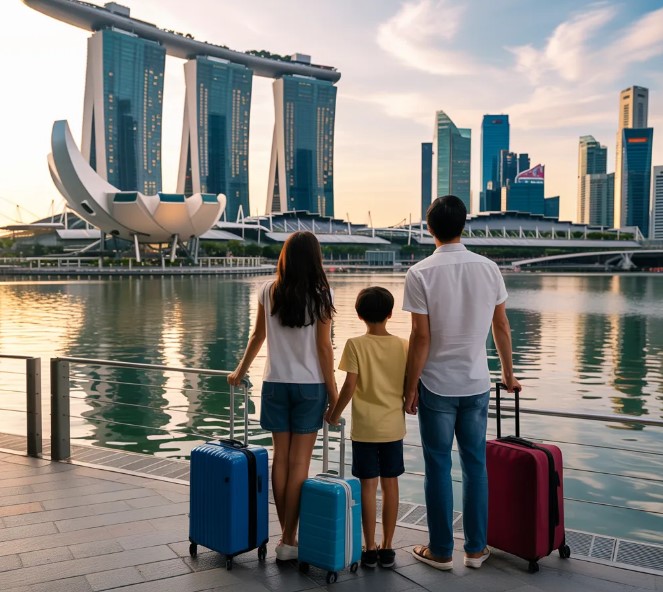
Have you noticed how often Singapore appears on global rankings for safety, income stability, and overall quality of life? It consistently ranks among the easiest places in the world to live as an expat, yet many newcomers still underestimate how structured and detail focused relocation can be. Moving To Singapore In 2026 is not difficult, but it is procedural. Success depends less on spontaneity and more on timing, documentation, and realistic budgeting.
Relocation here rewards preparation. Visa rules are precise, housing is tightly regulated, and everyday systems like banking and healthcare operate with zero tolerance for guesswork. This guide walks through each major step in the process, explains what to expect at every stage, and breaks down realistic costs, so you can plan calmly and arrive confident rather than overwhelmed.
Understanding visa pathways before anything else
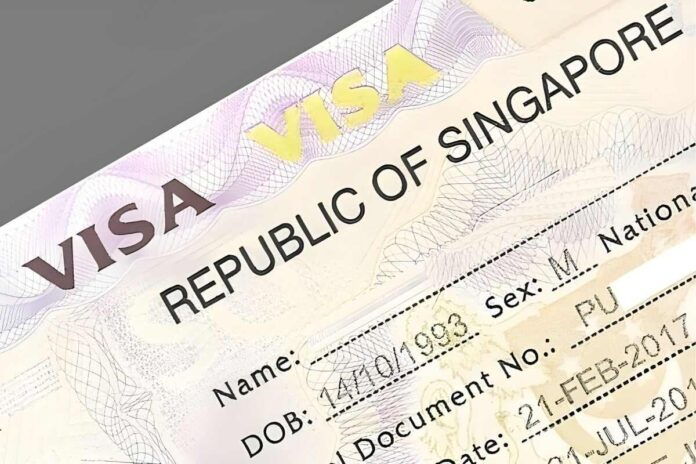
Before booking flights or researching neighborhoods, immigration status must come first. Singapore does not allow casual long term stays, and most relocation timelines are shaped entirely around visa approval. For professionals, the most common route is employment based, while entrepreneurs, investors, and dependents follow different frameworks.
In 2026, work visas remain merit driven and closely tied to salary thresholds, qualifications, and employer sponsorship. The most relevant options include the Employment Pass for professionals, the S Pass for mid skilled roles, and Dependant Passes for immediate family members. Each application requires verified documents, employer backing, and processing time that can range from weeks to months.
Important to know: Visa approval is required before signing long term leases, enrolling children in school, or opening most local accounts.
Because of this, relocation planning should begin at least three to four months before your intended move date, allowing room for approvals, appeals if needed, and coordination with employers or agents.
Choosing where to live and how housing really works
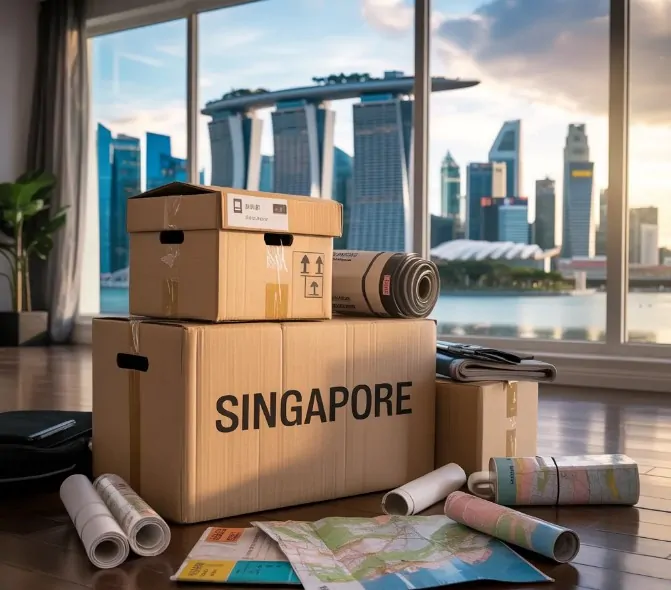
Once visa eligibility is underway, housing becomes the next major decision. Singapore’s property market is highly structured, transparent, and regulated, but also expensive by global standards. Renters and buyers face different rules, especially foreigners.
Rental properties are most common for new arrivals, particularly condominiums with shared amenities. Many expats prefer developments that offer walkability, transport access, and onsite facilities. Buyers looking for longer term stability often explore private developments near the city fringe or waterfront areas, such as Vela Bay.
Vela Bay is a 28 story residential development offering one to three bedroom layouts and penthouses, positioned for those seeking waterfront living close to downtown with strong long term value appeal.
Housing decisions should factor more than price. Commute times, school proximity, MRT access, and daily convenience matter more than square footage in Singapore’s urban rhythm.
Typical housing costs in 2026:
- One bedroom condo: SGD 3,500 to 5,000 per month
- Two bedroom condo: SGD 5,000 to 7,500 per month
- Purchase prices for private condos often start above SGD 1 million
Planning your relocation budget realistically
Many people underestimate how front loaded relocation costs can be. Singapore is not a place where expenses slowly ramp up. Initial costs arrive quickly and in clusters, especially within the first 60 days.
Beyond rent, expect to pay deposits, agent fees, visa related charges, shipping costs, and setup expenses. Even with employer support, personal cash flow planning is essential.
| Expense category | Estimated cost range (SGD) |
| Visa and processing fees | 300 to 1,200 |
| Rental deposit (2 months) | 7,000 to 15,000 |
| Shipping household goods | 4,000 to 10,000 |
| Initial furniture and setup | 3,000 to 8,000 |
| Temporary accommodation | 2,000 to 4,000 |
These numbers vary based on lifestyle and family size, but planning conservatively avoids unnecessary stress. Many expats recommend arriving with at least three months of living expenses readily accessible.
Healthcare registration and insurance decisions
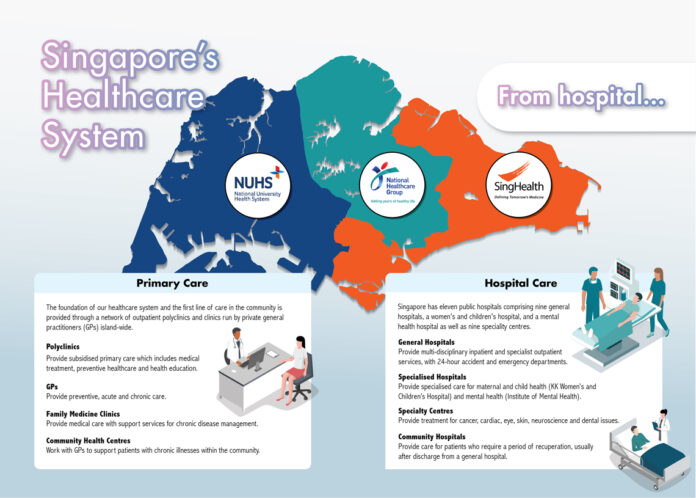
Healthcare in Singapore is among the best in the world, combining advanced technology with efficient service delivery. However, it is not free for foreigners, and insurance decisions should be made before arrival.
Public hospitals offer subsidized care for citizens and permanent residents, while expats typically rely on private hospitals and clinics. Employer provided insurance often covers basic needs, but coverage limits, outpatient care, and specialist access should be reviewed carefully.
Most expats choose international health insurance plans that allow flexibility across providers. These plans typically cost more but provide faster access and broader coverage.
Did you know? Singapore consistently ranks among the top countries globally for patient outcomes and hospital efficiency, according to international healthcare benchmarks.
Registering with a local clinic, understanding emergency procedures, and storing digital medical records early will save time later.
Banking, taxes, and financial setup
Singapore’s financial system is efficient, but initial setup can feel slow due to compliance checks. Opening a local bank account requires visa approval, proof of address, and sometimes an in person visit.
Most expats open accounts with major local banks offering multi currency features and strong digital platforms. Once set up, daily banking becomes seamless.
Taxation is one of Singapore’s strongest draws. Personal income tax rates remain relatively low, and there is no capital gains tax for most individuals. However, tax residency depends on the number of days spent in the country each year.
Key financial considerations include:
- CPF contributions do not apply to most expats
- Income tax is progressive but capped at competitive rates
- Annual tax filing is mandatory, even for simple cases
Understanding your tax status early helps avoid surprises at year end.
Education and family considerations
Families relocating with children face additional planning layers. Singapore offers a mix of international schools, private institutions, and limited access to public schools for foreigners.
International schools are popular but competitive, with waiting lists and significant tuition costs. Annual fees can range from SGD 25,000 to over SGD 50,000 depending on curriculum and grade level.
School location often influences housing choices, as daily commutes can be demanding. Planning applications early and aligning housing searches with school acceptance timelines reduces pressure significantly.
For families, relocation is less about speed and more about sequencing each step correctly.
Daily life adjustments and cultural expectations
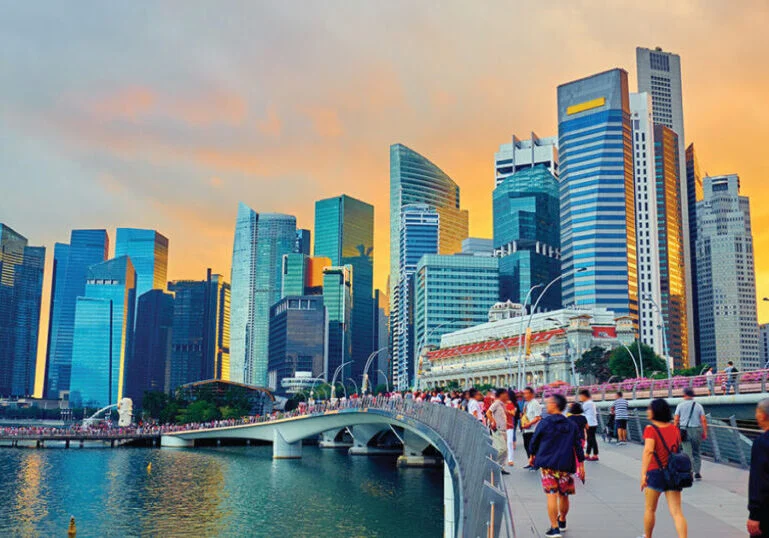
Life in Singapore is efficient, safe, and orderly, but it also comes with social norms that newcomers should understand. Rules around cleanliness, noise, and public behavior are taken seriously and enforced consistently.
At the same time, Singapore is culturally diverse and welcoming. English is widely spoken, food options are global, and expat communities are active and supportive.
Adjustments often include:
- Reliance on public transport instead of cars
- Faster paced work environments
- Smaller living spaces with smarter layouts
Most expats report that daily life becomes easier, not harder, once initial routines are established.
Step by step relocation checklist
To keep the process manageable, breaking relocation into phases helps maintain clarity and control.
Before arrival:
- Secure visa approval
- Research housing areas
- Arrange insurance coverage
- Prepare documents and shipping plans
First 30 days:
- Finalize housing lease
- Open bank accounts
- Register local address
- Enroll children if applicable
Ongoing setup:
- Understand tax obligations
- Build healthcare network
- Establish daily routines
Following this structure reduces last minute decisions and costly mistakes.
Final thoughts
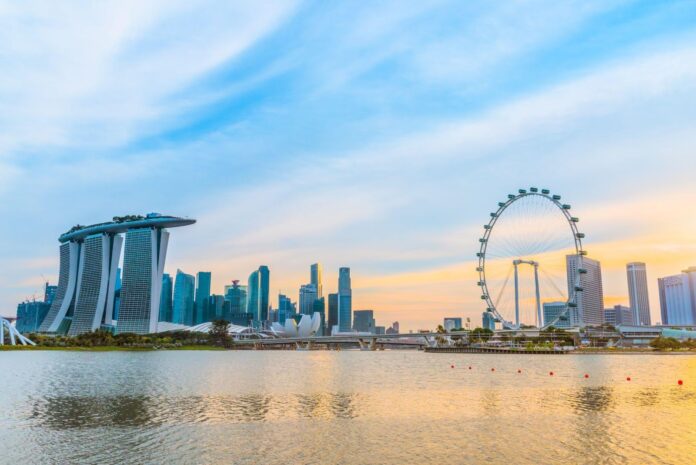
Moving to Singapore in 2026 is not about rushing through steps. It is about understanding how each decision affects the next one. When handled thoughtfully, relocation becomes a smooth transition rather than a disruptive leap.
Singapore rewards those who plan ahead, respect systems, and budget realistically. Once settled, many expats find that the city’s efficiency, safety, and opportunity far outweigh the upfront effort. With the right preparation, your move can feel less like a logistical challenge and more like a strategic life upgrade that pays dividends for years to come.