Dental implants represent a transformative solution for individuals looking to replace missing teeth with long-term, natural-looking results. Understanding the structure of a dental implant helps explain how this advanced treatment restores both function and appearance.
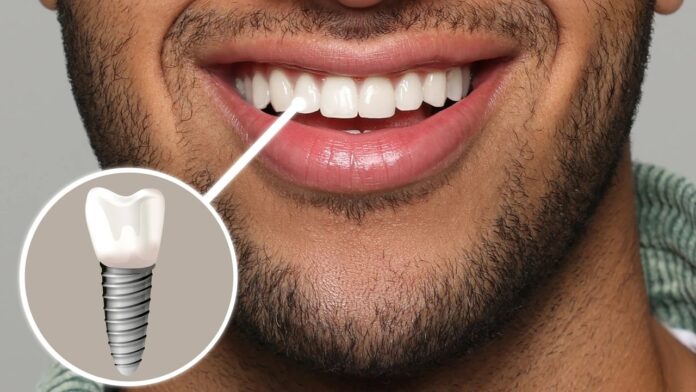
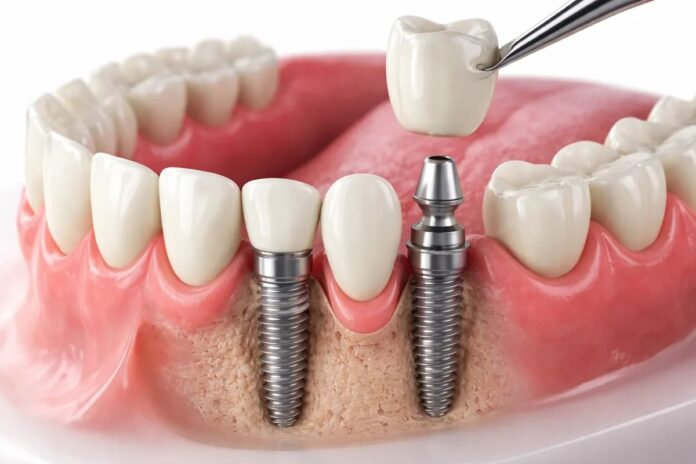
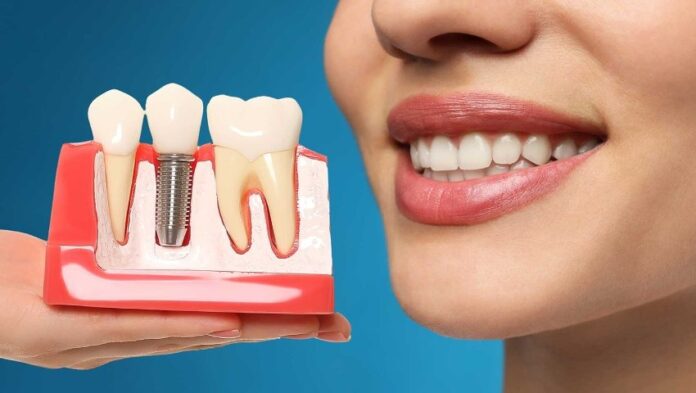
At Archpoint Implant dentistry, a dental implant is explained as having three essential components: the implant post, the abutment, and the crown.
The implant itself is a small post, most often made from biocompatible materials such as titanium, which is surgically placed into the jawbone.
This post functions as an artificial tooth root, providing a strong and reliable foundation.
The abutment is then attached to the implant, acting as a connector between the implanted post and the visible restoration.
It allows for precise fitting and, when needed, adjustments during the treatment process.
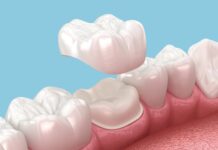
Finally, the crown is custom-designed to closely match the shape, color, and size of a natural tooth.
Typically crafted from porcelain, ceramic, or resin, the crown restores chewing efficiency while enhancing the patient’s smile.
Together, these components work seamlessly to replicate the look and performance of a natural tooth, improving bite alignment, oral function, and overall facial harmony.
From Consultation to Crown: The Journey of Implant Dentistry
The journey of implant dentistry begins with an initial consultation, where a thorough dental examination, including imaging studies (like X-rays or 3D scans), is performed.
This assessment helps the dental professional evaluate the health of the jawbone and surrounding tissues, determining the most appropriate treatment plan.
After establishing that a patient is a suitable candidate for dental implants, the surgical procedure is scheduled.
The process generally involves three phases: the surgical placement of the implant, a healing period known as osseointegration, and the placement of the crown.
During the surgery, the dentist will insert the titanium implant into the jawbone.
Following this, the osseointegration phase occurs, which can take several months as the bone grows around the implant, securely anchoring it.
After successful integration, an abutment is placed, and impressions of the mouth are taken to create the custom crown.
It concludes with the crown being cemented or screwed onto the abutment, resulting in a seamless restoration that feels and functions like a natural tooth.
A Closer Look at Osseointegration: The Key to Stability
Osseointegration is the remarkable biological process whereby the jawbone fuses with the titanium implant, providing stability and durability.
This process is crucial for the success of the dental implant; poor osseointegration can lead to implant failure. Factors influencing osseointegration include the quality of the jawbone, the patient’s overall health, and adherence to post-operative care.
Dental professionals frequently monitor this phase through follow-up appointments to ensure proper healing.
Advances in implant technology, such as surface modifications that enhance the roughness of the implant, have been shown to promote osseointegration.
This process not only enhances the mechanical stability of the implant but also positively impacts the longevity of the restoration, making dental implants a robust long-term solution for tooth loss.
Boosting Your Confidence: The Psychological Impact of a Great Smile
The Connection Between Smiles and Self-Esteem: A Deeper Dive

A confident smile holds significant psychological power, directly influencing an individual’s self-esteem and social interactions.
Aesthetic imperfections, such as gaps from missing teeth, can lead to self-consciousness and anxiety, creating barriers to communication and social engagement.
Research has consistently shown that a healthy, attractive smile can enhance self-perception and improve interactions with others, fostering better personal and professional relationships.
For many, addressing dental issues through treatments like dental implants can result in life-altering transformations. The renewed ability to smile without hesitation not only revitalizes self-confidence but also allows individuals to engage more fully in their lives.
The act of smiling releases neuropeptides and endorphins, which can reduce stress and promote an overall sense of well-being.
Therefore, investing in dental implants is not merely a physical enhancement; it is a profound psychological upgrade that can reshape one’s lifestyle.
Transformative Stories: Real People, Real Results
The transformative power of dental implants is best illustrated through the experiences of real patients who have undergone the procedure.
Take the story of Jake, a 45-year-old who had struggled with missing teeth for years. His self-confidence plummeted, making him retreat from social gatherings.
After receiving dental implants, Jake not only regained his smile but also his zest for life. He began attending events and rekindled old friendships, crediting his new smile for reigniting his social life.
Similarly, Sarah, a busy professional in her 30s, had always hidden her smile due to dental issues that emerged from early tooth loss.
Following her implant procedure, not only did Sarah receive compliments on her radiant smile, but she also reported an increase in her workplace confidence.
These accounts underscore the profound impact dental implants can have on a person’s life, illustrating that the benefits extend far beyond the physical to touch the emotional and social dimensions of identity.
Breaking Down the Barriers: Overcoming Anxiety About Dental Implants
Despite the numerous benefits associated with dental implants, anxiety surrounding the procedure is common. Many patients express fear about the surgical aspect, pain, or the outcome itself. It’s critical to address these concerns head-on.
Knowledge is power; understanding what the procedure entails can greatly alleviate apprehension. Most dental professionals explain the entire implant process, including sedation options to manage any discomfort effectively.
Anesthesia and advanced surgical techniques significantly reduce pain and improve patient experience.
Additionally, discussing pre- and post-operative care helps patients feel in control, making them more comfortable with the treatment.
Testimonials from past patients can also ease fears; seeing how others overcame their anxieties to achieve successful outcomes can be incredibly motivating.
Dental professionals prioritize compassionate care and open communication, enabling patients to feel secure and informed throughout their journey.
Durability and Longevity: Why Implants Outlast Other Solutions
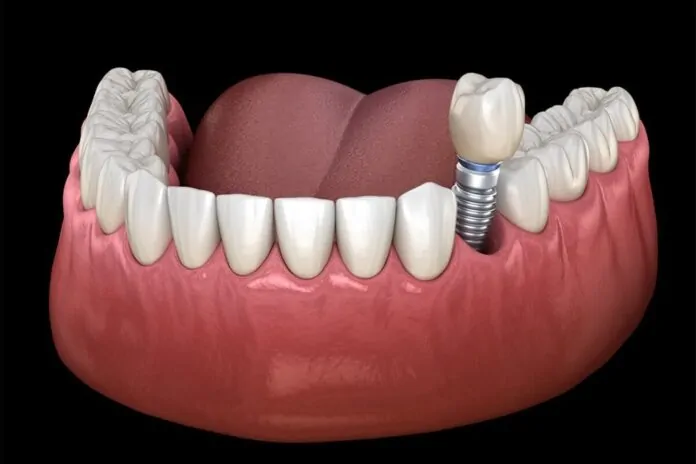
One of the standout advantages of dental implants is their remarkable durability and longevity compared to traditional dentures or bridges.
With proper care, implants can last a lifetime. The implanted titanium post merges with the bone, creating a stable foundation. In contrast, other options such as dentures often require replacement or adjustments over time due to wear and fit issues.
This durability not only enhances functionality allowing patients to eat and speak comfortably but also signifies a long-term financial investment in dental health.
Although the initial costs of implants may be higher, their longevity can lead to cost savings over time.
Patients can avoid recurrent expenses associated with replacing or adjusting removable dentures or bridges, establishing implants as a wise choice for long-term oral health.
Impact on Oral Health: Preventing Bone Loss and Maintaining Structure
The interplay between dental implants and oral health is profound. Beyond merely filling gaps, implants preserve the structure of the jawbone, preventing the bone loss often associated with tooth loss.
When a tooth is missing, the jawbone can deteriorate in that area due to lack of stimulation; implants provide the necessary pressure and stimulation to maintain bone density.
Traditional tooth restorations, like bridges, do not address this concern, often resulting in significant oral health challenges down the line.
Furthermore, maintaining the integrity of the jawbone supports the overall facial structure, which can prevent common aging characteristics such as sagging or sunken cheeks.
This unique aspect of dental implants promotes not only better functional jaw alignment but also continues to contribute positively to physical appearance, further enhancing patient confidence.
Hence, choosing dental implants is a multifaceted investment, prioritizing both visual aesthetics and critical long-term oral health.
Cost-Effectiveness Over Time: A Smart Investment for Your Smile
When considering dental implants, many patients may initially balk at the price tag. However, it is vital to consider the cost-effectiveness of implants over time.
While the upfront cost for the implant procedure can be greater than alternatives such as dentures, the durability and longevity of implants frequently outweigh the initial expenditure.
Implants are a one-time investment rather than a recurring one; patients may find the long-term savings significant when they avoid frequent replacements and repairs associated with dentures or bridges.
Moreover, the health benefits contribute to long-term financial planning.
Missing teeth can lead to other dental issues that require treatment, which can compound costs over time. By opting for dental implants, patients subsequently lower the risk of future dental problems.
Additionally, numerous insurance plans may cover part of the implant procedure, easing the financial burden.
In summary, while dental implants require commitment, they ultimately prove to be a sound investment, significantly enhancing one’s quality of life alongside financial prudence.
Unraveling Common Myths: What You Need to Know Before Getting Implants
Myth vs. Reality: Debunking Misconceptions about Implant Procedures
Numerous myths surrounding dental implants may deter individuals from seeking this transformative option.
One prevalent misconception is that getting dental implants is excessively painful. In reality, the procedure is usually performed under local anesthesia, and patients report minimal discomfort during and after the surgery.
Additionally, many believe that dental implants require an extensive recovery period, yet most patients return to their daily routines within a few days.
Another myth suggests that dental implants are only suitable for older adults; in actuality, they can benefit individuals of various ages, provided they have a healthy jawbone structure.
Dispelling these misconceptions is crucial for encouraging more individuals to consider implants as a viable solution, thereby raising awareness about its transformative potential.
Who is a Candidate? Understanding Eligibility for Implants
Determining candidacy for dental implants involves several factors.
Generally, patients with good oral health, sufficient jawbone density, and no underlying health conditions that might impede healing like uncontrolled diabetes or heart disease are typically suitable candidates.
Smokers and individuals with gum disease may need to explore additional treatment before proceeding with implants, as these factors can adversely affect the success rate.
A thorough evaluation by a knowledgeable dental professional is essential to assess eligibility.
Each case is unique, and it’s essential for patients to engage in an open dialogue with their dentists to address any concerns and establish a personalized treatment plan.
The Truth About Recovery: What to Expect After Your Procedure
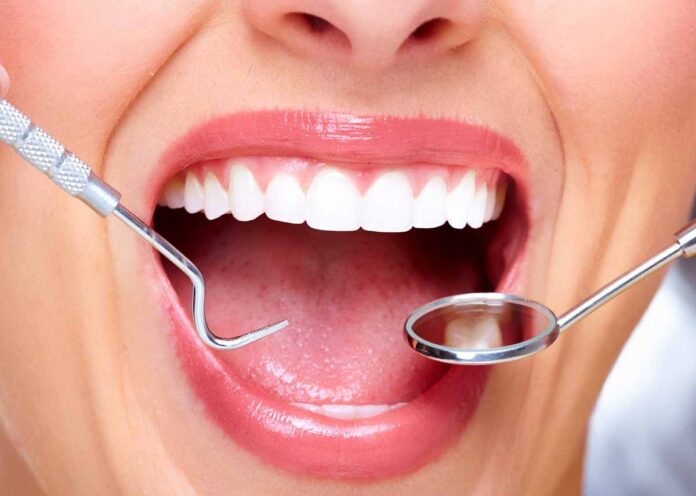
Recovery following dental implant surgery varies among individuals, yet it is generally manageable.
Most patients experience mild swelling, some bruising, and slight discomfort, which can be alleviated with prescribed pain medications.
Adhering to aftercare instructions is paramount for optimal healing, such as avoiding strenuous activities, practicing good oral hygiene, and attending all follow-up appointments.
It’s not uncommon for patients to resume work within a few days, although the full healing process which includes osseointegration can take several months.
Keeping realistic expectations and staying well-informed throughout the recovery journey can lead to a successful outcome, allowing individuals to enjoy the benefits of their new smiles in due time.