Have you ever wondered why so many pieces of furniture survive years of daily use but get damaged during a single move?
Insurance industry data repeatedly shows that most furniture damage happens during transportation, not while furniture is in everyday use. Scratches, cracked legs, torn upholstery, and crushed corners usually come from rushed packing or poor protection choices.
A move puts unusual stress on furniture. Angles change, weight shifts, and surfaces rub together in ways they never do inside a home. Knowing how to protect furniture properly can mean the difference between settling into your new place with ease or dealing with repairs and replacements.
The encouraging part is that most moving damage is preventable with the right preparation, pacing, and protection methods.
Why furniture protection matters more than most people expect
Moving furniture is not just about lifting and loading. It involves managing friction, pressure points, and vibration over time.
Even short moves expose furniture to repeated jolts, narrow doorways, and sudden stops. Wood reacts to temperature changes. Upholstery stretches under tension. Glass and veneer surfaces respond poorly to uneven pressure.
Many people focus on boxes and forget that furniture often represents the highest replacement cost in a home. A scratched dining table or a cracked dresser frame can lose both value and structural strength.
Proper protection reduces repair costs, avoids delays during unloading, and helps furniture remain functional long after the move. Spending extra time on preparation almost always saves time and money later.
Planning furniture protection before moving day
Effective furniture protection begins well before moving day arrives.
Walking through your home and identifying vulnerable pieces helps you choose smarter materials and handling methods. Items with exposed legs, soft finishes, or mixed materials need different care than solid wood cabinets.
For larger moves or tight schedules, working with a Professional Perth Removalist often reduces risk. Experienced crews understand weight distribution, padding placement, and loading order.
Planning also includes measuring doorways, staircases, and truck space. Knowing where furniture will sit inside the truck helps prevent stacking mistakes that lead to crushing or shifting during transit.
Before packing begins, it helps to run through a simple preparation checklist to avoid last-minute decisions:
- Identify high value or fragile furniture early
- Decide which items need full wrapping versus partial padding
- Prepare straps, blankets, and corner guards in advance
Good planning sets the tone for a smoother move with fewer surprises.
Wrapping methods that actually protect furniture surfaces

Wrapping furniture is about creating protective layers, not simply covering items.
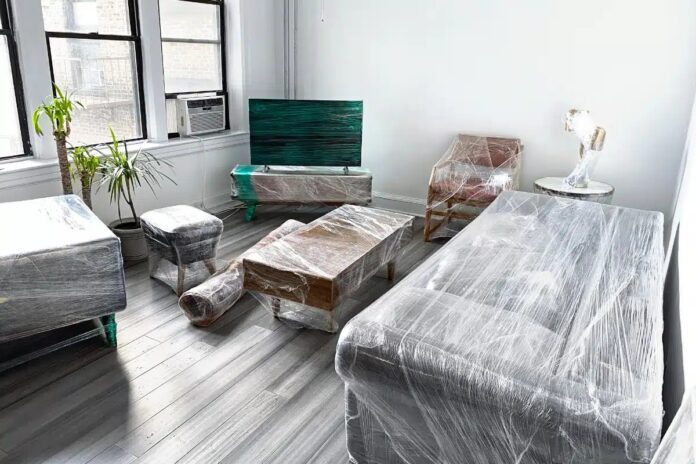
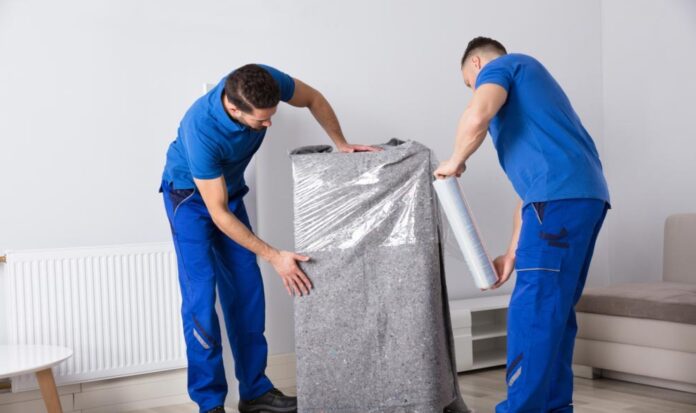
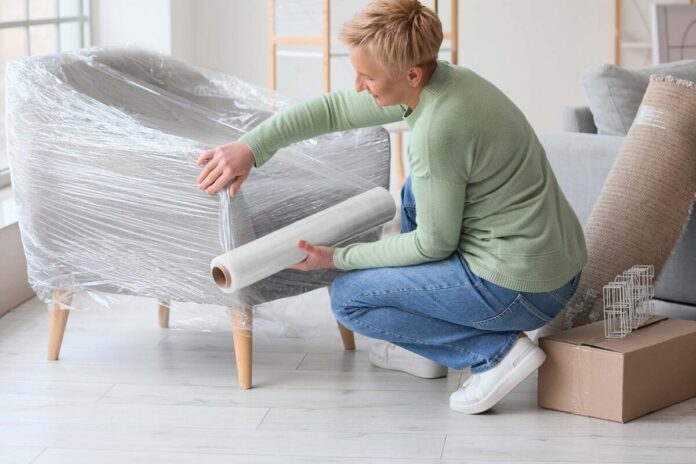
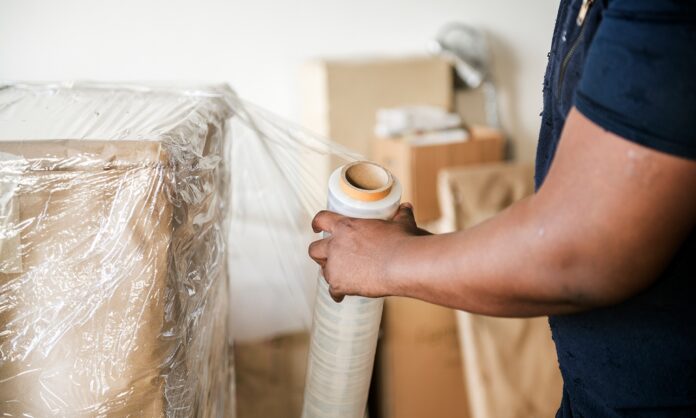
Stretch wrap works well for keeping drawers closed and blocking dust, but it should never touch finished wood directly. A soft layer must always go underneath.
Moving blankets provide excellent cushioning, but they need to be secured properly so they do not slide. Bubble wrap offers impact protection, yet it can trap moisture if used incorrectly.
The most effective wrapping combines materials based on surface type. Flat surfaces need abrasion resistance, while corners need impact protection. Wrapping should feel snug without compressing joints or upholstery.
Loose wrapping allows movement, which leads to rubbing, scratches, and worn finishes during transport.
Plastic wrap placed directly on polished wood can leave permanent marks due to heat and pressure buildup during transit.
Padding techniques for different furniture materials
Padding is one of the most critical steps in protecting furniture during a move.
Different materials respond differently to pressure. Solid wood handles compression better than particleboard. Upholstered furniture needs breathable padding to prevent fabric stretching and moisture buildup. Glass topped pieces require rigid support to prevent flexing.
Effective padding means adding thickness where stress concentrates instead of applying uniform coverage. Legs, arms, edges, and joints need extra attention.
Padding also needs to account for how furniture will be stacked. Vertical placement requires strong edge protection, while flat placement demands top surface shielding.
When applying padding, focusing on key pressure areas makes a noticeable difference:
- Double pad corners and exposed edges
- Use cardboard sheets under blankets on flat surfaces
- Avoid over padding joints that rely on tight fittings
Good padding respects how furniture is built, not just how it looks.
Tie downs and load stability inside the moving truck
Even perfectly wrapped furniture can suffer damage if it shifts during transit.
Tie downs prevent movement during braking, turning, and uneven road conditions. Straps should secure furniture to the truck walls rather than compressing items against each other.
Vertical placement works well for sofas and mattresses when properly strapped. Heavy items should anchor the load at the front of the truck, while lighter furniture belongs higher up but still secured.
Over tightening straps can cause pressure damage. Loose straps allow sliding and tipping. The goal is stability without distortion.
A few practical habits improve load security significantly:
- Secure large items individually when possible
- Use anti slip mats under heavy furniture bases
- Recheck strap tension after the first few kilometers
A stable load protects furniture and makes unloading safer.
Common damage points people overlook during a move
Most furniture damage comes from small, overlooked weak points.
Legs often snap because they are used as lifting handles. Drawer tracks bend when contents shift. Table leaves crack at extension joints. Armrests tear when used as grab points.
Removing legs, shelves, and hardware reduces stress during transport. Taping moving parts prevents sudden motion that strains joints.
Supporting furniture from its strongest structural areas protects both finishes and frames.
Furniture damage most often occurs at joints, corners, and load bearing points where stress concentrates during lifting and transport.
Understanding these weak spots helps guide smarter wrapping and carrying techniques.
Using tables and flat surfaces as load shields
Flat furniture pieces can act as protective barriers when used correctly inside the truck.
Tabletops, bed frames, and cabinet backs can shield softer items if layered properly. Hard surfaces should never press directly against delicate finishes without separation.
Cardboard sheets or foam layers prevent abrasion while allowing even pressure distribution. Flat pieces also help divide the load into stable sections, reducing shifting during transit.
When used thoughtfully, furniture itself becomes part of the protection system rather than a liability.
| Furniture type | Best position | Primary protection |
| Dining tables | Vertical wall | Cardboard plus blanket |
| Bed frames | Side stacked | Foam corners and wrap |
| Cabinets | Upright | Full blanket padding |
Strategic placement improves both safety and space efficiency.
Managing moisture, heat, and long distance moves
Environmental factors play a major role in furniture damage during moves.
Heat can soften finishes and adhesives. Moisture causes swelling, warping, and fabric issues. Long distance moves increase these risks due to extended exposure.
Breathable materials help regulate humidity. Desiccant packs placed inside wrapped upholstery can reduce moisture buildup.
Avoid sealing furniture in plastic for long periods without airflow. For multi day moves, checking load conditions during stops can prevent small issues from becoming major damage.
To reduce environmental risks, a few simple precautions go a long way:
- Use breathable blankets for extended trips
- Never load furniture while damp from cleaning
- Allow airflow around upholstered pieces
Environmental awareness protects furniture beyond physical impact.
Unloading and reassembly without undoing the protection work
The final stage of a move often carries the highest risk due to fatigue.
Removing padding too early exposes furniture to door frames and walls. Always clear pathways before unwrapping items.
Reassemble furniture on protective floor coverings to prevent new scratches. Check joints and fasteners carefully before tightening to ensure proper alignment.
Inspect furniture as it comes off the truck instead of waiting until everything is inside. Early detection allows quicker solutions and less stress.
A careful unloading routine helps preserve all the effort invested earlier:
- Keep padding on until furniture reaches its final position
- Lift from frames rather than legs or arms
- Save wrapping materials until setup is complete
Finishing carefully preserves all the effort invested earlier.
Moving furniture safely depends more on awareness than speed. Each stage, planning, wrapping, padding, securing, and unloading, builds on the last.
When these steps work together, furniture arrives intact and ready for use. Thoughtful protection turns a stressful move into a controlled process and helps ensure your new beginning starts without damage or regret.