

In the unpredictable world of construction, the significance of contractors insurance cannot be overstated. This specialized coverage plays a pivotal role in safeguarding not just the financial health of your business, but also your reputation and ability to take on projects without fear of liability.
Construction sites are inherently risky; accidents can and do happen. From injuries to workers to property damage that occurs during the building process, the potential for costly legal claims looms large. Adequate insurance ensures that contractors have the necessary financial backing to deal with these unforeseen circumstances, minimizing disruptions that can derail both ongoing projects and future opportunities.
Moreover, reputable clients often require proof of insurance before awarding contracts, solidifying insurance’s role as a critical component of credibility in the industry.
Types of Contractors Insurance: Which One is Right for You?
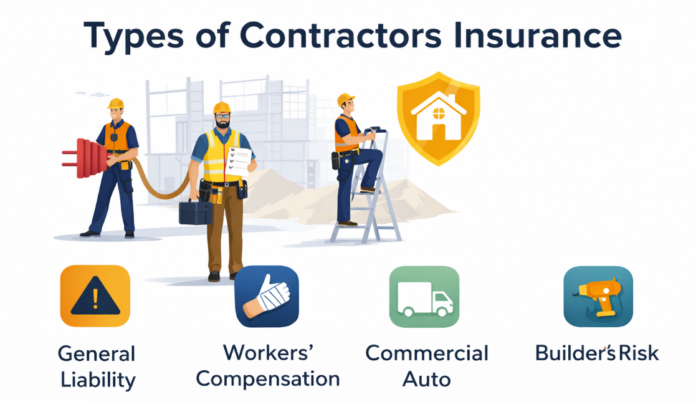
When it comes to insurance, contractors face a plethora of options tailored to their specific needs. Understanding these types can significantly influence not only your costs but also your level of protection.
General liability insurance is essential for protecting against claims of bodily injury or property damage caused during business operations. Workers’ compensation insurance, mandatory in most states, provides benefits to employees injured on the job, helping to address medical costs and lost wages. Furthermore, builder’s risk insurance covers buildings under construction against damages due to incidents like fire or vandalism. Depending on the niche be it residential remodeling, commercial construction, or specialty trades contractors may also consider professional liability insurance to protect against claims of negligence.
Evaluating the nature of your projects, client requirements, and the risks involved will guide you towards selecting the optimal combination of coverage tailored specifically to your operations.
Decoding Insurance Jargon: Key Terms Explained
Insurance policies can often appear as a labyrinth of technical terminology, which may lead to potential miscommunications and overlooked nuances. To navigate this complex landscape efficiently, familiarize yourself with common insurance jargon.
Terms like “deductible,” which is the amount you pay out-of-pocket before insurance kicks in, or “premium,” the regular payment made to maintain coverage, are fundamental concepts that deserve attention. Understanding “exclusions,” which detail instances where coverage does not apply, is particularly important to avoid unexpected surprises during a claim process. Additionally, being aware of “limits of liability,” which refers to the maximum amount an insurer will pay for a covered loss, ensures that you select policies that adequately protect your financial interests.
A thorough comprehension of these terms empowers you to make educated decisions as you navigate the world of contractors insurance.
Strategies to Score Affordable Contractors Insurance

Comparing Quotes: The Smart Way to Shop Around
One of the most effective strategies in securing cheap contractors insurance is to compare quotes meticulously. This practice involves obtaining estimates from multiple insurers, which can vary significantly based on factors such as location, the type of work performed, and the size of your business.
When reviewing quotes, it is essential to compare similar coverages across policies, as differences in limits, deductibles, and exclusions can greatly influence both cost and suitability. Utilize online platforms and direct communication with agents to gather these quotes, and inquire about potential discounts, such as those for safety training or a clean claims history.
Maintaining a detailed spreadsheet can help track distinct offerings, allowing you to identify the options that provide the best value for your specific needs. Moreover, the longer your business has been operating and the stronger your reputation, the greater your leverage in negotiating premiums potentially resulting in lower rates over time.
Bundling Policies: Save More by Combining Coverage
Bundling your insurance policies is another savvy approach to obtaining lower rates. Most insurers offer discounts when multiple policies are purchased together, such as combining general liability with property coverage or adding commercial auto insurance. This not only simplifies your insurance management but also fosters an opportunity for significant savings.
Insurers value long-term customers, and by consolidating your policies, you may benefit from loyalty discounts that will decrease your overall expenditure. Moreover, bundling allows for more streamlined communication with your insurer, reducing the potential headaches when dealing with claims or policy adjustments. However, it is critical to review the complete details of bundled policies to ensure they collectively offer the protection your business needs without unnecessary overlap or gaps in coverage.
Negotiation Tactics: How to Discuss Rates with Insurers

Negotiating insurance rates might initially seem daunting, but it is a common practice in the industry and can yield fruitful outcomes if done strategically. Start by articulating your value as a contractor; emphasize your safety record, experience, and the steps you have taken to minimize risks.
Present this information to your insurer as leverage, indicating that you are a responsible client worthy of lower premiums. Furthermore, don’t hesitate to ask for lower rates; insurance providers often have flexibility in their pricing, especially if you demonstrate a competitive offer from another company. It is also wise to review your policy details and highlight areas where coverage may be excessive; adjusting limits or modifying deductibles can lead to further reductions.
Engaging in open discussions about your needs and concerns positions you favorably, as insurance agents are more inclined to work with clients who are informed and transparent about their expectations.
Enhancing Your Risk Profile: Tips for Lowering Premiums
Safety Practices that Impress Insurers and Save You Money
Implementing robust safety practices not only ensures the well-being of your employees but also significantly impacts your insurance premiums. Insurers assess risk based on safety records, and demonstrating a proactive approach towards accident prevention can earn you discounts and lower rates.
Establishing comprehensive safety protocols, conducting regular training sessions, and ensuring compliance with OSHA standards exhibit diligence and professionalism. Maintaining an updated safety manual and performing frequent site inspections can prove beneficial in reinforcing these safety standards.
Additionally, investing in safety gear or technology, such as automated safety checks or accident prevention software, highlights your commitment to reducing risks. Ultimately, creating a culture of safety within your organization is a win-win; it protects workers and can lead to more favorable insurance terms.
Building a Stellar Business History: The Long-Term Benefits

Your business history plays a crucial role in shaping insurance premiums. Insurers typically favor clients with a demonstrated track record of successful project management and few, if any, claims. Building a stellar reputation within the industry involves several aspects: timely project completions, fostering positive client relationships, and maintaining excellent communication with your workforce and subcontractors.
Over time, cultivating a solid history with minimal claims can position your business favorably with insurance underwriters, thereby reducing risk profiles and encouraging lower premiums. Maintaining thorough documentation of all projects, including safety incidents, can provide essential insights and showcase your business’s commitment to safety and excellence, empowering you during negotiations.
Utilizing Technology: How Digital Tools Can Minimize Risks
In today’s fast-paced digital age, leveraging technology can dramatically enhance project management and reduce risks associated with construction. Innovative tools like project management software facilitate real-time tracking of tasks and progress, improving oversight and enabling timely interventions to prevent accidents.
Additionally, adopting construction drones can enhance site inspection processes by providing aerial views that detect potential hazards only visible from above. Utilizing mobile apps designed for safety training and compliance tracking ensures employees have access to critical information and updates on safety procedures directly at their fingertips, fostering a culture of continuous learning and adherence to safety practices.
By integrating these technological solutions, contractors can not only streamline their operations but also bolster their risk profiles, making them more appealing to insurers.
Common Mistakes to Avoid When Choosing Contractors Insurance

Over-insuring vs. Under-insuring: Finding the Right Balance
One of the most common pitfalls in choosing contractors insurance lies in striking an appropriate balance between over-insuring and under-insuring. Over-insurance wastes resources by necessitating higher premiums for coverage that may never be utilized or necessary, while under-insurance places your financial stability at risk during a claim.
It is crucial to conduct a thorough risk assessment of your business to identify precisely what coverage is essential for your operations. Factors to consider include the scale of projects, the nature of your work, and specific client or industry requirements.
Engaging with an insurance agent or consultant who specializes in contractor insurance can help tailor your coverage to your unique needs, all while avoiding the extremes of excessive or insufficient protections.
Ignoring Policy Exclusions: What to Watch Out For
Taxing as it might be, reading the fine print of insurance policies is imperative for all contractors. Policy exclusions can denote significant gaps in coverage, leaving your business vulnerable in critical situations.
Common exclusions to note may encompass issues such as natural disasters, professional errors, or specific equipment-related accidents. Understanding these limitations allows for better risk management and informs future adjustments or additional coverage needs. When engaging with insurers, request detailed explanations of any exclusions within policies under consideration.
This ensures that you’re fully aware of potential shortfalls and can strategically address them, either through additional coverage or by implementing precautionary measures to mitigate those risks.
The Dangers of Switching Insurers Frequently: Staying Stable
Frequent transitions between insurance providers may seem like a strategy for securing cheaper rates, yet it can often lead to detrimental long-term repercussions. Insurance companies favor stability and often reward loyal customers with discounts for maintaining consistent policies over time.
Additionally, continual shifting can impact your claims history negatively, as new providers may not recognize prior positive claims records, leading to higher premiums. Before making any move, carefully assess the reasoning behind switching insurers. If justified perhaps due to poor service or exorbitant rates ensure you communicate your familiarity with your history and your expectations for the new provider.
Establishing a long-term relationship with an insurer can yield numerous benefits, including better personal service and favorable rates.