
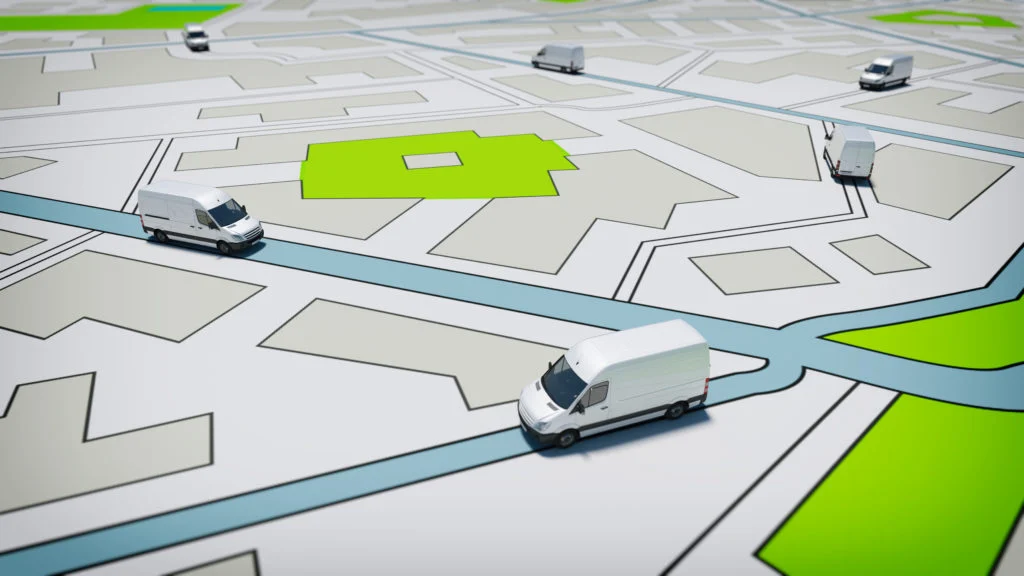
Managing a fleet of vehicles is no small task. Whether you operate cars, vans, trucks, or specialist vehicles, knowing where they are, how they’re being driven, and how efficiently they’re operating is vital for both safety and profitability. This is where fleet tracking comes in. By using technology to monitor and optimise fleet operations, businesses can save time, cut costs, and improve service.
What Is Fleet Tracking?
Fleet tracking, often referred to as vehicle tracking or telematics, is the use of GPS and connected technology to monitor vehicles in real time. It provides detailed information on location, routes, fuel consumption, driver behaviour, and more.
This data is then displayed through a central dashboard, giving fleet managers the ability to make informed decisions and respond quickly to issues.
Key Benefits of Fleet Tracking
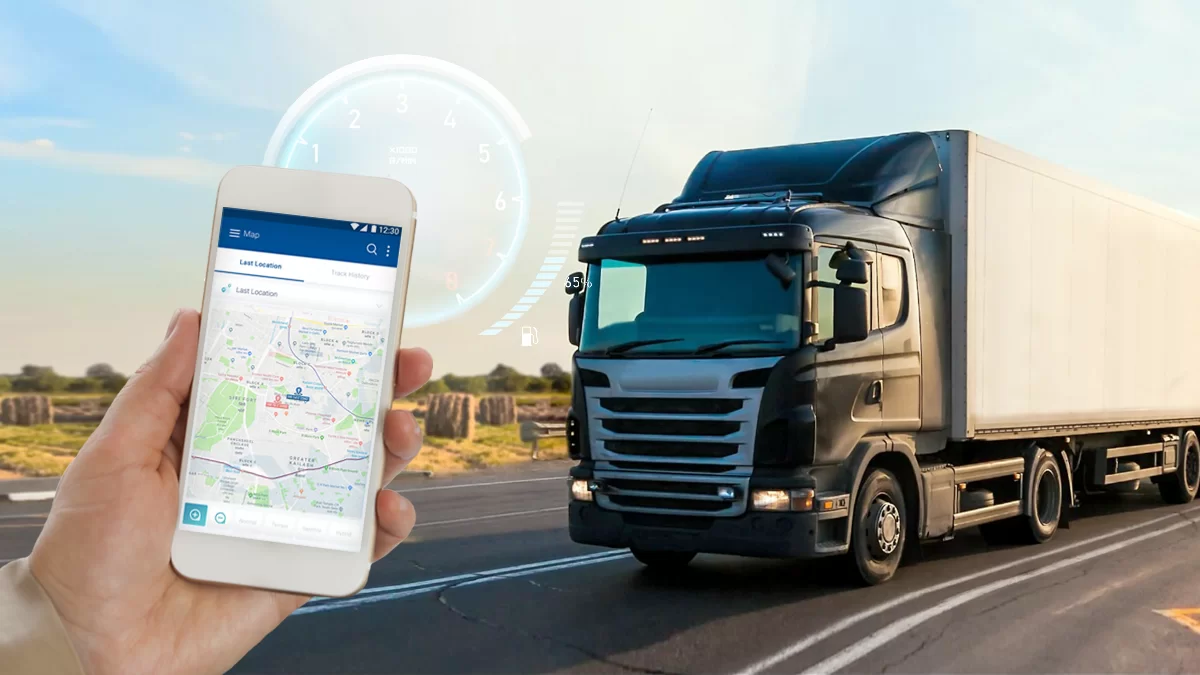
Improved Efficiency
With real-time location tracking, managers can assign the nearest available vehicle to a job, reduce unnecessary mileage, and optimise routes. This not only improves productivity but also saves fuel.
Reduced Costs
Fuel is one of the biggest expenses in fleet management. By monitoring fuel use, idling, and driving behaviour, companies can cut down on waste and lower operating costs.
Enhanced Safety
Fleet tracking helps improve driver behaviour by identifying speeding, harsh braking, and other risky habits. Managers can provide feedback and training, helping to reduce accidents and maintain compliance.
Better Customer Service
Accurate tracking allows businesses to provide customers with real-time updates, more reliable delivery times, and faster response to service requests.
Compliance and Reporting
For industries where regulatory compliance is essential, tracking systems simplify record-keeping by automatically logging hours, mileage, and service history.
How Fleet Tracking Works
Fleet tracking systems combine GPS technology with onboard sensors and mobile connectivity. Data is collected from each vehicle and sent to a central platform, where it is processed and displayed in easy-to-read reports.
Managers can access this data through computers, tablets, or smartphones, ensuring they have visibility wherever they are. Many systems also offer alerts for maintenance schedules, unauthorised use, or unsafe driving.
Features to Look for in a Fleet Tracking System
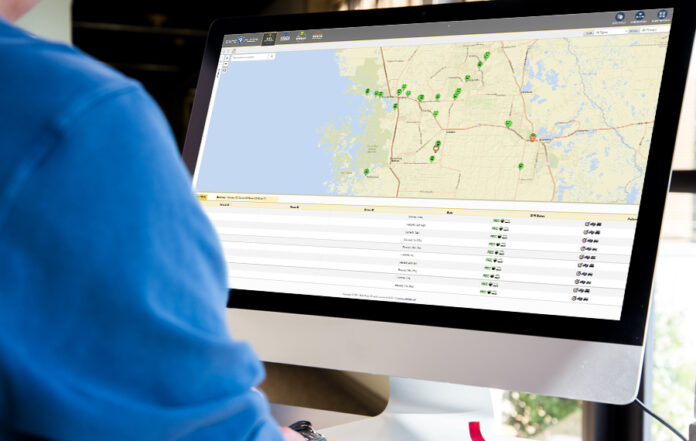
When choosing a fleet tracking solution, consider the following features:
- Real-time GPS tracking for accurate vehicle locations
- Route optimisation tools to reduce travel time and costs
- Driver behaviour monitoring to encourage safer habits
- Fuel usage reporting to identify and cut waste
- Geofencing for alerts when vehicles enter or leave specific areas
- Maintenance scheduling to avoid costly breakdowns
- Integration options with existing business systems
Who Can Benefit from Fleet Tracking?
Fleet tracking isn’t just for large logistics firms. Any business that operates vehicles can benefit, including:
- Delivery and courier companies
- Construction and engineering firms
- Public transport operators
- Taxi and private hire services
- Utilities and service providers
- Waste management companies
Even smaller businesses with just a handful of vehicles can see significant savings and improvements in efficiency.
The Future of Fleet Tracking
Technology in fleet tracking continues to evolve. With the rise of electric vehicles, predictive maintenance, and AI-driven analytics, the possibilities are expanding rapidly. Businesses adopting these technologies now will be well-placed to stay ahead of competitors.
Learn More
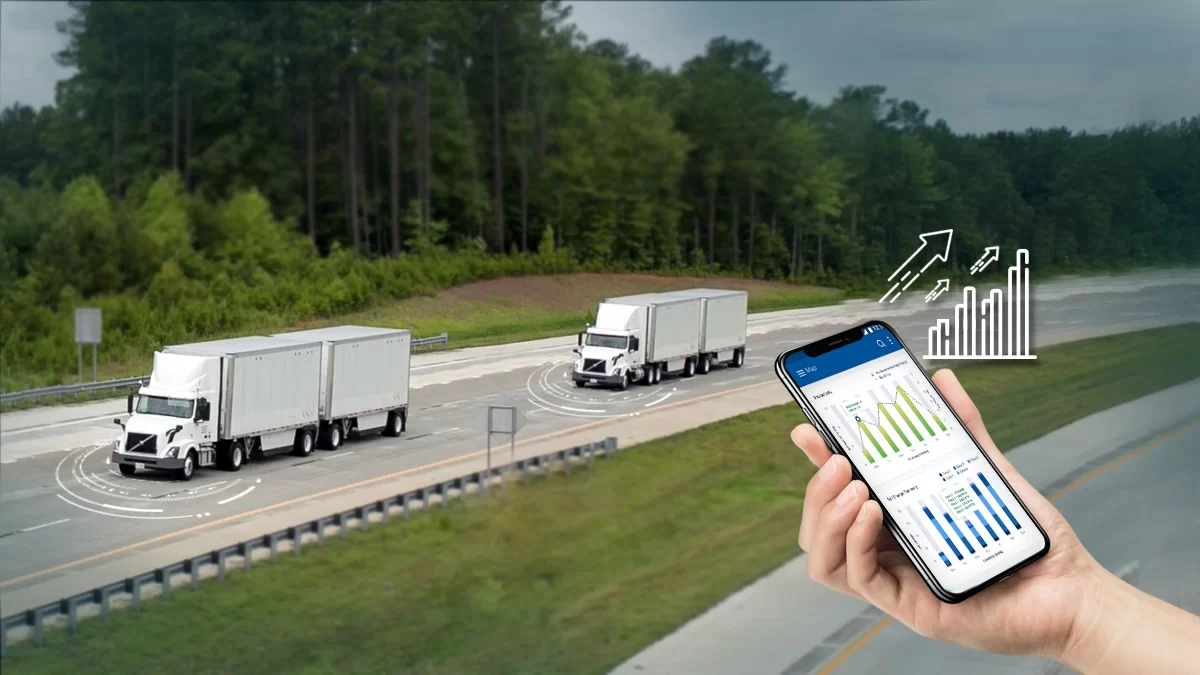
For a deeper look into how tracking technology can transform your fleet operations, the complete guide to fleet tracking is a valuable resource. It explores in detail the features, benefits, and practical steps to implementing a system that works for your business.
Data Security and Privacy Considerations
As fleet tracking relies on real-time data collection, ensuring the security and privacy of this information is critical. Sensitive details such as driver locations, route history, and fuel usage must be protected against cyber threats. Modern tracking solutions often include encrypted communication and secure cloud storage to safeguard this information. Companies should also develop clear policies about data usage and ensure compliance with regulations such as GDPR when operating in the UK and EU.
Environmental Impact and Sustainability
Fleet tracking doesn’t just benefit businesses, it also has a positive environmental impact. By reducing unnecessary mileage and improving fuel efficiency, companies can lower their carbon footprint. Many tracking systems now include sustainability metrics that measure CO₂ emissions, helping businesses demonstrate their commitment to greener practices. As more fleets transition to electric vehicles, tracking software will play a key role in managing charging schedules, battery health, and energy usage.
Training and Change Management for Staff
Successfully implementing fleet tracking requires more than just installing new software; it demands staff engagement and training. Drivers need to understand how tracking improves safety and efficiency without feeling that it’s simply surveillance. Offering training sessions, explaining the benefits, and addressing concerns helps foster trust and cooperation. Fleet managers should also receive training to interpret data effectively and use it to make informed decisions that support business growth.
Conclusion
Fleet tracking is no longer a luxury – it’s a necessity for businesses that want to stay competitive. By improving efficiency, reducing costs, enhancing safety, and delivering better customer service, it provides measurable value across every aspect of fleet management. Whether you manage a handful of vehicles or a nationwide fleet, implementing the right tracking solution can help you achieve greater control, visibility, and profitability.