
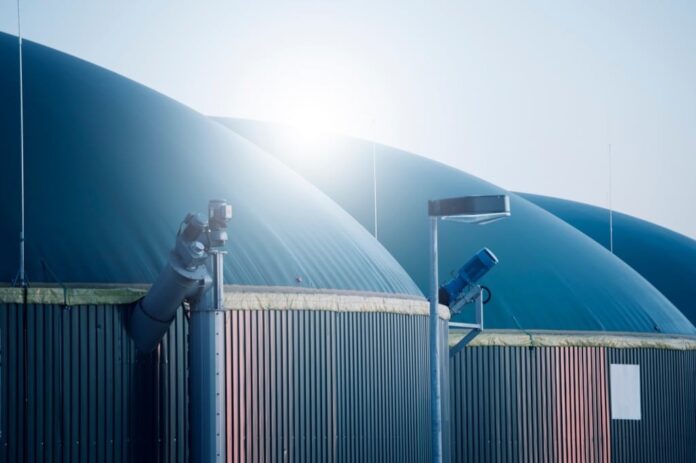
Anaerobic digestion (AD) has become one of the most sustainable solutions for managing organic waste and generating renewable energy.
By converting waste materials into biogas and digestate, it supports the circular economy while reducing greenhouse gas emissions.
However, one of the ongoing challenges in operating an AD plant is the management of odours.
Uncontrolled emissions can impact air quality, create complaints from nearby communities, and harm the public image of the facility.
Implementing robust odour control for anaerobic digestion systems is therefore essential—not only for regulatory compliance but also for maintaining safe and efficient plant operations.
Understanding Anaerobic Digestion and Its Odour Sources
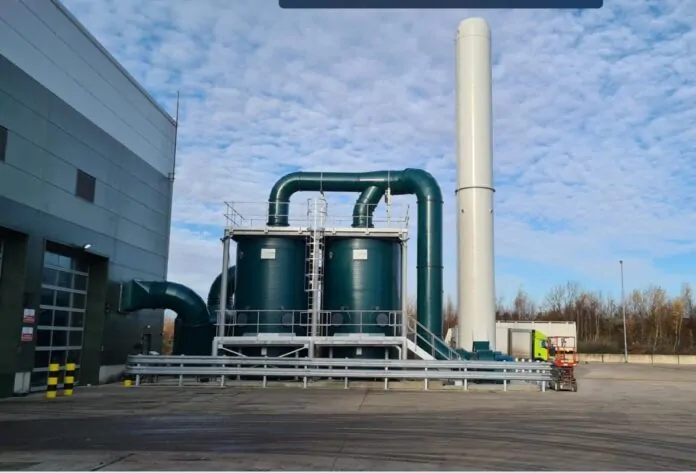
Anaerobic digestion is a natural biological process that breaks down organic material—such as food waste, agricultural residues, and sewage sludge—in the absence of oxygen.
The process produces biogas (a mix of methane and carbon dioxide) and digestate, a nutrient-rich by-product that can be used as fertiliser.
While the process itself is beneficial, the breakdown of organic matter releases volatile compounds that can cause unpleasant odours if not properly contained or treated. These compounds include:
- Hydrogen sulphide (H₂S): A highly odorous gas with a rotten egg smell, often produced during digestion of sulphur-containing materials.
- Ammonia (NH₃): Emitted from nitrogen-rich feedstocks and digestate handling.
- Volatile organic compounds (VOCs): Including organic acids, aldehydes, and ketones, which contribute to overall odour intensity.
- Mercaptans and other sulphur compounds: Extremely potent, even in very low concentrations.
Odours typically originate from feedstock reception areas, pre-treatment zones, digesters, gas storage systems, and digestate storage or drying processes.
The Importance of Odour Control in AD Plants
1. Environmental Protection
Uncontrolled odour emissions can affect local air quality and contribute to the release of harmful gases. Effective control systems help maintain clean air and support environmental sustainability.
2. Regulatory Compliance
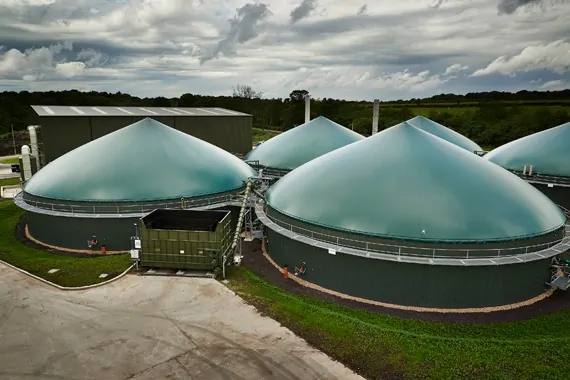
The Environment Agency requires operators of AD plants to manage odour under their Environmental Permit. Regular monitoring and mitigation measures are expected to demonstrate compliance with UK odour management standards.
3. Community Relations and Reputation
Odour complaints from nearby residents can lead to investigations, enforcement action, or even operational restrictions. Investing in odour control helps preserve positive relationships with the local community and protects the operator’s reputation.
4. Operational Safety and Staff Welfare
High concentrations of gases like hydrogen sulphide and ammonia can be harmful to workers. Proper ventilation and extraction systems ensure a safe and comfortable working environment within the plant.
Common Odour Control Methods in Anaerobic Digestion
1. Localised Extraction and Ventilation Systems
Capturing odorous air at the source is one of the most effective ways to manage emissions. Local extraction systems use hoods, ductwork, and fans to collect contaminated air from feedstock hoppers, digestate tanks, and other critical points.
Once extracted, the air is channelled into filtration or scrubbing systems for treatment before release. Modern systems are designed to balance airflow rates to ensure effective capture without disrupting process stability.
2. Biofiltration
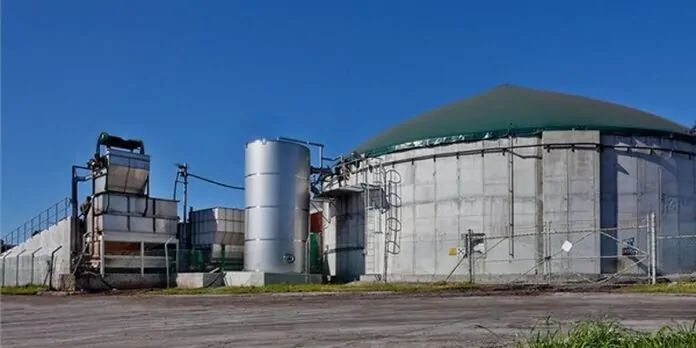
Biofilters use naturally occurring microorganisms to break down odorous compounds. Contaminated air passes through a filter bed made of organic media such as wood chips or compost. Microbes on the surface metabolise the odorous compounds, converting them into harmless substances like water and carbon dioxide.
This method is environmentally friendly and cost-effective for treating large volumes of low-concentration odorous air.
3. Chemical Scrubbers
For higher concentrations or specific gases such as ammonia and hydrogen sulphide, chemical scrubbing systems are often used. These involve passing the odorous air through a tower where it comes into contact with a reactive liquid—typically an acid, alkali, or oxidising agent—that neutralises the pollutants.
4. Activated Carbon Filtration
Activated carbon filters adsorb odorous molecules onto their porous surfaces. They are particularly effective for removing residual odours or VOCs after other treatment stages.
5. Enclosure and Containment
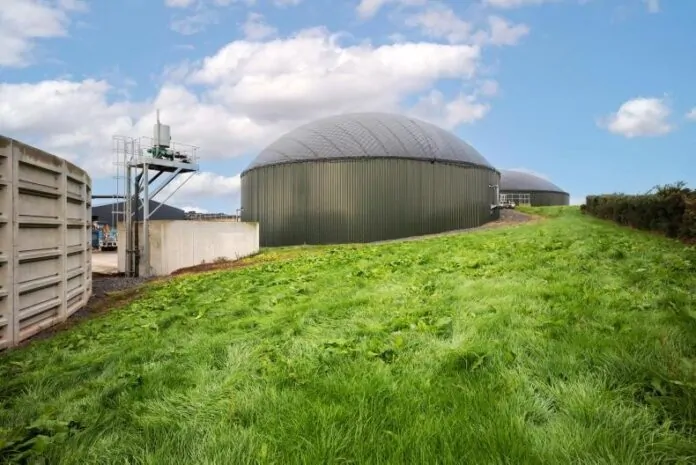
Where odour generation is unavoidable—such as in feedstock tipping or digestate dewatering—fully enclosing the area and integrating extraction systems helps prevent odour escape.
Designing an Effective Odour Control System
Every anaerobic digestion plant is different, and odour control solutions must be tailored to each site’s feedstocks, layout, and operational processes. A well-designed system considers:
- Airflow balance: Ensuring enough extraction to capture odours without drawing excess air into digesters.
- Source identification: Mapping all potential emission points, from reception halls to storage tanks.
- Treatment technology selection: Matching system type (biofilter, scrubber, etc.) to the specific gases emitted.
- Maintenance access: Designing for easy inspection, cleaning, and media replacement.
- Energy efficiency: Using variable-speed fans and low-energy filtration where possible.
Partnering with a specialist provider ensures your odour control system is both technically effective and compliant with UK environmental standards.
Monitoring and Maintenance
Even the most advanced odour control systems require regular monitoring and upkeep to maintain performance.
Key maintenance tasks include:
- Checking fan speeds and airflow rates
- Inspecting ductwork for leaks or blockages
- Replacing filter media or scrubber solutions
- Monitoring odour levels through field sniff tests or electronic sensors
Routine maintenance not only extends the lifespan of the system but also prevents costly downtime or compliance issues.
The Role of Exeon in Odour Control Solutions
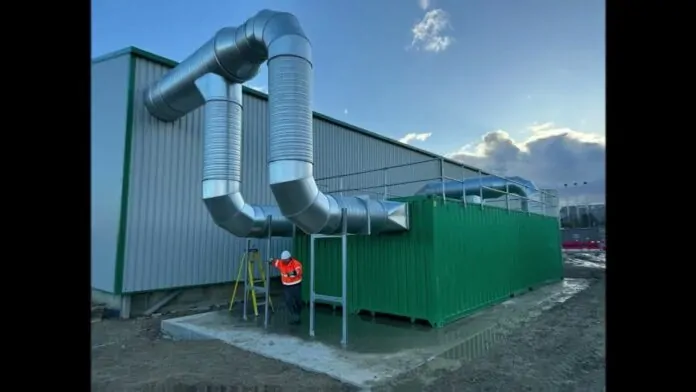
When it comes to designing and implementing tailored odour management systems, Exeon is a trusted UK expert.
Exeon specialises in bespoke odour control for anaerobic digestion plants, combining advanced extraction and filtration technologies to deliver reliable and compliant solutions.
Their systems are designed to handle complex emissions from multiple sources within an AD facility—ensuring clean air, safe working conditions, and full regulatory compliance.
Typical Exeon odour control systems include:
- Localised extraction and ducting for feedstock handling areas
- Chemical or biological scrubbers for gas treatment
- Enclosures and negative-pressure ventilation for containment
- Carbon polishing filters for final air purification
Their end-to-end approach includes consultation, system design, installation, commissioning, and long-term maintenance.
Each solution is tailored to site-specific needs and built with energy efficiency and longevity in mind.
Case Example: Odour Management in Food Waste AD Plants
Food waste digesters are among the most odour-intensive operations due to the decomposition of organic matter before and during digestion.
Exeon’s engineered extraction systems target critical points such as reception pits, conveyors, and pre-treatment tanks.
By capturing air at the source and directing it through multi-stage filtration—including biofiltration and activated carbon polishing—plants can significantly reduce odour emissions.
This not only helps maintain regulatory compliance but also prevents nuisance odours from affecting neighbouring communities.
Environmental and Commercial Benefits
Beyond compliance, effective odour control systems offer several broader advantages:
- Enhanced public image: Demonstrating commitment to environmental responsibility.
- Operational efficiency: Reducing gas leaks and improving plant performance.
- Staff retention: Creating safer, more pleasant working conditions.
- Sustainability: Using low-energy filtration and biological treatment methods supports greener operations.
Investing in proper odour management is therefore both a regulatory requirement and a strategic decision that strengthens long-term sustainability.
Conclusion
Odour control is a critical element of running a successful and responsible anaerobic digestion facility. Without it, plants risk operational issues, community complaints, and potential breaches of environmental legislation.
By working with experienced specialists like Exeon, AD operators can implement robust and efficient odour control for anaerobic digestion systems that protect the environment, safeguard employees, and uphold their reputation.
From design to ongoing support, Exeon provides complete solutions that keep your plant running cleanly, compliantly, and confidently—proving that sustainability and operational excellence truly can go hand in hand.