

Male vitality depends on the stability of hormonal systems, and the most direct explanation is that nutritional supplements help restore the vitamins, minerals, and plant compounds required for natural testosterone production. When the body lacks these nutrients, testosterone falls, energy drops, and recovery slows.
When these gaps are filled, hormonal pathways operate more efficiently. Men often experience a gradual but noticeable rise in stamina, mood stability, libido, and mental clarity. In a world where stress, processed food, low sunlight exposure, and inconsistent sleep are common, supplementation becomes a practical and often necessary tool for maintaining hormonal balance.
Hormones regulate everything from metabolism and muscle repair to drive, concentration, and reproductive function. Testosterone in particular influences red blood cell creation, protein synthesis, fat distribution, and overall motivation. Even moderate declines can affect the way a man feels and performs. Because testosterone interacts with so many other internal systems, even a minor disruption in nutrient intake can affect the entire hormonal network.
Why Hormonal Stability Matters for Male Performance

Hormonal balance shapes how efficiently the body handles energy, recovery, and everyday stress. When testosterone drops, the most noticeable changes appear in energy levels, mood, libido, and physical performance. Many men describe symptoms gradually, often without realizing the connection to nutrient deficiencies. A shorter attention span, slower morning energy, or frequent irritability may not feel severe, but these early signs often point to imbalances in micronutrients like zinc, magnesium, and vitamin D3.
The impact of these changes becomes clearer when viewed through measurable patterns. Below is a simple overview of how common symptoms connect to underlying hormonal issues.
Early Symptoms and What They Indicate
|
Symptom |
Likely Cause |
Hormonal Effect |
| Persistent fatigue | Low magnesium or B vitamins | Reduced energy metabolism |
| Irritability | Elevated stress hormones | Lower testosterone conversion |
| Low libido | Zinc or vitamin D deficiency | Impaired testosterone synthesis |
| Slow muscle recovery | Lack of micronutrients | Reduced protein synthesis |
| Brain fog | Poor sleep or low B vitamins | Weaker neural stability |
These symptoms do not appear overnight. They develop gradually when the body lacks the nutrients needed to maintain hormonal equilibrium. Supplements help restore these missing elements and support the body’s natural ability to produce testosterone.
Core Nutrients That Influence Male Vitality
Zinc is one of the most essential minerals for men. It supports the enzymes responsible for testosterone production and plays a direct role in reproductive health. Low zinc levels correlate strongly with reduced testosterone and poorer sperm quality, which is why supplementation often produces quick improvements when deficiency is present.
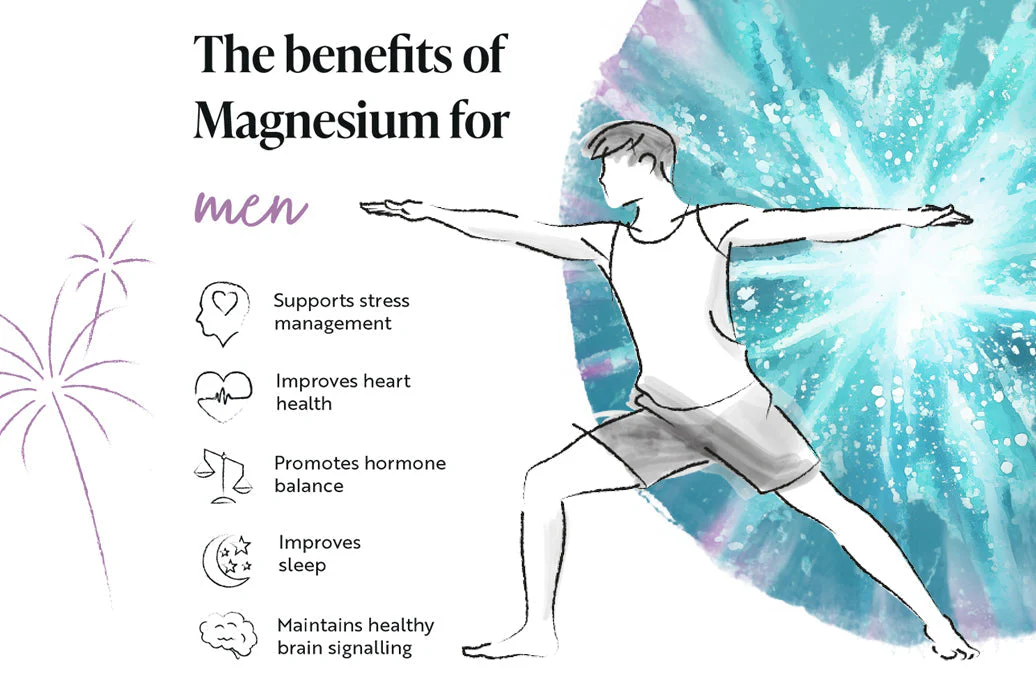
Magnesium is another key nutrient because it regulates sleep cycles, stabilizes stress hormones, and increases the amount of bioavailable testosterone in the bloodstream. Many men consume too little magnesium due to modern diets, which makes supplementation an important part of restoring balance.
Vitamin D3 behaves more like a hormone than a vitamin. Its receptors are found in tissues involved in testosterone regulation, and low vitamin D levels frequently accompany reduced testosterone output. Men who spend most of their day indoors or live in regions with limited sunlight are especially likely to benefit from restoring vitamin D.
B vitamins support the nervous system, energy metabolism, and stress response. When chronic stress elevates cortisol, testosterone tends to drop. Adequate B vitamins help maintain a healthier balance between stress and recovery.
Key Nutrients and Their Hormonal Impact
|
Nutrient |
Primary Function |
Impact on Male Vitality |
| Zinc | Supports hormone enzymes | Restores testosterone synthesis |
| Magnesium | Regulates sleep and stress | Increases free testosterone |
| Vitamin D3 | Hormone precursor | Improves hormonal balance |
| B vitamins | Nervous system support | Stabilizes energy and mood |
Herbal Extracts That Support Natural Hormonal Pathways
Beyond essential minerals and vitamins, several herbal extracts have gained recognition for their influence on stress levels, energy metabolism, and hormonal regulation. Ashwagandha is widely known for lowering stress hormone levels, which protects testosterone from cortisol-induced suppression. Fenugreek supports libido, strength, and vitality, particularly in men who exercise regularly. Tribulus terrestris is traditionally used for performance and drive, while ginseng supports circulation, cognitive function, and overall stamina.

These extracts do not override natural hormone production. Instead, they improve the internal conditions that allow these systems to function more efficiently. Combined with micronutrients, they create a strong foundation for hormonal stability.
Botanical Ingredients and Their Benefits
|
Herb |
Main Role |
Potential Benefits |
| Ashwagandha | Stress regulation | Higher testosterone, better recovery |
| Fenugreek | Performance support | Improved libido and vitality |
| Tribulus | Traditional vitality herb | Enhanced physical drive |
| Ginseng | Energy and focus | Improved stamina and mood |
Concrete Midpoint Explanation
The most practical conclusion is that nutritional supplements support male vitality by correcting deficiencies that weaken hormone production. When zinc, magnesium, vitamin D3, and key herbal extracts are consistently replenished, testosterone stabilizes, energy improves, and the entire hormonal system operates more efficiently. This process is natural, gradual, and rooted in biochemistry rather than artificial stimulation.
A formula designed with these principles in mind is the macho testosterone supplement, which combines essential nutrients and plant extracts to support natural hormone function. Supplements like this help restore the nutritional base that modern habits often erode.
Lifestyle Factors That Influence Supplement Effectiveness
Sleep plays one of the most important roles in hormonal balance. Testosterone production peaks during deep sleep, and even a few days of poor rest can significantly reduce output. Supplements that support relaxation and recovery, such as magnesium or ashwagandha, work best when combined with consistent sleep patterns.
Strength training is another powerful hormone booster. Resistance exercises stimulate testosterone release and improve the body’s sensitivity to it. When supported with proper nutrient intake, men recover faster and gain more from their workouts.

Stress levels have a major impact on hormonal health. Chronic stress elevates cortisol, which suppresses testosterone. Adaptogenic herbs help balance this system, but long-term benefits come from combining them with manageable daily routines.
Diet remains a crucial factor. Testosterone is synthesized from cholesterol, meaning that extremely low-fat diets can limit hormone production. A balanced intake of proteins, healthy fats, and whole foods ensures that supplements can perform effectively.
Lifestyle Factors and Their Hormonal Effects
|
Factor |
If Neglected |
When Optimized |
| Sleep | Lower testosterone output | Strong hormonal production |
| Strength training | Weak muscle signaling | Better recovery and vitality |
| Stress management | Elevated cortisol | Stable mood and hormones |
| Balanced diet | Poor nutrient absorption | Strong metabolic function |
Conclusion
Male vitality is not shaped by one factor but by a combination of nutrient availability, hormonal balance, and daily habits. Supplements help restore key nutrients that support testosterone production, energy metabolism, and cognitive stability.
When micronutrient gaps are filled and herbal extracts help regulate stress and recovery, men often experience more consistent energy, stronger performance, clearer thinking, and healthier hormonal patterns. The most effective results come when supplementation works together with sleep, nutrition, and training to support the body’s natural systems.