
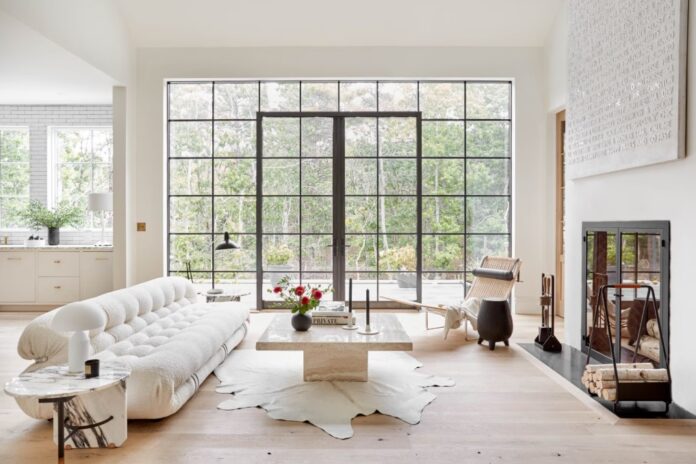
Refinement in a home rarely comes from obvious signals. It comes from decisions that are easy to overlook until they are missing. When a space feels calm, balanced, and considered, it usually means someone paid attention to how materials meet, how light moves, and how everything relates to everything else.
A lot of people assume high-end interiors are about expensive pieces. In reality, it is more about consistency, restraint, and precision. Even simple rooms can feel elevated when details are handled properly. What follows is a breakdown of the interior elements that consistently shape that feeling, based on real design principles rather than trends.
Small Interior Decisions Matter More Than Big Ones
When you walk into a well-designed space, nothing feels forced. That effect comes from alignment between materials, proportions, and light. It is not about adding more, but about removing friction between elements.
In a properly resolved high end interior, transitions are smooth. Lines are clean. Surfaces feel intentional. According to design research, luxury is defined less by cost and more by harmony between materials, lighting, and craftsmanship.
One overlooked area is architectural detailing, especially doors and joinery. The way a door sits within a wall, the thickness of its frame, and how it aligns with adjacent surfaces all affect how refined a space feels. If you look at examples of a carefully executed high end interior, you will notice that doors are treated as part of the architecture, not just functional objects.
This is where refinement starts to become visible. Not in decoration, but in construction decisions.
Material Quality and Surface Consistency
Materials carry most of the visual weight in a space. The key is not variety, but control.
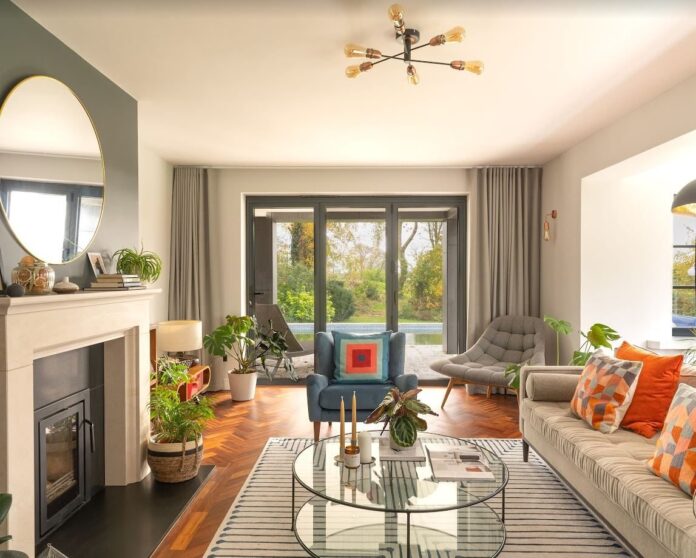
High-end interiors typically limit the number of primary materials and repeat them consistently. This creates continuity from room to room. Research shows that natural materials like wood, stone, and high-quality textiles are commonly used because they offer both durability and visual depth.
A simple way to evaluate material quality is to look at how surfaces respond to light. Better materials tend to have depth rather than flatness.
Common choices that support a refined feel:
- Solid wood instead of veneer where possible
- Stone with subtle variation rather than heavy patterning
- Textiles with visible weight and structure
- Metals with a soft finish rather than high gloss
Consistency matters more than luxury labels. If materials shift too often, the space starts to feel fragmented.
Lighting as a Structural Element, Not Decoration
Lighting is often treated as an afterthought, but in refined homes it is planned early and used to shape the space.
Layered lighting is essential. This means combining ambient, task, and accent lighting so the room works at different times of day. Studies in interior design highlight that layered lighting adds depth and helps define architectural features.
| Lighting Type | Purpose | Placement |
| Ambient | General illumination | Ceiling, concealed strips |
| Task | Functional use | Desks, kitchen counters |
| Accent | Highlight details | Artwork, textures |
What matters is balance. No single source should dominate. The goal is to let light reveal materials and surfaces gradually rather than evenly flooding the room.
After installing the lighting, dimmers and temperature control become just as important. They allow the same space to shift throughout the day without changing anything physically.
Joinery and Built-In Elements
Custom joinery is one of the clearest indicators of refinement, even though it is rarely the first thing people notice.
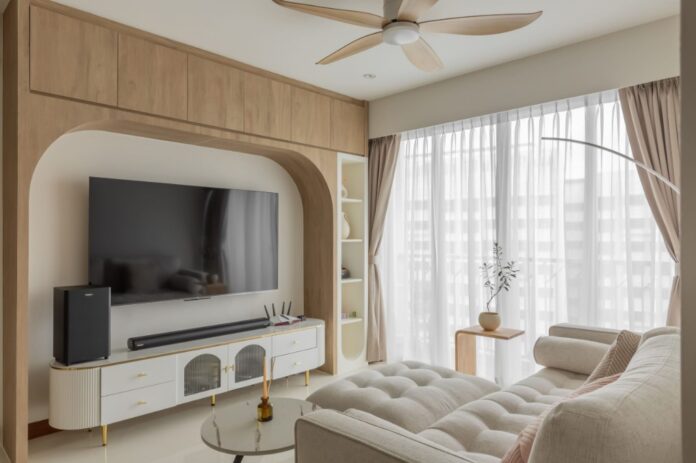
Built-in elements create continuity. They remove visual clutter and allow walls, storage, and architecture to feel integrated. According to design experts, bespoke joinery and precision craftsmanship are central to high-end interiors because they eliminate gaps and inconsistencies.
There are a few practical principles behind this:
- Storage should align with wall geometry, not interrupt it
- Cabinet lines should be flush wherever possible
- Handles and openings should feel consistent across rooms
A well-designed built-in system reduces the need for additional furniture. This keeps the space clear and controlled.
Well-executed joinery is less about decoration and more about removing visual noise. When surfaces align cleanly, the room feels quieter and more resolved.
Color Restraint and Tonal Balance
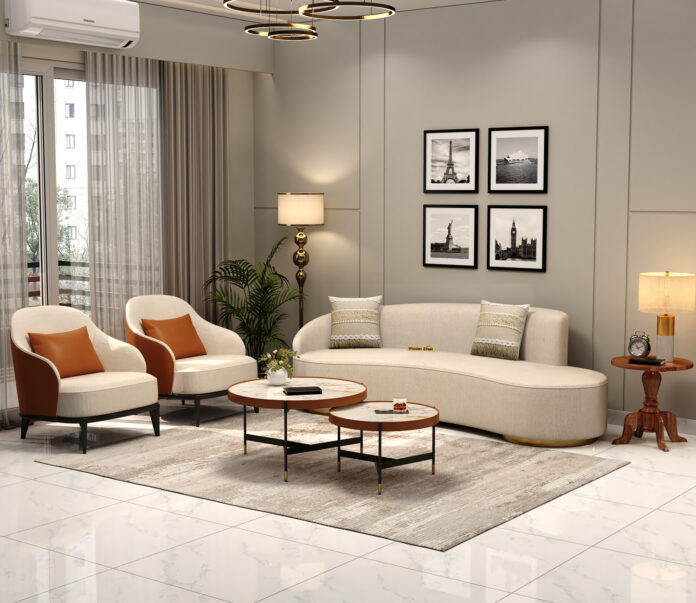
Color plays a role, but not in the way most people expect. Refined interiors usually rely on a narrow palette.
Neutral tones are often used because they allow materials and craftsmanship to stand out. Designers note that when color is reduced, attention naturally shifts to texture, joinery, and detail.
This does not mean everything should be the same color. The difference comes from tonal variation rather than contrast.
A typical approach might include:
- A base tone across walls and large surfaces
- Slightly darker or lighter variations in upholstery
- Small accents introduced through natural materials
The key is that transitions between tones feel gradual. Sharp contrasts tend to break the sense of continuity.
Spatial Clarity and Controlled Layouts
Refinement is closely tied to how space is used. A well-designed room does not feel crowded, even when it contains many elements.
Layout decisions should prioritize movement and proportion. Furniture should relate to the architecture rather than sit independently. Research shows that luxury interiors balance aesthetics with function, ensuring comfort without excess.
One useful way to think about layout is through spacing:
- Leave enough room between pieces for easy movement
- Align furniture with architectural lines where possible
- Avoid filling every corner
Negative space is not empty space. It allows the eye to rest and helps important elements stand out.
Texture and Layering Without Excess
Texture adds depth, but it needs to be controlled. Too many competing textures can make a space feel unresolved.
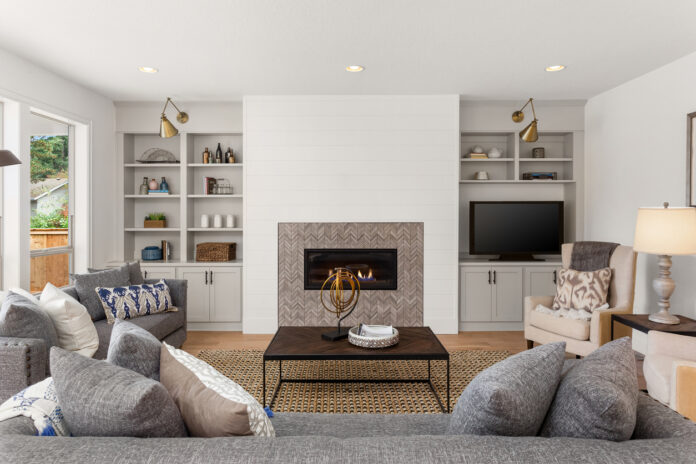
Layering works best when textures differ in weight but stay within the same palette. For example, combining smooth stone, soft fabric, and matte wood can create contrast without visual conflict.
Recent design insights highlight that layering is effective when materials, light, and surfaces are combined intentionally rather than randomly.
A simple guideline is to limit each room to a few distinct textures:
- One dominant surface, such as flooring or walls
- One soft element, like upholstery or curtains
- One accent texture, such as metal or stone
This keeps the composition clear while still adding depth.
Technology That Stays Invisible
Modern homes often include advanced systems, but in refined interiors, these are integrated quietly.
Technology should support comfort without drawing attention. This includes lighting controls, climate systems, and audio solutions that are built into the architecture. Industry insights show that invisible integration is a defining feature of contemporary high-end interiors.
Visible devices can disrupt the visual flow. Whenever possible, controls and hardware should be minimized or concealed.
This approach keeps the focus on materials and space rather than equipment.
Final Thoughts
A refined home is not defined by how much is added, but by how carefully everything is resolved. Materials are consistent. Lighting is layered. Joinery is precise. Nothing feels accidental.
Most of these decisions are subtle. They require planning rather than decoration. When done well, the result is a space that feels calm, balanced, and complete without needing to prove it.
If you focus on these elements one by one, the overall effect builds naturally.