

Modern cars routinely reach 250,000 km to 300,000 km when maintained correctly. The concrete answer is that engine load, oil quality, clean operating conditions, and consistent maintenance schedules determine almost the entire lifespan of today’s vehicles. When these areas stay under control, long-term reliability becomes predictable. When they are ignored, even premium models age prematurely.
This article breaks down each factor clearly, gives actionable steps, and presents tables that help owners understand what truly matters for long-term durability.
What Most Determines Car Lifespan?
A Clear Overview
|
Factor |
Importance Level |
Why It Matters |
| Engine stress | Very high | Heat and friction accelerate wear |
| Oil and fluid quality | Very high | Protects every moving component |
| Environmental exposure | High | Causes rust, oxidation, and seal damage |
| Suspension health | Medium | Affect the structure and tire longevity |
| Electronics and sensors | Medium | Incorrect readings create hidden stress |
| Cleaning and detailing | Medium | Prevent long-term corrosion and grime buildup |
Most early failures come from friction, heat, dirty conditions, and postponed servicing, not from manufacturing defects.
1. Engine Load and Real-World Driving Conditions
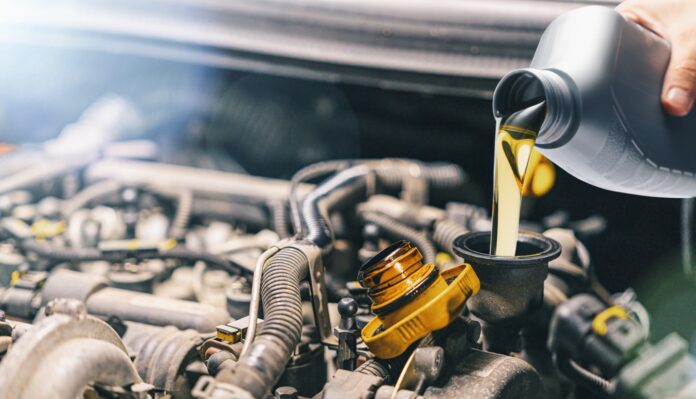
Engines are built with specific tolerances. Anytime driving conditions consistently exceed those tolerances, wear accelerates. High city traffic, constant cold starts, towing without proper equipment, or aggressive acceleration all add stress.
Main stress factors include:
- Engine running below optimal temperature
- Stop-and-go driving with limited airflow
- High RPM acceleration on a cold engine
- Heavy loads or towing without preparation
When these patterns become a daily routine, internal components wear faster, oil degrades sooner, and fuel efficiency drops.
How to Manage Engine Stress
- Let the engine reach normal temperature before heavy acceleration
- Use a gradual throttle for the first 5–10 minutes of driving
- Avoid repeating the same high-RPM patterns
- Plan routes that reduce unnecessary cold starts
- Service the engine earlier if you drive mostly in the city
These habits slow down internal wear and keep long-term performance stable.
2. Fluids and Filters ─ Silent Components with Massive Importance
Modern engines depend on clean, stable fluids. Oil loses viscosity over time, coolant becomes corrosive, brake fluid absorbs moisture, and transmission fluid loses friction modifiers.
Typical Fluid Intervals and Their Importance
| Fluid | Replacement Interval | What Happens When Ignored |
| Engine oil | 7,000–12,000 km | Sludge formation, worn bearings |
| Coolant | Every 3–5 years | Overheating, corrosion in the radiator |
| Brake fluid | Every 2 years | Reduced braking power, rust in the system |
| Transmission fluid | 60,000–90,000 km | Harsh shifting, gearbox wear |
| Air filter | Yearly | Reduced power, higher fuel consumption |
Key Principle
Fluids must be changed before breakdown begins, not after symptoms appear.
This is one of the biggest differences between cars that last and cars that age early.
3. Electronics, Sensors, and Software Stability
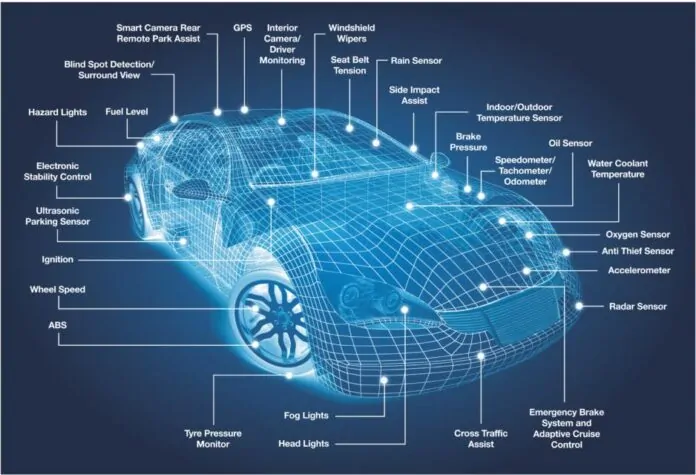
Cars today rely heavily on digital systems. A failing sensor can cause long-term mechanical damage without any obvious early signs.
Common examples include:
- A worn oxygen sensor causing an overly rich fuel mixture
- A weak battery causing unstable voltage to modules
- A malfunctioning MAF sensor reducing engine efficiency
- Faulty temperature sensors causing overheating
A battery test once or twice per year and immediate diagnosis of warning lights can prevent major downstream issues.
4. Environmental Exposure, Corrosion and Dirt Buildup
Salt, moisture, UV rays and accumulated dirt age a vehicle’s structure, paint, and interior. Rust is still the number one killer of long-term vehicle lifespan, especially in cities with winter salt use.
Why Regular Cleaning Matters
- Removes salt and moisture that accelerate rust
- Protects paint from oxidation
- Keeps rubber seals soft and functional
- Prevents buildup under the wheel arches and underbody
- Reduces long-term damage to suspension and exhaust systems
Professional detailing is not only cosmetic. It prevents the slow environmental degradation that shortens lifespan.
In climates with regular rain or road salt, owners often rely on mobile valeting Manchester to keep cars in clean operating condition. This removes friction points, extends paint protection, and maintains interior materials that typically degrade with time.
5. Suspension and Undercarriage ─ The Parts Owners Forget About
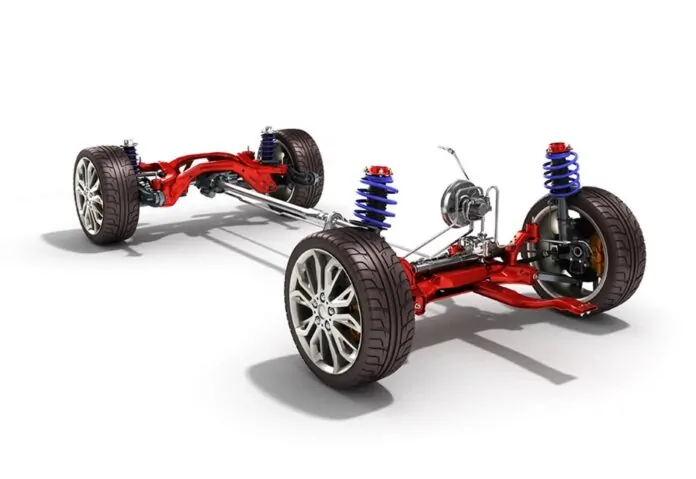
A strong suspension protects the entire chassis. When shocks or bushings wear out, the frame, steering system, and tires take more impact.
Suspension Wear Table
| Component | Signs of Wear | Long-Term Risk |
| Shocks | Nose dive, bouncing | Structural vibration, tire wear |
| Bushings | Clunking, unstable ride | Misalignment, premature joint wear |
| Ball joints | Loose steering | Dangerous front-end instability |
| Anti-roll bar links | Squeaks, poor handling | Reduced cornering stability |
Servicing these parts early costs far less than repairing problems caused by prolonged neglect.
6. Tires, Alignment, and Rolling Resistance
Tires govern traction, fuel use, noise level, and how much work suspension components must do. Poor alignment creates uneven wear patterns that damage wheel bearings and steering parts.
Tire Care Checklist
- Check inflation monthly
- Rotate tires every 10,000–15,000 km
- Perform alignment at least annually
- Replace tires before the tread reaches 3 mm
Tires in good condition reduce mechanical strain on the entire vehicle.
If you want the single clearest formula for car longevity: keep the engine clean inside with fresh fluids, keep the car clean outside to prevent corrosion, and avoid unnecessary mechanical stress. These three pillars alone determine most long-term outcomes.
7. Driving Style Makes or Breaks Lifespan
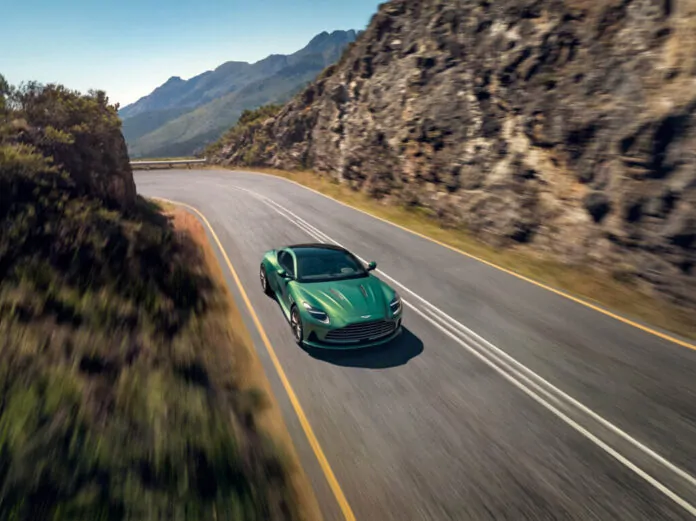
Even with perfect maintenance, daily driving habits have an enormous impact.
Habits That Extend Lifespan
- Smooth acceleration instead of full-throttle bursts
- Early, controlled braking
- Keeping steady highway speeds
- Avoiding deep potholes and fast cornering
- Limiting idling in extreme heat or cold
Fleet data consistently shows that drivers with smoother habits achieve dramatically higher mileage over the same vehicle models.
8. Maintenance Discipline ─ The Most Important Long-Term Practice
Every vehicle has a service schedule built to prevent mechanical failure. When owners skip timing belt intervals, postpone oil changes, or ignore slow coolant leaks, the vehicle loses years of usable life.
Maintenance is not meant to fix things when they break. It exists to stop them from breaking in the first place.
Final Thoughts
The longevity of modern cars depends on predictable and controllable factors. Proper engine management, high fluid quality, clean exterior conditions, healthy suspension, correct tire care, and consistent servicing are what keep vehicles running for hundreds of thousands of kilometres.
When these areas are handled with discipline, the vehicle lasts. When they are ignored, the vehicle ages faster than it should.