

A well-kept lawn lifts the whole character of a garden, drawing the eye with its simple elegance.
When mowing becomes a regular habit, it saves time and effort while keeping the landscape effortlessly appealing.
With the right choices and steady care, every cut can bring the lawn closer to its best.
Choose Equipment That Works With You
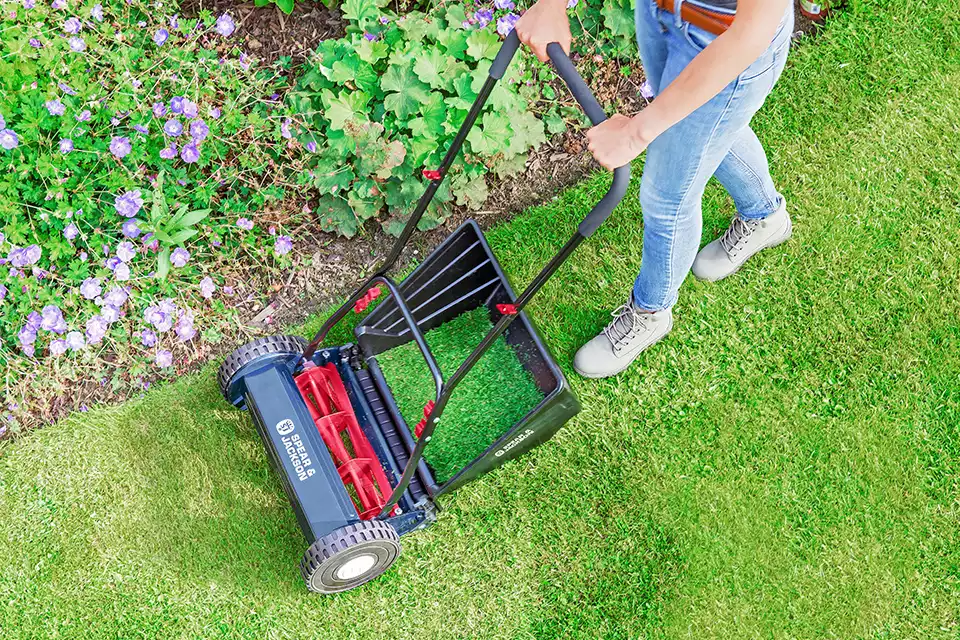
The type of mower you choose determines how the garden looks and how manageable the task is.
For small lawns, a simple push mower is often enough, neat and precise in tight spaces where larger machines can’t reach. Those with medium-sized plots benefit from self-propelled models, which reduce strain on the body and glide across uneven ground.
Where lawns stretch out more generously, ride-on mowers save time while offering control across varied terrain.
The choice between electric and petrol options is equally important. Electric models run quietly, require little upkeep, and leave a lighter mark on the environment. They’re ideal for routine use and peaceful mornings.
Petrol mowers, on the other hand, carry more force and handle irregular or rugged ground with greater ease. When deciding, think about the size of the lawn, the future maintenance it will demand, and the budget set aside.
Supporting tools also matter. A line trimmer refines the borders around beds and pathways, while a leaf blower tidies up fallen debris. For anyone with hedges, lightweight trimmers can cut down time and keep boundaries looking sharp.
Tend to the Mower as You Do the Grass
A mower is the silent partner of every well-cut lawn, and like any tool, it thrives on attention.
After each use, take a few minutes to brush away clippings and soil. A soft cloth or light spray of water is enough, while pressure washing risks damaging parts.
Blades demand regular sharpening to prevent ragged cuts, which weaken the grass. When a blade becomes too dull, replacing it is kinder to both the machine and the turf.
Check the oil as well, keeping levels steady to avoid wear. If the mower sits unused for weeks, draining the fuel prevents blockages. These steps seem small, yet they extend the life of the machine and keep the grass evenly clipped.
It’s also wise to store mowers in a dry shed or garage, away from damp air that can rust the blades and clog moving parts.
Set the Right Height for Healthy Growth
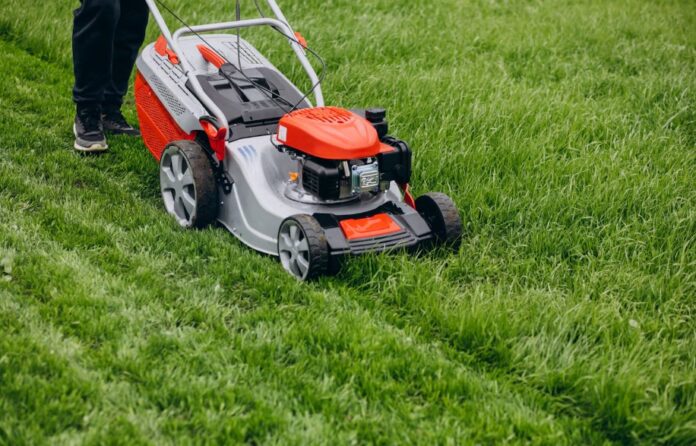
Not all grasses are the same, and each variety thrives at a particular cutting height.
Setting the blades too low weakens growth, while cutting too high leaves the lawn untidy. A balanced height encourages resilience, helping the turf cope with both damp weather and sudden heat.
Furthermore, longer blades provide surprising benefits. They cast shade over the soil, slowing evaporation and protecting roots from the harsh sun.
They also suppress weed growth by limiting the light that unwanted seeds crave. With roots strengthened by the extra length, the lawn can absorb water and nutrients more effectively.
Over time, this practice turns into a quiet rhythm. The sight of slightly taller grass, rich in colour and standing firm, becomes a sign that the garden isn’t merely surviving but flourishing.
For new homeowners, understanding these simple adjustments early makes lawn care less daunting and sets the foundation for healthier growth.
Adapt With the Turning Seasons
A lawn doesn’t grow at the same pace year-round, so mowing habits need to bend with the seasons.
In spring, when shoots surge upward, a slightly shorter cut shapes a tidy base for the months ahead. As summer brings warmer days, leaving the blades longer shields the soil and preserves much-needed moisture.
Autumn calls for steadiness, with moderate cuts that prepare the lawn for rest. Winter requires patience, as trimming during frost can damage delicate growth.
Weather patterns also guide decisions. After heavy rain, waiting a day allows the soil to dry and prevents clumping. During heatwaves, stretching the interval between mows helps conserve energy within the grass.
These changes remind us that a garden is always in dialogue with the seasons, asking for attention in the spring, patience in the summer, and gentle hands as the year draws to a close.
And if you’re away for long stretches, scheduling a neighbour or contractor to mow the lawn prevents it from falling out of balance.
Find the Right Frequency and Pattern
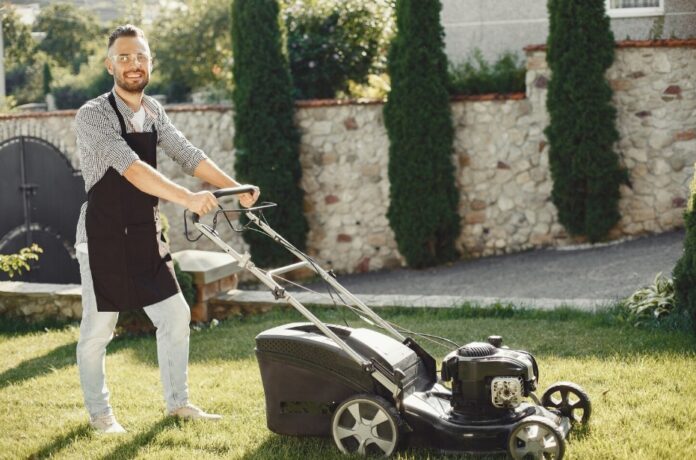
Mowing is not only about height but also about timing and direction.
Cutting too often stresses the grass, yet leaving it too long makes the task harder. Most lawns benefit from a weekly trim through spring and summer, though slower growth in cooler months allows more space between cuts.
Varieties like ryegrass need closer attention, while hardy fescues cope well with less frequent care.
The path taken across the lawn matters as much as the timing. Changing direction with each mow stops the soil from compacting and encourages blades to grow upright. A cross-cut pattern one week, followed by diagonal lines the next, keeps the lawn both neat and strong.
On larger grounds, working in wide sweeps or spirals helps cover more space while leaving a pleasing finish.
This blend of rhythm and variety creates balance. The grass receives both consistency and room to recover, and the soil breathes more freely. Over months, the result is a turf that feels springy underfoot and looks inviting from every angle.
Mow in Conditions That Favour the Lawn
The timing of each mow matters almost as much as the technique.
Grass cut in dry conditions falls neatly and avoids clogging the mower. In addition, damp weather leads to clumps, while scorching midday heat risks scorching the blades.
Early mornings and late afternoons are often best, when the air is cooler and the sun less intense.
Personal comfort shouldn’t be overlooked as well. Breathable clothing, sturdy shoes, and gloves prevent fatigue and blisters. Ear protection is also a wise addition for petrol mowers, as prolonged noise can take its toll.
When the gardener is comfortable, the task becomes lighter and the quality of the cut improves.
At times, bringing in professional grass care services provides relief. For those with busy weeks, skilled contractors can manage seasonal peaks and keep the lawn in steady condition.
Whether cared for personally or with help, the principles remain the same: mow in favourable weather, at a sensible pace, and with equipment that feels ready for the task.
Conclusion
The art of mowing isn’t simply about trimming grass but about shaping the spirit of the garden.
With each careful choice, from equipment to timing, the lawn becomes a canvas of calm precision.
Approach it with rhythm and respect, and every season will reward the effort with a flourish of green.