
A roulette wheel works in much the same way whether it’s spinning in a casino in Las Vegas or inside a broadcasting studio. The dealer sets the ball in motion, the wheel slows down, and the result is determined by the pocket where the ball lands. The rules haven’t changed, although the experience of following the game certainly has.
Live casino games have introduced a different way of presenting familiar table games. Instead of standing around a physical table, people can watch the action through a computer or smartphone screen. The dealer is real, the equipment is real, and the game takes place in a professional studio equipped with cameras and broadcasting technology.
At first glance, the difference might seem to be little more than the addition of a video stream. There is actually a great deal happening behind the scenes, particularly when it comes to connecting physical tables with digital controls and maintaining the flow of the gameplay.
The table is familiar, but the setting has changed
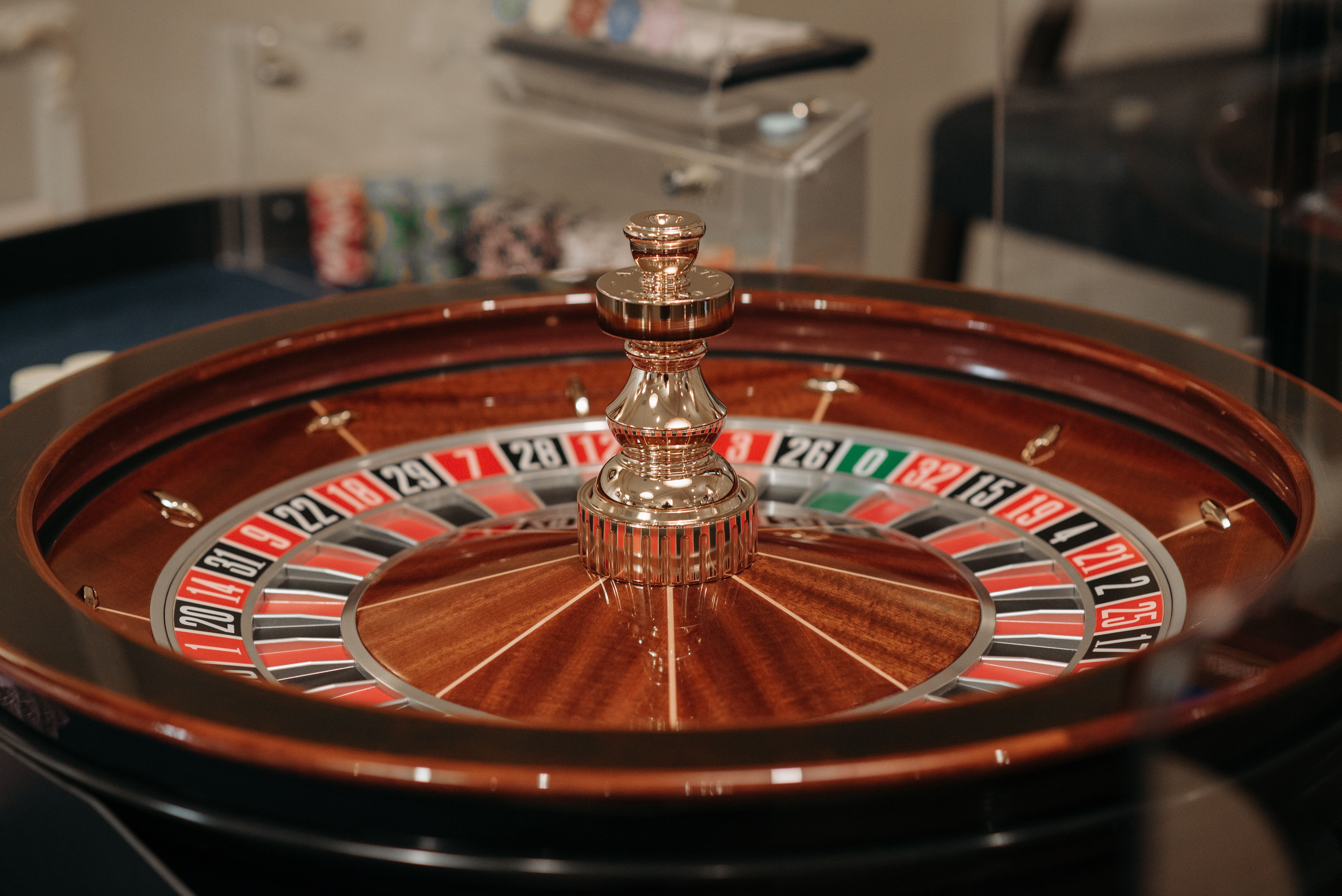
A roulette wheel brings the familiar look of a casino table to both land-based and live studio games.
Traditional casinos are designed around the physical experience of being there. The roulette tables, blackjack stations and other games share space with restaurants, entertainment areas and the surrounding activity of the casino floor. Dealers interact directly with customers seated at their tables, while the equipment and layout are arranged for people standing or sitting nearby.
A live casino studio has different priorities. Although the tables may look similar, their positioning takes camera angles, lighting and the online audience into account. The option to play live casino games on Betway includes familiar titles such as blackjack, roulette and baccarat, which retain their traditional rules while using video streams and digital interfaces. The dealer works in front of broadcasting equipment, with everything arranged so that the action can be followed clearly through a screen.
There are practical differences for the dealer as well. At a traditional table, communication happens face to face. In a studio, the dealer addresses an audience watching remotely, often using a screen to follow incoming messages or game information.
The basic duties remain familiar, but the working environment has much more in common with a television studio than a conventional casino floor.
How the technology changes the gameplay

Online betting controls connect a player’s selections to the action at a physical roulette table.
A traditional roulette game can operate entirely with physical equipment. The dealer manages the wheel, collects chips and announces the result. In a live casino, the physical action is only one part of the process. Software must connect what happens at the table with the information displayed on each participant’s screen.
Roulette requires a different arrangement. Betting selections are made digitally, but the result comes from the physical wheel. The technology must keep the betting stages, video and recorded outcome coordinated so that everyone receives consistent information.
The differences become easier to appreciate when looking at the variety of games where live dealer tables share the same online casino platform with slots and other computer-generated casino games. Each format uses technology differently, depending on whether the action takes place at a physical table or is produced entirely through software.
This is where live casino games differ from conventional computer-generated casino games. In a digital version of blackjack, the software creates and displays the cards as part of the game. A live version uses real playing cards, with the software handling the interaction between the table and the online audience. Neither format is necessarily more complicated to understand. The distinction lies mainly in how the action is produced and presented.
Mobile gaming has made this an important part of live casino gameplay development. A smartphone offers considerably less room than a computer monitor, yet the same information still needs to be accessible. Camera feeds, betting controls and game results have to fit comfortably within the available space. Much of this work is handled by specialist technology companies that develop and operate the live games. Online casino platforms then make those titles available alongside their wider collections of digital entertainment.
The arrangement allows individual studios to concentrate on game production and software development, while operators manage the platforms through which the games are accessed.
Live casino entertainment has moved beyond the traditional table

A live dealer’s table work is part of a studio production built around real-time play.
One of the more interesting developments in live gaming is the arrival of formats that have little resemblance to a conventional casino table. Television game shows have provided plenty of inspiration. Some live games feature large spinning wheels, professional presenters, colourful studios and special features accompanied by music and animation. The production can look closer to a television broadcast than a traditional game of roulette or blackjack.
These formats have also changed the work involved in producing live casino entertainment. A conventional table game needs appropriate cameras, lighting and equipment, while a studio-based game show may require a specially designed set, additional presenters and more elaborate graphics.
The technology behind the broadcast has to accommodate those differences. Animated features might appear alongside live footage, while the interface displays selections and results as the presenter moves through the game.
There is still a connection to traditional gaming, particularly in the use of physical wheels, cards or other recognisable equipment. The difference is that developers have more freedom to create their own presentation styles rather than follow the appearance of an established casino table.
This has brought a wider range of people into the production process. In addition to dealers and software engineers, live casino studios may employ camera operators, sound technicians, lighting specialists, graphic designers and production managers.
The growth of live games has therefore created an interesting overlap between the gaming and broadcasting industries. The equipment and working methods used in television production have become an important part of delivering interactive online entertainment.
Traditional casinos and live casino platforms now offer two distinct ways of experiencing many of the same games. A physical casino provides the atmosphere of a shared location, while a live broadcast brings the table into a digital environment with its own controls and presentation.
Roulette remains roulette, and the basic rules of blackjack are still recognisable. What’s changed is the amount of technology and production work surrounding those games. From studio cameras to interactive software, live casino entertainment has developed into a format with its own identity, even when the cards and roulette wheels look exactly as they did decades ago.