
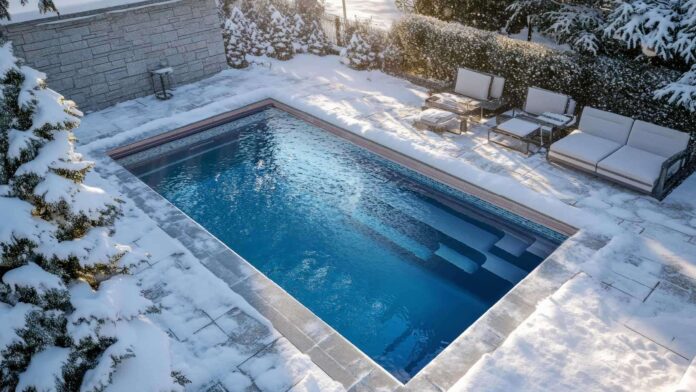
Owning a swimming pool in New Jersey brings countless hours of enjoyment during the summer months. From family gatherings to relaxing swims after work, it’s often the centerpiece of outdoor living. But as soon as cooler air sets in, pool owners face an important responsibility—preparing their pool for the long winter season. Closing a pool properly is not optional; it’s a necessary step to safeguard your investment, prevent costly damage, and make reopening smooth and stress-free once spring returns.
Many homeowners underestimate the complexity of winterization. They might assume tossing on a cover and lowering the water is enough, but skipping crucial steps can lead to cracked pipes, broken equipment, or murky, algae-filled water when it’s time to reopen. That’s why a professional pool closing service in NJ is one of the best investments you can make as a pool owner.
Why Pool Closing in NJ Is So Important
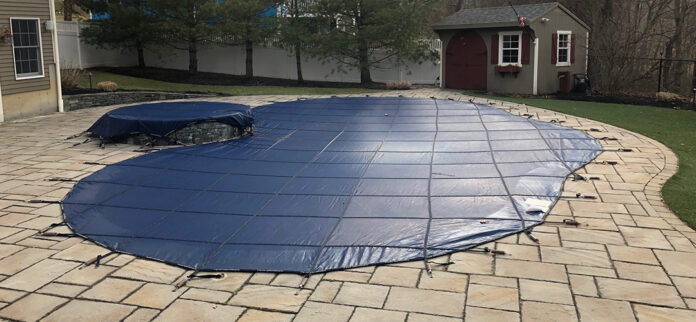
New Jersey winters are anything but predictable. Temperatures swing drastically, and conditions can change overnight from mild autumn breezes to freezing snowstorms. Pools that aren’t closed correctly face multiple risks:
- Frozen Plumbing and Equipment: Water expands when it freezes, and any moisture left in pipes or filters can cause cracking or leaks. Even a small amount of water trapped in a line can destroy expensive components.
- Algae Growth: Without properly treated water, pools become a breeding ground for algae and bacteria—even in colder temperatures. This leads to stained walls, foul odors, and cloudy water.
- Debris Accumulation: Leaves, branches, and dirt can accumulate in uncovered pools, creating staining and extra cleaning work come spring.
- Structural Stress: Winter snow and ice exert pressure on pool walls and liners. Without the right preparations, pools can sustain lasting damage.
By taking the time to close a pool thoroughly, you reduce wear and tear, prevent unnecessary expenses, and extend the overall lifespan of your backyard investment.
What Professional Pool Closing Service Includes
A reliable New Jersey pool closing is a step-by-step process that addresses every detail of the system. Here are the most important components:
- Balancing the Water Chemistry
Before shutting the pool down, technicians balance pH, alkalinity, and calcium hardness. Shock treatments and algaecides are often added to prevent growth during the off-season. This protects the water and surfaces from damage. - Winterizing Equipment
Pumps, filters, and heaters are drained and prepped for freezing temperatures. Skimmer baskets are cleaned, and return jets are plugged to block water entry. Proper winterization prevents cracks and prolongs equipment life. - Blowing Out Pool Lines
A critical step involves using high-powered equipment to blow water out of the plumbing system. Lines are sealed to ensure no moisture remains, which is essential in New Jersey’s freezing climate. - Accessory Removal and Storage
Ladders, steps, and railings are removed, cleaned, and stored to prevent corrosion or damage. This also keeps the pool area neat and ready for a cover. - Cover Installation
A strong winter or safety cover is secured to protect the pool. This keeps out debris, reduces the risk of accidents, and adds an extra layer of protection against the elements.
Each of these steps ensures that the pool is fully protected, reducing the chances of expensive repairs when warmer weather arrives.
The Advantages of Hiring Professionals
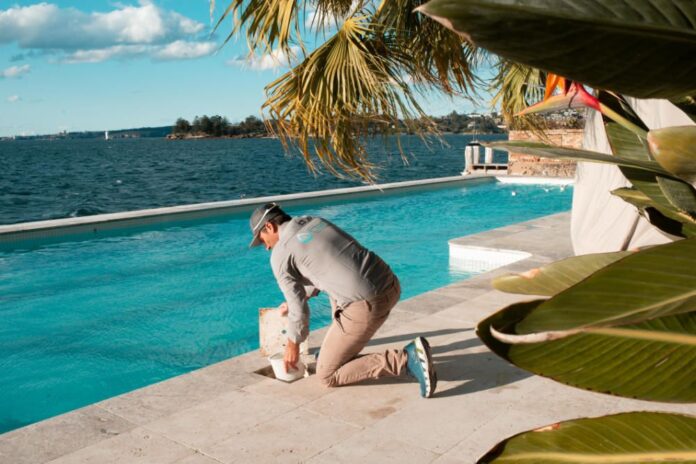
Some pool owners attempt to close their pools on their own. While DIY might seem like a money-saving idea, it’s easy to overlook important details. Professional closing services offer distinct advantages:
- Expertise with NJ Climate: Local pool technicians understand the challenges of New Jersey winters and tailor their approach accordingly.
- Thorough Inspections: Professionals often spot potential issues—like small leaks, worn gaskets, or cracks—before they turn into major problems.
- Time Efficiency: Instead of spending hours researching, buying chemicals, and struggling with equipment, homeowners can leave the work to experienced technicians.
- Peace of Mind: The assurance that the pool is fully protected allows homeowners to relax during the winter without worry.
When to Schedule Your Pool Closing in NJ
Timing is critical. If you close too early, you lose valuable swim days in September. If you wait too long, an unexpected freeze could cause damage. The general rule is to close once the water consistently drops below 65°F. At this temperature, algae growth slows, and it’s safe to shut down.
Because pool service companies fill up quickly in the fall, scheduling early ensures your pool is winterized before the first frost. Many homeowners in New Jersey aim for late September to mid-October, but it varies depending on weather conditions.
Why Pool Covers Are Essential
The pool cover is one of the most important aspects of closing. A quality safety cover does far more than block debris:
- Accident Prevention: Strong, properly anchored covers prevent children or pets from falling in.
- Cleaner Water: By blocking leaves, dirt, and debris, the cover makes spring cleanup significantly easier.
- Surface Protection: Covers help prevent staining, scale buildup, and damage caused by exposure to the elements.
- Aesthetics: A fitted cover creates a neat, clean appearance in the yard during the off-season.
For maximum effectiveness, custom-fit covers designed for your specific pool shape are recommended.
Choosing the Right Pool Closing Company
Not all pool service providers are equal. When searching for a pool closing service in NJ, look for companies with:
- Proven experience in both residential and custom pool systems
- Knowledge of the specific demands of New Jersey’s winters
- Ability to provide both closing and spring reopening services
- High-quality equipment and materials
- Positive customer reviews and a track record of reliability
One trusted option homeowners have when it comes to pool closing service is NJ Waterscapes, known for detailed service, professional technicians, and commitment to quality care.
The Long-Term Value of Proper Pool Closing
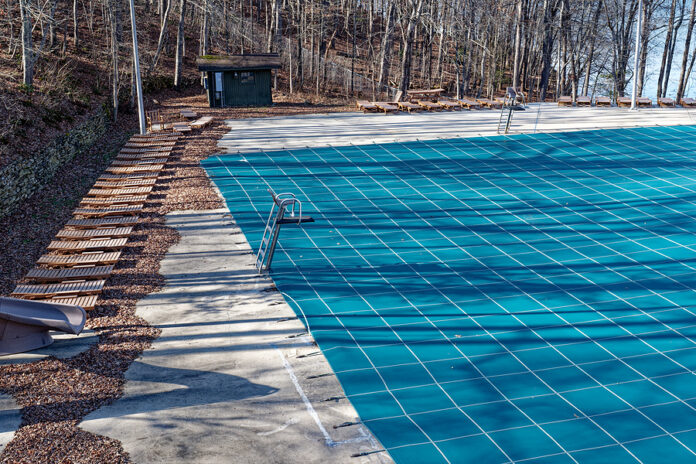
While pool closing does involve an upfront cost, the long-term savings are significant. A properly winterized pool:
- Reduces spring maintenance expenses
- Protects expensive equipment from damage
- Extends the life of the pool structure
- Provides peace of mind throughout the cold months
Think of it as an insurance policy for your backyard investment. By spending a little now, you avoid costly repairs and enjoy a stress-free pool opening when the weather warms up again.
Preparing Now for a Smooth Spring Opening
Closing your pool is not just about surviving winter—it’s about setting yourself up for success in the spring. When a pool has been winterized correctly, opening it becomes faster, easier, and far less expensive. Clean water, intact equipment, and a secure structure mean more time enjoying your pool and less time battling algae, stains, and repairs.
The earlier you schedule your closing, the more confident you’ll feel heading into the cold season. Don’t wait until the first frost hits; prepare ahead of time to ensure your pool is protected.
Final Thoughts
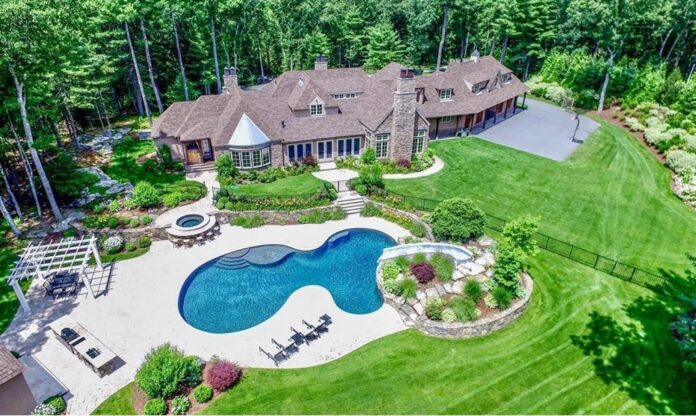
Owning a pool in New Jersey comes with responsibilities beyond summer fun. Pool closing is a critical step that every homeowner should prioritize. By balancing the water, winterizing equipment, securing plumbing, and installing a quality cover, you protect your pool from harsh conditions and guarantee smoother openings each spring.
Whether you’re a new pool owner or have years of experience, relying on professionals ensures every detail is handled properly. With the right preparation, your pool will be safe, secure, and ready to welcome you back when warmer weather arrives.