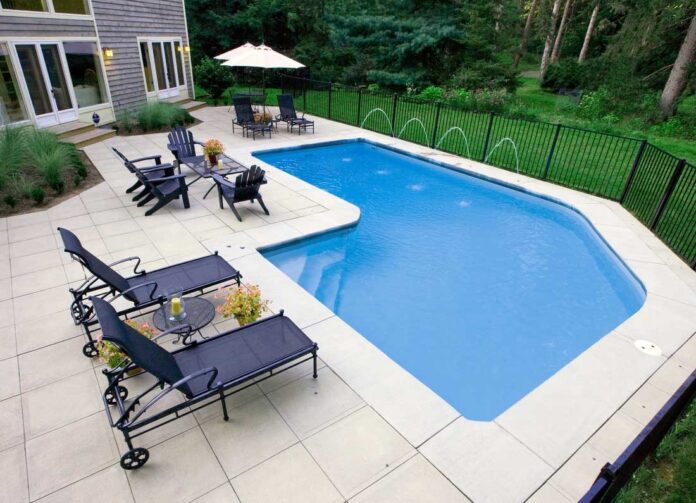
A backyard swimming pool is one of the best ways to enjoy summer in New Jersey. Whether it’s for family fun, exercise, or simply lounging by the water, pools create endless opportunities for relaxation and entertainment.
But like any investment, pools require maintenance to stay safe, efficient, and visually appealing. One of the most important aspects of the upkeep is the pool liner.
Over time, pool liners wear down, fade, and eventually need replacing. For New Jersey homeowners, knowing when and why to invest in pool liner replacement can save money, prevent damage, and keep the pool looking its best.
This guide covers everything you need to know about pool liner replacement in New Jersey, including the signs of liner damage, the benefits of upgrading, cost factors, and the installation process.
Why Pool Liners Are So Important
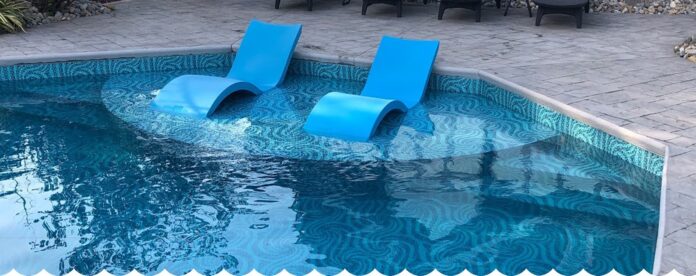
A pool liner is more than just a cosmetic feature—it’s a crucial part of your pool’s structure. Liners serve several essential functions:
- Water containment – The liner acts as a waterproof barrier that prevents water from seeping into the ground.
- Smooth surface – It creates a comfortable, safe surface for swimmers.
- Protects the pool shell – The liner shields the walls and floor from damage caused by water, chemicals, and UV rays.
- Enhances appearance – With a variety of colors, patterns, and textures available, a liner contributes to the overall style of the backyard.
Without a properly fitted and well-maintained liner, a pool can suffer from leaks, structural damage, and costly repairs.
Signs You Need a Pool Liner Replacement
Liners don’t last forever. On average, vinyl pool liners in New Jersey last between 7 and 12 years, depending on material quality, care, and weather exposure. Here are some of the most common signs that it’s time for a replacement:
- Water Loss – If you find yourself constantly refilling the pool, you may have a hidden leak caused by tears or pinholes in the liner.
- Wrinkles and Sagging – A properly installed liner should fit tightly. If you notice bunching, bulges, or shifting, it’s a clear indicator that the liner has stretched beyond repair.
- Fading Colors – The intense summer sun and chemicals gradually fade the color and pattern of the liner, leaving the pool looking dated.
- Stains and Discoloration – Chemical imbalances, minerals, and algae can stain liners, making them difficult to clean and unattractive.
- Cracking and Brittleness – As liners age, they lose flexibility and can crack under stress. This not only affects appearance but also risks leaks.
If you see any of these warning signs, it’s usually more cost-effective to replace the liner entirely rather than continue with short-term patching.
Benefits of Installing a New Pool Liner
Replacing a pool liner does more than solve problems—it also provides several advantages that enhance both functionality and aesthetics.
-
A Fresh New Look
Modern liners come in a wide selection of patterns, textures, and colors. From natural stone motifs to mosaic tiles, a new liner can completely change the look of your pool and backyard.
-
Improved Durability
Today’s liners are manufactured with advanced materials designed to resist chemicals, UV damage, and temperature fluctuations. This means your investment lasts longer and requires less maintenance.
-
Greater Efficiency
A properly installed liner prevents leaks and water loss, helping reduce utility bills and chemical costs.
-
Increased Property Value
A pool in great condition adds value to a home. If you ever plan to sell, a new liner makes your pool more appealing to buyers.
-
Enhanced Comfort and Safety
Smooth, well-fitted liners provide a better swimming experience by eliminating rough surfaces, wrinkles, and sharp edges.
When Is the Best Time for Pool Liner Replacement in New Jersey?
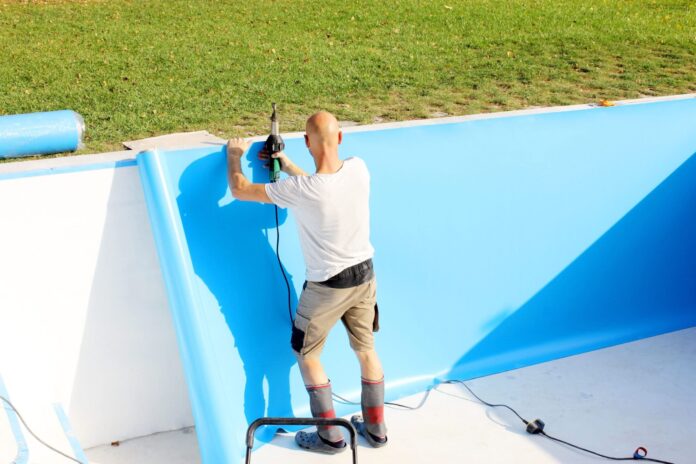
Timing is key when planning for pool maintenance. In New Jersey, the spring season is ideal for liner replacement. This ensures your pool is ready before the hot summer months when it will be used most.
That said, if your liner is actively leaking or damaged, waiting until spring could cause costly problems. In these cases, it’s best to replace the liner right away, regardless of the season.
The Pool Liner Replacement Process
Replacing a pool liner involves several important steps to ensure proper fit and performance. Here’s what homeowners in New Jersey can typically expect:
- Draining the Pool – The water is safely removed so the old liner can be accessed.
- Removing the Old Liner – The worn or damaged liner is taken out, exposing the pool’s base.
- Inspection and Repairs – The floor and walls are carefully inspected. Any cracks, rust, or structural issues are repaired before moving forward.
- Measuring and Customizing – Exact measurements are taken to guarantee the new liner fits perfectly.
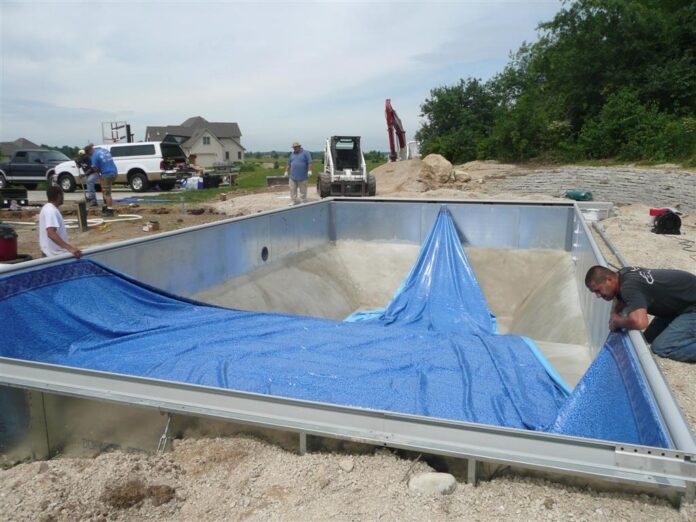
- Installing the New Liner – The liner is carefully placed, smoothed, and secured to eliminate wrinkles and ensure a tight fit.
- Filling and Testing – Once installed, the pool is refilled, and the liner is tested for leaks. The final step includes balancing the water chemistry.
This process usually takes a few days, depending on the size of the pool and any needed repairs.
How Much Does Pool Liner Replacement Cost in New Jersey?
The cost of pool liner replacement varies based on several factors:
- Size and Shape – Larger pools or uniquely shaped designs require more material and labor.
- Liner Thickness – Thicker liners generally cost more but last longer.
- Pattern and Style – Premium patterns and textures can increase the price.
- Additional Repairs – If the pool floor or walls need structural work, that adds to the total.
On average, New Jersey homeowners can expect to spend $3,000 to $6,000 for professional pool liner replacement, though high-end projects may be more. While this is an investment, the long-term savings in water, energy, and repair costs make it worthwhile.
Extending the Life of Your New Pool Liner
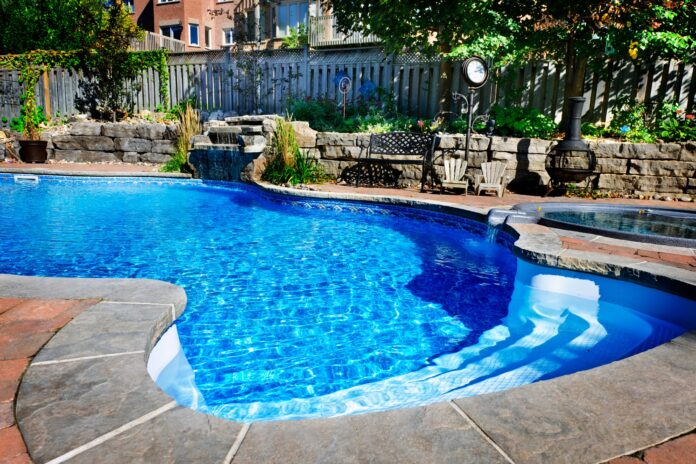
Once you’ve replaced your liner, proper care will help maximize its lifespan. Here are some maintenance tips:
- Keep water chemistry balanced – Test pH, chlorine, and alkalinity levels regularly.
- Clean debris quickly – Leaves, dirt, and sticks can cause stains or tears.
- Use a cover – Protect your pool from harsh weather and debris during the off-season.
- Avoid sharp objects – Make sure toys, floats, and accessories are safe for liner use.
- Schedule regular inspections – Catching small issues early prevents bigger problems.
Choosing a Pool Service Company in New Jersey
When it comes to pool liner replacement, experience matters. Hiring a trusted professional ensures that the job is done correctly, saving you time, stress, and money in the long run. Look for companies with a strong track record, positive customer reviews, and clear pricing.
One established provider in the region is Central Jersey Pools, known for decades of experience and quality service in pool installations, maintenance, and liner replacement.
Final Thoughts
A pool liner is one of the most important elements of a swimming pool. When it starts showing signs of wear, timely replacement not only restores the pool’s beauty but also protects its structure and improves efficiency.
For homeowners in New Jersey, understanding the process, benefits, and costs of liner replacement can help make informed decisions and keep the backyard oasis in top condition for years to come.
If your pool is ready for an upgrade, consider scheduling a consultation with a professional service provider to explore the latest liner options and get your pool swim-ready once again.