
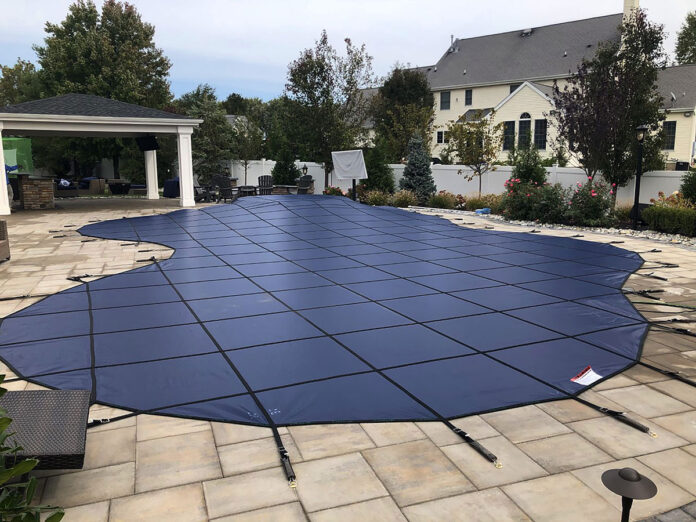
When summer winds down in New Jersey and cooler air begins to take over, homeowners start preparing for the seasonal transition. For pool owners, this means thinking about more than just storing away floats and shutting down the filter—it means making sure the pool itself is safe, secure, and protected throughout the fall and winter months.
One of the smartest and most effective steps any pool owner can take is investing in a swimming pool safety cover. These covers aren’t just about convenience or aesthetics—they serve a vital role in keeping families, pets, and pools safe during the off-season.
While many people associate covers with preventing leaves and debris from falling into the water, safety covers go far beyond that. Designed with strength, durability, and reliability in mind, they provide peace of mind when your pool isn’t in use. Let’s dive into why these covers are so important, what sets them apart from standard options, and how professional installation ensures long-term results.
Why Pool Safety Covers Are a Must-Have
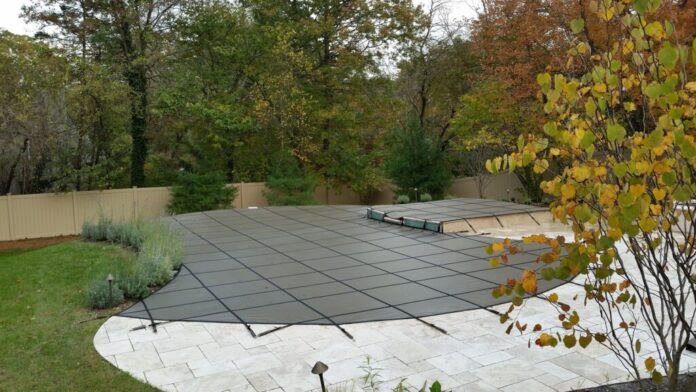
A pool is often the centerpiece of a backyard, offering relaxation, entertainment, and fun throughout the warmer months. But once the temperatures dip and the pool is no longer in use, it can also present risks.
A pool safety cover provides multiple layers of protection:
- Preventing Accidents: Unlike flimsy tarps or standard covers, true safety covers are engineered to hold weight. If a child, pet, or even an adult accidentally steps on the cover, it will remain firm and prevent a fall into the water. This safeguard dramatically reduces the chances of accidents during the months when the pool is closed.
- Shielding Against Weather: New Jersey winters are unpredictable, bringing everything from snow and ice to heavy wind and rain. A well-installed safety cover helps prevent these natural elements from damaging your pool’s interior or equipment.
- Keeping Water Cleaner: By blocking out debris like leaves, branches, and dirt, safety covers reduce the amount of cleaning required when reopening the pool in the spring. This also helps maintain water balance and prevents staining.
- Extending Pool Lifespan: Protecting the pool from harsh winter conditions ultimately means less wear and tear, fewer repairs, and a longer lifespan for your pool investment.
How Safety Covers Differ from Standard Covers
It’s important to recognize the difference between a safety cover and a traditional pool cover. Many pool owners assume a standard tarp-style cover provides adequate protection, but the two serve very different purposes.
- Strength and Safety: Safety covers are manufactured from high-tensile, heavy-duty materials designed to support thousands of pounds. Standard covers, on the other hand, can easily tear or collapse under weight.
- Anchoring System: Safety covers are anchored tightly into the pool deck, ensuring they remain secure no matter the weather. Standard covers often rely on water bags or weights, which can shift or fail during storms.
- Aesthetics: Safety covers come in a range of colors and finishes that blend seamlessly with outdoor spaces, offering a neat and attractive look compared to sagging tarps.
- Durability: While a traditional cover may last only a few seasons, safety covers are built to withstand years of harsh conditions without significant wear.
For homeowners who value security, durability, and ease of use, safety covers clearly provide more long-term value.
Key Features of Quality Safety Covers
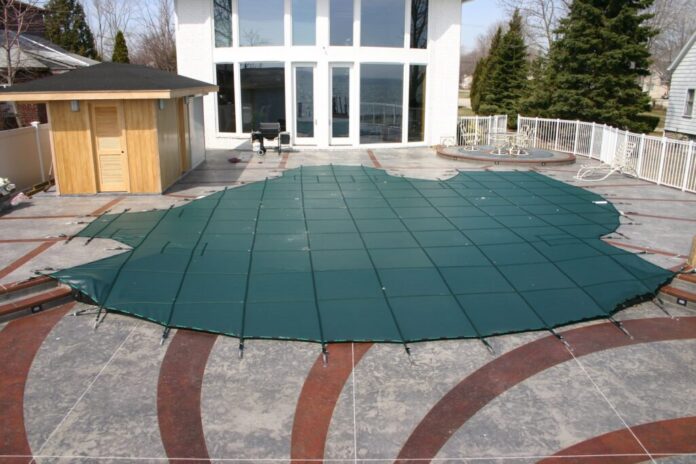
When considering a pool safety cover, it’s helpful to understand what makes them effective. High-quality covers typically share several features that set them apart:
- Custom Fit – A cover should be made specifically for the dimensions of your pool, whether it has unique shapes, built-in spas, or steps. A precise fit ensures maximum safety and coverage.
- Strong Materials – Modern safety covers are made from advanced fabrics and reinforced stitching that resist tearing, UV damage, and heavy snow loads.
- ASTM Certification – The best covers meet or exceed safety standards set by the American Society for Testing and Materials (ASTM). This ensures they provide reliable protection.
- Low Maintenance – Safety covers are designed to drain excess water automatically, preventing puddles from forming and eliminating the need for frequent adjustments.
- Visual Appeal – Homeowners can often choose from different colors and designs, giving them a cover that not only protects but also enhances their outdoor living space.
The Role of Professional Installation
Even the best safety cover won’t perform correctly if it’s not installed properly. Professional installation ensures that:
- The cover is measured precisely to fit the pool’s size and shape.
- Anchors are placed securely in the deck for maximum strength.
- Features like steps, attached spas, or custom edges are accounted for.
- The cover remains taut and effective throughout the off-season.
Improper installation can shorten the lifespan of the cover, compromise safety, and reduce its ability to protect the pool. This is why many homeowners in New Jersey choose to rely on professionals rather than attempting DIY installation.
Safety Covers as a Smart Investment
While the upfront cost of a safety cover may be higher than a standard tarp, the benefits far outweigh the expense. Here’s why:
- Reduced Maintenance Costs: By keeping debris out and protecting pool surfaces, safety covers cut down on cleaning and repair expenses.
- Added Safety: The peace of mind that comes from knowing children and pets are protected is priceless.
- Longevity: With proper care, a safety cover can last many years, offering consistent protection season after season.
- Easier Pool Openings: When spring arrives, pools protected by safety covers are cleaner, clearer, and require less effort to get swim-ready.
For most homeowners, the return on investment comes not only in financial savings but also in the reassurance of a safer, easier-to-manage pool.
Choosing the Right Safety Cover
Not all safety covers are created equal. Factors like pool size, location, climate, and usage all play a role in determining which type of cover is best. Mesh covers, for example, allow water to drain through but block debris, while solid covers provide complete blockage from both water and dirt. Both options have unique benefits depending on the homeowner’s needs.
Working with an experienced provider ensures you get the right cover tailored to your pool and lifestyle. One trusted company offering professional installation and high-quality pool safety covers in New Jersey is NJ Waterscapes, known for delivering reliable results and long-term value for pool owners across the state.
Taking Action Before Winter
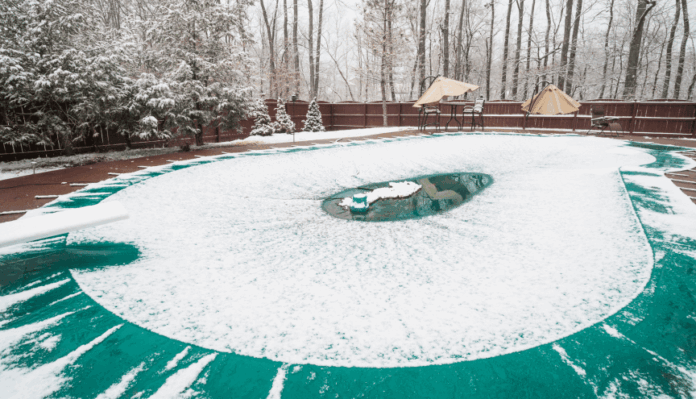
Preparing your pool for the off-season doesn’t have to be stressful. By installing a swimming pool safety cover, you’ll protect your investment, reduce maintenance headaches, and most importantly, keep your loved ones safe.
Don’t wait until the first snow or ice storm arrives. Planning ahead ensures your pool is secured before harsh weather sets in. With the right safety cover and professional installation, you’ll enjoy peace of mind throughout the winter and a much easier pool opening once spring returns.
Final Thoughts
Swimming pools are meant to bring joy, relaxation, and fun—but with ownership also comes responsibility. A swimming pool safety cover is more than just an accessory; it’s an essential layer of protection that keeps your backyard safe and your pool in excellent condition.
By making safety covers part of your annual pool care routine, you’re investing in convenience, safety, and long-term peace of mind. With proper planning and expert installation, your pool will be ready to face New Jersey’s winters with confidence and will welcome you back with clear, clean water when the warm weather returns.