
Trees aren’t just beautiful backdrops. They’re living, breathing assets that boost your property’s value, make your outdoor space cosier, and offer local wildlife food and shelter.
That is, of course, if you keep them in good shape. A well-thought-out care plan can save you time, money, and effort down the line. So, let’s explore how to put one together without turning it into a full-time job.
Inspect Your Trees

Every solid plan starts with a thorough inspection, so take a walk through your garden and give your trees a proper once-over.
How tall are they, and what species are you working with? Younger trees often need more attention, so jot down their age if you know it.
While you’re at it, note where each tree sits. Are they crowding fences, brushing against buildings, or leaning a little too close to the neighbour’s shed?
Next, look for signs of trouble, such as weak or cracked branches, drooping leaves, unusual marks, or pests.
Don’t forget the trunk and base. Peeling bark, fungus, and exposed roots are all signs of stress or disease.
Last but not least, keep tabs on the surrounding soil and any wildlife activity. Write down your observations in a dedicated checklist. It will serve as a handy reference later.
Set Clear Goals
Once you have a clear picture of how your garden is doing, it’s time to decide what you actually want to achieve.
Maybe you want your oaks to spread into wide, shady canopies, or your apple trees to reward you with a bumper crop next autumn. Either way, defining your objectives will allow you to turn those notes into a practical action plan.
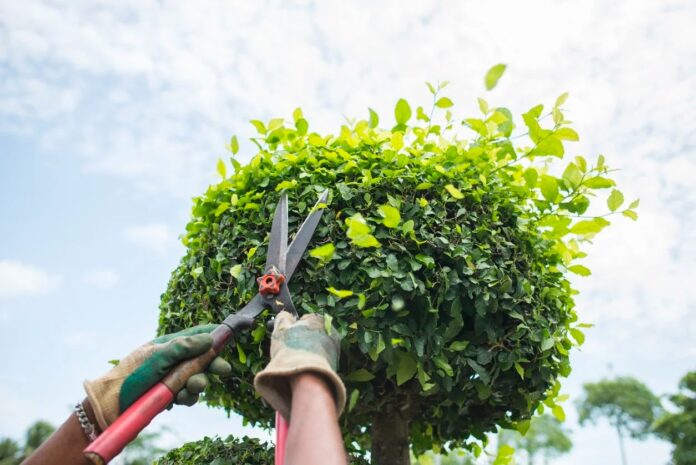
To make this task less overwhelming, split your goals into two categories: short-term and long-term. Short-term goals cover straightforward tasks that yield immediate results, like trimming deadwood, clearing storm damage, or tackling a pest outbreak.
Long-term goals, on the other hand, are more future-focused. They can include training branches into a certain shape, enriching the soil to promote steady growth, or encouraging better flowering and fruiting.
Whatever your targets may be, you’ll need to stay flexible. Plans aren’t set in stone; trees grow, weather changes, and sometimes you’ll need to adjust course.
Create a Maintenance Schedule
Each season has its own rhythm. For your trees to flourish into the majestic giants they’re meant to be, you need to work with the seasonal changes, not against them.
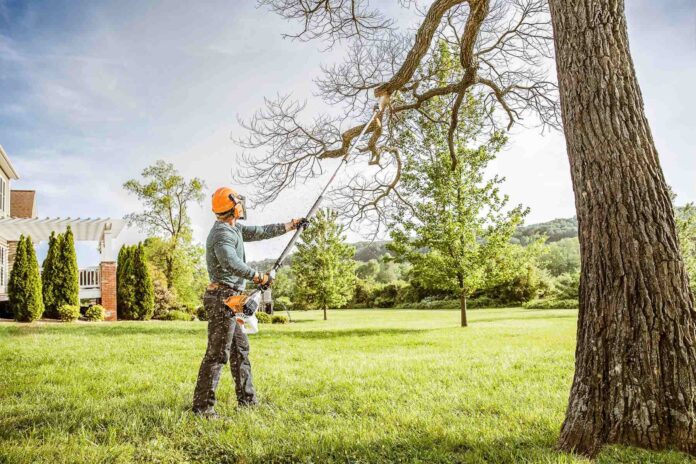
Late winter is the best window for pruning. During that time, branches are usually bare and dormant, which makes them less likely to stress over trimming.
As spring rolls around, you need to feed the soil to give your leafy companions the energy they need to spring back into life. Summer, on the other hand, often calls for watering and pest control, while autumn is perfect for mulching and clearing debris.
To keep track of these tasks, create a simple calendar or colour-coded wall chart. If you’re more tech-savvy, garden-planning apps will send you timely reminders when these chores are due.
Of course, nature isn’t always predictable. A sudden storm, a surprise pest infestation, or a growth spurt can throw your calendar off track, but that’s no reason to panic.
At the end of the day, plants thrive on consistency, not perfection. As long as you’re ready to roll with the punches, your trees will cope with anything that comes their way.
Set a Reasonable Budget

Trees cost a lot less to maintain than to replace. The money you spend on ongoing care is an investment in your property’s long-term value and safety.
That doesn’t mean you have to drain your wallet, though. Setting a clear budget from the start can save you a lot of hassle later.
You can tackle routine tasks, like mulching and light pruning, yourself. However, when it comes to bigger chores, like pest treatments, fertilising, or the occasional professional trimming, it pays to plan ahead financially.
To get a better idea of the average cost, compare quotes from different local gardeners. And don’t forget to set aside a rainy-day fund for emergencies, like storm damage or unexpected removals.
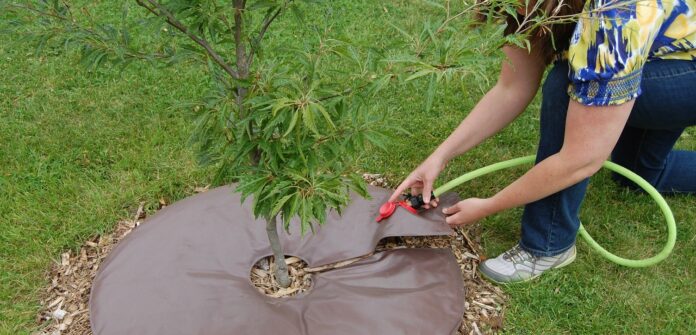
If you’re looking to cut costs, swap shop-bought fertilisers for homemade compost. You can turn kitchen scraps, grass clippings, and fallen leaves into nutrient-rich compost with a simple bin at the bottom of the garden.
Not only does this save you money, but it also gives your trees a steady, organic boost that pre-packaged fertilisers can’t quite match.
Seek Help with Complicated Tasks
Sometimes, you need more than a sharp pair of secateurs to keep your garden healthy.
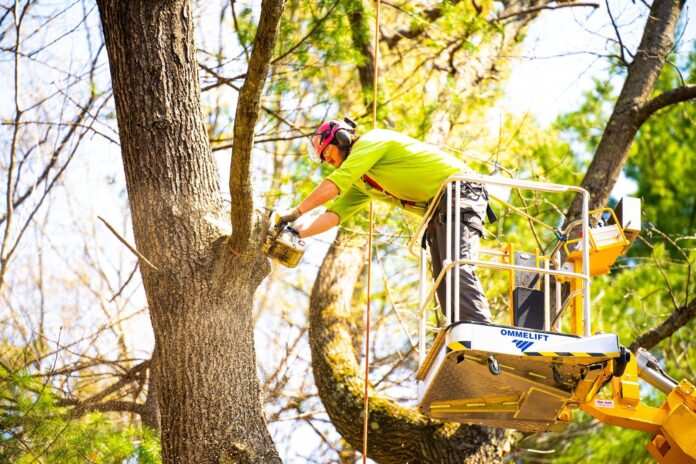
Complex tasks, like removing large stumps, dealing with storm damage, or pruning tall trees, are best left to the experts.
This is where safe tree surgery comes in. With years of experience under their belt and specialised equipment at their disposal, certified arborists can handle tricky tasks effectively.
They’ll know how to trim hard-to-reach branches, protect the tree’s health, and leave your outdoor space looking infinitely better.
Though it might feel like an extra expense, the peace of mind it provides is worth every penny.
Track Your Progress
A garden diary is one of the most practical tools you can have. Whether you use a spreadsheet, a specialised app, or an old notebook, keeping a record of what’s been done and when will help you track your progress.
In addition to giving you the satisfaction of seeing all your hard work in writing, this habit will also allow you to identify any weaknesses that need your attention.
You’ll start spotting patterns, like which trees need extra feeding, which are magnets for pests, or which patches of soil are notoriously dry.
Regular soil testing also helps in that regard. Keeping track of the pH and nutrient levels gives you a better understanding of what’s really going on below the surface.
This detailed record will help you optimise your care routine to prevent small issues from escalating and wreaking havoc on your outdoor oasis. Over time, it will become your secret weapon for a smarter, more effective routine.
Conclusion
Creating a tree care plan isn’t just about ticking boxes. It’s about giving your garden the attention it deserves while making life easier for yourself.
With a clear routine, realistic goals, and a willingness to adapt, you won’t have to worry about your leafy companions, no matter what the seasons bring.
So, go ahead and start planning. Soon enough, you’ll be enjoying a green sanctuary that feels every bit as rewarding as it looks.