
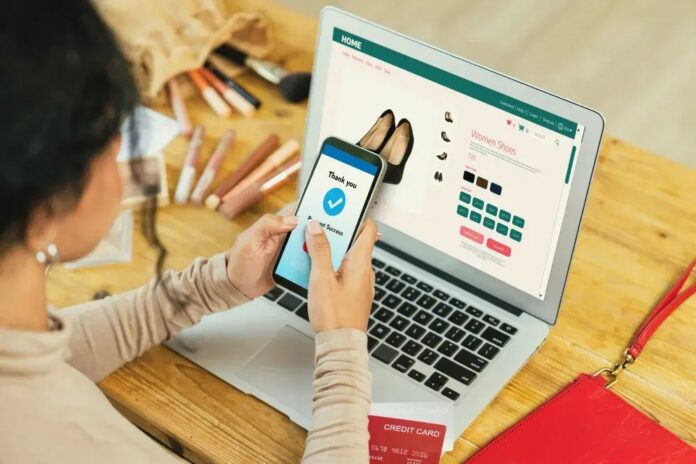
The biggest wins in e-commerce no longer happen at checkout. They happen afterward, in the quiet moments when customers are waiting for their order, unboxing it, or reaching out for support.
That’s where loyalty takes shape, where trust is either built or broken, and where a brand proves its real worth beyond the sale. The post-purchase journey has quietly evolved into the most powerful differentiator in online retail.
What was once seen as a logistical afterthought is now where modern competition is fought. Delivery updates, packaging quality, returns experience, and customer care form the new battlefield for long-term profitability and growth.
Why the Post-Purchase Stage Decides Brand Loyalty

Once an order is placed, customers shift their focus from excitement to expectation. The buying phase is emotional; the post-purchase phase is evaluative.
They start asking questions: Did the package arrive on time? Was it in good shape? Was support easy to reach? Each of those moments feeds into the mental score they assign to the brand.
A smooth post-purchase flow keeps that emotional momentum alive. It makes a customer feel seen rather than processed. That emotional residue is what determines whether they return or quietly switch to a competitor next time.
Brands that invest in improving their ecommerce post purchase process consistently report higher retention and stronger emotional connection with customers.
The Real Financial Impact
A well-built post-purchase experience has measurable effects on a company’s financials:
| Factor | Impact on Profitability |
| Customer Retention | Repeat buyers cost up to 70% less to convert than new ones. |
| Review Volume & Quality | Positive post-purchase experiences drive organic social proof. |
| Return Costs | Efficient return processes lower reverse logistics losses. |
| Referral Rates | Satisfied customers naturally recommend brands to others. |
Even a few percentage points of improvement in retention or repeat purchase rate can translate into millions of dollars in additional annual revenue for mid-sized e-commerce operations.
How Consumer Expectations Have Shifted
Customers today expect more than fast shipping and decent packaging. They expect a full-circle experience that feels personalized and transparent from the moment they click “buy” until long after the product arrives.
Communication Is No Longer Optional

A brand that goes silent after checkout leaves a gap filled with anxiety. The waiting period between payment and delivery is emotionally charged.
Frequent, proactive communication about order status, shipping progress, and estimated arrival turns that waiting time into reassurance.
For example:
- Real-time tracking links reduce support inquiries and build confidence.
- SMS or WhatsApp updates feel more personal than generic emails.
- Automated “order out for delivery” alerts keep customers engaged without human effort.
Packaging as an Extension of Brand Identity
The box is no longer just a container. It’s the customer’s first physical touchpoint with the brand. When packaging feels intentional, safe, and well-designed, it becomes part of the brand story.
A growing number of direct-to-consumer brands treat packaging as a continuation of the online shopping experience. They include personalized notes, small surprises, or QR codes that connect to care tips or video tutorials.
Support That Feels Human
Customers can forgive delays, but they rarely forgive indifference. A friendly, accessible support system that actually solves problems defines the experience far more than a quick reply that leads nowhere.
Whether via chat, email, or voice, the tone and transparency of support interactions influence future purchase decisions.
The New Metrics of Success
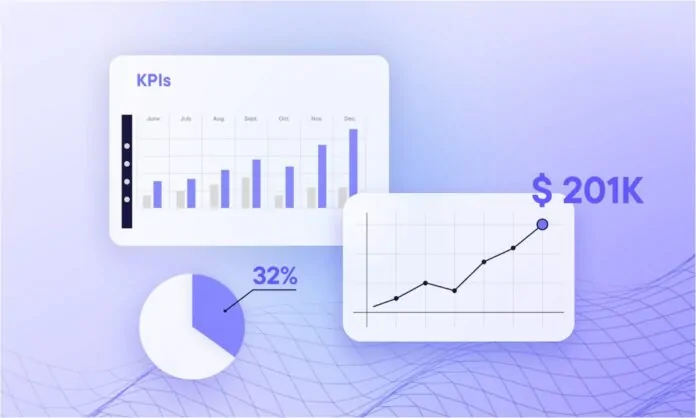
Traditional e-commerce performance metrics used to focus on acquisition: cost per click, cost per acquisition, and conversion rate. Those still matter, but the next frontier is experience-driven metrics that show what happens after conversion.
| Metric | What It Tells You |
| Repeat Purchase Rate (RPR) | How effectively you convert first-time buyers into regulars. |
| Customer Lifetime Value (CLV) | The average revenue generated per customer over time. |
| Customer Effort Score (CES) | How easy customers find it to get help or complete returns. |
| Return-to-Revenue Ratio | How much product return costs eat into total revenue. |
| Time to Resolution | Average time it takes to resolve a customer issue or inquiry. |
When analyzed together, those metrics reveal whether your post-purchase process is strengthening or eroding brand equity.
Turning a Post-Purchase Flow Into a Growth Engine
Winning brands treat the post-purchase phase not as an operational step, but as an ongoing relationship. It’s about shifting the focus from fulfillment to engagement.
1. Build Transparent Delivery Ecosystems
Integrate order management systems with real-time logistics data. Customers want to know not just that their package is on the way, but exactly where it is and when it will arrive. Transparency reduces frustration and builds trust.
Practical tips:
- Use multi-carrier tracking platforms that update automatically.
- Send order milestone notifications at each phase: packed, shipped, out for delivery, delivered.
- Allow customers to change delivery preferences (address, time window) within the tracking page.
2. Design Frictionless Returns
Returns are not a failure of the sale. They’re a chance to show professionalism. A simple, transparent returns process is often cited as a top reason for repeat purchases.
Best practices:
- Offer prepaid return labels inside the box or via digital link.
- Provide instant refunds or store credit once the return is logged, not after it’s received.
- Track returns with the same visibility as outgoing shipments.
3. Personalize the Follow-Up
After delivery, the next step is communication that feels relevant and timely. Instead of mass marketing, focus on tailored follow-ups that match the customer’s purchase behavior.
Ideas that work:
- Send how-to guides or usage tips for the purchased product.
- Offer exclusive discounts for related items, not random upsells.
- Create reorder reminders for consumable products (like cosmetics or supplements).
4. Encourage Reviews Without Pressure
Reviews remain one of the most powerful trust signals. But many customers skip them because they feel transactional. The key is to make it easy and low-pressure.
For example:
- Send a single friendly reminder after a few days, not a sequence of nags.
- Let customers upload photos or quick star ratings without logging in.
- Reward participation with community recognition, not discounts.
Where Technology Fits In
Automation and AI tools can simplify post-purchase operations while maintaining a human feel. Smart logistics software, predictive support chatbots, and AI-driven personalization platforms all contribute to smoother customer experiences.
Predictive Support
By tracking order data, brands can predict potential issues—like delays or backorders—before they affect the customer. Sending a proactive message acknowledging the delay often prevents frustration and negative reviews.
Data-Driven Retention
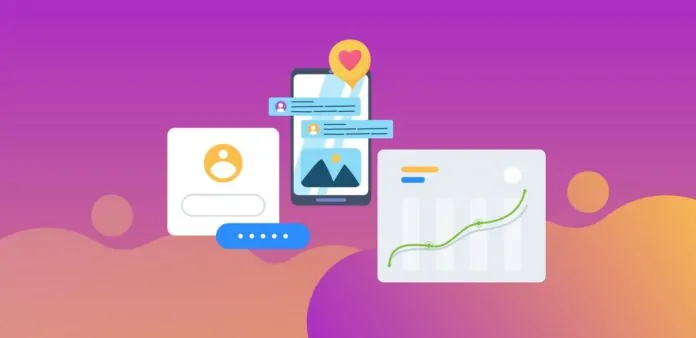
Post-purchase analytics platforms can identify which customer behaviors signal loyalty versus churn. For example, tracking the gap between deliveries or time spent engaging with post-purchase emails reveals which segments are at risk of dropping off.
Automation Without Losing Humanity
Automation should serve consistency, not detachment. A well-written automated email or chatbot script that sounds natural can feel as personal as a human reply. What matters is tone, timing, and transparency.
Building Emotional Equity
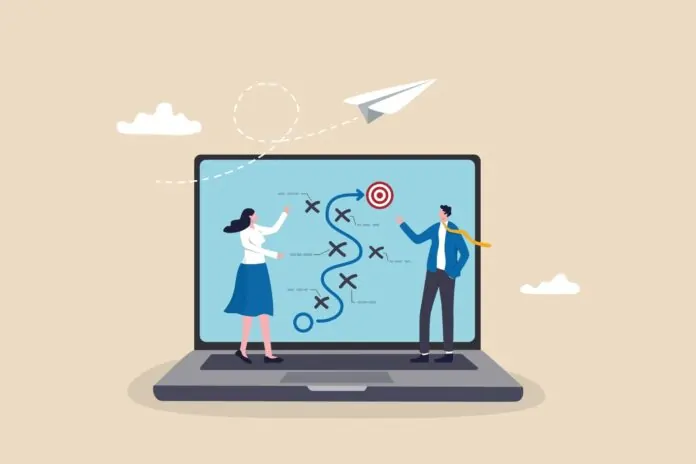
E-commerce is often framed as a numbers game, but emotions decide longevity. The post-purchase phase carries the emotional weight of the brand’s promise.
A brand that communicates clearly, delivers as promised, and takes ownership of mistakes builds emotional equity that compounds over time.
Simple gestures make the difference:
- A handwritten thank-you card in the first order.
- A personalized apology and credit when something goes wrong.
- A loyalty program that rewards engagement, not just spending.
Each of those touches moves the customer from buyer to advocate.
Final Takeaway
The post-purchase journey is no longer a background process. It’s the backbone of modern e-commerce. Every message, package, and touchpoint after the sale shapes a customer’s decision to come back or move on.
Brands that see it as a living system rather than an operational step will own the next decade of online retail.
The real competition is no longer at checkout. It’s in the follow-up.