
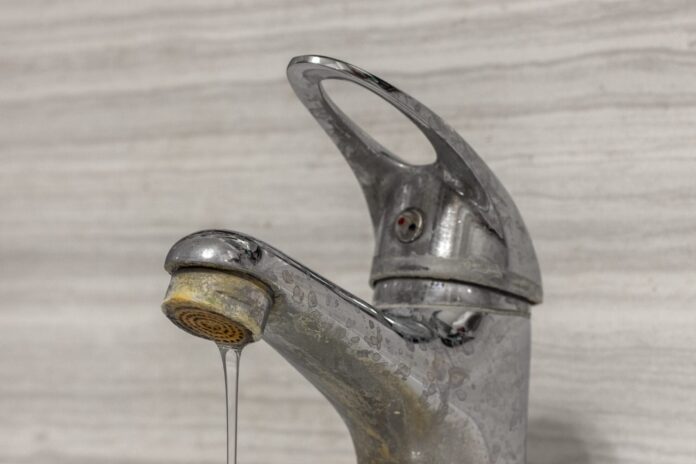
Hard water is part of everyday life in Hawaii. It shows up on shower doors, windows, and even the glasses in your kitchen. For visitors it can feel like an inconvenience, but for residents it’s a constant reality. To understand how to prevent and treat it, it helps to look at what’s really happening when those cloudy marks appear.
What makes the issue more frustrating is that Hawaii is otherwise known for its clean, refreshing water. Families expect it to feel pure when it comes out of the tap.
Yet the very minerals that make it naturally filtered through volcanic rock also create visible residue once the water evaporates. The warm climate speeds up that evaporation, and suddenly your glass doors, balcony railings, or even car windows carry a film that won’t easily wipe away.
For homeowners, renters, and even hotel managers, the question becomes practical: how do you balance enjoying the islands’ beauty with maintaining clear glass surfaces day after day?
The answer starts with understanding the causes, recognizing when spots turn into permanent etching, and knowing what options you have to address them. That way, you can keep your living space bright and welcoming without constant frustration.
Why Hard Water Is Common in Hawaii
Hawaii’s geology explains much of the story. Rainfall seeps through volcanic rock and soil rich in minerals like calcium and magnesium. As the water travels underground and resurfaces through wells, aquifers, or springs, it carries these minerals with it. That mineral-rich supply is what eventually flows into homes.
The result: water that’s “hard.” It’s not unsafe, but it leaves traces behind. On glass, those traces dry into visible spots. Over time, if left untreated, they etch into the surface and become harder to clean.
In Hawaii, the warm, humid climate makes this more noticeable because evaporation happens quickly, leaving behind more mineral deposits than in cooler, drier places.
How Hard Water Spots Form on Glass
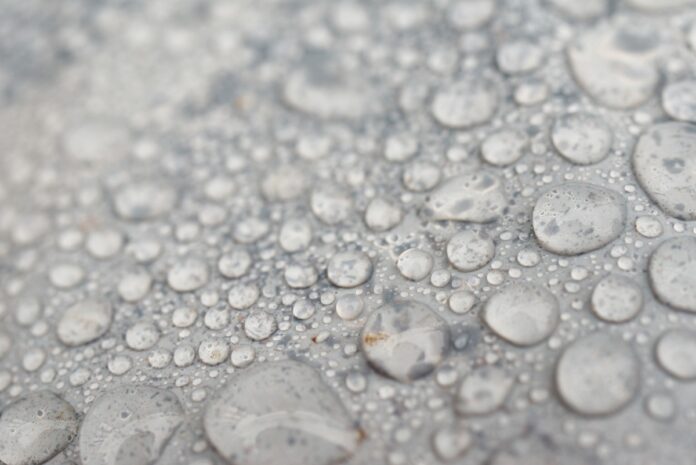
Think of each droplet of water as a carrier. When it lands on glass, the water itself evaporates but the minerals stay behind. A single drop may leave only a faint ring, but repeated exposure creates overlapping marks that dull the glass.
The main culprits include:
- Calcium carbonate deposits that create a chalky film.
- Magnesium salts that appear as cloudy streaks.
- Silica from volcanic rock can create stubborn spots.
Once these deposits bond with glass under sunlight and heat, they can almost “bake” into the surface. That’s why regular wiping doesn’t always work.
Practical Options for Dealing With Spots
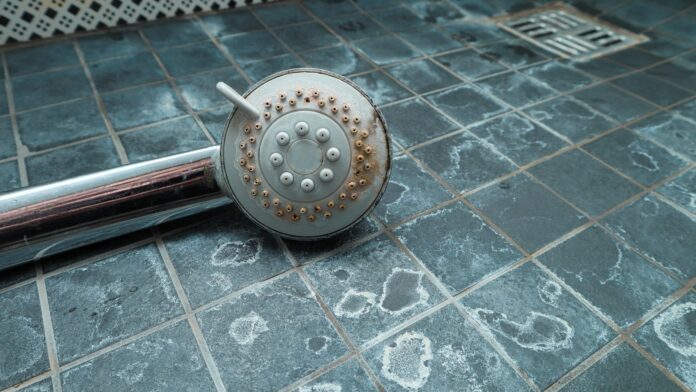
Many homeowners wonder if they can simply polish them away. Sometimes, yes. But once the minerals have etched into the glass, the problem shifts from surface cleaning to restoration.
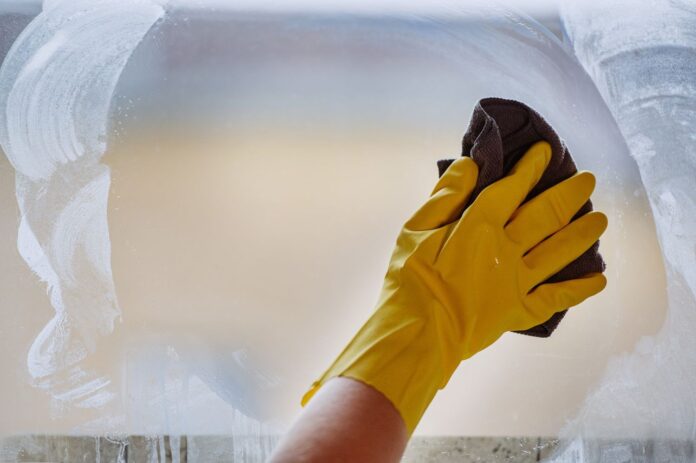
One reliable approach is professional hard water spot removal by local specialists who use safe techniques that lift minerals without scratching or damaging the glass. This option matters most for oceanfront homes, hotels, or condos where salt spray combines with hard water, creating even tougher stains. For routine care, simple preventive habits—like wiping down shower doors after each use—can slow the buildup.
Signs the Spots Are Getting Worse
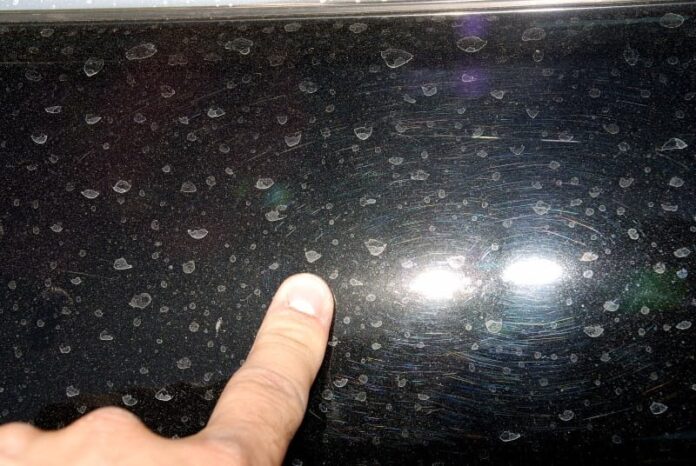
At first, hard water marks look like a haze. Over time they may turn into rough patches you can feel with your hand. That’s the stage where household cleaners lose their effect.
A simple test: run your fingers over the glass when it’s dry.
- If it feels smooth but looks cloudy, you’re dealing with surface deposits.
- If it feels rough, the minerals have started to etch in.
At the etched stage, glass can look permanently stained, and the cost of replacing panes or doors becomes higher than regular maintenance would have been.
Everyday Prevention Habits
Even though Hawaii’s water is naturally mineral-rich, small habits can keep the marks in check.
- Use a squeegee daily. One or two swipes after a shower remove water before it dries.
- Install a water softener. This reduces minerals at the source, protecting not just glass but also pipes and appliances.
- Apply a protective coating. Many hardware stores sell treatments that repel water, similar to car windshield sprays.
- Ventilate bathrooms. Airflow slows evaporation, giving you more time to wipe surfaces.
These steps don’t eliminate the issue entirely, but they slow the cycle and save effort in the long run.
Comparison of Cleaning Approaches
Sometimes prevention isn’t enough, and you need removal. Here’s a simple comparison of common options:
| Approach | Best For | Notes |
|---|---|---|
| Vinegar or lemon solution | Light, recent spots | Gentle, natural, but limited power |
| Store-bought cleaners | Moderate buildup | Can be effective but require scrubbing |
| DIY baking soda paste | Small areas, quick fixes | Mild abrasive, avoid overuse |
| Professional removal | Etched or severe deposits | Preserves glass, cost-effective compared to replacement |
Alongside hard water, Hawaii’s coastal homes face another enemy—salt. When sea spray dries on windows or balcony glass, it mixes with mineral deposits from water. That double layer makes spots even more stubborn. Many homeowners in Honolulu and Maui report faster buildup when trade winds blow inland. Regular rinsing with fresh water and prompt drying can make a noticeable difference.
Cheat Sheet: Quick Reminders
- Hard water in Hawaii comes from mineral-rich volcanic rock.
- Spots form when water evaporates but minerals stay behind.
- Calcium, magnesium, and silica are the main culprits.
- Early spots can be wiped away, etched ones often need professional help.
- Prevention: daily squeegee, softeners, coatings, good airflow.
- Salt air near the coast accelerates the problem.
Final Thoughts
Living in Hawaii means adapting to the environment – sun, salt, and yes, hard water. The good news is that with consistent care, those cloudy marks don’t have to define your windows or shower doors. Understanding why they form makes prevention feel less like a chore and more like part of daily upkeep.
Think of it as caring for your space the way you care for a garden: a little daily attention prevents bigger repairs later. And if the spots have already taken hold, professional help is available to restore clarity. Clean glass may seem like a small detail, but it changes how a room feels – bright, open, and welcoming.