
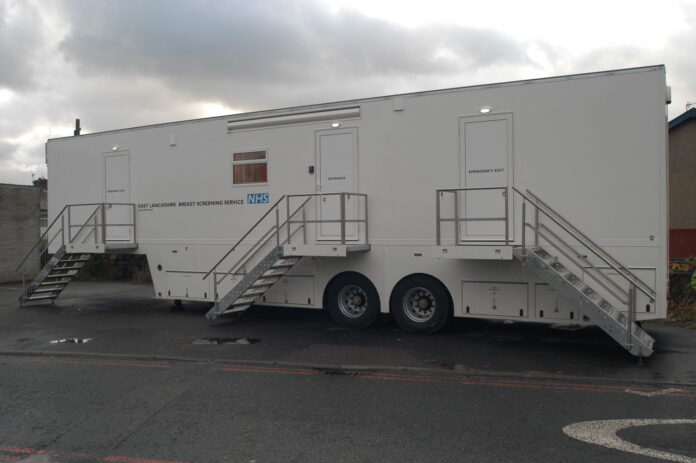
Articulated lorry trailers — or artic trailers as they are commonly known — are the workhorses of the transport industry. These trailers are used every day to move the goods that keep the economy running, from supermarket produce to construction materials. Their size, flexibility, and efficiency make them essential to a wide range of sectors across the UK and beyond.
The Backbone of Retail and Distribution
Perhaps the most recognisable use of artic trailers is within retail logistics. Supermarkets, wholesalers, and e-commerce companies rely on them to transport vast quantities of stock between warehouses, distribution centres, and retail outlets. Because artic trailers can be detached from the cab, logistics operators can easily swap between loaded and unloaded trailers to maximise vehicle uptime. This modularity makes them ideal for fast-moving consumer goods (FMCG) operations where time and efficiency are everything.
E-commerce giants also depend on articulated vehicles to handle the surge in online orders. During peak shopping seasons, retailers often lease additional trailers to meet the extra demand. This flexibility allows businesses to scale operations quickly without investing in permanent fleets.
Manufacturing and Industrial Sectors
In manufacturing, artic lorry trailers are indispensable for moving raw materials and finished goods between sites. Heavy machinery, components, and bulk materials all need to be transported safely and efficiently. Many industrial firms use curtain-sided trailers so that forklifts can load and unload items quickly from either side, minimising downtime on production lines.
Manufacturers of everything from automotive parts to electronics benefit from the versatility of artic trailers. The option to use flatbed, box, or refrigerated configurations means these trailers can adapt to a wide variety of cargo types and conditions.
Agriculture and Food Transport
The agricultural industry relies heavily on artic trailers to move harvests, livestock feed, and farm equipment. Refrigerated trailers are essential for maintaining the cold chain during the transport of perishable goods such as dairy, meat, and fresh produce. By keeping items at a controlled temperature, these trailers help ensure food reaches consumers in top condition while meeting stringent health and safety standards.
Seasonal flexibility is another advantage for farmers and food distributors. During harvest season, the ability to quickly increase trailer capacity helps prevent spoilage and keeps supply chains moving smoothly.
Construction and Infrastructure Projects
Articulated trailers also play a crucial role in the construction and infrastructure sectors. They transport bulk materials such as steel, timber, and concrete products to building sites nationwide. Flatbed trailers are particularly common in this industry because they can carry oversized or irregularly shaped loads like beams or prefabricated sections.
Infrastructure projects, including road and rail developments, also make heavy use of artic trailers to move machinery and supplies between depots and worksites. Their durability and load capacity make them ideal for handling the weight and volume required in such demanding environments.
Event and Exhibition Logistics
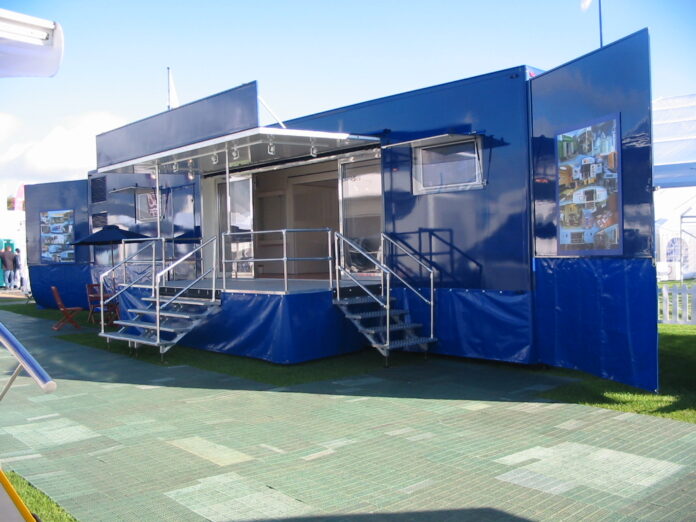
Outside of traditional industry, artic trailers are surprisingly common in the events and entertainment world. Touring concerts, trade shows, and festivals depend on them to carry staging, lighting, and equipment across the country. Because trailers can be customised with storage racks and power systems, they are often turned into mobile workshops or temporary storage units for complex touring setups.
Specialist and Custom Applications
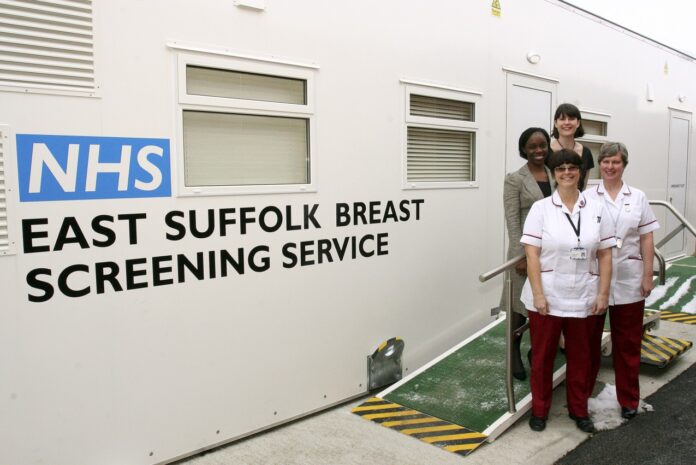
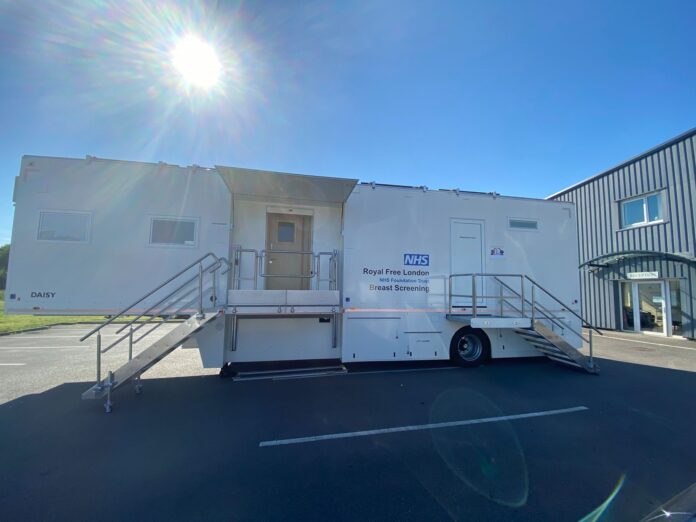
In addition to mainstream logistics, some companies use artic trailers for highly specialised applications. Mobile medical units, testing laboratories, and even exhibition trailers are built using articulated designs. Their size and mobility make them perfect for bringing specialist facilities directly to where they are needed most.
For businesses across all these sectors, choosing the right trailer design and supplier is critical. Companies such as artic lorry trailer manufacturers can provide tailored solutions that meet industry-specific requirements, whether that involves load capacity, accessibility, or regulatory compliance.
Final Thoughts
From the aisles of supermarkets to the depths of construction sites, artic lorry trailers are everywhere — though we rarely notice them. Their versatility, strength, and adaptability make them one of the most valuable assets in modern logistics. Whatever the cargo or destination, artic trailers ensure the UK’s goods keep moving efficiently, safely, and on time.
One area where articulated lorry trailers are seeing rapid growth is in the renewable energy and sustainability sectors. As the UK and other countries transition toward greener infrastructure, there is a growing need to transport large components such as wind turbine blades, solar panels, and energy storage systems. S
pecialised extendable flatbed trailers are often used for these oversized loads, allowing logistics companies to deliver vital components to remote or hard-to-access project sites. This capability makes artic trailers a crucial link in building the sustainable infrastructure of the future.
The logistics industry itself is also evolving to meet environmental goals, and artic trailers are playing a part in that transition. New lightweight materials and aerodynamic trailer designs are helping fleets reduce fuel consumption and emissions. Some manufacturers are even developing electric-powered trailers and systems that integrate regenerative braking to improve energy efficiency during long hauls. These innovations not only reduce the carbon footprint of freight transport but also align with corporate sustainability commitments and government regulations.
In addition, the rise of intermodal transport — where goods are moved seamlessly between road, rail, and sea — is increasing the demand for trailers that can integrate easily into multiple transport modes. Artic trailers designed for quick container loading and unloading enable smoother transitions across logistics networks, helping companies shorten delivery times and reduce costs.
Finally, as supply chains become more data-driven, articulated trailers are being equipped with smart sensors and telematics. These technologies allow operators to track cargo conditions, monitor location in real time, and predict maintenance needs, improving reliability and safety.
In an era defined by technological progress, environmental responsibility, and global trade, artic lorry trailers are evolving far beyond their traditional roles. They remain essential to modern logistics — not just as transport tools but as innovative, adaptable assets shaping the future of supply chains.