
Luxury watches are not just tools for telling time; they are markers of identity, taste, and legacy. The most legendary timepieces transcend fleeting fashion trends, blending precision engineering with artistic mastery.
Whether handed down through generations or discovered in an auction house, these watches symbolize timeless craftsmanship and enduring elegance.
In today’s world of fast technology, a mechanical masterpiece still stands as the purest statement of permanence. Simply put, luxury watches remain one of the few possessions that gain emotional and often financial value over time.
The Origins of Timeless Craftsmanship
The fascination with fine watchmaking began in the 16th century when Swiss and French horologists pioneered mechanical clocks small enough to wear.
These early innovations paved the way for family-owned maisons, Patek Philippe, Vacheron Constantinand, and Band Reguet, that would later define the concept of “haute horlogerie.”
Every element was crafted by hand: gears, jewels, and cases were treated with the same care as royal jewelry.
By the 20th century, the tradition had evolved into modern luxury. Watches became heirlooms. They were given at milestones, graduations, retirements, weddings, and carried forward as emotional symbols.
The real secret behind their prestige lies in consistency: brands that maintained mechanical excellence and design integrity continue to dominate today’s market.
Icons That Shaped Generations
Rolex Submariner: The Everyday Legend
Few watches have achieved the cultural status of the Rolex Submariner. Introduced in 1953, it redefined what a sports watch could be: robust, waterproof, and yet elegant enough for a tuxedo.
The Submariner’s clean design and precision chronometer movement made it the go-to piece for divers, explorers, and even James Bond.
Its value lies not only in its design but in what it represents: reliability and quiet confidence. From Sean Connery’s Dr. No to modern collectors, the Submariner continues to define masculine luxury.
| Feature | Specification |
| Year Introduced | 1953 |
| Movement | Automatic (Caliber 3135/3230) |
| Water Resistance | 300 meters |
| Case Size | 40–41 mm |
| Material Options | Oystersteel, Yellow Gold, Rolesor |
| Legacy | The world’s most recognized diving watch |
Patek Philippe Calatrava: The Definition of Refinement
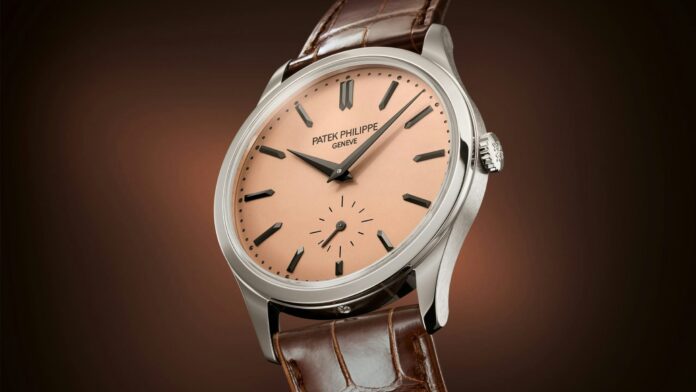
For pure elegance, no model surpasses the Patek Philippe Calatrava. Released in 1932, it became the archetype of minimalist sophistication. The clean dial, slim case, and subtle indices embodied the Bauhaus principle of “form follows function.”
A Calatrava is not worn to impress; it is worn to express restraint, education, and respect for craftsmanship.
Collectors know that owning one means entering a legacy of family ownership and generational continuity, a core message behind Patek Philippe’s motto: “You never actually own a Patek Philippe. You merely look after it for the next generation.”
| Feature | Specification |
| Year Introduced | 1932 |
| Movement | Manual or Automatic |
| Case Material | Gold or Platinum |
| Style | Dress |
| Distinction | Timeless design simplicity |
Audemars Piguet Royal Oak: The Rebellion of Steel
When Audemars Piguet launched the Royal Oak in 1972, it shattered every rule of luxury. Designed by Gérald Genta, the octagonal bezel and visible screws transformed a stainless-steel sports watch into a luxury statement.
At a time when gold ruled the market, this design dared to elevate steel to the level of fine jewelry.
Today, the Royal Oak stands as a symbol of modern luxury and creative risk. Its integrated bracelet and detailed finishing make it both technical and bold. It appeals to those who appreciate precision but reject convention.
| Feature | Specification |
| Designer | Gérald Genta |
| Year Introduced | 1972 |
| Case Material | Stainless Steel (initially) |
| Movement | Automatic, In-house |
| Distinction | The first luxury steel sports watch |
Mechanical Art and the Modern Collector
The 21st century has not weakened the allure of mechanical ho; olog; , it has magnified it. In a world of disposable technology, collectors seek permanence and artistry. Auction results prove this: rare watches regularly sell for millions, often exceeding art or car prices.
These are not impulsive purchases but studied acquisitions. A vintage Rolex Daytona “Paul Newman” or an early Omega Speedmaster represents both emotional and financial investment.
Luxury watches are now considered an alternative asset class. Their limited production, meticulous heritage, and secondary market value ensure they appreciate over time.
More importantly, they provide tactile satisfaction, a connection to mechanical purity impossible in digital devices.
For anyone looking to explore this market or trade high-end timepieces, reputable buyers such as luxury watch specialists in global hubs like Dubai offer professional evaluation and secure selling platforms.
This approach ensures that both craftsmanship and legacy are preserved responsibly, while owners receive fair value for their pieces.
Generational Appeal: Why These Watches Endure
The longevity of luxury watches is not accidental. Several elements ensure their relevance across decades:
- Design Consistency: Brands like Rolex and Patek Philippe evolve slowly. Their icons retain core design language, subtle updates without sacrificing recognizability.
- Craftsmanship: True luxury is measured by manual labor hours per piece. Movements are assembled, polished, and tested by artisans.
- Cultural Endorsement: Cinema, sports, and politics have immortalized certain models. From Paul Newman’s Daytona to JFK’s Omega, storytelling strengthens collectibility.
- Rarity: Low production and exclusivity drive desirability. Limited editions or discontinued models gain value instantly.
- Mechanical Integrity: A well-maintained movement can outlast its owner. Servicing ensures the watch remains accurate for centuries.
These characteristics explain why a young professional, a retiree, and a collector can all find equal meaning in the same reference.
The emotional thread lies in continuity; each generation recognizes craftsmanship as a universal value.
The Modern Evolution of Luxury Timepieces
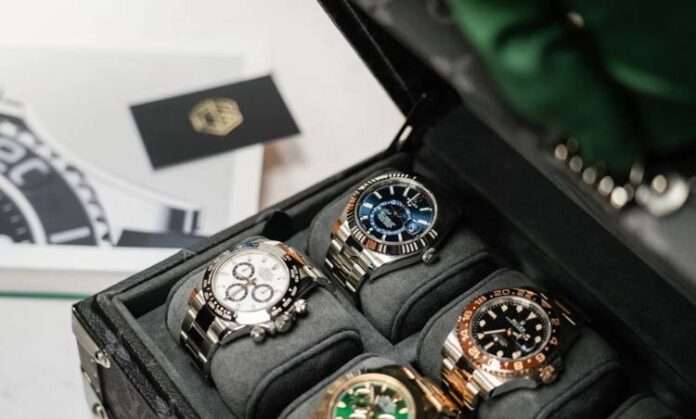
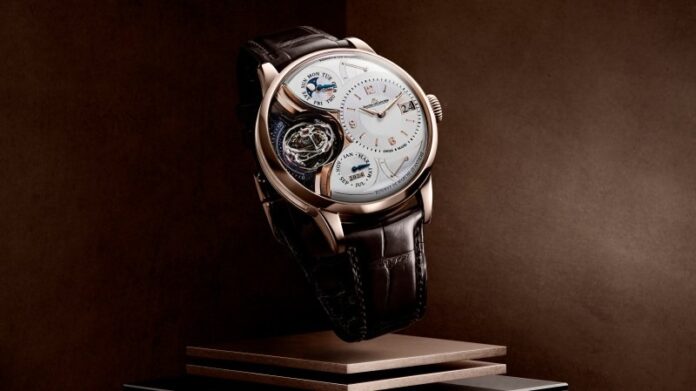
While traditional brands dominate, innovation continues to reshape horology. Advanced materials like ceramic, titanium, and carbon fiber have entered the scene, blending luxury with modern durability.
Smartwatches may dominate sales, but mechanical pieces remain the gold standard for emotional and aesthetic investment.
Some contemporary independent makers, F.P. Journe, Richard Mille, A. Lange & Söhne, challenge the old guard by introducing bold mechanisms and architectural movements.
They attract a younger audience seeking individuality rather than status. Yet even they owe their existence to the heritage of the classics.
| Trend | Example | Distinctive Feature |
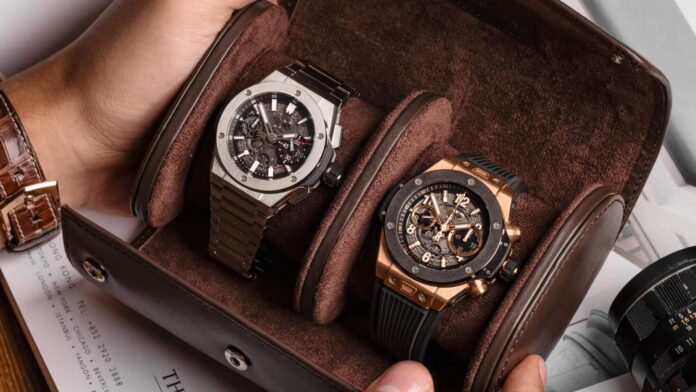
| Material Innovation | Hublot Big Bang Unico | Fusion of ceramic, gold, and titanium |
| Microbrand Rise | Baltic, Ming | Affordable entry into serious mechanical craftsmanship |
| Ultra-Thin Design | Piaget Altiplano | Mechanical movement under 3mm thick |
| Skeletonization | Cartier Santos-Dumont Skeleton | Exposed architecture for visual appeal |
Investment, Legacy, and Emotion
A great watch is never just a purchase; e, it is a decision that intertwines emotion with value. While collectors often discuss appreciation percentages and auction results, the truer measure of worth is sentimental.
A father’s Calatrava or a mother’s Cartier Tank carries invisible weight that no digital record can replicate.
This emotional durability explains why luxury watches remain recession-resistant. They serve as both wearable art and private heritage, an object that connects past, present, and future through something as simple and profound as the passing of time.
Final Reflection
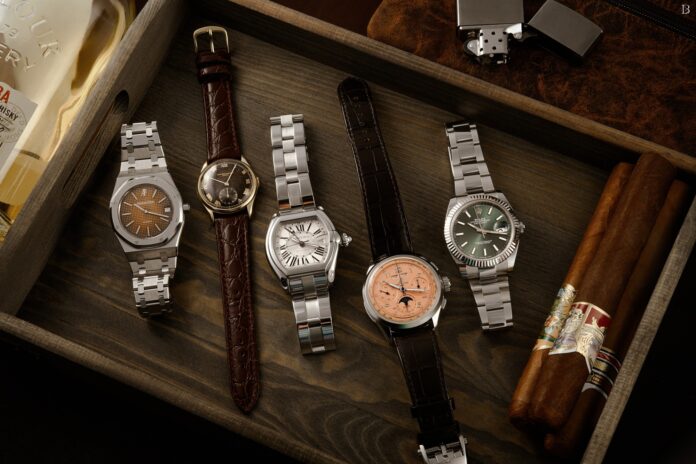
Generations have changed, but the essence of elegance remains constant. The watch on a wrist still tells more than the hour; it tells a story. It speaks of tradition, craftsmanship, and personal identity in a world where everything else feels temporary.
A legendary watch does not age; it matures.
From the first Patek Philippe crafted in Geneva to the bold Royal Oak and enduring Submariner, these masterpieces continue to define what refinement means across eras.
They are not relics of the past but living testaments to humanity’s pursuit of precision and beauty, proof that true luxury is not about possession, but preservation.