

Every Veterans Day, we honor those who fought, bled, and sacrificed so that liberty might live. The Tuskegee Airmen deserve a special place among those heroes.
They not only flew missions in World War II but also battled prejudice, inequality, and institutional obstacles. Their legacy reminds us that the fight for freedom isn’t only on foreign soil—it often begins at home.
Rising Above Segregation: The Birth of a Legend
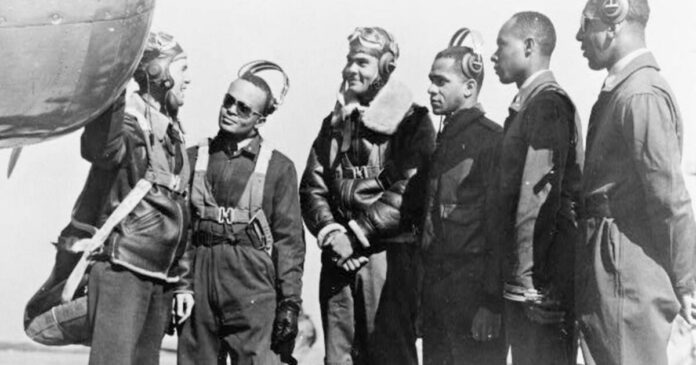
In January 1941, under pressure from civil rights advocates such as the NAACP, the U.S. War Department authorized the formation of an all-Black flying unit.
This became the 99th Pursuit Squadron (later called Fighter Squadron), trained at the newly built Tuskegee Army Air Field in Alabama.
The first class of Black pilot cadets graduated in March 1942. Despite intense scrutiny, limited resources, segregated facilities, and pervasive skepticism from many senior officers, the Tuskegee training program persevered.
One lesser-known aspect: The advanced training (for B-25 bombers, navigators, and bombardiers) was initially denied at Tuskegee. The War Department’s segregation policy forced Black officers to go to white training schools for advanced instruction.
Valor in the Air: Combat, Achievements, and Quiet Courage
The Airmen flew in several capacities: as fighter-escorts, ground attacks, and reconnaissance. Over the course of the war, about 992 pilots graduated from Tuskegee’s pilot training program.
They flew 1,578 missions and over 15,500 sorties, destroyed about 261 enemy aircraft, and earned more than 850 medals.
Some of the most noteworthy individuals:
- Lee Archer, one of the more famous pilots, flew 169 combat missions and was credited as one of the very few Tuskegee Airmen to become a “fighter ace.”
- Joseph Elsberry downed three German aircraft in a single mission.
- Harry T. Stewart Jr. is another whose career exemplifies both heroism and the quiet dignity of the group. He flew many escort missions, shot down enemy aircraft, and later helped preserve their history.
These were dangerous missions: bomber escort duty was particularly risky. Enemy fighters, anti-aircraft fire, long flights over hostile territory—all while often getting less support than white units.
Still, the Tuskegee Airmen earned a reputation for skill, discipline, and dependability that would challenge racist assumptions.
Internal Struggles & Historic Protests
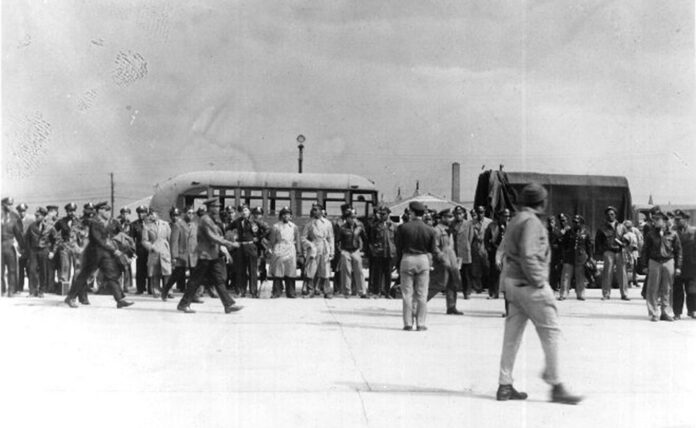
Their success came despite internal inequality and structural racism within the U.S. military.
The Freeman Field Mutiny in 1945: When the 477th Bombardment Group’s Black officers were denied access to officers’ clubs at Freeman Field in Indiana, they staged a nonviolent protest, entering the segregated clubs in defiance of discriminatory orders.
Discrimination in training, supply, and advancement was common. Even when they proved themselves in flight, many Tuskegee Airmen had to wait for recognition, face delays, or receive less favorable assignments because of race.
After the War: Legacy, Recognition, and Continuing Struggle
After WWII, the achievements of the Tuskegee Airmen helped set the stage for broader changes:
Their performance under fire helped push forward Executive Order 9981 in 1948, which desegregated the U.S. Armed Forces.
The argument was: if these men can fly, fight, and die for America under discrimination, the country owes them—not just thanks, but justice and equality.
Many members of the Tuskegee Airmen went on to successful civilian lives—business, aviation, politics. Some remained active in veteran affairs, education, and advocacy. Their lives after the war show that serving doesn’t end with combat.
George Hardy is one example: he flew 21 combat missions in WWII, then flew in later wars, and spent a lifetime preserving the story of the Airmen.
Lessons Still Unlearned: What the Tuskegee Airmen Teach Us
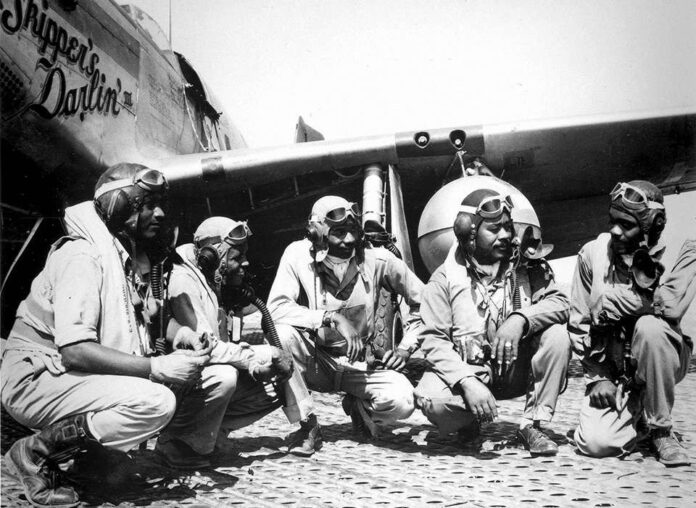
The Tuskegee Airmen were more than a “first African-American flying unit.” Their story reveals lessons that are still relevant:
Freedom demands both courage and patience
They flew into battle against enemies abroad and fought battles at home against prejudice. Both kinds of battles cost lives, dignity, and morale.
Merit under pressure changes minds
The consistent excellence of the Tuskegee Airmen forced people who doubted them to change their views—or at least face uncomfortable truths. Their valor was a moral argument in addition to a military one.
Protest and principle matter
The Freeman Field Mutiny and other acts show that when systems deny equality even in small ways, protest is sometimes the only path forward. Their resistance was peaceful but firm, and it made a difference.
Recognition often lags—honor must be followed by justice
Many Tuskegee Airmen didn’t get the recognition or reward they deserved until decades later. Medals, institutional honors, and even public awareness came slowly.
- That’s a reminder: honoring veterans must involve ongoing efforts to correct narratives, ensure veterans’ welfare, and lift up stories that were suppressed.
Remembering the Tuskegee Airmen on Veterans Day
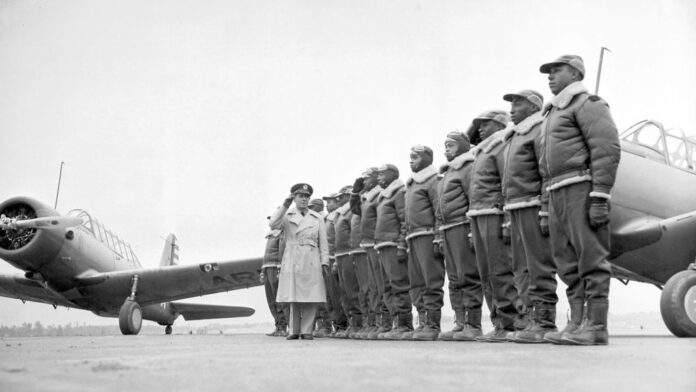
On this Veterans Day, when we salute all who served, the legacy of the Tuskegee Airmen calls us to remember both their missions in the sky and their struggle on the ground.
Their sacrifice was double: they fought enemies abroad and prejudice at home. Their service helped make America more just—but it didn’t finish the job.
We honor them by:
- Telling full stories—not just the battles, but the barriers.
- Supporting veterans who still suffer the after-effects of war and discrimination.
- Demanding that our institutions live up to the promise they defended so well: that freedom is for everyone, not just those who already have a voice or privilege.