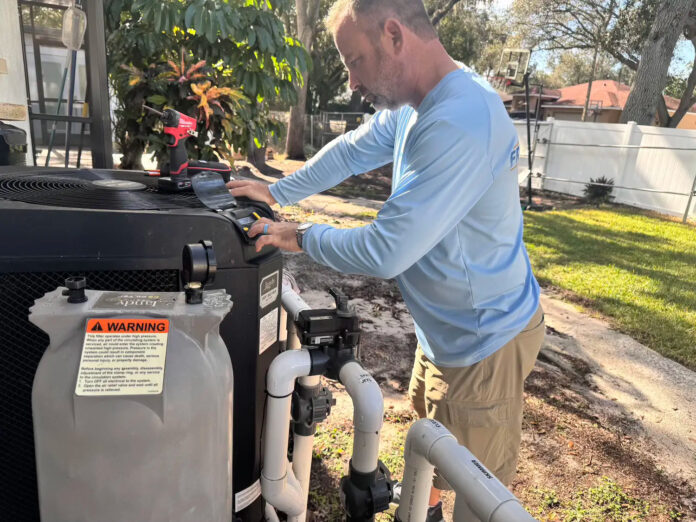
A swimming pool provides more than a place to cool off during hot summer days. For many homeowners, a backyard pool becomes a gathering space for family events, weekend relaxation, exercise, and outdoor entertainment.
One of the most important components that helps maximize enjoyment is the pool heater. A properly functioning heater can extend your swimming season, improve comfort, and allow you to enjoy your pool long after temperatures begin to cool.
When a heating system starts failing, however, comfort quickly disappears. Water temperatures drop, heating cycles become inconsistent, and equipment performance may decline rapidly.
In some situations, a repair can restore operation. In others, complete pool heater replacement becomes the smarter long-term investment.
For homeowners throughout Mercer County NJ, maintaining an efficient heating system is especially important because of seasonal weather changes. Early spring mornings and cooler fall evenings can significantly affect water temperatures.
Reliable pool heating equipment helps create a more enjoyable swimming experience while allowing homeowners to get more value from their pool investment.
Whether you are dealing with a system breakdown, inconsistent temperatures, or aging equipment nearing the end of its lifespan, understanding repair and replacement options can help you make the right decision.
Why Pool Heaters Are Important for New Jersey Homeowners
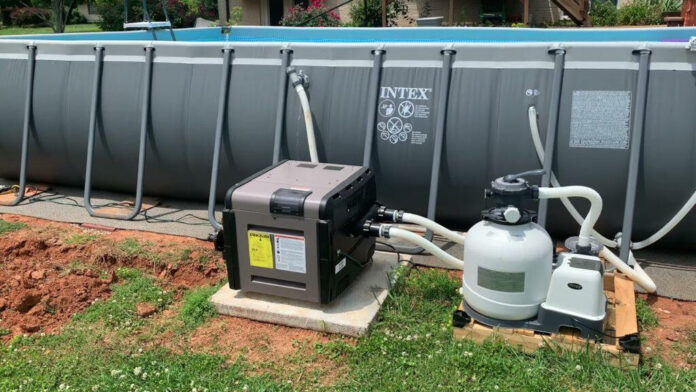
Without a heating system, swimming pools often become dependent on outdoor weather conditions. Even during summer months, cooler nights and temperature swings can leave water feeling uncomfortable.
A quality pool heater allows homeowners to maintain consistent temperatures and increase pool usage throughout the year.
Benefits of pool heating systems include:
- Longer swimming seasons
- More comfortable water temperatures
- Better use of backyard spaces
- Improved enjoyment for children and guests
- Increased flexibility during spring and fall
- Enhanced spa and hot tub performance
Many homeowners discover that installing or maintaining a heater gives them several additional weeks—or even months—of pool use each season.
Rather than waiting for the hottest weeks of summer, heated pools create a more predictable and enjoyable experience.
Common Warning Signs You Need Pool Heater Repair
Pool heaters often provide noticeable symptoms before complete failure occurs. Addressing smaller problems early may help avoid larger repairs or emergency service situations later.
Knowing what signs to watch for can help homeowners take action quickly.
Heater Fails to Start
One of the most obvious problems occurs when the heater does not turn on.
Potential causes may include:
- Ignition issues
- Electrical failures
- Sensor malfunctions
- Damaged control boards
- Faulty switches
- Gas supply problems
When startup problems repeatedly occur, professional inspection is usually necessary.
Water Does Not Reach Desired Temperature
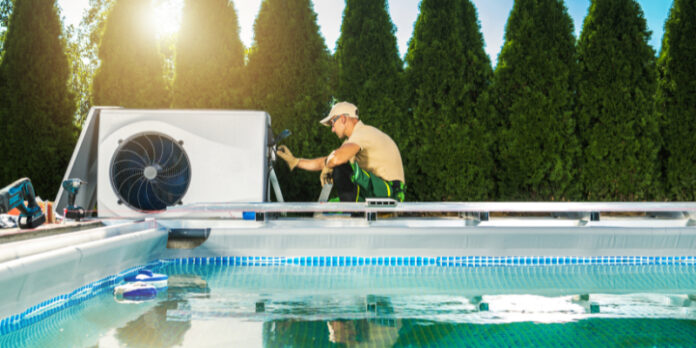
If the pool never reaches the selected temperature setting, heater performance may be declining.
Possible causes can involve:
- Restricted water flow
- Dirty filters
- Scale buildup
- Thermostat issues
- Heat exchanger problems
Performance declines sometimes happen gradually, making them difficult to notice at first.
Over time, homeowners may realize the pool simply never feels as warm as it once did.
Heater Cycles On and Off Constantly
Frequent cycling often indicates internal system problems.
Short cycling may result from:
- Pressure switch failures
- Water flow restrictions
- Sensor issues
- Overheating components
Repeated cycling creates unnecessary strain on heater components and can accelerate wear.
Unusual Sounds Coming from Equipment
Most pool heaters operate quietly. Strange noises often indicate developing mechanical issues.
Examples include:
- Banging
- Grinding
- Clicking
- Whistling
- Rattling
Unusual sounds can point toward loose components, burner problems, or internal damage.
Ignoring sounds often allows problems to worsen.
Error Messages or System Warnings
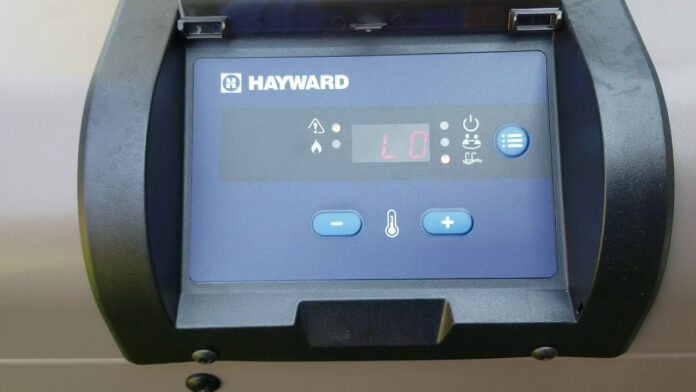
Many newer pool heaters include digital control systems designed to identify equipment problems.
Warning indicators frequently involve:
- Ignition failures
- Sensor errors
- Pressure problems
- Temperature concerns
- Water flow issues
Error codes provide valuable clues and help technicians diagnose equipment faster.
Why Pool Heaters Break Down
Heating systems contain numerous mechanical and electrical components that operate under demanding conditions. Over time, exposure to heat, moisture, pool chemicals, and outdoor weather naturally contributes to wear.
Several issues commonly lead to repairs.
Corrosion and Moisture Damage
Pool environments contain constant moisture and chemical exposure. Corrosion may gradually damage internal parts and electrical components.
Scale and Mineral Deposits
Minerals in pool water can accumulate inside heat exchangers and restrict performance.
This buildup reduces efficiency and may eventually lead to overheating or equipment failure.
Poor Water Flow
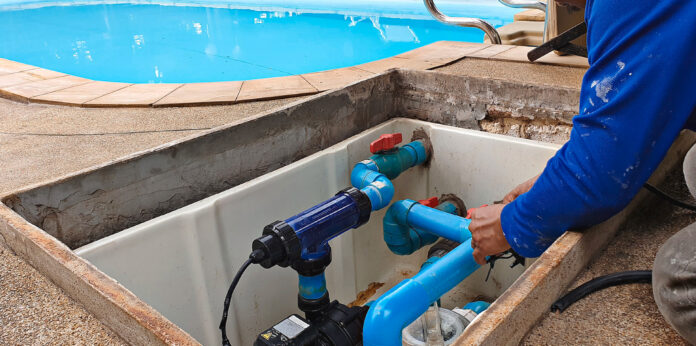
Restricted circulation often creates heater performance problems.
Water flow issues may stem from:
- Dirty filters
- Clogged plumbing
- Pump problems
- Valve restrictions
Reduced circulation affects the heater’s ability to operate properly.
Aging Internal Components
Over time, parts simply wear out.
Common replacement items include:
- Sensors
- Ignition systems
- Pressure switches
- Thermostats
- Electrical controls
As equipment ages, multiple components may begin failing simultaneously.
When Pool Heater Replacement Is the Better Option
Repairs can often restore heater performance, but replacement sometimes provides greater long-term value.
Determining whether to repair or replace depends on several factors.
The Heater Is Near the End of Its Lifespan
Most heaters eventually reach an age where efficiency decreases and breakdowns become more common.
Older equipment often requires more frequent service visits and ongoing repairs.
Repairs Are Becoming More Frequent
If service calls seem constant, replacement may save money over time.
Repeated repairs can quickly exceed the value of keeping an aging system operating.
Energy Costs Continue Rising
Older heating systems often become less efficient as components wear down.
Reduced efficiency can increase utility expenses and operating costs.
Major Internal Damage Exists
Large repairs involving heat exchangers or extensive corrosion may not make financial sense.
Replacement often becomes the more practical investment.
Replacement Parts Are Difficult to Find
Older heater models occasionally use discontinued components.
Limited part availability can make repair delays frustrating and expensive.
Types of Swimming Pool Heating Systems
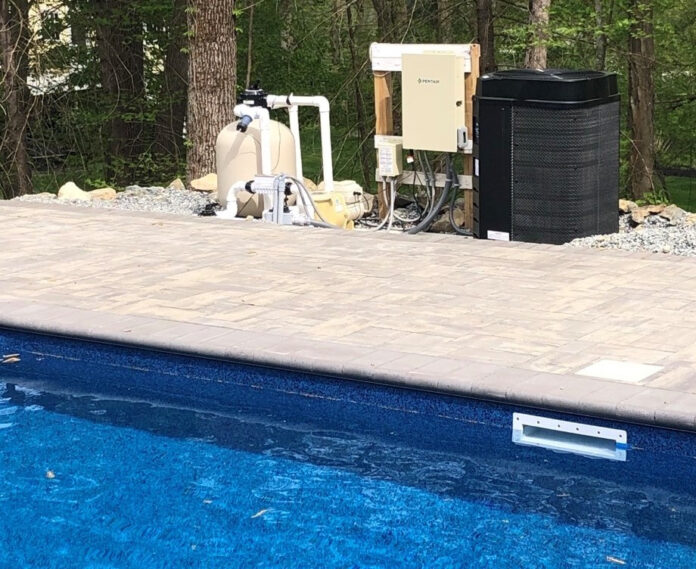
Today’s homeowners have several options when selecting a replacement heater.
The right choice depends on budget, climate, usage patterns, and heating goals.
Gas Pool Heaters
Gas systems remain one of the most popular heating options.
Advantages include:
- Rapid heating performance
- Strong output in cooler temperatures
- Reliable operation
- Excellent for occasional use
These systems heat quickly and work well regardless of outside air temperature.
Electric Heat Pumps
Heat pumps pull warmth from outdoor air and transfer it into pool water.
Benefits include:
- Energy efficiency
- Lower operating costs
- Consistent temperatures
- Reduced environmental impact
Heat pumps frequently appeal to homeowners looking for long-term savings.
Solar Pool Heating Systems
Solar systems use sunlight to generate pool heat.
Benefits can include:
- Lower energy costs
- Sustainable operation
- Reduced environmental impact
Solar heating may work well when combined with other heating options.
Advantages of Upgrading to a New Pool Heater
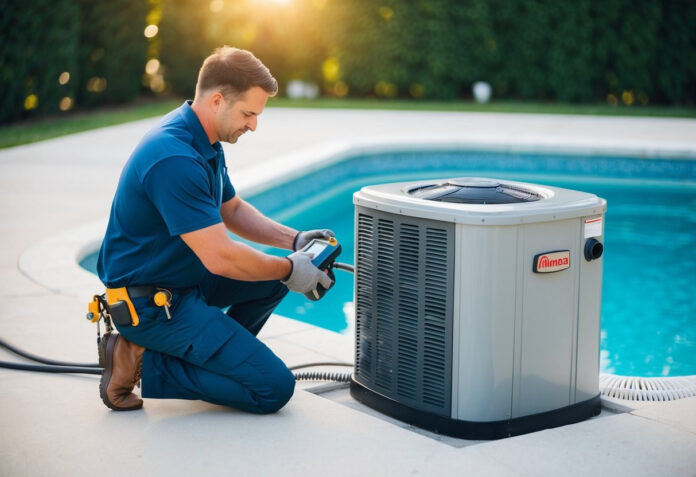
Technology continues improving throughout the pool equipment industry.
New heating systems frequently provide major improvements compared to older equipment.
Improved Energy Efficiency
Modern systems often consume less energy while producing stronger heating performance.
More Consistent Water Temperatures
New equipment helps maintain steadier heating cycles.
Reduced Maintenance Requirements
Advanced designs frequently require fewer repairs.
Smart Automation Features
Many modern systems integrate with pool automation technology and smartphone controls.
Better Long-Term Reliability
Newer equipment often delivers improved durability and performance.
Pool Heater Services Throughout Mercer County NJ
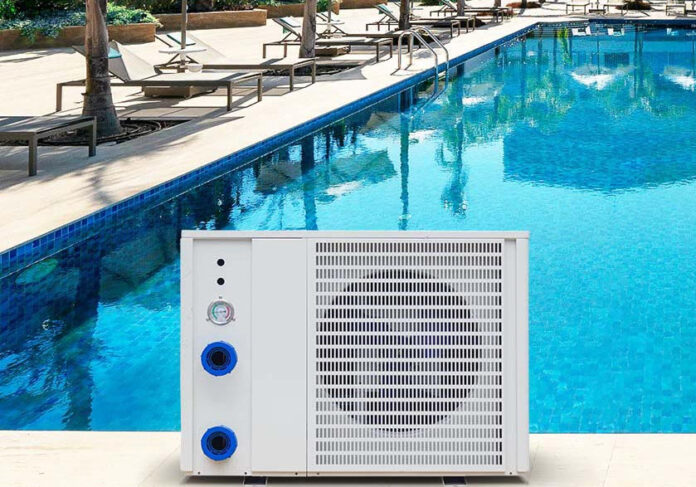
Pool owners throughout Mercer County experience changing seasonal temperatures that make heating systems an important part of pool enjoyment.
Many homeowners seek pool heater repair and replacement services in communities such as:
- Hamilton Township NJ
- Trenton NJ
- Princeton NJ
- Ewing Township NJ
- Lawrence Township NJ
- West Windsor NJ
Pools throughout these communities face varying seasonal demands and environmental conditions that place stress on heating systems over time.
Routine inspections, maintenance, and timely repairs can help avoid larger problems while improving performance and extending equipment life.
Many companies help homeowners keep heating systems operating efficiently so families can enjoy comfortable swimming conditions throughout more of the year.
Keep Your Pool Ready for Every Season
A pool heater does more than simply warm water. It helps extend the swimming season, improve comfort, and maximize the value of your backyard investment. When systems begin showing signs of wear, acting quickly can prevent larger equipment failures and avoid disruptions during peak swimming months.
Whether your heater requires a simple repair or complete replacement, upgrading aging equipment can improve performance, reduce operating costs, and create a better overall swimming experience. Investing in dependable pool heating solutions today helps ensure many seasons of comfortable swimming ahead.