Detecting plumbing issues early can stop minor problems from evolving into costly repairs. Regular plumbing inspections identify leaks before they result in significant water damage, saving homeowners thousands.
A sudden spike in water bills, the appearance of water stains on walls, low water pressure, and odd noises from pipes are all indicators that plumbing needs attention. Staying alert can help homeowners dodge expensive repairs in the future.
Investing in energy-efficient plumbing fixtures such as low-flow toilets and tankless water heaters can lead to significant reductions in water and energy use. These upgrades also help the environment by conserving overall water resources.
Having access to 24/7 emergency plumbing services is vital in thwarting extensive damage from problems like burst pipes. Fast responses can significantly reduce potential damage and mitigate crisis situations.
Long-term plumbing repairs should be prioritized over quick fixes to prevent recurring issues. Quality repairs from seasoned professionals foster more reliable plumbing systems and diminish the frequency of emergency calls.
Regular maintenance, which includes periodic inspections and the replacement of fixtures, can result in significant long-term savings. Taking proactive steps helps avert minor issues from escalating and ensures system efficiency.
Investing in plumbing services enhances both home safety and comfort, while simultaneously protecting one of life’s most valuable assets. Professional plumbing care demonstrates the importance of proactive strategies, energy-efficient upgrades, and dependable emergency services.
Spotting Issues Before They Escalate
How Early Detection Saves Big Bucks
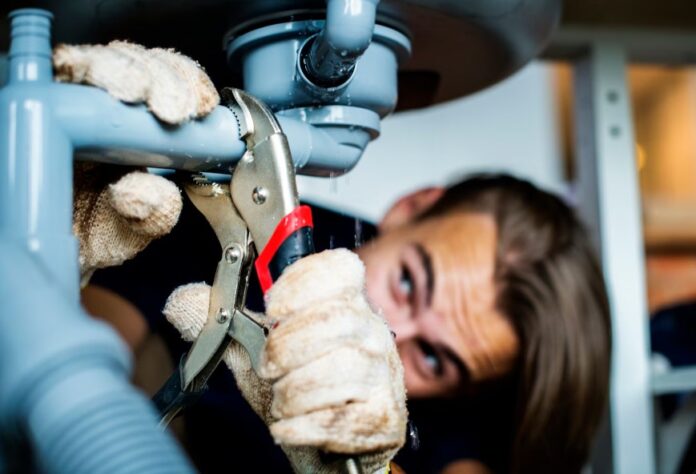
In home maintenance, early detection of plumbing issues is crucial. This can mean the difference between a small inconvenience and a financial nightmare. Many homeowners might dismiss small leaks or drips, thinking they pose no real threat. But even a minor leak can escalate into significant water damage over time. This isn’t just about a home’s appearance; it’s about protecting an investment.
Household leaks can also waste substantial amounts of water and raise utility bills. The EPA recommends regularly checking for leaks and considering leak detection or flow-monitoring devices that can identify unusual water use before a small issue becomes a larger problem.
Signs That Your Plumbing Needs Attention
Clients should watch for specific signs that indicate plumbing problems. Overlooking these signals can lead to costly repairs later. Common plumbing indicators include:
- Unexplained water bills: A sudden increase might suggest hidden leaks.
- Water stains: Often found on ceilings and walls, these signals indicate leaks behind surfaces.
- Low water pressure: This could signify clogs or corrosion in the pipes.
- Odd noises: Gurgling or banging sounds from pipes should be promptly investigated.
By remaining vigilant about plumbing issues, homeowners proactively manage their responsibilities. It’s straightforward: pay attention to your home, and it returns the favor. Many clients find that regular checks bring not just peace of mind but also a boost in their home’s market value. Now that’s a win-win!
Energy Efficiency: A Smart Investment
How Modern Plumbing Reduces Utility Bills
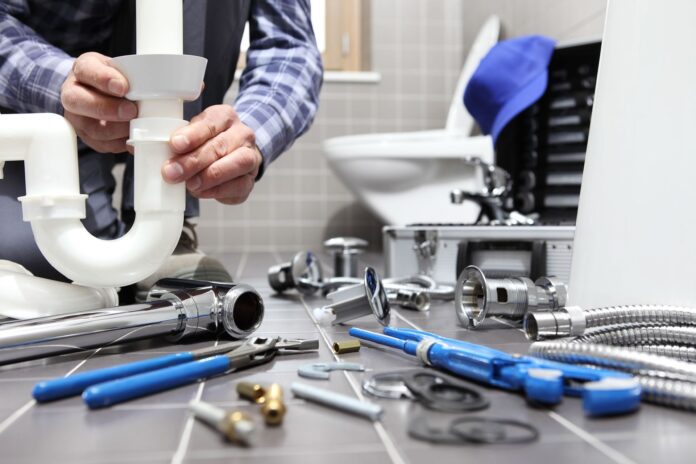
In a world that increasingly values sustainability, energy-efficient plumbing is the unsung hero. Modern fixtures—such as low-flow toilets and tankless water heaters—can create significant savings on monthly utility bills. According to the EPA, products carrying the WaterSense label are designed to use at least 20% less water while meeting performance criteria.
But it’s not just about savings; energy-efficient plumbing benefits the planet too. Using less water means reduced demand on water supplies and less energy required to treat and heat water. Homeowners often find that the initial investment in plumbing upgrades can provide long-term savings.
Tips for Choosing Energy-Efficient Fixtures
Selecting the right fixtures is essential for maximizing energy efficiency. When making choices, homeowners should consider the following:
- Look for WaterSense labels: These fixtures are independently certified for water efficiency and performance.
- Research flow rates: Knowing the typical flow rate for faucets and fixtures helps in finding efficient options.
- Consider efficient toilets and faucets that reduce water consumption without sacrificing normal performance.
For example, efficient faucets carrying the WaterSense label can reduce bathroom sink water flow by 30% or more compared with the standard flow rate.
While navigating these choices might seem challenging, it ultimately boils down to making informed decisions. Many homeowners overlook the advantages of simple plumbing upgrades. By choosing wisely, they set themselves up for better long-term savings and a more eco-friendly lifestyle.
Emergency Services: Peace of Mind
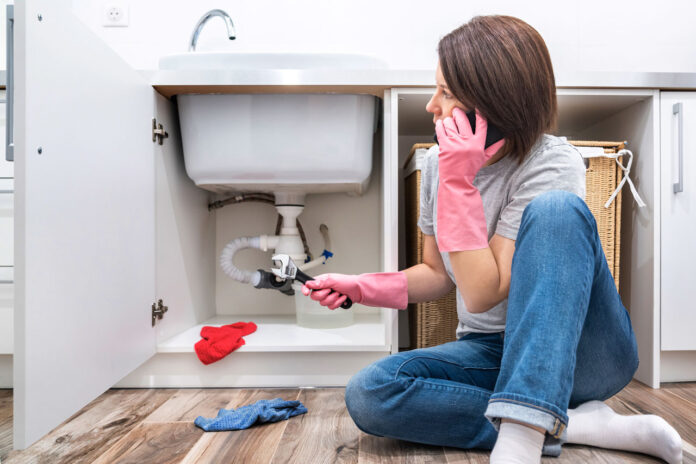
How Quick Responses Prevent Extensive Damage
Clients genuinely grasp the importance of plumbing emergency services when issues arise. A burst pipe at an inconvenient hour can lead to disastrous outcomes without timely intervention. The clock is ticking, and the consequences can be severe. Quick responses can stop manageable issues from developing into extensive water damage.
Water intrusion also creates conditions in which mold can grow. The CDC recommends fixing plumbing leaks and other moisture problems and drying wet materials quickly to reduce the risk of mold growth.
Many reputable plumbing companies provide 24/7 emergency services for this very reason. Older plumbing systems can be prone to various failures, especially in older homes. Rapid attention can contain a crisis and effectively minimize damages.
24/7 Availability: Why It Matters More Than Ever
Access to round-the-clock plumbing services is now essential, not just a luxury. Emergencies don’t conveniently work 9 to 5. A family might find themselves suddenly without water exactly when they need it most. Comfort and safety hinge on reliable services available any time, day or night. It’s all about securing peace of mind.
The ability to reach a professional at any hour serves as a reminder that help is always just a call away.
Many plumbing businesses take pride in their quick response times. Clients often express appreciation for the reassurance that comes with knowing someone who understands plumbing emergencies is always accessible. In some cases, that level of service is truly invaluable.
Long-Term Solutions Over Quick Fixes
Understanding the Value of Quality Repairs
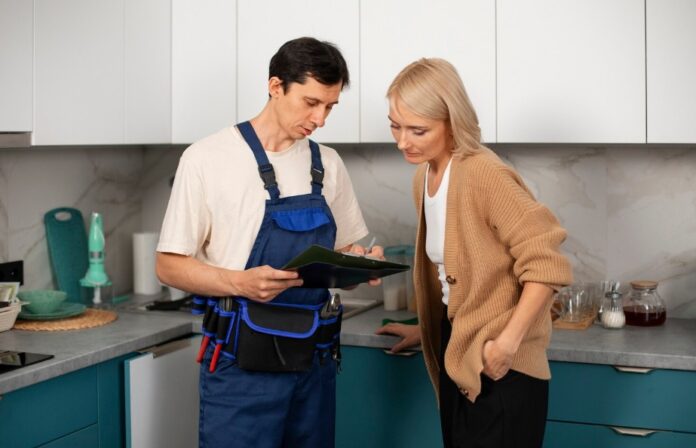
When choosing plumbing repairs and installations, quality cannot be overstated. Sure, a quick fix is tempting—cost-effective and fast—but it usually leads to recurring headaches later. Experts advocate prioritizing long-term solutions that provide reliability and consistent performance. What’s the price attached to a problem that keeps coming back? It’s a burden.
Homeowners should adopt an investment perspective when considering quality repairs through established plumbing services. Such professionals bring the expertise needed to address underlying issues rather than merely masking surface problems. Choosing quality not only results in fewer recurring issues but also reduces emergency call-outs.
The same principle applies to water-heating equipment. The U.S. Department of Energy notes that tankless water heaters heat water on demand and avoid the standby losses associated with conventional storage tanks.
Preventative Maintenance: Keeping Costs Down
Creating a routine maintenance schedule is essential for safeguarding plumbing systems. Regular check-ups can be a game changer. Simple actions—like clearing drains, inspecting pipes for wear, or replacing aging fixtures before they fail—can lead to major long-term savings.
- Schedule periodic inspections: These visits can uncover minor issues before they escalate.
- Check plumbing fixtures and visible pipes for signs of leaks or deterioration.
- Flush the water heater according to the manufacturer’s maintenance recommendations.
- Monitor unusual changes in water use that could indicate a hidden leak.
The EPA also recommends ongoing home maintenance, including regular leak checks and monitoring water bills for unexplained increases.
Clients often report less stress and fewer unexpected expenses post-implementation of consistent preventative maintenance. Those who commit to this proactive approach develop a more resilient plumbing system.
Ultimately, investing in plumbing services equips homeowners to save significantly while also protecting their most valued asset. Proactive measures, energy-efficient fixtures, and fast emergency responses underscore the undeniable worth of professional plumbing services.
FAQ
What are the signs of a plumbing problem?
Common warning signs include unexplained increases in water bills, water stains, dripping fixtures, low water pressure, slow drains, unusual pipe noises, and visible moisture around plumbing fixtures.
How often should plumbing be inspected?
There is no single schedule suitable for every property. Homeowners should routinely check visible pipes, fixtures, water heaters, and water bills, while older homes or systems with recurring problems may benefit from more frequent professional inspections.
Are water-efficient plumbing fixtures worth it?
They can reduce household water consumption and utility costs. WaterSense-labeled products are independently certified to meet EPA criteria for both efficiency and performance.
When is a plumbing problem an emergency?
Burst pipes, major uncontrolled leaks, sewer backups, flooding, or situations that leave the home without essential water service generally require immediate professional attention.
Can a small leak cause serious damage?
Yes. Even relatively small leaks can waste water and create persistent moisture that damages walls, floors, cabinets, and other materials. Moisture can also support mold growth if the underlying problem is not corrected.
Can homeowners handle plumbing repairs themselves?
Simple tasks such as replacing an aerator or addressing a minor, accessible fixture issue may be manageable for some homeowners. Persistent leaks, pipe damage, sewer problems, water-heater issues, and other complex repairs are generally better handled by qualified professionals.