
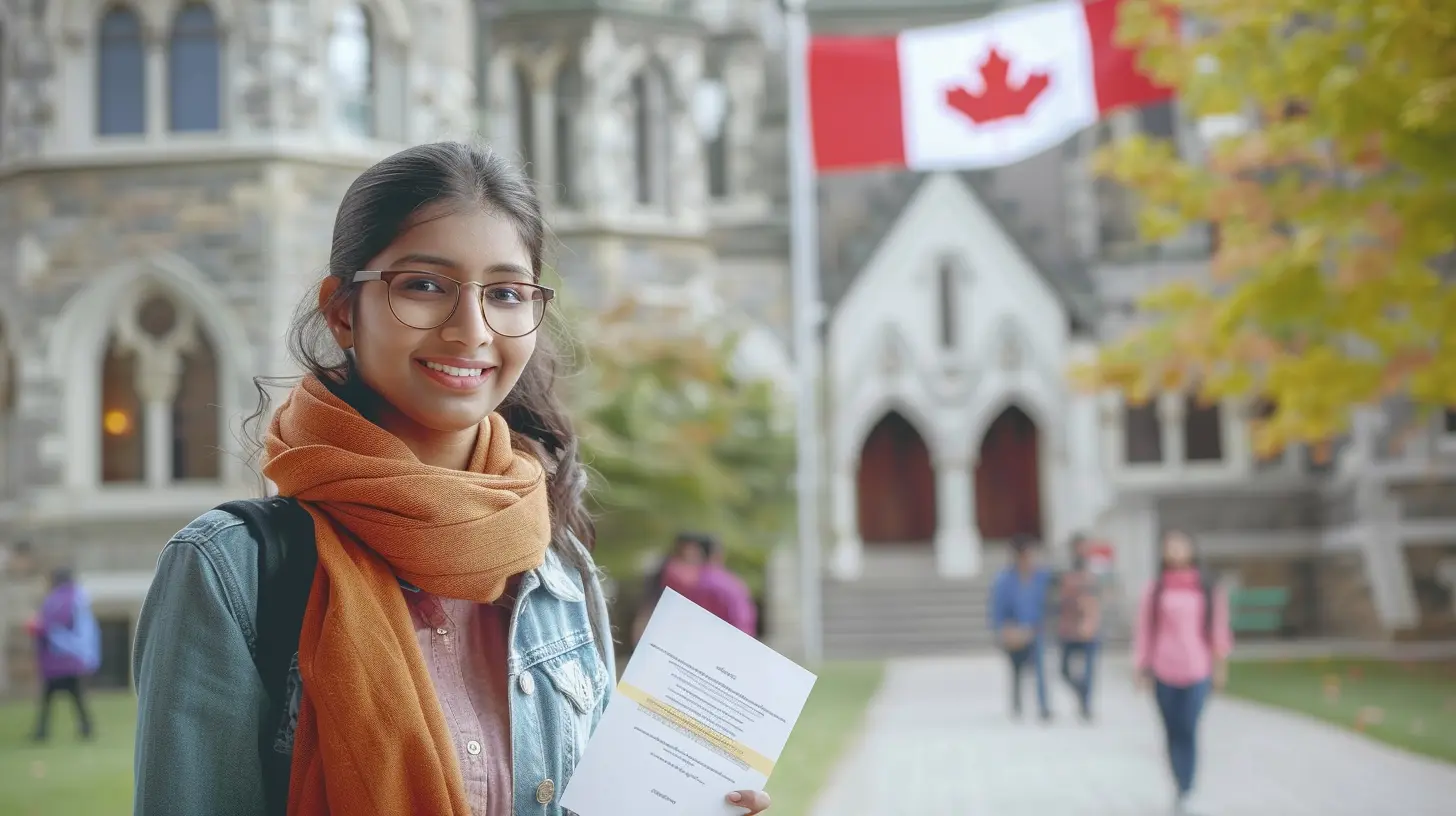
Canada has become one of the most preferred destinations for international education, especially for Indian students. With globally recognised universities, a welcoming immigration policy, and post-study work opportunities, the country continues to attract thousands of applicants every year. If you are planning a Masters in Canada for Indian students, it is important to understand the key factors that influence the decision-making process.
While the opportunity to study abroad can open doors to global careers, proper planning helps you make smarter academic and financial decisions. From selecting the right program to exploring Canadian student scholarships, several aspects play important roles in shaping your sturdy experience.
Key Takeaways
- Canada offers globally respected postgraduate degrees
- Tuition fees and living costs should be planned carefully.
- Canadian student scholarships can help reduce financial burden.
- Post-graduate work permits offer valuable career opportunities
- The country provides a safe and multicultural environment for students.
Choosing the Right University and Program

One of the first decisions you will make is selecting the right university and academic programs. Canada offers a wide range of postgraduate courses in fields such as engineering, business, healthcare, data science, and environmental studies. When comparing universities, you should consider:
- Program curriculum and specialisation options
- Faculty expertise and research facilities
- Graduate employment outcomes
- University ranking and reputation
Many Canadian universities are known for their research focus program, which allow students to gain hands-on experience and industry exposure during their studies.
Understanding Tuition Fees and Living Costs
Financial Planning is a critical step when applying for a Masters in Canada for Indian students. Tuition fees vary depending on the university and field of study. On average:
- Master’s tuition fees range between CAD 1,700 and CAD 30,000 per year
- Living expenses typically range between CAD 10,000 and CAD 15,000 annually, depending on the city.
Major cities such as Toronto and Vancouver generally have higher living costs, while cities like Winnipeg, Halifax, and Quebec City may be more affordable for students. Creating a realistic budget helps ensure that your study abroad experience remains financially manageable.

Availability of Canada Student Scholarships
Many international students look for financial support while planning their studies abroad. Fortunately, several Canada student scholarships are available for Indian students pursuing postgraduate education.
- Canadian universities
- Government-funded programs
- Private foundations and organizations
Some scholarships cover tuition fees, while others provide partial financial support or research grants. Applying early and preparing a strong academic profile can improve your chances of receiving funding.
Admission Requirements and Academic Eligibility
Before applying to universities, you should review the eligibility criteria for your chosen program. Most Canadian universities require:
- A recognised undergraduate degree
- Academic transcripts
- English language proficiency test scores (IELTS or TOEFL)
- Statement of Purpose (SOP)
- Letter of Recommendation (LOR)
Some programs, particularly in business or management, may also require scores from exams such as the GMAT or GRE. Preparing these documents carefully strengthens your applications and increases your chances of admission.
Post-Study Work Opportunity
Another major reason students choose Canada is the availability ofpost-studyy work opportunities. After completing your degree, you may qualify for the Post Graduation Work Permit (PGWP). The PGWP allows international graduates to:
- Gain Canadian work experience
- Work for Canadian employers
- Build professional networks
Depending on the length of your academic programs, the work permit may allow you to stay and work in Canada for up to three years after graduation. This work experience can also support long-term career prospects and immigration opportunities.

Student Visa and Immigration Policies
Canada has a transparent and well-structured student visa process. To study in Canada, you must apply for a study permit after receiving an acceptance letter from a designated learning institution. Important visa requirements include:
- Proof of admission from a Canadian university
- Financial documents showing the ability to cover tuition and living expenses
- Language test results
Ensuring that all documents are complete and accurate can help avoid delays during the visa application process.
Quality of Life and Multicultural Environment
Canada is known for its safe cities, welcoming communities, and multicultural society. International students often find it easier to adapt because of the country’s diverse environment. Studying in Canada allows students to:
- Interact with students from different countries
- Experience inclusive campus communities
- Build a global network for future careers
This exposure helps develop communication skills and international perspectives that are highly valued by employers worldwide.
Pursuing a Master’s in Canada for Indian students can be a rewarding academic and professional decision. With high-quality education, strong research opportunities, and favorable post study work policies, Canada continues to be one of the top destinations for international students.
However, success in your study abroad journey depends on thoughtful planning, from selecting the right university to preparing financial documents and scholarship applications. Seeking professional guidance can make this process smoother and more organised. Trusted platforms like Leverage Edu study consultants assist students with university selection, application preparation, visa guidance, and scholarship support, helping you take confident steps towards your international education goals.

FAQs
How do Indian students prefer to pursue a master’s degree in Canada?
Canada offers globally recognised universities, affordable education compared to some other destinations, strong research opportunities, and favorable post study work policies.
How much does a master’s degree cost in Canada for Indian students?
Tuition fees typically range between CAD 17,000 and CAD 30,000 per year, while living ex[pense math cost around CAD 10,000 to CAD 15,000 annually.
Are Canada student scholarships available for international students?
Yes, many Canadian universities, government programs, and private organisations offer scholarships and financial support for international students.
Can students work while studying in Canada?
Yes, international students can usually work up to 20 hours per week during academic sessions and full-time during scheduled breaks.