
A nurse checks a patient’s vitals every four hours. Standard protocol in most hospitals. But a lot can happen in that window. Blood pressure spikes.
Oxygen levels tank. A fever starts climbing fast. Any one of those can spiral into a crisis between scheduled checks, and nobody at the nursing station knows until the next round. That gap has been an accepted risk for a long time. It doesn’t have to be.
Blind Spots Were Baked Into the Old Routine
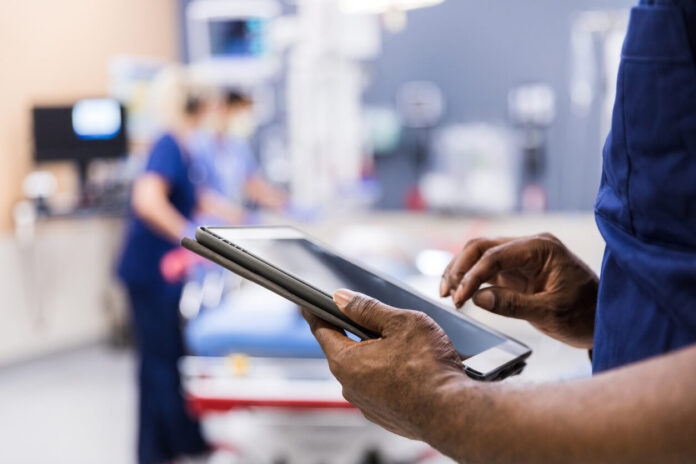
Patient monitoring used to follow a simple pattern. Staff walked room to room, wrote down numbers, moved on. If something looked wrong, they flagged it. If the chart looked fine, the patient sat there until someone came back.
The flaw is quite apparent if you think about it. Snapshots don’t show minute-to-minute patient changes. People deteriorate. Conditions shift. And warning signs have a nasty habit of showing up right after someone leaves the room.
Electronic health records made charting faster and neater, sure. But they didn’t fix the timing problem. The data was still only as fresh as the last time someone physically walked in and took a reading.
Continuous Monitoring Fills the Gaps
Connected medical devices are changing this. Wearable sensors and bedside monitors continuously send patient data to central dashboards where nurses view real-time data remotely.
When a measured value deviates beyond a predetermined limit, automated notifications are triggered. These then alert personnel.
High-risk patients benefit the most. Post-surgical cases. ICU stays. People with unstable cardiac conditions. For them, a four-hour gap between readings isn’t a minor inconvenience. It’s a genuine safety hazard.
Hospitals running continuous monitoring have reported drops in what clinicians call “failure to rescue” events; situations where a patient deteriorates and the team doesn’t catch it fast enough. Fewer of those events translates directly into lives saved.
Why Real-Time Data Changes Clinical Thinking
The biggest shift is not just speed, but mindset. Teams stop reacting to isolated numbers and start working with patterns.
Instead of asking what a patient looks like right now, clinicians ask how the patient has been trending over the last hour or the last night.
That difference changes decisions in subtle but important ways. Medication adjustments become more precise.
Doctors can see whether a treatment is stabilizing a patient or slowly failing. Even small fluctuations that would normally go unnoticed begin to stand out when viewed as part of a continuous stream.
Research shows that real-time monitoring provides detailed, time-based data that helps clinicians detect subtle declines earlier and adjust treatment before complications escalate.
That level of insight was simply not possible with periodic checks.
Getting the Signal Out Is Harder Than It Sounds
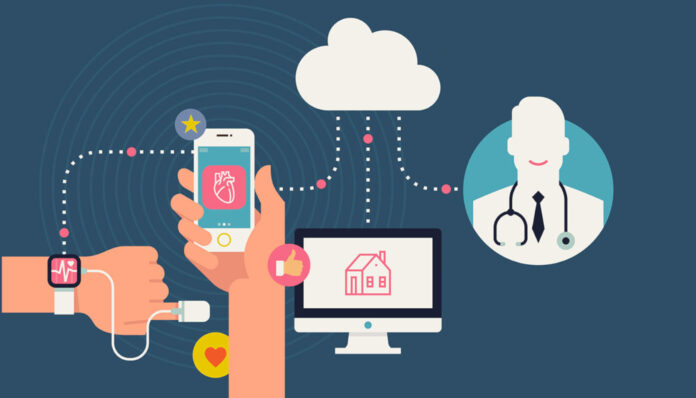
Collecting great data means nothing if it gets stuck on the device. And hospital networks are messy. Most run on a tangle of aging infrastructure, strict security layers, and bandwidth caps that were never designed for hundreds of devices streaming data at once.
IoT medical device connectivity has turned into a major priority for health systems scaling up monitoring programs. Companies such as Blues IoT assist hospitals in bypassing infrastructure limitations with cellular solutions that avoid overloaded internal networks.
That kind of workaround matters enormously when a delayed data point could mean a missed warning on a deteriorating patient.
Where Implementation Gets Complicated
Rolling out continuous monitoring sounds straightforward until teams run into operational friction. Technology alone does not solve workflow problems.
Several practical challenges tend to appear:
- Staff must learn to interpret streams of data instead of isolated readings, which requires training and adjustment.
- Alert fatigue can become an issue if thresholds are poorly configured and too many notifications fire.
- Integration with existing systems such as electronic records needs to be smooth or it slows down adoption.
- Device reliability and maintenance become ongoing concerns when monitoring runs nonstop.
These challenges explain why adoption is uneven across hospitals. The concept is proven, but execution still requires coordination between clinical teams, IT departments, and leadership.
What Changes When the Data Actually Flows
Catching emergencies faster is the obvious win. But reliable live feeds change how clinical teams think about routine decisions too. Doctors adjust medication doses based on hour-by-hour trends.
They do so instead of reacting to a single reading. Discharge timing gets sharper because the overnight data is right there. It is not filtered through morning rounds and a quick glance at a chart.
Charge nurses can look at a dashboard and see exactly which patients need the most attention right now, then staff accordingly. Stale data can’t support any of that. Fresh, continuous feeds can.
The Broader Impact Beyond the Hospital Room
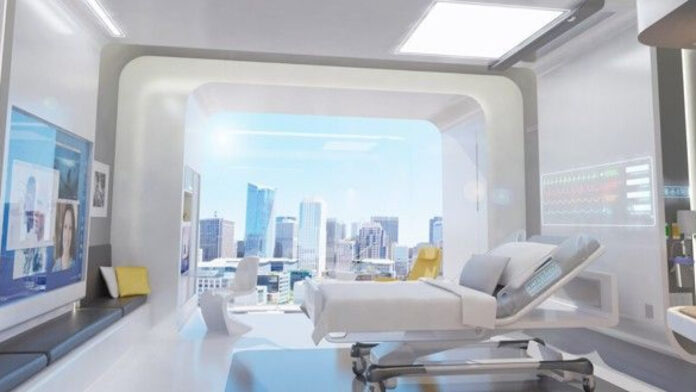
The effects extend beyond immediate bedside care. Continuous monitoring changes how healthcare systems operate as a whole.
- Patients become more engaged when they can access real-time data about their condition, which improves adherence to treatment plans.
- Chronic disease management improves because long-term patterns become visible instead of fragmented.
- Remote monitoring enables care outside hospital walls, reducing unnecessary admissions and freeing up resources.
- Health systems gain better operational visibility, allowing smarter planning and staffing decisions.
These shifts gradually reshape how care is delivered. The hospital becomes less reactive and more proactive.
Frequently Asked Questions
1. How does continuous monitoring affect nurse workload?
Continuous monitoring shifts workload rather than simply reducing it. Nurses spend less time on repetitive vital checks and more time responding to meaningful changes. In some cases, systems even reduce unnecessary bedside visits because alerts highlight exactly when attention is needed.
2. What are the main downsides of continuous monitoring?
The technology introduces several practical challenges that hospitals must actively manage. The most common ones include:
- False alarms caused by overly sensitive devices, which can reduce trust in the system
- Data overload, where large volumes of information make it harder to spot what matters
- Patient anxiety, especially when devices constantly signal or display readings
- Overuse in low-risk patients, where monitoring adds little clinical value
These issues do not cancel out the benefits, but they require careful setup, training, and ongoing adjustment.
3. How quickly can it detect patient deterioration?
Continuous monitoring detects changes much earlier than periodic checks because data is collected without interruption. Instead of waiting hours between measurements, clinicians see trends as they develop.
That allows early identification of warning signs such as declining oxygen levels or irregular heart patterns. Early detection improves response time and helps prevent serious events like cardiac or respiratory failure.
Conclusion
Plenty of hospitals still depend on manual spot checks for most patients. The shift toward continuous connected monitoring is real, but it’s far from complete.
Units that have adopted it already see the results, though. That part isn’t up for debate anymore. The bottleneck now is infrastructure. Health systems that tackle the connectivity piece early will pull ahead.
Everything else such as the analytics, the alerts and the smarter staffing decisions depends on one thing. A reliable signal hitting the right screen at the right moment.