
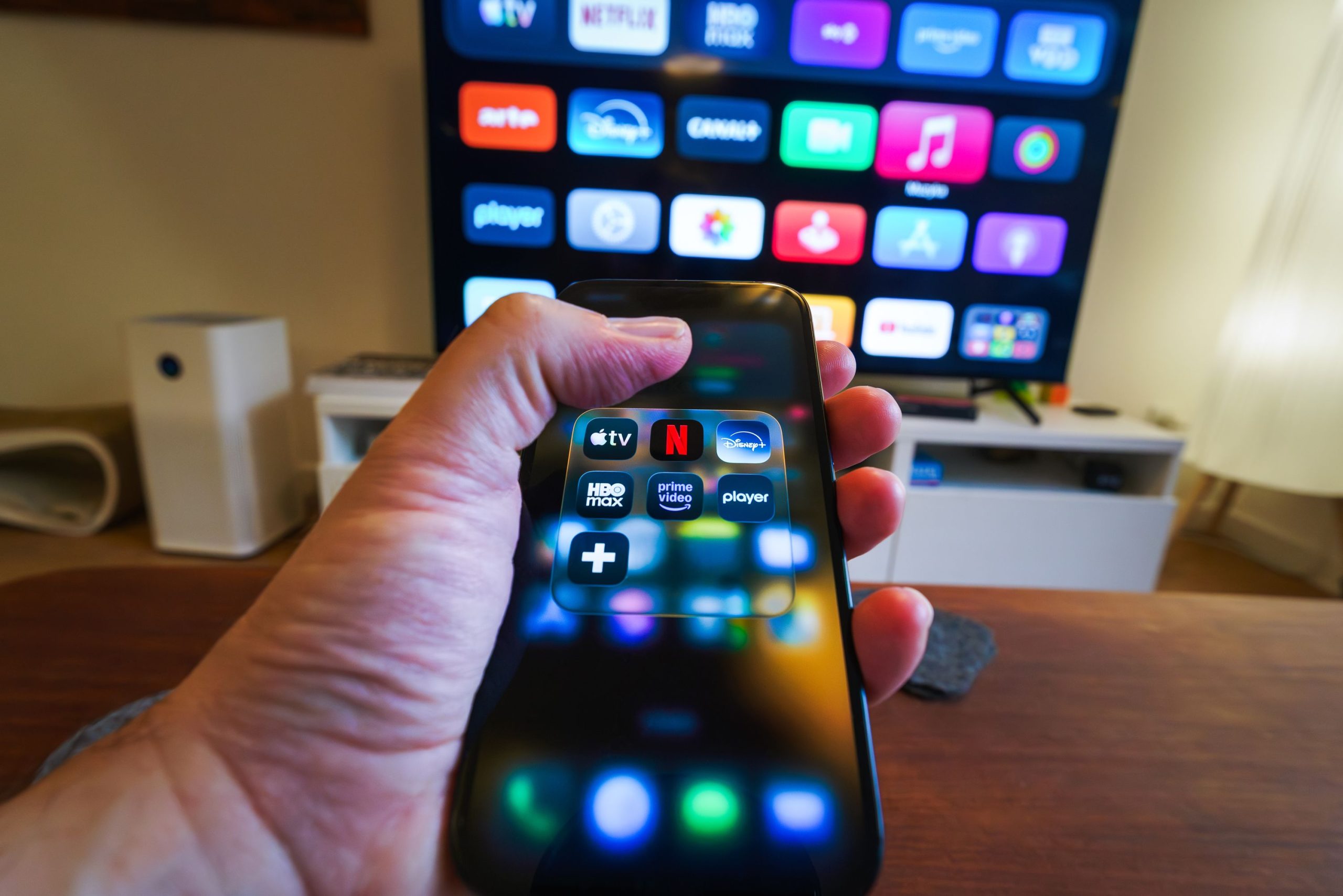
Most people today have more entertainment available than they could ever use. A single household might hold a streaming subscription, a game console, a music app, a short-video feed and a handful of creators they follow daily. The problem is not supply. The problem is that a day still has only 24 hours, and every platform on a phone or television is trying to claim a slice of them.
Attention Has Become the Scarcest Resource in Entertainment
Television used to be a fairly simple contest between a handful of broadcast channels. That is no longer the case. In Nielsen’s August 2026 report on TV viewing, streaming accounted for 49.6% of all TV watch-time in the United States, while YouTube alone captured a platform-record 15.8% of TV viewing. Those numbers show that video platforms are no longer competing only with each other. They are competing with every other thing a viewer could do on a couch.
The result is a shift in strategy. Streaming companies once focused on building the largest library. Now many of them focus on keeping viewers from leaving. Autoplay, personalized recommendations and original series released in tight weekly schedules all exist for the same reason: a viewer who keeps watching is a viewer who does not open a competitor’s app.
Gaming and Social Platforms Are Chasing Younger Audiences

Younger audiences are where the competition is most intense. Ampere Analysis’s 2026 attention study found that Gen Alpha, ages 11 to 15, spends more time on gaming than on any other media type, and that teenagers tend to split their time between games, social media and streaming rather than committing to one service. Games are no longer just a product. They are social spaces, with friends, live events and user-created worlds that keep players returning.
This is why game publishers, streaming services and social apps increasingly offer overlapping features. Multiplayer modes, creator tools and in-game events borrow from social media, while video services add interactive elements and gaming-style rewards. Each platform is trying to become the place where people spend their leisure time by default.
For readers who want to compare the digital entertainment options aimed at adults, the same logic applies. Operators in competitive markets often lean on promotions, loyalty features and clear presentation to stand out. Comparison sites such as Casinous can help people weigh those differences side by side, and readers who want to browse those reviews can click here to see how the platforms compare. As with any entertainment choice, it is worth reading terms carefully and setting limits on time and spending before committing.
Phones Turn Every Spare Minute Into a Battleground
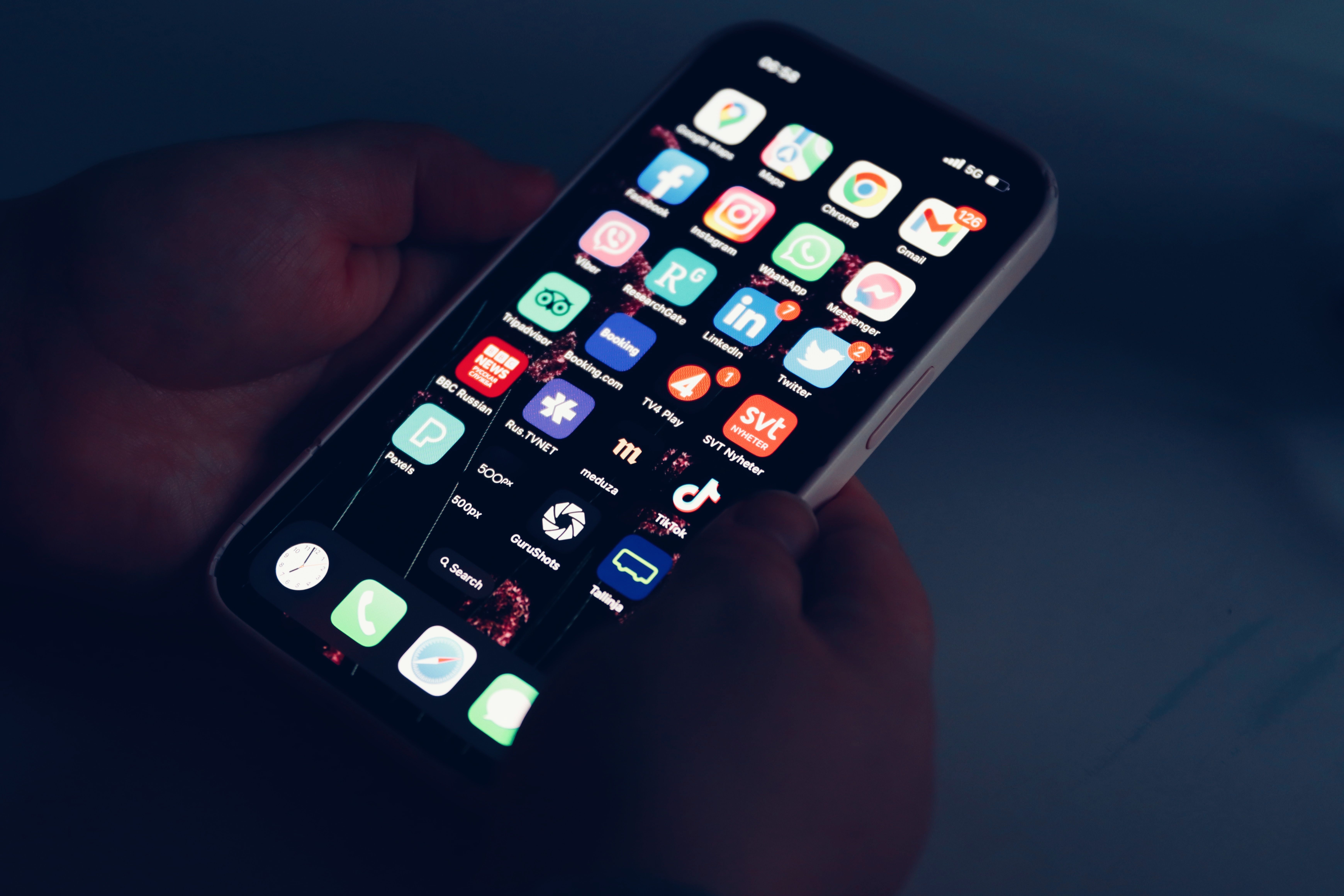
The smartphone has made entertainment portable, which means competition now happens in short gaps as well as long evenings. A few minutes waiting for coffee, a commute or a lull at work can be filled by a short video, a quick game round or a podcast episode. Platforms that win these moments tend to be the ones that load instantly and require no decision.
Money follows attention, but not evenly. A Boston Consulting Group analysis of US media in 2026 found that social media captured 81% of incremental media time since 2018 and generated a disproportionate share of industry revenue growth, while video, despite holding a large share of focused attention, grew its revenue far more slowly. For platforms, this means that time spent is valuable only if it can be converted into subscriptions, advertising or purchases.
That pressure is why many services have changed their business models in recent years. Ad-supported tiers, bundled subscriptions and creator partnerships have all appeared as companies look for ways to make each viewing hour pay off. Consumers benefit from more choice, but they also face more prompts, more notifications and more pressure to decide.
Information Overload Is the Hidden Cost of Competition

All of this competition has a cost that does not appear on a subscription bill. When dozens of apps are designed to hold attention, people often end up multitasking, switching between screens or drifting from one feed to the next without much enjoyment. The same analysis that tracks growing media time also shows that a large share of that time is spent in the background rather than with full focus.
Platforms are beginning to respond. Some offer usage reminders, scheduled breaks and clearer controls over recommendations. Others compete by offering fewer, more deliberate experiences, such as curated libraries or live events that reward being present. The companies that last will likely be the ones that earn attention on the audience’s terms rather than simply capturing it.
For consumers, the practical lesson is to treat entertainment as a choice rather than a default. Deciding in advance what you want to watch, play or read can turn a crowded market into something manageable. The platforms are competing hard for your time, but you still decide how much of it they get.