Yes, you can get paid for old metal. The catch is that “scrap” is not one product with one price: clean copper cable, a heavy steel gate and a mixed load of rusty odds and ends are valued differently, and transport can swallow a small payout. For a homeowner, the useful question is not simply what the metal is worth per kilogram. It is whether selling it yourself beats the cost and effort of getting it to a buyer.
With a little sorting and a sensible quote, an old radiator, plumbing offcuts or a pile of garden metal can earn something back. A broken fridge or air-conditioning unit is a different case: it contains useful materials, but it should not be treated as a simple heap of scrap.
What is old household metal worth?
Scrap buyers generally assess the metal type, grade, weight and cleanliness. Copper, brass and aluminium are non-ferrous metals; steel and iron are ferrous. Non-ferrous metals often attract more interest, but the amount you receive depends on the buyer’s current rates and what they can recover from your particular load. There is no reliable nationwide price that guarantees what a homeowner will be paid.
That distinction matters more than the item’s size. A small bundle of identifiable copper pipe may be easier to grade and more valuable than a bulky mixed load, while a heavy steel object may still bring only a modest amount. I would treat online price lists as a starting point for questions, not as a promise: ask for a current rate and whether it applies to your grade and quantity.
Separate the obvious winners first
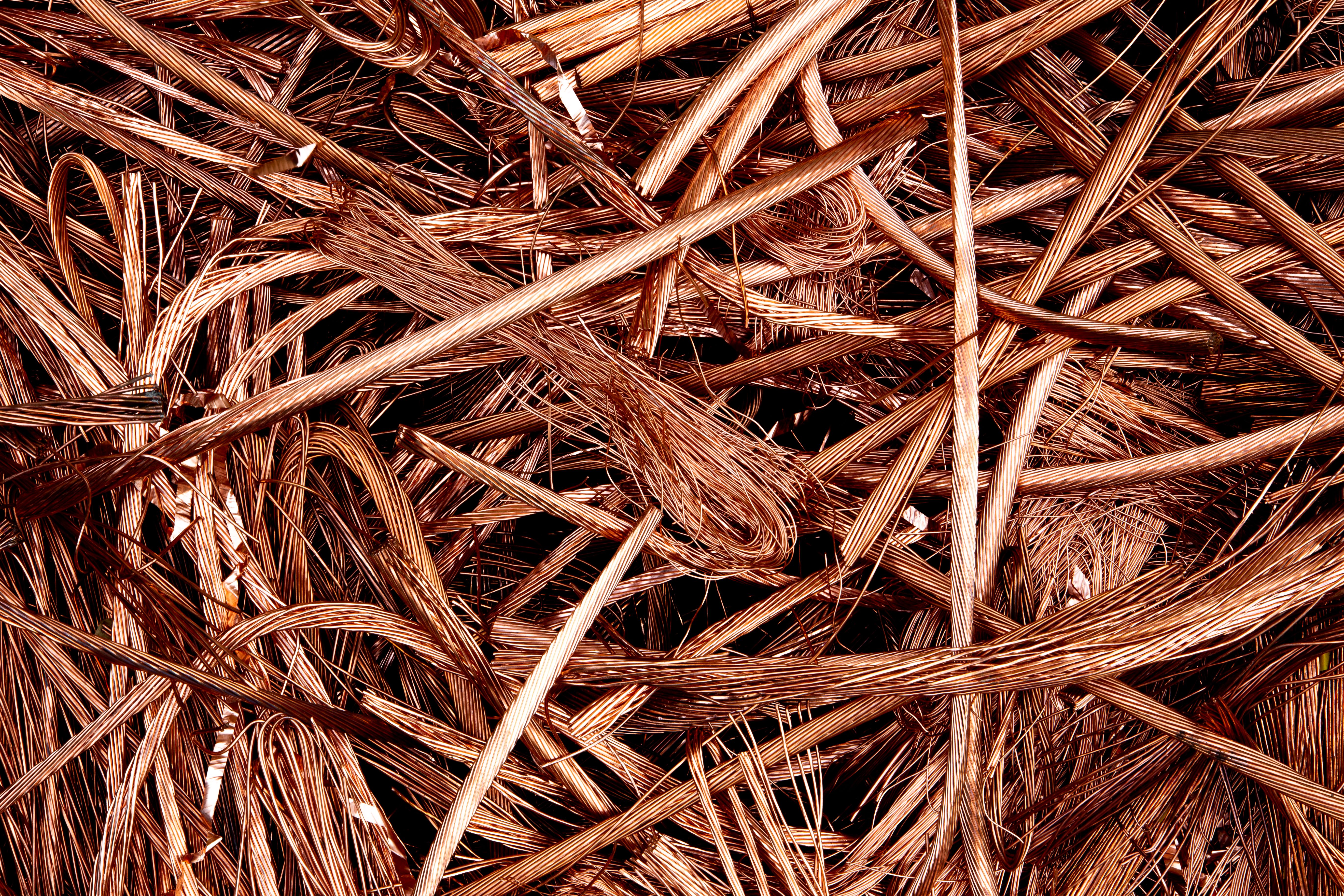
Look for copper wire and pipe, brass taps and fittings, aluminium frames or cookware, and steel or cast-iron items such as radiators. A magnet is a useful rough sorting aid: steel and iron usually attract it; copper, brass and aluminium do not. It is not a complete identification test, but it can help split a mixed box into more useful groups.
Different grades can be priced differently, so keep clearly distinct metals apart rather than presenting everything as one pile. Do not dismantle an item just to chase a better grade if it involves mains wiring, sharp edges, heavy components or unfamiliar fixings. Our earlier guide to common household scrap-metal items has more examples of where metal turns up around the home.
A cleaner load is easier to price
Remove obvious non-metal attachments only when it is safe and straightforward: a loose wooden handle, a removable plastic cover or a piece of packaging does not improve a metal load. Keep different metals separate, and tell the buyer if an item still has attached material that cannot sensibly be removed. There is little point spending an afternoon polishing old metal; the practical aim is to make its type and condition easy to assess.
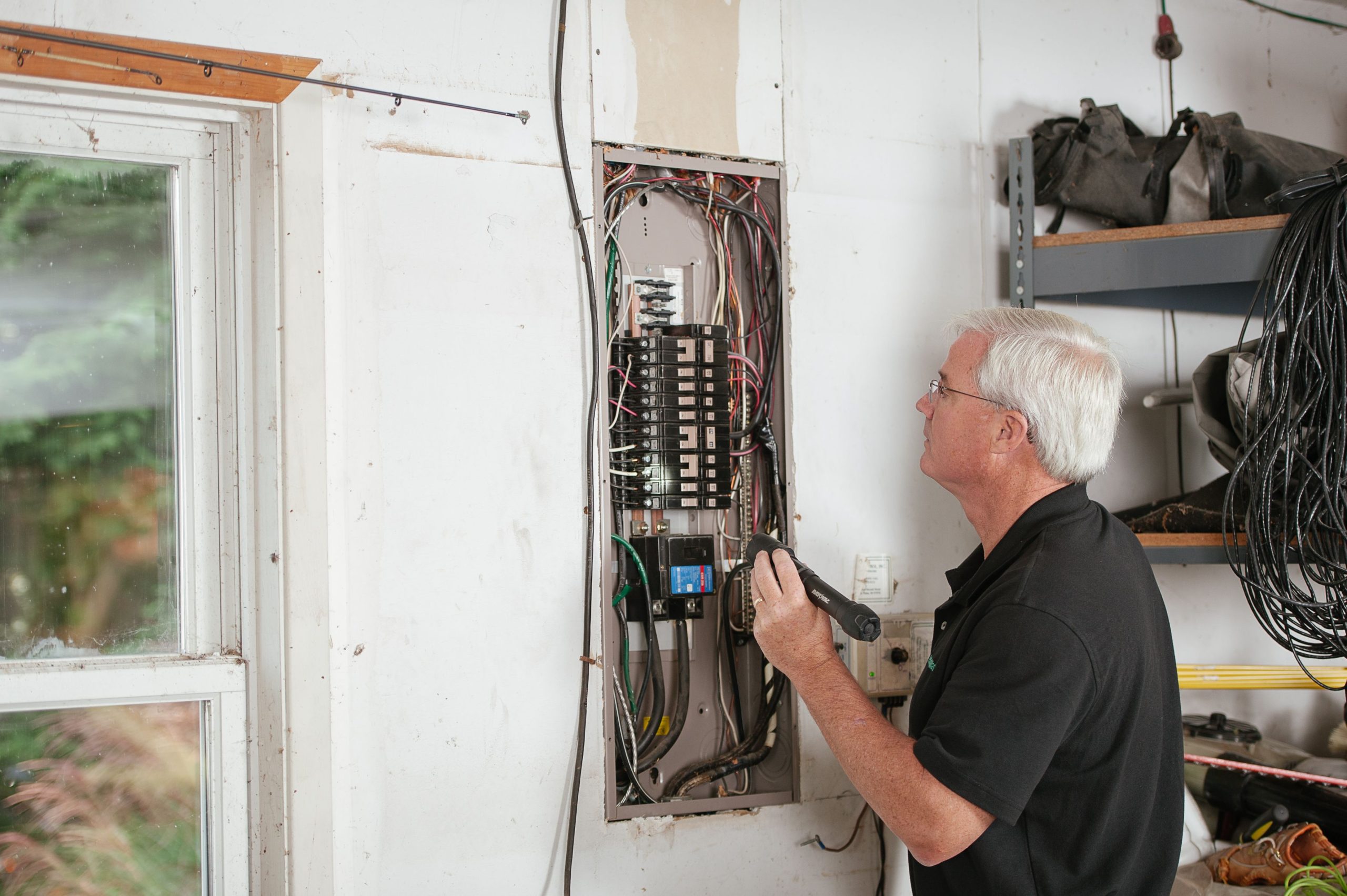
Do not burn the insulation off cable, cut into sealed equipment or drain unknown liquids from a radiator or tank. Burning cable can release harmful fumes, and opening pressurised or electrical equipment can create a serious hazard. When the job requires specialist tools or knowledge, leave it intact and ask the recycler what they accept.
Choose between a yard, a collection or reuse
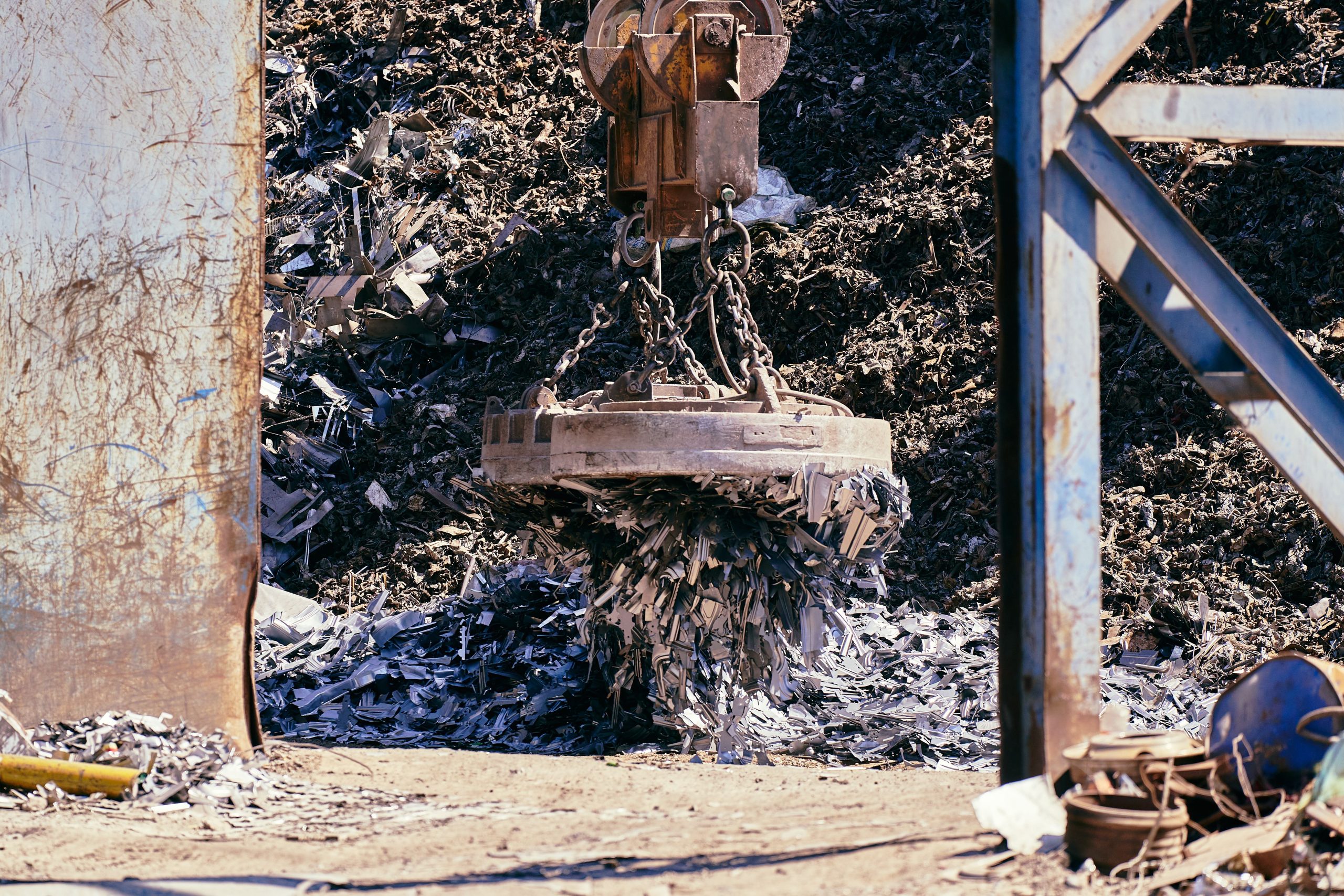
Taking a sorted load to a scrap yard can make sense if you have a vehicle, enough metal to justify the trip and a buyer nearby. Ask how they weigh and grade each type, whether there is a minimum quantity, and how payment is made. A collection is convenient for bulky items, but a collector may offer less, charge for removal or decline a small amount of low-value metal. Get the terms before agreeing to a visit.
If you are in Bristol and would rather ask about collection than load a vehicle, you can compare the service details for free scrap metal collection Bristol. Check exactly which items are accepted and whether “free” depends on the metal being valuable enough to recover.
Sometimes reuse is the better return. A working appliance, an intact tool or a usable gate may be worth more sold or given away than broken down for metal. For a collector taking household waste, GOV.UK advises checking that the business is legally registered; its household-waste disposal guidance explains the relevant checks and registers.
Bulky appliances need a different route
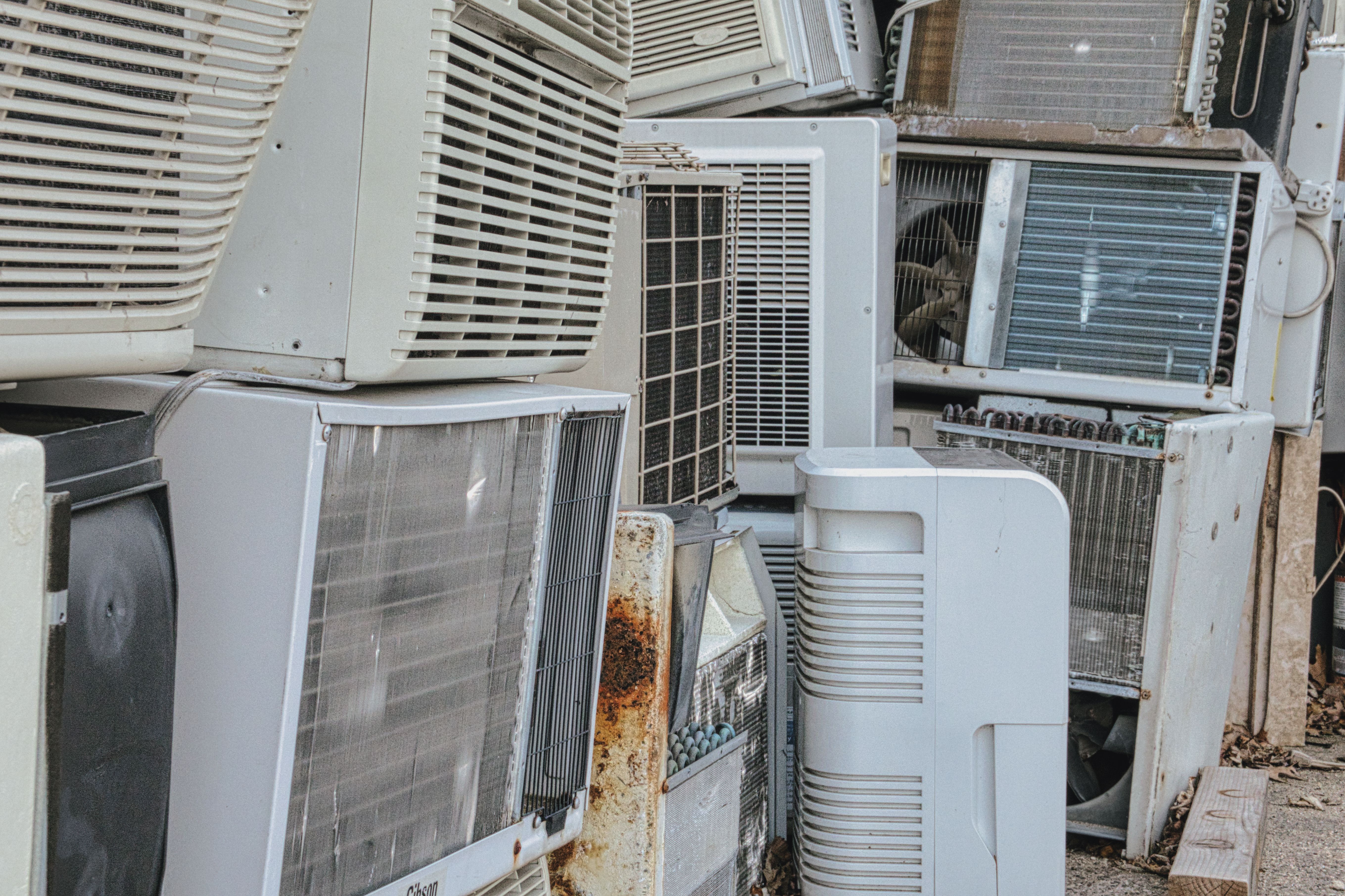
Washing machines, cookers and dryers contain metal, but they also include plastics, wiring and other components. Refrigerators and air-conditioning units need extra care: the Environment Agency’s waste guidance identifies these as electrical waste that can contain hazardous coolants, foam or components. Do not cut refrigerant lines or dismantle a sealed unit yourself. Ask your council, retailer or a specialist electrical-waste handler about collection and treatment.
That may mean you receive little or nothing for the appliance itself. The value may be in having it removed and handled correctly, rather than in a cash payout. If a buyer offers to take it, confirm whether removal is free, whether they accept the whole appliance and how it will be managed; do not assume every scrap-metal collector handles electrical waste.
Check the buyer before the metal leaves
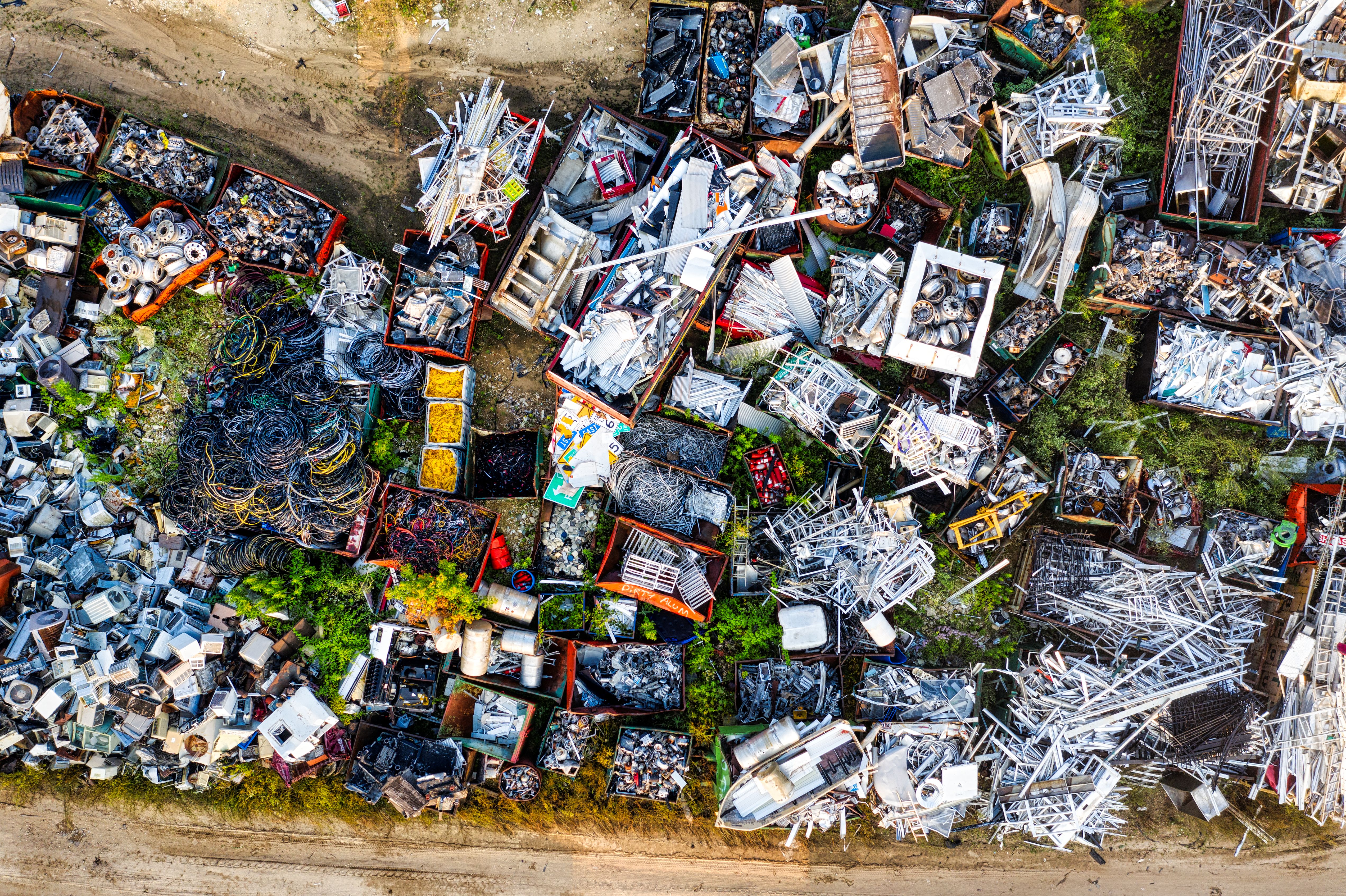
In England and Wales, a business buying or collecting scrap must hold the appropriate council-issued scrap-metal dealer licence. The rules require dealers to verify a seller’s name and address, keep transaction records and not pay for scrap in cash. The official scrap-metal dealer licence guidance sets out the requirements. Bring the identification the dealer asks for, expect payment by an electronic transfer or an eligible cheque, and keep a receipt or payment record.
Before a collection, confirm the business name, what it will take, whether the quote is based on estimated or weighed material, and whether any call-out or removal fee applies. Be wary of a vague price over the phone that changes after loading, pressure to hand over metal without a record, or a cash offer for scrap. A legitimate process should be clear about both the price calculation and paperwork.
Make the trip worth it
Take a few photos, group the metal by type and describe the quantity when asking for a quote. For a bulky load, contact more than one local buyer and compare the net amount after transport or collection charges. A yard may advertise a higher rate but still leave you worse off once you factor in fuel, time and lifting. For a small pile, a free council option or a compliant collector can be the more sensible choice even if it produces no payment.
My rule of thumb is to spend effort on sorting, not risky dismantling. A quick separation of copper from steel can make a buyer’s assessment clearer; stripping insulation or taking apart an appliance may add danger, extra handling and little benefit. If the offer is unclear, pause and ask how the load will be graded before you agree.
The realistic bottom line
Old metal can put money back in your pocket, especially when it is clean, identifiable and available in a worthwhile quantity. But “paid for scrap” does not always mean cash in hand, and a bulky appliance can be more about responsible removal than scrap value. Compare the likely payout with the cost of moving the load, and choose the route that leaves you with a fair, documented transaction and no unsafe dismantling.
On prices and rules: Scrap rates vary between buyers and change over time, so this guide avoids quoting a figure that could mislead. Licensing and payment details above are checked against current GOV.UK guidance; the cited scrap-dealer rules apply in England and Wales. Check your local council and the appropriate national register for waste services where you live.