
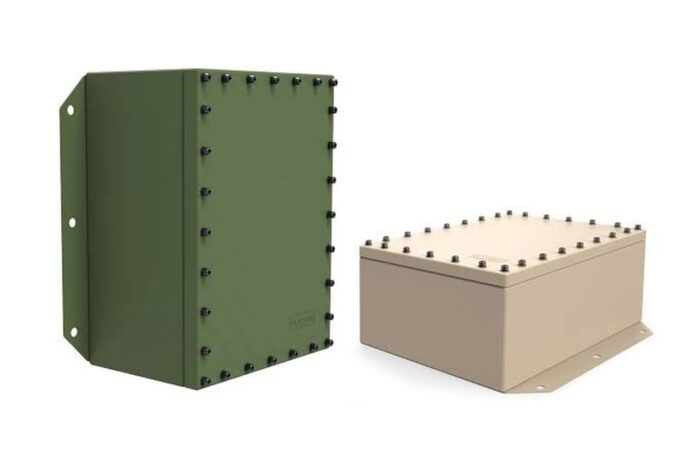
NEMA 6P and IP68 ratings deliver remarkable durability, ensuring that military enclosures stay watertight and dust-tight even during extreme conditions. These specifications are essential for preserving operational integrity in rigorous environments.
Today’s military submersible enclosures are crafted from lightweight, corrosion-resistant materials. This not only boosts mobility but also supports effective thermal management for heat-sensitive electronics. Such innovations play a critical role in enhancing performance during extreme military operations.
With submersible solutions, rapid deployment becomes possible while maintenance demands decrease, allowing military forces to operate effectively in challenging settings without constant oversight. This level of operational efficiency can greatly influence mission outcomes.
Insights from real-world case studies show how effective submersible enclosures are at surviving extreme pressure while maintaining communication and functionality during high-stakes military exercises. Investing in these solutions boosts operational capability.
Selecting durable submersible enclosures can promote long-term cost-effectiveness by significantly reducing maintenance needs. Shielding equipment from moisture and debris cuts down on repair frequency, ultimately conserving resources within military budgets.
Investments in high-quality enclosures extend the lifespan of assets, thereby enhancing operational readiness and curtailing downtime. This strategic approach offers greater budget stability by minimizing the frequency of necessary equipment replacements.
The integration of IoT technology into military enclosure designs yields opportunities for real-time monitoring and proactive maintenance. This increases operational readiness, empowering teams to tackle potential issues before they escalate. Such technology markedly improves decision-making capabilities.
Opening up Durability: The Unmatched Strength of Military Submersible Enclosures
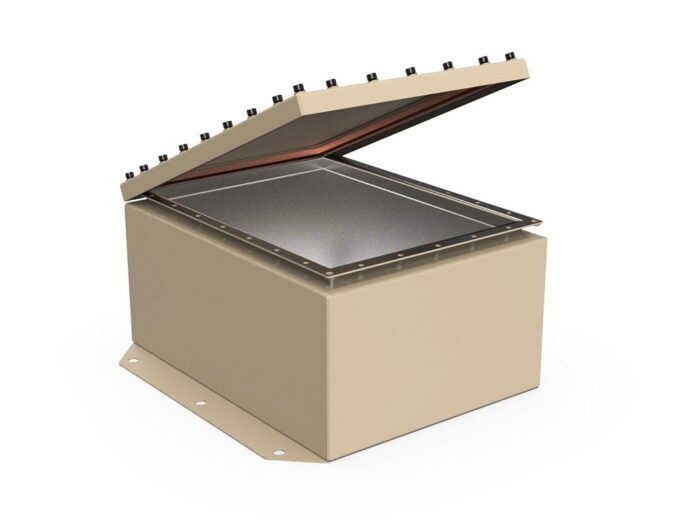
Understanding NEMA 6P and IP68 Ratings
The realm of military and defense applications necessitates products engineered to endure extreme environments. NEMA 6P and IP68 ratings signify outstanding durability.
NEMA 6P enclosures are designed to be watertight and dust-tight, primed to confront conditions that could incapacitate most equipment.
The IP68 rating goes further, offering protection against both water and particulate intrusion ensuring that electronic components function effectively even when submerged.
For military missions, where failure is simply not an option, these ratings serve as more than mere specifications. They reflect an unwavering commitment to quality, reliability, and safety in the field.
- NEMA 6P: Resilient against heavy rain and dust.
- IP68: Withstands immersion in water beyond 1 meter for extended periods.
- Performance: Preserves operational integrity despite exposure.
Grasping these ratings is crucial for procurement professionals and decision-makers in defense contracting.
They underscore the critical need for products that can withstand the trials of battle and adverse environmental challenges. It’s not merely about being waterproof; it’s about guaranteeing that equipment functions flawlessly when it matters most.
Design Innovations for Extreme Conditions
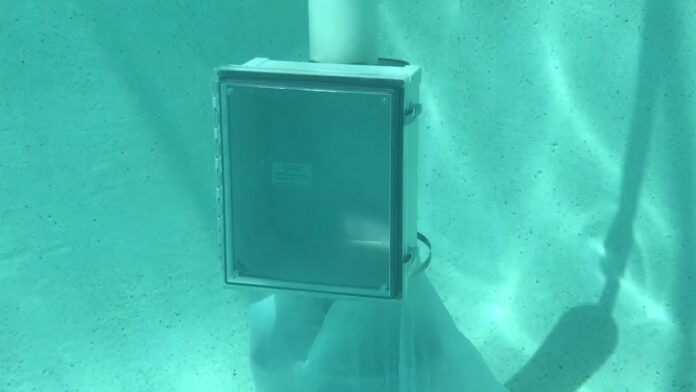
Engineering advancements have led to design innovations that specifically address the rigors of extreme military scenarios. Modern enclosures not only prioritize strength but also utilize lightweight materials that resist corrosion and enhance mobility.
Engineers are keenly focused on maximizing airflow while simultaneously protecting equipment from moisture ingress. This critical balance of ventilation and protection is particularly vital for heat-generating electronics.
Composite materials, high-grade polymers, and treated metals are increasingly prevalent in enclosure design.
By employing advanced composites, manufacturers can achieve a blend of lightness and strength—a crucial combination in military applications where every ounce counts.
- Corrosion resistance: Essential for lengthy exposure to harsh conditions.
- Weight reduction: Vital for ease of transport and deployment.
- Improved thermal management: Safeguards against unsafe temperature levels.
These innovations continually drive value, offering new opportunities for enhancing deployment capabilities across diverse platforms and missions.
Enhancing Operational Efficiency: The Real-World Impact of Submersible Solutions
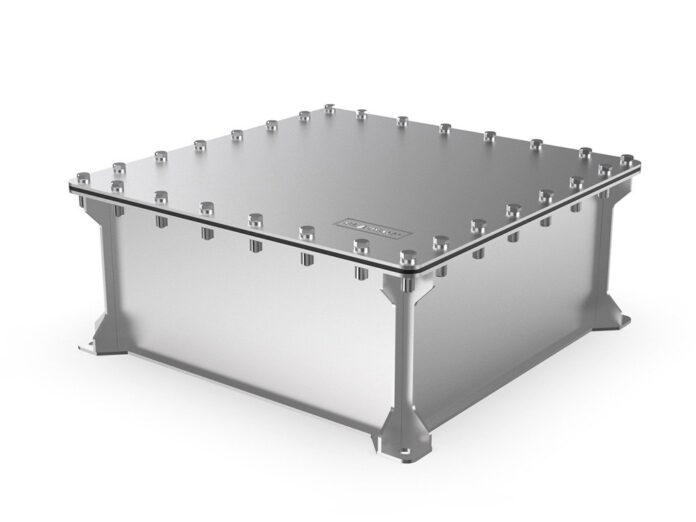
Streamlining Deployment in Challenging Environments
Effective deployment strategies can dramatically enhance operational efficiency, especially in difficult coastal and underwater environments.
Military leaders increasingly seek submersible solutions capable of delivering optimal performance, no matter the setting.
This need encourages decision-makers to invest in technologies that enable quick deployment with minimal logistical complexities.
Submersible enclosures empower equipment to operate without the necessity for ongoing monitoring or immediate servicing.
This fact reduces logistical burdens during extended missions, allowing troops to allocate resources elsewhere.
It marks a significant departure from the traditional method of carrying extra gear solely for protection.
- Quick deployment: Enclosures can be operational within minutes.
- Minimal maintenance: Robust designs demand less attention.
- Scalability: Easily supports additional systems.
As technology advances, the capacity to deploy and utilize critical systems efficiently will only grow more essential. This factor can be pivotal to mission outcomes.
Case Studies: Success Stories from the Field
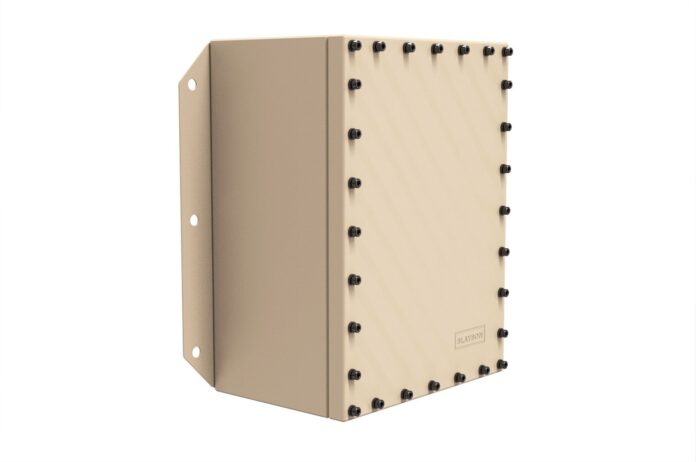
Concrete examples from the field provide persuasive evidence of the value that effective enclosures bring.
One recent military exercise highlighted the utility of submersible enclosures in underwater communication systems; despite extreme pressures, they transmitted data back to command centers seamlessly.
An additional case involved unmanned underwater vehicles, whose enclosures successfully prevented water infiltration, keeping intricate electronics functional throughout extensive exploration missions.
“Military and defense submersible enclosures have proven vital in maintaining communication and operational integrity under duress.”
These instances strongly affirm the necessity of investing in durable, reliable enclosure solutions. When it comes to discussing equipment longevity and performance, tangible results speak volumes. Submersible enclosures noticeably enhance operational capability.
Cost-Effectiveness in Defense: Long-Term Benefits of Investing in Submersible Enclosures
Reducing Maintenance Costs Through Superior Protection
Often an overlooked aspect of military equipment investment is the long-term cost-effectiveness derived from selecting durable products. Superior protection directly correlates with lower maintenance costs.
When enclosures shield critical systems from moisture, dirt, and debris, the frequency of repairs diminishes dramatically. This factor is especially crucial in military applications, where downtime can have severe consequences.
Research suggests that proactive investments in premium materials can yield substantial savings in maintenance costs. Why continually replace equipment that could have been well-protected in the first place? The right enclosures can save time and resources, enabling more strategic allocation within defense budgets.
ROI Analysis: Maximizing Asset Lifespan

A solid understanding of Return on Investment (ROI) proves essential for defense procurement managers. Utilizing high-quality submersible enclosures frequently results in significant improvements in asset lifespan.
By concentrating on reliable performance, businesses can anticipate a longer operational life for their equipment. The reasoning is simple; longer-lasting gear leads to longer intervals between necessary replacements.
To illustrate, many military and defense assets encounter demanding circumstances where failures risk personnel safety, rather than merely being inconvenient. Thus, making prudent investments in well-designed enclosures can greatly mitigate potential losses.
- Asset tracking: Monitoring equipment lifespan and usage patterns.
- Longer operational windows: Reducing downtime boosts readiness.
- Lower replacement frequency: Decreasing approach costs aids budget stability.
By linking cost-effectiveness with strategic asset management, defense organizations can cultivate a framework that truly optimizes their budgets.
Future-Forward: How Advanced Technology is Shaping Military Enclosure Design
IoT Integration and Smart Enclosure Systems
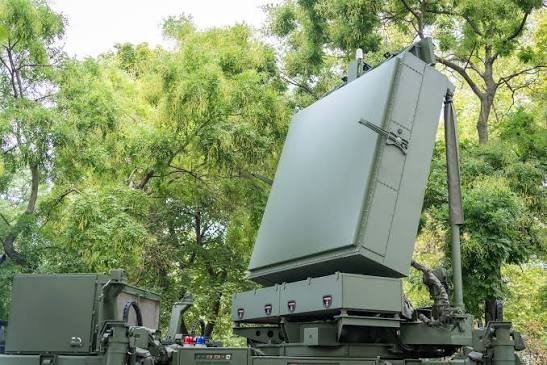
The military landscape is continually evolving, with current advancements increasingly incorporating the Internet of Things (IoT).
Smart enclosure systems represent the next frontier in military equipment, offering enhanced monitoring capabilities and data analytics. Integrating smart technology provides real-time feedback on equipment status, usage patterns, and environmental factors.
This development translates to tangible benefits for military operations. Alerts for potential issues can be received by troops before they develop into costly repairs or failures. Such foresight significantly boosts operational readiness, enabling teams to prepare for the unexpected.
- Real-time monitoring: Continuous assessment of system performance.
- Preventive maintenance: Addressing potential failures before they arise.
- Informed decision-making: Utilizing data to shape tactical strategies.
These advantages leverage the power of technology to enhance operational efficiency like never before.
Next-Gen Materials: What’s on the Horizon?
The future is bright with exciting potential in materials science. Developments in materials like graphene and advanced polymers are set to redefine standards in military and defense submersible enclosures. Such materials hold the promise of boosting performance while reducing weight.
Picture equipment capable of enduring harsher environments without the burden of excessive weight or bulkiness. The combination of innovations in strength and lightweight materials is poised to revolutionize how defense organizations approach equipment procurement.
- Graphene: Renowned for its exceptional strength-to-weight ratio.
- Smart polymers: Adapt to environmental conditions automatically.
- Self-healing materials: Possibilities for repairing minor damages autonomously.
As these advancements come to fruition, military capabilities will expand, leading to safer and more efficient operations.
FAQ
How do military submersible enclosures compare with standard commercial enclosures?
Military submersible enclosures are meticulously crafted to endure extreme conditions, providing superior durability, material strength, and enhanced waterproof capabilities compared to standard commercial options. Clients typically discover that military-grade enclosures undergo rigorous testing and certification processes, ensuring reliability under intense operational strain.
What specific industries besides the military benefit from submersible enclosure technology?
While primarily intended for military use, sectors such as underwater research, oil and gas exploration, and marine applications also gain significant advantages from submersible enclosure technology. These industries require high performance and reliability in demanding environments, making advanced enclosure systems critical for operational success.
What role does training play in utilizing these advanced enclosure systems?
Training is vital for personnel engaging with advanced submersible enclosure systems. Familiarization with the equipment, maintenance routines, and operational limits empowers teams to maximize functionality while minimizing risks during deployments. Therefore, investing in comprehensive training programs is often viewed as a crucial step for successful implementation.
Are there specific certifications needed for military enclosures, beyond NEMA and IP ratings?
Indeed, military enclosures frequently require compliance with a variety of military standards, including MIL-STD-810, which addresses environmental engineering considerations. These certifications ensure that enclosures are equipped to handle specific conditions not accounted for by general ratings, thereby providing additional layers of operational assurance.
What are the implications of using next-gen materials in military enclosures?
The adoption of next-gen materials like graphene and advanced polymers could greatly enhance military enclosures’ physical properties, improving their strength-to-weight ratio and resistance to environmental stressors. As these materials come into wider use, operational capabilities may expand dramatically.
How does IoT integration enhance military operations with submersible enclosures?
IoT integration facilitates real-time monitoring of equipment conditions, offering essential data related to performance and environmental factors. This leads to proactive maintenance approaches and more informed decision-making, significantly boosting operational readiness and reducing the risk of unanticipated failures.
Can submersible enclosures be customized for specific missions or equipment?
Absolutely. Numerous manufacturers provide customizable options that tailor to specific military missions or equipment needs. Such customization guarantees that enclosures fit the equipment perfectly while also considering unique operational requirements.
What trends are shaping the future of military enclosure design?
Current trends encompass the escalating incorporation of smart materials, IoT integration, and sustainable manufacturing practices. As military operations evolve, the demand for adaptable and robust enclosure designs will continue to rise, ensuring that innovation remains a focal point for future developments.