
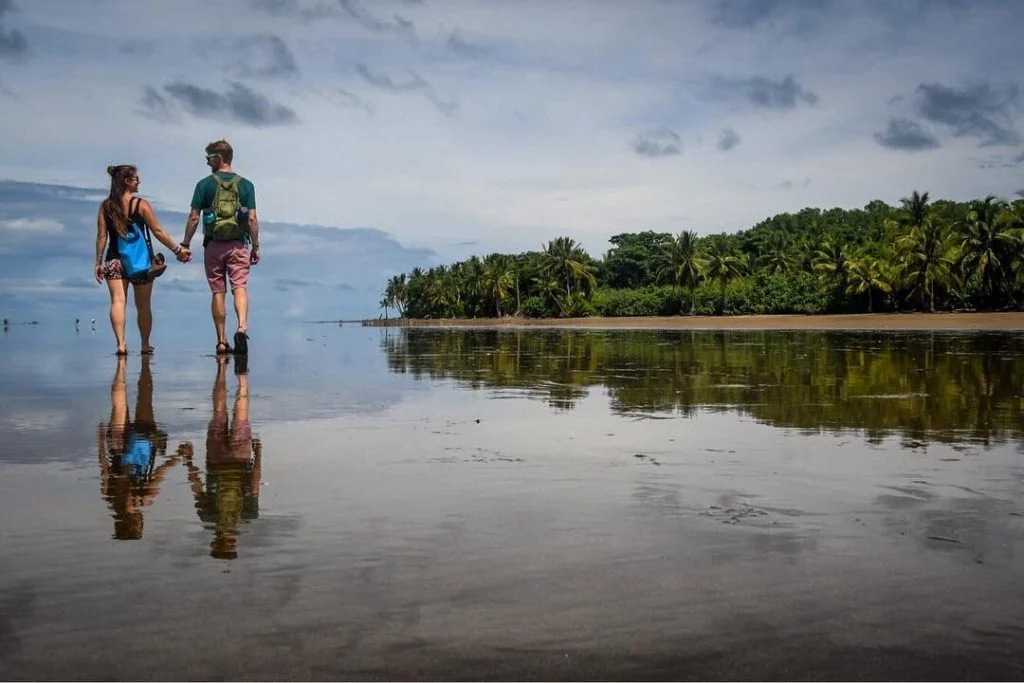
Costa Rica is one of those destinations that seems to stay on every traveler’s list. The lush rainforests, volcanic peaks, pristine beaches, and unmatched biodiversity draw millions each year. But if your dream trip doesn’t include standing in long lines at Manuel Antonio National Park or competing for space on Tamarindo’s beach, timing is everything. Knowing when to go can mean the difference between a peaceful adventure and a crowded one.
Key Points:
- The quietest months to visit are typically May, June, September, and October.
- Shoulder seasons (just before or after peak tourism) offer a balance between weather and fewer crowds.
- National holidays and Christmas/New Year should be avoided if solitude is your goal.
- The rainy season brings fewer visitors, lower prices, and greener landscapes.
- Early mornings in popular parks are always less crowded, regardless of the season.
The Reality of Costa Rica’s Tourism Seasons

Tourism in Costa Rica follows the rhythm of the weather. The country has two main seasons: the dry season (December to April) and the rainy season (May to November). The dry season coincides with peak travel demand. North Americans escaping winter, Europeans on holiday, and locals all flock to the beaches and cloud forests. Hotels book out months in advance, and popular trails feel like highways.
On the other hand, the rainy season often gets overlooked, yet it carries some of the best opportunities for those seeking calm. Showers usually come in short bursts during the afternoon or evening, leaving mornings clear and fresh. The forests are alive, waterfalls thunder with renewed power, and you’ll encounter far fewer buses full of tourists.
Shoulder Seasons: The Sweet Spot for Travelers
For many seasoned visitors, the shoulder months are the best-kept secret. Traveling in May or June gives you the tail end of the dry season with the start of the rains, which means vibrant greenery without constant downpours. Similarly, September and October are considered low season across much of the country. While the Caribbean coast may get heavy rain, areas like Guanacaste often experience drier conditions during these months.
This is also the time when boutique retreats and eco-lodges have special offers, encouraging longer, slower travel. Some travelers find inspiration in local wellness communities such as New Life Rising, which promote reconnecting with nature and self during quieter times. If your trip blends relaxation with meaningful experiences, the shoulder seasons are often the perfect backdrop.
Avoiding the Crowds During Peak Season
Sometimes schedules don’t allow flexibility, and you may have no choice but to visit during December, January, or March. These months are undeniably stunning in terms of weather, but they also bring peak congestion. If you must travel, then, here are some strategies to help:
- Stay outside the hotspots: Choose less touristy towns near popular attractions. For example, instead of Manuel Antonio, stay in Dominical or Uvita.
- Time your visits carefully: Head to national parks as soon as they open in the morning. Crowds typically swell after 10 a.m.
- Explore secondary destinations: Swap Tamarindo for Nosara or Monteverde for Bajos del Toro, where fewer tour buses operate.
By being selective, you can still capture the essence of Costa Rica while sidestepping the busiest scenes.
Rainy Season Rewards: Why It’s Worth Considering

Many first-time visitors hesitate at the thought of rain, but the green season (as locals often call it) has its charm. Afternoon showers cool the air, creating comfortable evenings. Prices for hotels and tours drop significantly, making luxury accommodations more attainable. Wildlife viewing is at its best, as animals become more active in the cooler, wetter environment.
September and October, though wetter, are also when you can experience cultural events like Día de la Independencia or quieter turtle nesting beaches along the Caribbean. Imagine walking on a near-empty shoreline at Tortuguero, hearing nothing but the waves and watching hatchlings make their way to the sea. Those are the kinds of moments travelers rarely get in the high season.
Regional Differences That Affect Timing
Costa Rica’s weather patterns are shaped by geography, meaning the “best time” can depend heavily on where you go.
- Pacific Coast: Experiences heavy traffic in dry season; quieter and more affordable in the rainy months.
- Caribbean Coast: Weather here is less predictable. While September and October bring heavy rain to most of the country, the Caribbean can actually be sunnier during these months.
- Highlands and Volcanoes: Cooler year-round, but often misty. Fewer tourists visit cloud forest reserves during the rainy months, which makes birdwatching and hiking more serene.
If you plan wisely, you can match your trip to the region that best suits your desired level of solitude.
Tips for Maximizing a Crowd-Free Experience
Even if you plan well, timing is only part of the equation. The way you travel within Costa Rica can also reduce your exposure to crowds.
- Book smaller, locally run accommodations rather than large resorts.
- Travel midweek to avoid weekend crowds, especially at beaches popular with locals.
- Choose offbeat activities like cacao farm tours, river safaris in Sarapiquí, or horseback riding in less-visited valleys.
- Rise early for hikes or wildlife tours, since most visitors prefer to start later in the day.
These small adjustments not only minimize crowds but also connect you more authentically with local culture and environment.
When Not to Go if You Value Solitude
There are periods in Costa Rica when crowds are nearly unavoidable. If you want peace, it’s best to skip:
- Christmas and New Year’s weeks: The entire country, locals included, is on vacation. Beaches are packed, and hotel rates are at their highest.
- Semana Santa (Holy Week before Easter): Locals flock to the coasts, making roads and resorts extremely crowded.
- Mid-summer U.S. holidays (late June and July): Though part of the rainy season, school breaks bring many families traveling.
During these times, Costa Rica is still beautiful, but don’t expect solitude.
Final Thoughts
Costa Rica offers different faces depending on when you arrive. The dry season guarantees sunshine but also attracts crowds. The rainy season offers calm, lush scenery, and lower costs, though it requires flexibility. The shoulder months strike the best balance for most travelers who value both comfort and peace.
By planning around these rhythms, you can enjoy Costa Rica not as a crowded tourist destination, but as a living, breathing natural paradise. Whether you’re walking a quiet beach at sunrise or listening to howler monkeys in a nearly empty rainforest trail, those are the moments that linger long after the trip ends.