The automotive retail landscape is evolving rapidly, and with it, the expectations of customers.
No longer are car dealerships simply transactional spaces; they are now immersive environments designed to engage, educate, and inspire.
Thoughtful car dealership facility design can transform how customers experience a dealership, influencing everything from their emotional connection with a brand to their final purchase decision.
This guide explores innovative strategies in dealership design that combine aesthetics, technology, and sustainability to create future-ready automotive retail spaces.
Envisioning the Future: The Importance of Facility Design in Automotive Retail
How space affects customer experience
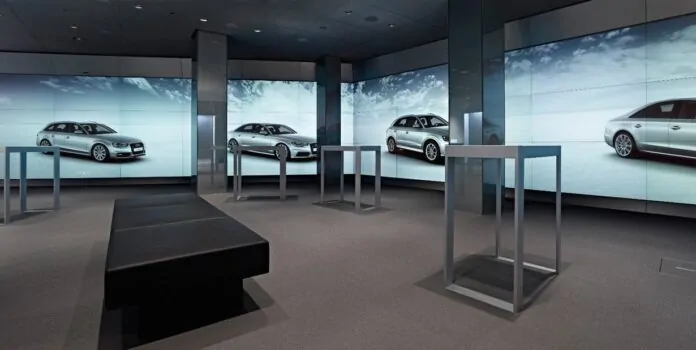
In automotive retail, the dealership space itself can determine whether a customer feels inspired or overwhelmed.
Research shows that design elements such as layout, lighting, and acoustics play a key role in shaping perception and behavior.
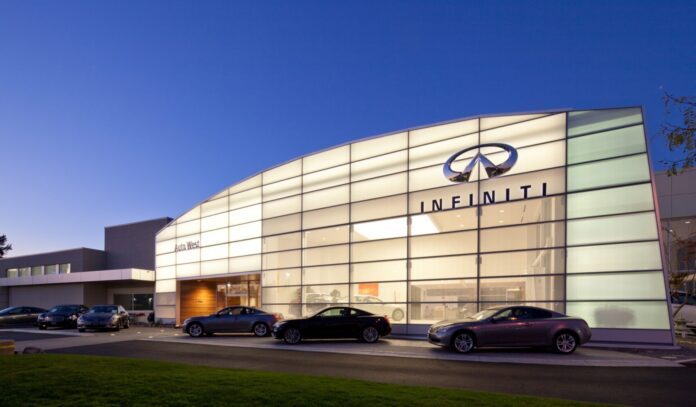
Open, airy showrooms with unobstructed views of vehicles encourage exploration, while strategic lighting highlights design details and creates a sense of sophistication.
Dealerships that incorporate zones for different experiences, such as product demonstrations, customer lounges, and interactive display areas, can cater to a range of customer preferences.
Some visitors want hands-on exploration, while others value private consultation spaces for in-depth discussions.
This approach transforms the traditional showroom into a dynamic experience center where customers feel comfortable and engaged at every stage of their journey.
The psychology of color and layout
Color and layout profoundly affect how customers perceive a dealership’s atmosphere.
Cool tones like blue and silver convey trust, professionalism, and reliability, traits that align with premium automotive brands.
Meanwhile, warmer colors such as orange or yellow evoke excitement and energy, ideal for sports or performance-focused showrooms.
Equally important is spatial flow. Well-designed pathways subtly guide customers through various display areas without overwhelming them.
Natural light, minimalist furnishings, and strategically placed signage all contribute to a calm yet stimulating environment.
Dealerships that balance openness with purposeful structure ensure that customers linger longer and form stronger emotional connections with the brand.
Green Innovations: Sustainable Design Trends for Modern Car Dealerships
Eco-friendly materials and conscious construction
Sustainability has become a defining feature of modern car dealership facility design. By incorporating eco-friendly materials, dealerships can reduce their environmental footprint while appealing to a growing segment of environmentally conscious consumers.
Recycled steel, bamboo, reclaimed wood, and low-VOC finishes are now standard in forward-thinking facilities.
Green roofs and vertical gardens provide insulation and aesthetic appeal, while also helping regulate temperature and reduce stormwater runoff.
Beyond their functional benefits, these sustainable choices reinforce a brand’s commitment to environmental responsibility, an increasingly important factor for today’s car buyers.
Energy efficiency through smart technologies
Energy efficiency is no longer optional; it is a key design principle for dealerships seeking long-term operational savings. Smart lighting systems that automatically adjust to natural daylight reduce energy use while enhancing the visual experience.
Solar panels are being widely adopted to power lighting, HVAC, and charging stations, aligning dealerships with the shift toward renewable energy.
Advanced HVAC systems equipped with air purification technology further improve indoor air quality, contributing to a healthier work environment for staff and a more pleasant atmosphere for visitors.
Dealerships that showcase these green innovations demonstrate leadership in sustainability and appeal to consumers who value brands that take environmental action seriously.
Technology Integration: Elevating the Dealership Experience
Showroom innovation with virtual and interactive tools
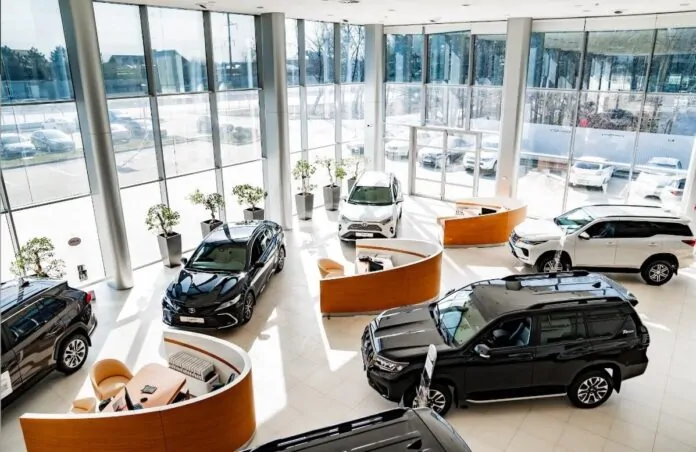
The digital transformation of the automotive industry is extending into physical dealership spaces.
Virtual Reality (VR) and Augmented Reality (AR) technologies now allow customers to explore vehicle models in customized configurations, changing colors, interiors, and features with a tap or gesture.
This immersive experience creates excitement and reduces decision fatigue.
Interactive touchscreen displays provide detailed specifications, performance data, and financing options, turning information into an engaging experience.
Customers can even explore digital showrooms before stepping into a vehicle, making their journey both educational and entertaining.
Streamlining operations through technology
Technology isn’t just about impressing customers; it also improves internal efficiency. Modern dealerships rely on integrated management platforms that combine inventory tracking, scheduling, and CRM systems into one streamlined interface.
These platforms minimize paperwork, reduce human error, and provide real-time insights into customer preferences and sales trends.
By automating routine administrative tasks, dealership staff can devote more time to customer engagement and personalized service. The result is a smoother, faster, and more enjoyable buying process for everyone involved.
The Art of Customer-Centric Spaces
Designing flexible spaces for diverse customer needs
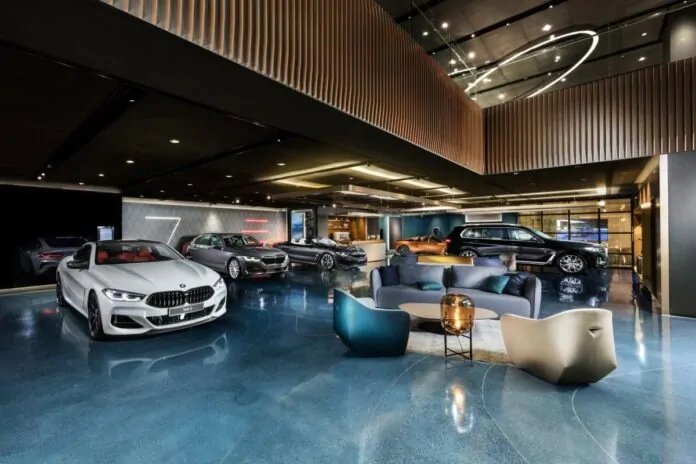
Flexibility is essential in today’s dealership design. Customers vary widely in how they prefer to shop; some value in-person consultations, while others expect digital tools and self-guided exploration.
Modular seating, movable partitions, and multipurpose areas allow dealerships to easily adapt spaces for different customer types and events.
These adaptable environments can also be used for community engagement, such as hosting workshops, product launches, or charity events.
By positioning the dealership as a local hub rather than a purely commercial space, brands can strengthen community ties and build loyalty beyond transactions.
Enhancing comfort with welcoming amenities
Amenities play a crucial role in shaping how customers feel during their visit.
Comfortable seating, complimentary refreshments, and free Wi-Fi can make waiting times feel effortless.
Family-friendly features such as children’s play areas or quiet workstations accommodate a wider range of visitors, creating an inclusive environment.
Some dealerships are even incorporating café-style lounges or co-working spaces, transforming the dealership into a lifestyle destination.
This level of thoughtfulness elevates the overall experience, increases dwell time, and encourages repeat visits.
Conclusion
The future of automotive retail is not defined solely by the vehicles on display but by the environments in which they are experienced.
Innovative car dealership facility design blends aesthetics, technology, and sustainability to create spaces that resonate emotionally with customers while supporting operational efficiency.
From green construction materials to immersive digital showrooms and adaptable layouts, the modern car dealership is evolving into a hub of engagement and innovation.
By embracing these strategies, dealerships can create unforgettable experiences that build trust, inspire excitement, and drive long-term customer relationships.