

Sensory chew necklaces are more than just colorful accessories. They are carefully designed oral motor tools that support focus, reduce anxiety, and promote self-regulation, especially for children and adults with Autism Spectrum Disorder (ASD) or Attention-Deficit/Hyperactivity Disorder (ADHD).
Occupational therapists (OTs) recommend them because they give safe, consistent oral sensory input, helping individuals stay calm and attentive in situations that might otherwise be overwhelming.
Why Oral Sensory Input Matters
For people with sensory processing challenges, oral input is a powerful way to self-soothe. The act of chewing can provide deep pressure and proprioceptive feedback to the jaw, which in turn helps regulate the nervous system. Just as some individuals tap their feet or fidget with their hands to concentrate, others naturally seek oral stimulation, biting pens, sleeves, or even non-food objects. Chewable sensory necklaces channel that behavior into something safe and beneficial.
Occupational therapy research has shown that repetitive chewing motions help reduce stress hormones and increase alertness by stimulating certain pathways in the brainstem. This is why OTs often integrate oral motor aids like chew necklaces into personalized sensory diets, structured routines that help individuals maintain balance throughout the day.
Design and Materials ─ Safety First
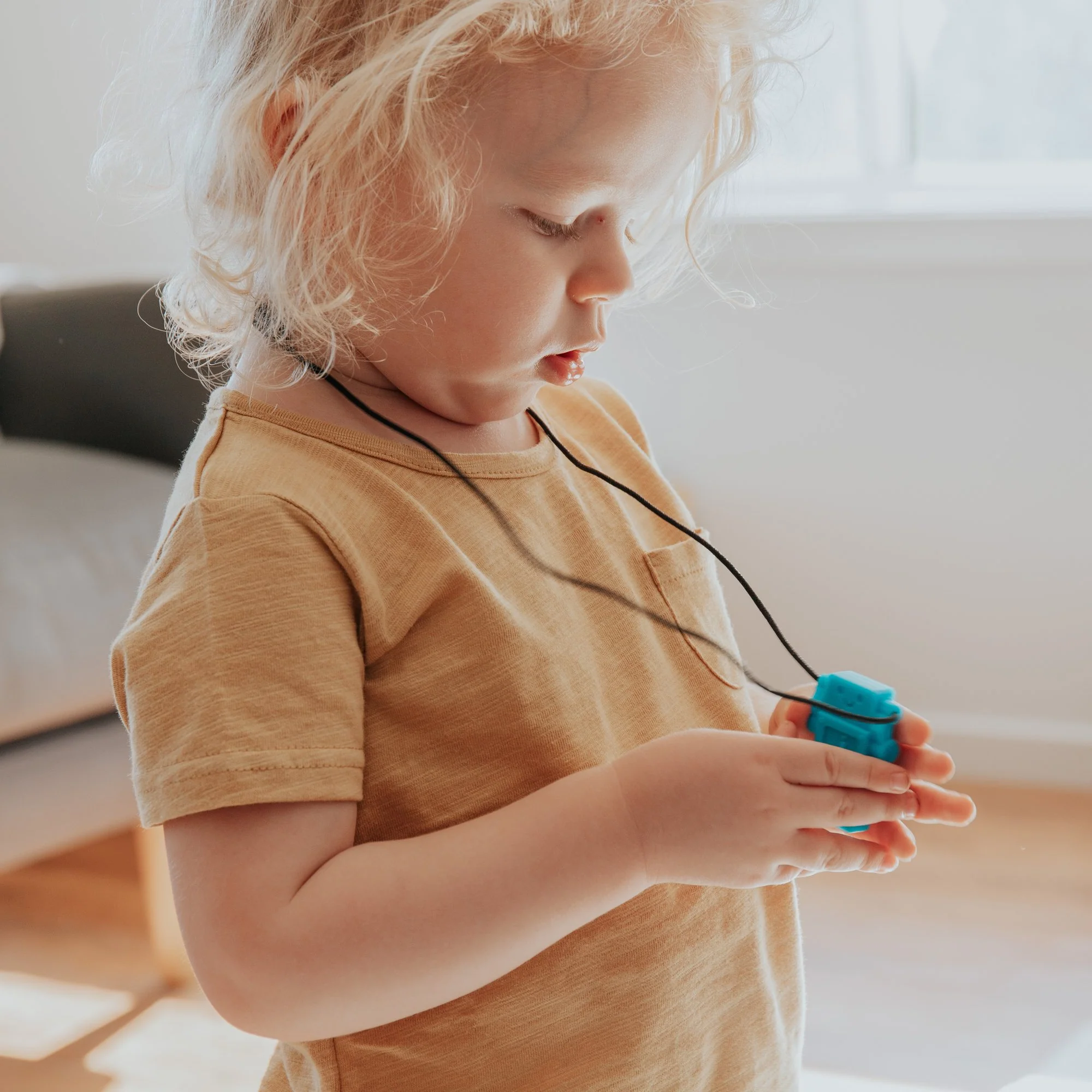
A true therapeutic chew necklace is not just a piece of silicone shaped into a pendant. It must meet safety standards, including BPA-free, non-toxic, and food-grade silicone certifications. These materials are resistant to tearing and easy to clean, which is essential for hygiene and longevity.
The breakaway clasp is another critical design element. It prevents choking hazards by releasing if the necklace is pulled too hard. Depending on sensory preference and bite strength, necklaces come in different resistance levels: soft, medium, and firm, allowing each user to find a model that matches their needs.
|
Feature |
Why It Matters |
Common Variants |
| Material | Safe oral contact and durability | Food-grade silicone |
| Resistance | Matches chewing intensity | Soft / Medium / Firm |
| Clasp Type | Prevents accidents | Breakaway safety clasp |
| Texture | Supports sensory variety | Smooth / Ribbed / Bumpy |
Benefits Beyond the Classroom
Chewable sensory necklaces are often used in classrooms, therapy sessions, and at home, but their benefits go far beyond these settings. For children with ADHD, they can enhance focus during lessons or homework by redirecting fidgeting behavior. For teens and adults on the autism spectrum, they provide a discreet and socially acceptable outlet for self-regulation in public spaces.
They can also help with transitions, one of the hardest challenges for individuals with sensory sensitivities. Moving from one environment to another (home to school, or class to lunch) can trigger stress or behavioral resistance. Having a consistent oral aid acts as a grounding tool during these moments of uncertainty.
Chewing and Emotional Regulation
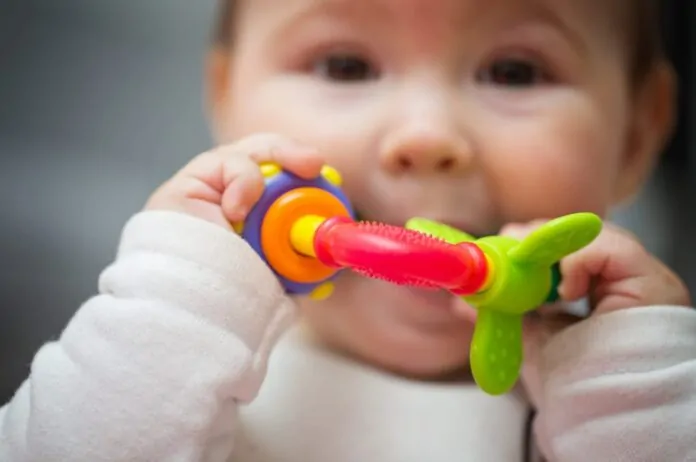
One of the most underappreciated aspects of chewable sensory necklaces is their link to emotional regulation. The rhythmic movement of chewing can lower heart rate, calm breathing, and release muscle tension in the neck and jaw. OTs often describe this as providing “heavy work for the mouth”, a form of proprioceptive input that helps the body feel safe and stable.
For children prone to meltdowns or sensory overload, a chew necklace becomes more than an aid; it becomes part of their emotional toolkit. Parents and educators often notice fewer instances of biting clothing or hitting objects once a proper oral sensory substitute is introduced.
How to Choose the Right Chew Necklace
No two sensory needs are identical. The best chewable necklace depends on the person’s bite strength, sensory preferences, and aesthetic comfort. Younger children may prefer bright, playful designs like puzzle pieces or animal shapes, while older users might choose neutral pendants that blend in with everyday wear.
Key Factors to Consider:
- Chew strength: Light chewers may need softer silicone, while aggressive chewers require high-resistance versions.
- Shape and texture: Smooth designs offer calming feedback; textured surfaces add stimulation for sensory seekers.
- Portability and discretion: For school or work settings, minimalistic designs help the tool blend naturally with clothing.
- Cleaning: Daily washing with mild soap and warm water maintains hygiene and durability.
| Age Group | Recommended Style | Chew Strength | Ideal Setting |
| Toddlers (3–6) | Bright shapes or animals | Soft | Home or therapy |
| School-aged (7–12) | Geometric pendants | Medium | Classroom |
| Teens & Adults | Neutral, modern styles | Firm | Work, public settings |
Integrating Chew Necklaces into OT Plans
Occupational therapists often integrate chew necklaces as part of a larger sensory support strategy. These strategies may include deep pressure activities, weighted tools, or fidget aids to promote whole-body regulation. A child who uses a chew necklace during seated activities might also use weighted lap pads during reading sessions to enhance focus.
In the same way that oral input calms the nervous system, tactile and proprioceptive tools like weighted teddies provide grounding pressure that reinforces emotional stability. When used together, these tools complement each other, giving the individual multi-sensory feedback that supports focus and calm throughout the day.
When to Introduce an Oral Motor Aid
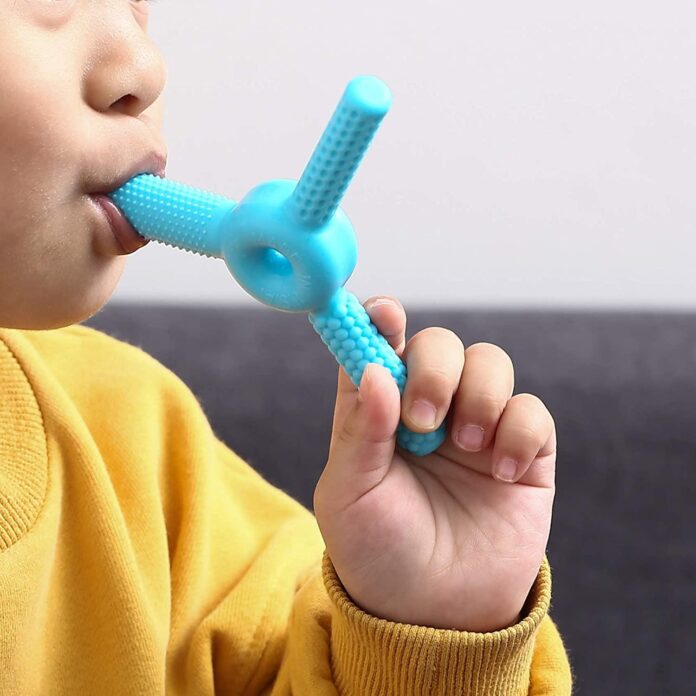
Parents and caregivers should consider introducing a chewable sensory necklace when they notice repeated oral-seeking behavior, such as biting nails, sleeves, or small objects. It’s important to discuss it with an occupational therapist, who can assess whether the chewing is driven by sensory needs, anxiety, or attention challenges.
OTs may recommend starting gradually, offering the necklace during specific times like homework sessions or car rides, and then increasing usage as the child learns to self-regulate. The key is to make it a consistent, positive part of their sensory routine, not a correction or punishment.
Common Myths and Misconceptions
Myth 1: “Chewing means bad behavior.
In reality, chewing is often a subconscious attempt to self-regulate. Suppressing it can worsen anxiety or distractibility.
Myth 2: “These necklaces are only for kids.”
Adults with ADHD, anxiety, or sensory sensitivities also benefit from chewable aids, especially in high-stress jobs or long meetings.
Myth 3: “They look childish.”
Modern designs now resemble minimalist jewelry or athletic accessories, making them practical and discreet for all ages.
Maintenance and Hygiene Tips
Regular cleaning is essential since oral contact introduces moisture and bacteria.
Most chew necklaces can be hand-washed with soap and water or placed on the top rack of a dishwasher.
It’s also good practice to inspect the necklace regularly for wear or tears, especially for strong chewers.
Replacing worn necklaces ensures continued safety and effectiveness.

Conclusion
Chewable sensory necklaces are simple yet scientifically grounded tools that meet a fundamental need for oral sensory input. They are OT-approved, safe, and effective in supporting emotional regulation, focus, and calm for people with Autism and ADHD.