
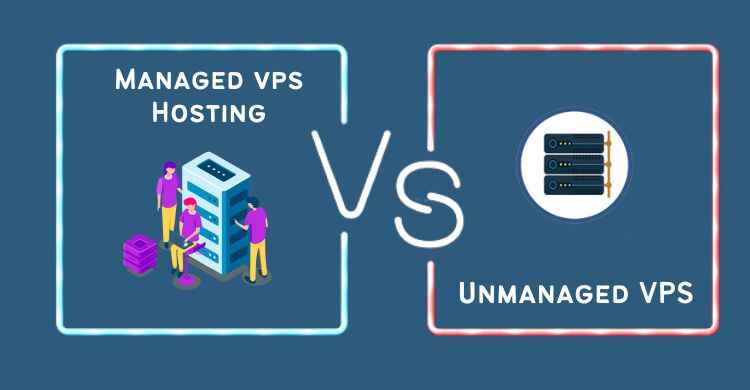
When your site outgrows shared hosting or you need more control over how your environment runs, upgrading to a virtual server setup makes sense. But once you’re at that stage, you face an important decision: should you go with a fully managed plan or opt for the do-it-yourself route?
Both options give you access to dedicated resources and improved performance, but how much responsibility you’re willing to take on will define your entire experience. This article breaks down the practical distinctions between these two hosting paths to help you choose what fits your business best.
Key Highlights
- Managed solutions offer expert support, server maintenance, and automatic updates.
- Unmanaged plans give complete control—but require technical skill.
- Pricing, responsibilities, and support levels differ significantly.
- The best choice depends on your experience and how hands-on you want to be.
What Does “Managed” Actually Mean?

With a managed virtual environment, your provider handles most of the system setup and ongoing maintenance. It’s a great option for businesses that want speed, security, and reliability—but don’t have the time or expertise to manage servers.
Here’s what’s typically included:
- Operating system installation and updates
- Security patches and firewall setup
- Monitoring and issue resolution
- Backup configuration
- Software support
- On-call technical assistance
Essentially, the hosting provider acts like your IT partner. You still get all the performance benefits, but without the backend headaches.
The Unmanaged Experience
Choosing an unmanaged setup means starting with a blank slate. You get access to the machine, but you’ll need to handle installation, configuration, security, and everything else. There’s no support for most tasks unless you pay extra.
This route gives you full access and flexibility, making it ideal for developers or companies with their own sysadmin teams. You can build custom stacks, configure it however you like, and control every aspect of the server.
Providers like VirtualHosting offer both managed and unmanaged packages, allowing customers to choose based on technical skills and use case. This is especially useful if you’re comparing offers from VPS providers in Czech Republic, where local support and regional performance may matter.
Cost Comparison and Service Value
One of the biggest differences is cost. Managed services are more expensive—but you’re paying for support, peace of mind, and maintenance. If something goes wrong, someone fixes it. If something needs updating, it happens automatically.
Unmanaged hosting is more affordable, but not necessarily cheaper in the long run if your team isn’t experienced. Mistakes, downtime, and performance issues can cost far more than a higher monthly fee.
| Feature | Managed Hosting | Unmanaged Hosting |
| Support Included | Yes (24/7) | Rare, usually extra |
| OS & Security Updates | Provider-managed | User-managed |
| Server Monitoring | Included | Manual setup required |
| Root Access | Limited or controlled | Full and unrestricted |
| Ideal For | Small businesses, non-tech | Developers, IT professionals |
| Base Price | Higher | Lower |
Performance Considerations
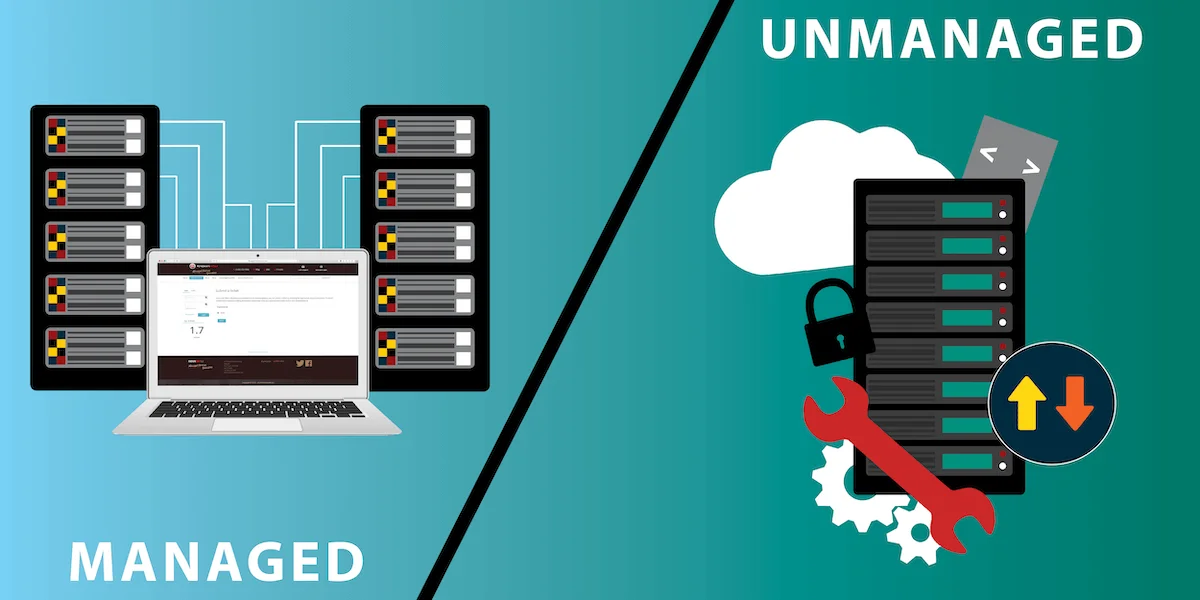
Both plans offer similar raw resources: CPU, RAM, and storage. But how well those resources are maintained and optimized makes a difference.
With a managed plan, performance is fine-tuned by professionals. If something slows down, they fix it. You can expect consistent uptime, backups, and ongoing tweaks to ensure smooth operation.
If you go the unmanaged route, it’s your job to monitor traffic spikes, patch vulnerabilities, and configure cache systems. You can achieve excellent performance—but it depends entirely on how well you maintain it.
Control, Flexibility, and Root Access
If your top priority is control, unmanaged hosting delivers. You get root access, the ability to install anything, and full customization.
On the flip side, managed plans often restrict access to prevent mistakes or to keep configurations stable. That means you might not be able to install niche tools or make advanced changes.
So, if you’re building custom environments or running unique applications, unmanaged hosting gives you freedom. If stability and peace of mind are more important, the managed option is safer.
Security and Responsibility
Security is another critical area where the two differ.
- In a managed setup, firewalls, DDoS protection, and malware scans are typically included. The provider updates everything on time, reducing your risk.
- With unmanaged servers, you’re fully responsible. That includes setting up SSH keys, updating software, configuring firewalls, and monitoring logs.
For many, the managed route means fewer sleepless nights. But if you know what you’re doing (or are willing to learn), you can secure your own environment effectively.
Scaling and Future Needs
Both managed and unmanaged solutions scale well. But managed platforms often offer easier upgrade paths. You can increase storage or RAM with just a few clicks, often without needing to handle configuration changes.
With unmanaged hosting, scaling requires more planning. You may need to migrate data manually, adjust services, or tweak settings for performance.
Still, the unmanaged model allows more customization during growth—especially if you’re scaling non-standard workloads or applications that don’t fit typical templates.
Which one should you go with:
| Choose Managed Hosting If You: | Choose Unmanaged Hosting If You: |
| Don’t have dedicated IT staff | Are comfortable working with Linux or similar systems |
| Run a small or mid-sized business | Require full control over server configuration |
| Prefer peace of mind over deep customization | Want the most affordable monthly plan |
| Need round-the-clock monitoring and technical support | Are hosting complex or custom-built applications |
Conclusion
The difference between managed and unmanaged virtual servers is all about control vs. convenience. One gives you professional help and stability; the other hands you the keys and says, “You’re in charge.”
Neither is universally better. The best choice depends on your needs, experience, and how much time you want to dedicate to infrastructure.
Making the right call now can save you from tech headaches and unexpected costs later.