Small businesses usually do not lose attention because they are boring. They lose it because people are busy, walking fast, comparing options on their phones, and making tiny decisions in seconds.
A storefront has to work a little like a landing page in the real world. It needs a clear message, a visible reason to stop, and enough personality to feel memorable. The good news is that better storefront visibility does not always mean expensive ads.
Often, it comes from smarter signage, cleaner presentation, local search basics, and a few habits repeated well.
Make The Storefront Explain Itself Quickly
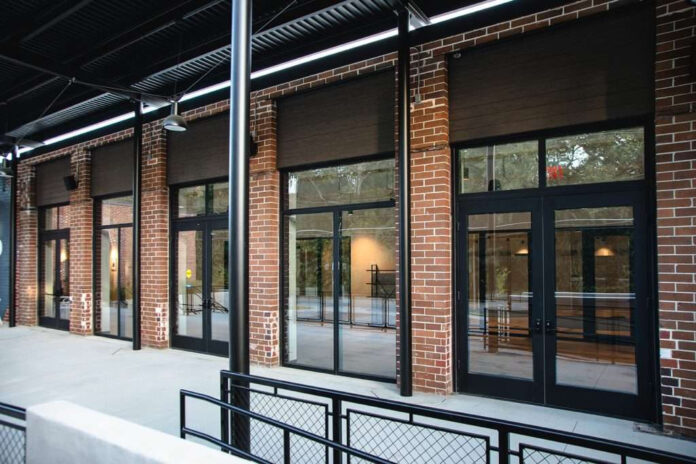
Before thinking about promotion, look at the storefront as a stranger would. Can someone understand what you sell without slowing down? Can they see the name, category, entrance, and main offer from across the street?
A bakery should look like a bakery before anyone reads the menu. A repair shop should signal trust before someone checks reviews. A boutique should show style before a passerby touches the door handle.
Clear storefront design supports both foot traffic and brand recall because it removes hesitation. People are more likely to step in when the outside already answers their first question: “Is this place for me?”
Choose One Visual Hook People Remember
A storefront does not need ten attention-grabbing elements. It needs one strong one. That could be a bright window display, a clean hanging sign, a seasonal product table, or lighting that makes the entrance feel active after dark.
For businesses that rely on personality, it can also make sense to create a custom neon sign with the shop name, a short phrase, or a brand symbol. Neon Now’s custom sign builder lets users choose text, font, colour, and size for made-to-order LED signs designed for indoor or outdoor use. The aim is not to shout. It is to give people one visual memory they can connect with your store.
Treat Google Like Part Of The Front Window
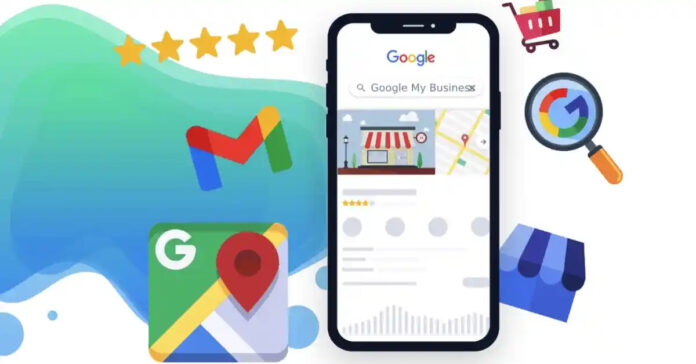
Your physical storefront and your Google presence now work together. Someone may notice your sign, search your name, check your photos, and decide whether to visit, all within a couple of minutes.
Google says local results are mainly based on relevance, distance, and prominence, and it recommends complete business information, updated hours, reviews, photos, and videos to improve local ranking.
A free Google Business Profile can also include hours, photos, offers, posts, FAQs, products, services, and review replies.
Important: a storefront is not only what people see from the pavement. It is also what they see when your business appears on Maps, Search, and local “near me” results.
Keep Photos And Posts Fresh
If your Google photos are old, dark, empty, or taken before a renovation, they may be working against you. Google’s photo guidance says business images should be in focus, well lit, realistic, and useful for customers deciding whether to buy.
This is a simple routine, not a full marketing campaign. Take a clean exterior photo in daylight, one at night if the lighting is attractive, a few product or service photos, and one image that shows the feeling inside.
Google also allows Business Profile posts for updates, offers, events, photos, videos, and action buttons. Use them like tiny local ads you do not have to pay for.
Use The Window Like A Small Media Channel
A window display should not be random decoration. It should tell people what is new, useful, seasonal, popular, or worth asking about. Shopify’s 2026 visual merchandising guide describes merchandising as a mix of layout, lighting, decor, branding, and visual cues that guide customers toward buying.
In everyday terms, show fewer things, show them better, and change the display often enough that regular passersby notice. A cluttered window makes people work too hard. A focused window gives them a reason to pause.
Try rotating one main idea at a time:
- A bestseller or signature service
- A seasonal problem your product solves
- A limited offer with simple wording
- A “new in” display that feels current
Make Signs Easy To Read, Not Just Pretty
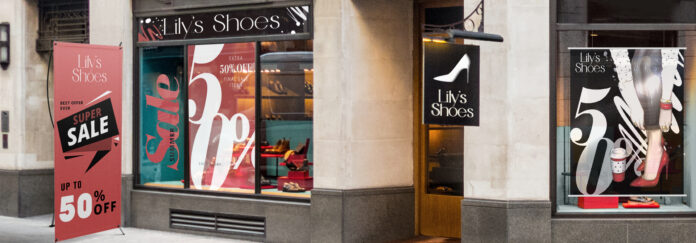
Good retail signage does not need to be huge. It needs to be readable at the speed people move. If someone is walking past, driving slowly, or looking up from their phone, small ornate lettering may disappear.
Design, placement, and clear sign strategy as key parts of attracting foot traffic and sales. Think contrast, short wording, and a hierarchy of messages.
| Storefront area | What it should say quickly |
| Main sign | Who you are |
| Window | Why someone should stop |
| Door | When you are open |
| A-frame sign | What is timely today |
After that, remove anything competing with the main message.
Connect Offline Visibility With Local Search
A storefront can also send signals online. Use the same business name, address, phone number, opening hours, and category everywhere customers might check you. That includes your website, Google Business Profile, social profiles, directories, receipts, booking pages, and delivery apps.
This consistency helps customers trust that they have found the right business, and it prevents confusion when people search locally. Add a simple location page to your website with neighbourhood terms, parking notes, nearby landmarks, and photos of the entrance.
This supports local SEO for small business visibility because it matches how real customers search: by product, place, convenience, and confidence.
Did you know? The cheapest visibility upgrade is often not a new sign. It is rewriting the sign you already have.
Let Happy Customers Increase Visibility For You

Small businesses often underestimate the visibility power of customers who already like them. Reviews, tagged photos, word-of-mouth recommendations, and repeat visits can make a storefront feel more active both online and offline.
Google notes that replying to reviews shows that a business values feedback, and that reviews and positive ratings can help local ranking. The honest way to build this is simple: ask at the right moment, make it easy, and never pressure people.
A natural review request can happen:
- After a successful service
- When a customer compliments the store
- In a follow-up email or receipt
- Through a small card near checkout
- With a QR code that leads directly to the review page
A more visible storefront is usually built through layers, not one dramatic change. Clean signage, better lighting, fresh photos, local SEO, readable window messages, and customer reviews all add up.
None of these ideas requires a huge advertising budget, but they do require consistency. Think of the storefront as a living marketing asset, not a fixed piece of decoration.
When it clearly shows who you are, what you offer, and why people should care today, it starts doing quiet work every hour the business is open.