
A new game can be full price on Friday and noticeably cheaper a few months later. That looks like a sudden loss of value, but it is usually a planned change in who the publisher is trying to sell to. Early buyers pay for immediacy; later discounts target players willing to wait.
The short version: launch demand is concentrated, attention moves on, and a discount can bring a fresh wave of buyers into a game whose first audience has already purchased it. But “fast” is relative. A limited-time sale is not the same thing as a permanent price cut, and a multiplayer hit may follow a very different curve from a short single-player release.
Launch price is for the first audience, not every audience
Publishers know that players do not all value a game’s release week equally. Dedicated fans may want to play immediately, join friends, avoid spoilers, or take part in the launch conversation. That group is often less sensitive to price than someone with a long backlog and no urgency. A high initial price captures more revenue from eager buyers before a discount appeals to the more cautious ones.
This is a form of price discrimination over time: the product is largely the same, but the price changes as the audience changes. It is not necessarily a sign that the game was “overpriced” at launch. The publisher is testing how much demand exists at each price, while aiming to earn from both the first wave and the people who would not have bought at full price.
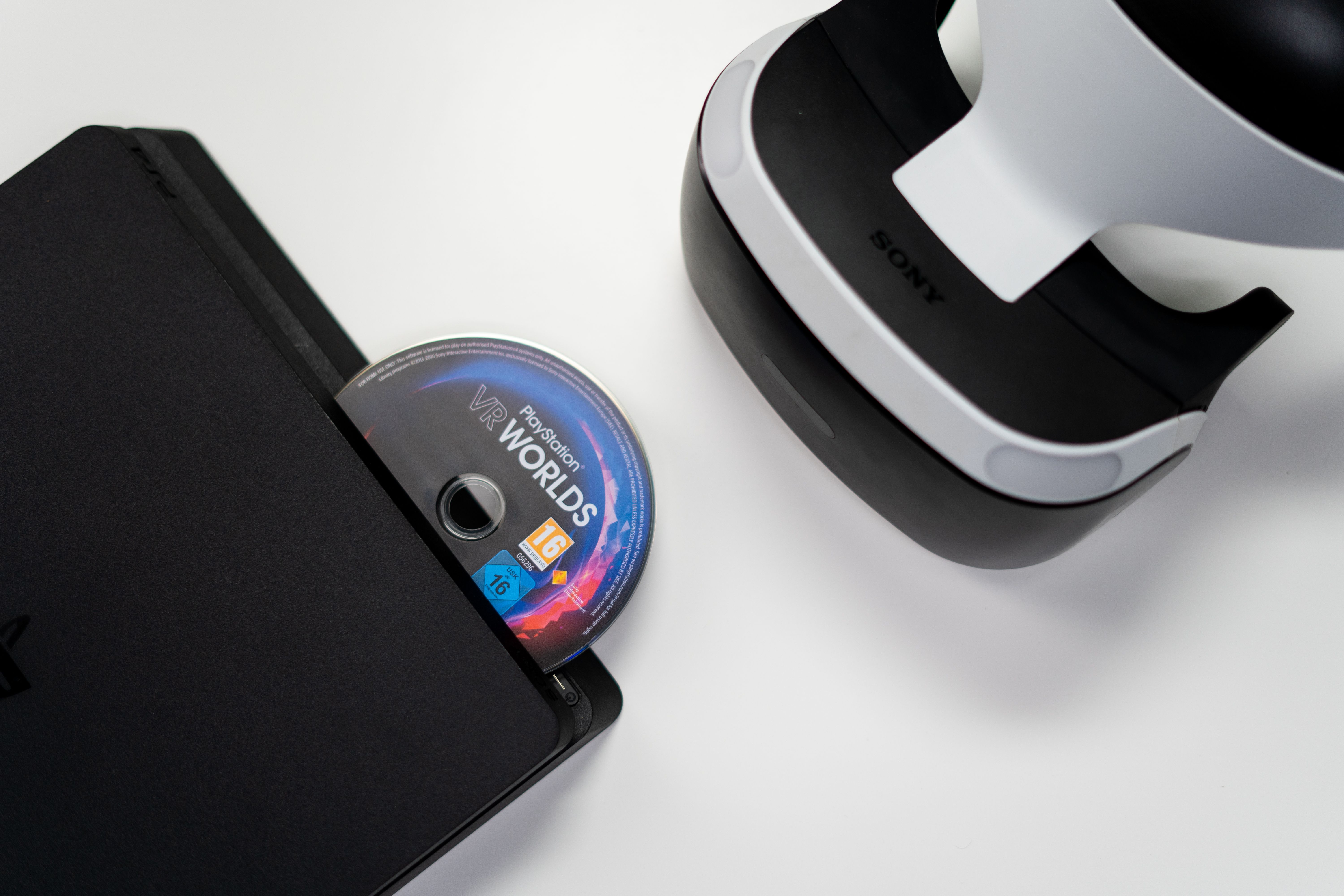
Physical copies add another wrinkle. Retailers can discount boxed stock to clear shelves, and used copies can circulate at prices the publisher does not control. Digital storefronts have no warehouse to empty, but they can run highly visible promotions. So a disc in a shop and a download on a console may not share the same price curve, even for the same title.
The clock matters, even when reviews are strong
Game launches compete with one another for the same finite hours. A title can remain popular while its daily sales slow: many of the most eager buyers already own it, the launch campaign has faded, and the next release is taking over feeds and storefront space. A lower price can reopen the conversation with people who were interested but not convinced at the original price.
Research by Carlos Hernández-Mireles, Dennis Fok, and Philip Hans Franses examined pricing for 1,195 newly released PlayStation 2 games sold in the United States from 1995 to 2002. Their 2010 Erasmus University report found that elapsed time and competing releases were more likely triggers for major price cuts than a game’s past sales alone. The study is historical, not a forecast for today’s digital stores, but it makes a useful point: a price cut can be part of the product lifecycle, not simply a punishment for weak sales. The Erasmus study on video-game price landings also found substantial differences between publishers and game types.
A sale buys attention as well as lower prices

On a digital store, cutting the price can do more than persuade an individual shopper. It can make a game eligible for sale pages, boost its visibility among browsing customers, and prompt some wishlisted players to take another look. Steam’s current partner documentation says discounts of 20% or more can trigger wishlist email notifications, and describes four major seasonal sales each year. A cut, then, is partly a marketing event: a chance to reach people who may have stopped noticing the game.
The discount ladder is usually deliberate. Steam allows an optional launch discount, then applies rules around later reductions, including a general 30-day cooldown after release and between most discounts. Its guidance advises developers to increase discount depth over time rather than jump quickly to a very steep cut. That helps explain why a game might first appear at 10% or 20% off, then reach larger reductions in later seasonal promotions. The platform’s discounting rules and guidance for developers show how sale calendars are built into the storefront, not improvised each time a price changes.
There is a commercial logic beyond moving more copies immediately. A lower base-game price can widen the audience for expansions, cosmetic purchases, or a sequel. For a game with a strong add-on catalogue, earning less on the first purchase may still be worthwhile if more players go on to buy other content. The base game is sometimes the doorway, not the whole transaction.
Not all games get cheaper at the same speed
Genre and social timing matter. A single-player game can be enjoyed months later without losing its core appeal, so a publisher can keep discounting it to catch patient buyers. A multiplayer game may benefit from an active community, friends playing together, and a healthy matchmaking pool. Its publisher might protect the launch price longer, or discount strategically when a new season or major update can bring lapsed players back.
Competition also comes from games that do not charge an upfront price. Players choose how to spend their time as well as their money; free-to-play and user-created experiences are part of that choice. Our coverage of Roblox’s user-generated game ecosystem illustrates one way that alternative models can compete for attention. A premium game’s price drop can be an attempt to make trying it feel easier beside those options.
And the sticker price may not tell the whole story. A deluxe edition, subscription catalogue, bundle, or retailer promotion can change what a player pays without changing the game’s standard price. Regional pricing and platform policies also vary. So there is no universal rule that every release will be half price after a set number of months.
When is waiting worth it?
If you mainly want the campaign and are comfortable avoiding spoilers, waiting for a sale is sensible. Add the game to a wishlist, compare the discount with its previous sale prices where that history is available, and consider whether an upcoming expansion or edition might change what is included. A discount is only a bargain if you still want the game at that price.
If your reason to buy is playing with friends at launch, a lower future price may not compensate for missing the moment. For everyone else, patience is often rewarded because the publisher has a reason to keep reaching new buyers after the opening rush. For shoppers comparing storefront offers, cheap game keys can be one route to check, but confirm the platform, region, edition, and seller terms before purchasing.
The fast drop is not a mystery so much as a handoff: from fans paying for immediacy to a wider audience paying for value. A game’s price can fall even while its player base, reputation, or long-term sales are healthy. The better question is not “Why did the game get cheap?” but “Which buyers is this price meant to bring in now?”