
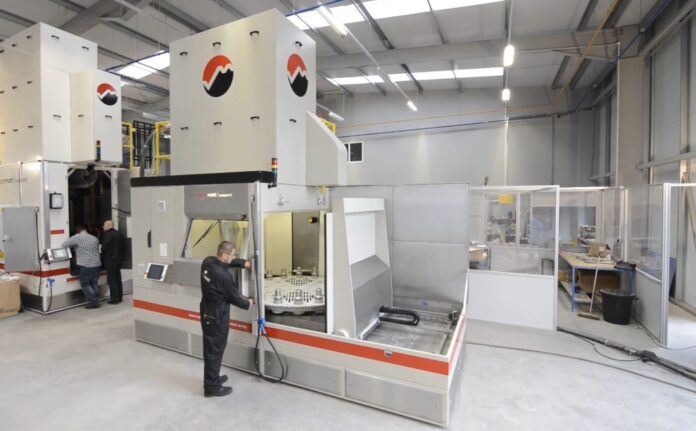
Surface preparation is one of the most important steps in manufacturing, engineering, and restoration. Whether dealing with automotive parts, aerospace components, or industrial machinery, the way a surface is treated before coating or assembly directly affects performance, durability, and efficiency.
Over the years, industries have developed multiple techniques to clean, refine, and prepare surfaces. Each method brings its own advantages, making it essential to choose the right approach for the right material.
Why Surface Preparation Matters
Before paint, coatings, or mechanical treatments are applied, a surface must be free from contaminants such as rust, oil, dirt, and old finishes. If neglected, these contaminants can compromise the adhesion of coatings, accelerate corrosion, and reduce the lifespan of the component. In industries like aerospace or automotive, where safety and precision are paramount, even small imperfections can have costly consequences.
Surface preparation also plays a role in aesthetics. For restoration projects, especially in classic vehicles, a flawless surface finish enhances both value and visual appeal.
Common Methods of Surface Treatment
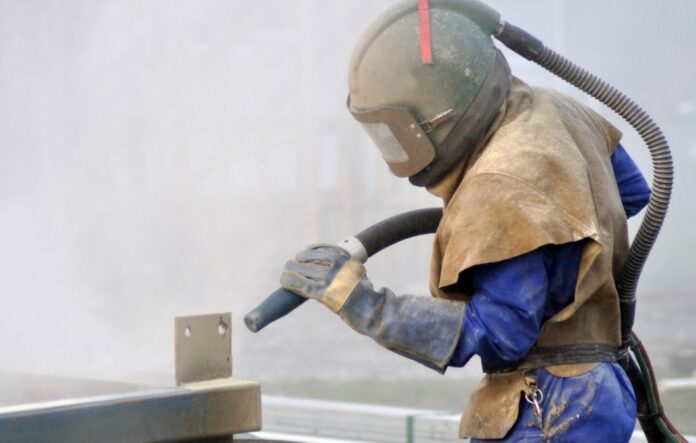
Sandblasting
Sandblasting has long been a go-to method for stripping paint, rust, and other contaminants. It uses high-pressure air mixed with abrasive particles to scour surfaces clean. While effective, it can be harsh on delicate components, sometimes removing more material than desired.
Shot Blasting
Shot blasting uses spherical media instead of angular sand. This technique is common in heavy industries like shipbuilding or steel construction. It not only cleans but also strengthens the metal through a process called peening.
Chemical Cleaning
Solvents and chemical baths can dissolve oils, paints, and residues. This method is highly effective for precision parts but raises environmental and safety concerns. Strict regulations are pushing industries to adopt more eco-friendly alternatives.
Bead Blasting
Glass bead blasting provides a gentler approach compared to sandblasting. It cleans and polishes without aggressively wearing down the material, making it popular for stainless steel and softer metals.
Emerging Technologies in Surface Preparation
Modern industries require methods that balance efficiency, precision, and environmental responsibility. As a result, new technologies are emerging that outperform traditional techniques. These methods aim to reduce dust, waste, and surface damage while achieving superior finishes.
One such development is the adoption of slurry-based systems. Instead of relying solely on dry abrasive media, these systems suspend abrasive particles in water, reducing heat and dust while creating a smoother finish. This has proven especially valuable for intricate parts where maintaining structural integrity is vital.
Applications Across Industries
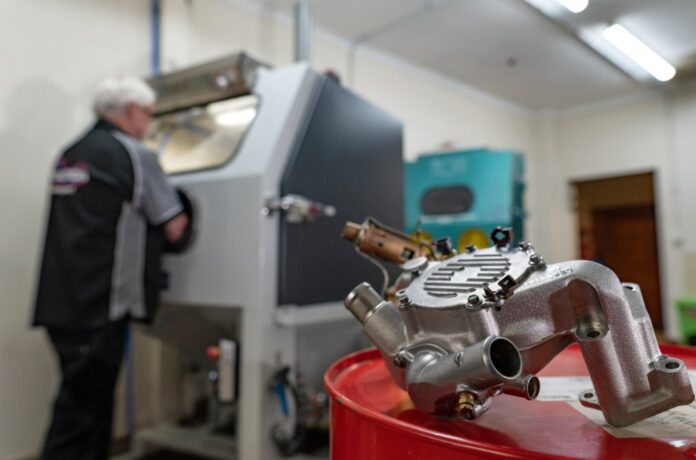
Automotive Restoration
Classic car enthusiasts and professional workshops rely heavily on advanced blasting techniques to clean engine components, gearboxes, and body panels. The goal is to remove carbon build-up, rust, or paint without damaging the underlying metal.
Aerospace Engineering
In aerospace, every component must meet strict standards for performance and safety. Surface preparation ensures that coatings and protective layers bond properly, extending the lifespan of critical parts exposed to extreme conditions.
Manufacturing and Maintenance
Factories use blasting techniques to refurbish worn machinery, prepare parts for welding, or maintain large equipment. The right surface preparation method can dramatically reduce downtime and improve efficiency.
The Advantages of Advanced Blasting Methods
When comparing traditional methods like sandblasting to more modern alternatives, several benefits become clear:
- Precision – newer systems can treat delicate surfaces without risk of warping or excessive wear.
- Cleaner finish – a smoother surface enhances coating adhesion and improves aesthetics.
- Environmentally safer – dust and waste are significantly reduced, making compliance with environmental standards easier.
- Versatility – suitable for a wide range of materials, from hardened steel to aluminium and composites.
Choosing the Right Equipment

Businesses and workshops must consider several factors before investing in a blasting system. These include the size of parts being processed, the desired finish, and the frequency of use. Smaller workshops may prioritise compact, versatile systems, while large-scale manufacturers need machines that can handle continuous operation.
One of the most effective modern solutions is a vapour blasting machine. Unlike traditional sandblasting, vapour blasting uses a combination of water and abrasive media to create a gentler yet highly effective cleaning process. This results in a polished finish that retains the integrity of the material. Industries ranging from automotive restoration to aerospace increasingly favour this method for its precision and eco-friendliness.
For those looking to explore the benefits further, investing in a high-quality vapour blasting machine can provide long-term advantages. With reduced dust emissions, lower abrasive consumption, and superior surface finishes, it is quickly becoming the preferred choice for many sectors.
Conclusion
Surface preparation is a critical step that influences performance, safety, and aesthetics across industries. From traditional sandblasting to advanced wet blasting technologies, each method has its place depending on the task. However, modern demands for precision, environmental safety, and durability are pushing businesses towards innovative solutions.
By adopting advanced equipment and methods, companies can not only improve efficiency but also extend the lifespan of their components. In this evolving landscape, technologies like vapour blasting stand out as a forward-looking solution that balances performance with sustainability.
With industries increasingly relying on composites, lightweight alloys, and advanced coatings, preparation methods must evolve to accommodate different surface chemistries and structural sensitivities. Automated blasting systems, equipped with sensors and AI-driven controls, are already improving consistency, reducing human error, and optimising abrasive use — all while lowering operational costs.
Another significant development is the integration of surface preparation into broader production workflows. Instead of treating it as a standalone step, manufacturers are designing processes where cleaning, coating, and inspection occur in a seamless sequence, improving efficiency and traceability. Sustainability will also continue to shape innovation, with water recycling systems, biodegradable abrasives, and low-emission technologies becoming standard practice.
Moreover, as regulatory pressure increases worldwide, proper documentation and quality verification of surface preparation will become essential, particularly in aerospace, defence, and medical engineering. Companies that invest in cutting-edge technologies today will not only achieve superior finishes but also strengthen their competitive advantage and future-proof their operations. In short, surface preparation is evolving from a necessary process into a strategic capability that underpins quality, performance, and sustainability.