
High-net-worth individuals (HNWIs) have traditionally relied on physical security to keep themselves and their families safe. The image is familiar: highly trained, physically imposing bodyguards positioned between a principal and potential threats. This model is built on proximity, deterrence, and response.
Reactive protection requires tactical excellence. But in a world where threats increasingly originate in digital and indirect environments, proximity alone is no longer sufficient. Many of the risks facing HNWIs today develop long before a physical encounter ever becomes possible. As a result, security models that rely primarily on reaction are operating too late in the threat lifecycle.
The Expanding Threat Surface

The modern risk environment is no longer confined to physical proximity. It extends across digital ecosystems, social exposure, and interconnected networks that continuously generate data. Executives and high-profile individuals now operate in environments where their digital footprint often reveals more than their physical presence ever could.
Research shows that executives and HNWIs face a combination of physical and cyber threats, amplified by constant online activity and remote communication . Every interaction, travel plan, or business engagement leaves a trace that can be aggregated, analyzed, and exploited.
This shift has effectively expanded the attack surface in three critical ways:
- Personal data exposure grows through routine digital use, often without direct awareness of how information is aggregated
- Professional networks create indirect access points, where partners, assistants, or vendors become potential vulnerabilities
- Public visibility increases through media, events, and social platforms, providing adversaries with behavioral patterns
Security, in this context, is no longer about guarding a location. It is about understanding how information moves and how it can be used against the individual.
Physical Security Alone Is Not Enough
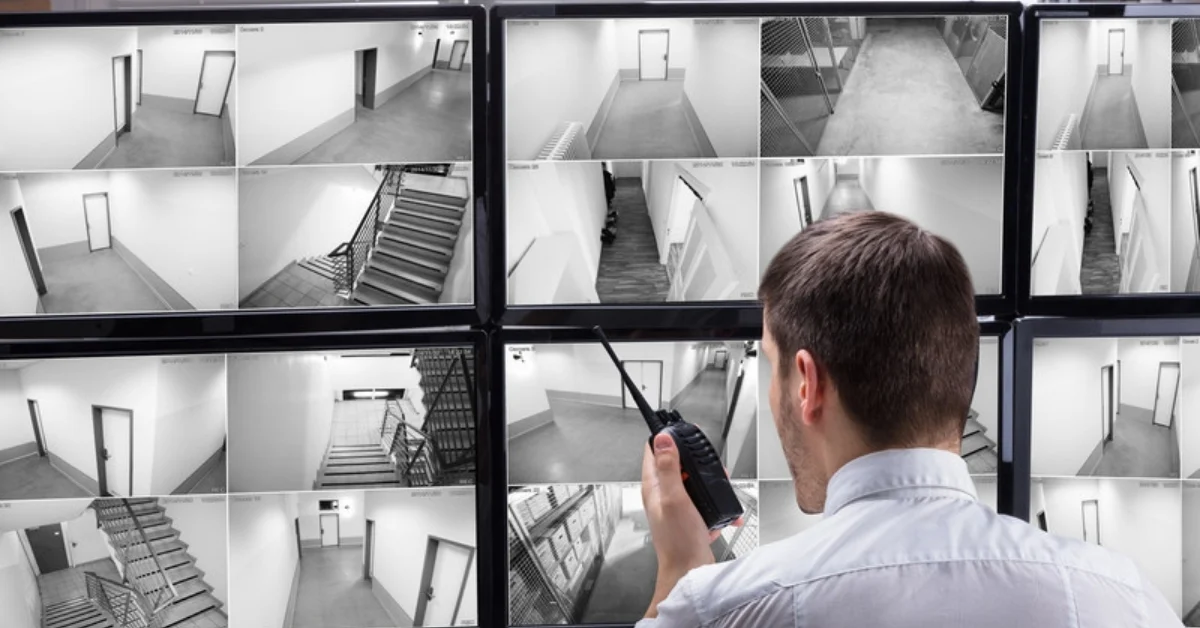
Physical security remains a critical component of any comprehensive protection strategy. However, by the time a threat reaches the point where physical intervention is required, the opportunity for proactive mitigation has often already passed.
Modern threats are rarely immediate or visible. Instead, they tend to develop gradually – through exposed personal data, leaked travel details, social media activity, compromised credentials, or coordinated online behavior. These early indicators are often subtle, fragmented, and easy to overlook without dedicated monitoring and structured analysis.
Threat development today often follows a pattern: initial data exposure, followed by targeting, followed by escalation. Each stage presents an opportunity for detection – but only if visibility exists early enough in the process. Without that visibility, security teams are left responding at the final stage, where options are limited and stakes are highest.
This shift is redefining what a true security perimeter looks like. Increasingly, it is not physical – it is informational.
Early Warning Signals and Behavioral Indicators
Understanding early warning signals is central to modern protection. Threats rarely appear fully formed. They evolve through behaviors, signals, and patterns that become visible only when continuously monitored and analyzed.
Protective intelligence frameworks emphasize proactive identification and assessment of potential threats before escalation occurs . This includes not just technical indicators, but human behavior and intent.
Common early-stage indicators include:
- Unusual online mentions or sentiment shifts linked to an individual or event
- Repeated data exposure across platforms, including leaked credentials or personal identifiers
- Patterns of digital surveillance, such as persistent tracking or information gathering
- Coordinated activity across forums or networks suggesting planning or targeting
Recognizing these indicators requires more than tools. It requires context, correlation, and the ability to distinguish noise from meaningful risk signals.
An Intelligence-Driven Approach to Protection

Firms like Red5 Security, a U.S.-based protective intelligence company focused on executive and high-net-worth risk, approach security as an intelligence problem rather than a purely physical one. The focus is not just on responding to threats, but on identifying and understanding them before they materialize.
This involves continuous monitoring of digital environments, analysis of threat actors, and ongoing assessment of intent and capability. Rather than waiting for an incident, security teams work to surface risks early – often weeks or months in advance – allowing for more informed and strategic responses.
For example, a corporate executive planning travel to a high-profile event in a developing market may appear secure under a traditional model focused on personnel and logistics. An intelligence-led approach begins earlier, incorporating:
- Local geopolitical and security conditions
- Known travel route vulnerabilities and chokepoint risks
- Digital chatter, sentiment, and emerging signals tied to the individual or event
- Patterns of activity that may indicate targeting, surveillance, or coordination
By the time the trip takes place, the objective is not just protection – it is informed decision-making. In some cases, the most effective risk mitigation strategy is not increased security presence, but altering plans entirely based on intelligence gathered in advance.
Integrating Digital and Physical Protection Layers

A modern protection strategy does not replace physical security. It enhances it by integrating intelligence into every stage of planning and execution.
Recent security models emphasize a combined approach where digital intelligence, human analysis, and physical protection operate together. Each layer supports the others, creating a more adaptive and resilient system.
Key integration points include:
- Pre-event intelligence that informs staffing levels, routes, and contingency planning
- Real-time monitoring that supports rapid decision-making during movement or exposure
- Post-event analysis that refines future risk assessments and identifies new patterns
This layered model reduces reliance on static assumptions. Instead of preparing for a fixed scenario, security teams continuously adjust based on evolving intelligence.
Mitigation Over Force
The distinction between reactive and intelligence-led security ultimately comes down to mitigation versus force. Intelligence-driven models provide several advantages:
- Discreet Efficiency – Security efforts become more targeted and less visible, focusing resources where they are actually needed rather than maintaining a constant physical presence.
- Extended Coverage – Protection expands beyond the individual to include family members, assets, and digital exposure – areas that are often exploited indirectly.
- Strategic Clarity – Principals are equipped with actionable insights that inform both personal and business decisions, reducing uncertainty in complex and evolving environments.
This approach relies on continuous monitoring – tracking changes in risk conditions, emerging threats, and behavioral signals over time rather than relying on static security postures. It allows security teams to adapt as new intelligence becomes available, rather than relying on fixed assumptions. This model is increasingly being adopted across executive protection and corporate security programs as threat environments become more complex and less predictable.
Intelligence Defines the Modern Perimeter

Security for HNWIs has shifted from visible protection to informed anticipation. Intelligence-led models focus on identifying and mitigating threats before they escalate, rather than responding after exposure.
Effective protection now depends on early visibility, continuous analysis, and adaptive decision-making. Physical security remains essential, but it operates as the final layer, not the foundation.
As threat actors increasingly rely on digital signals and indirect access points, the real advantage lies in understanding intent and timing. In this environment, security is no longer about presence, it is about foresight.