
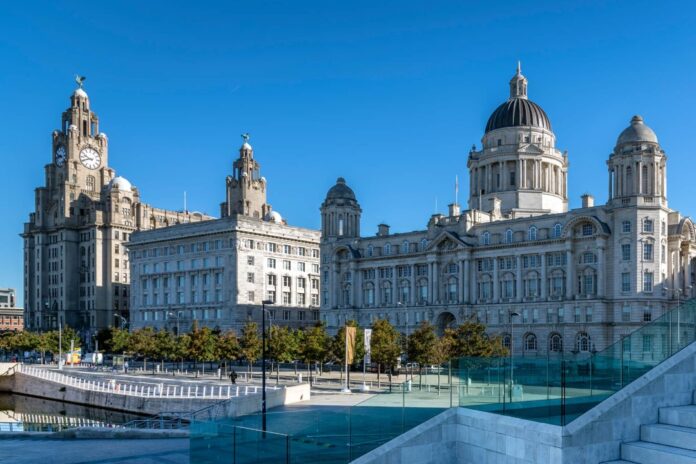
Liverpool isn’t just a stop on the tourist map but a city that breathes history, hums with music, and serves up flavors that reflect its global connections. Whether you’re a Beatles devotee, a football fan, or a traveler curious about authentic local culture, Liverpool offers an experience that balances iconic attractions with the spirit of everyday life.
Music that Shapes the City
Ask anyone what they associate with Liverpool, and music will likely top the list. This is the birthplace of The Beatles, but the city’s soundscape goes far deeper. The Cavern Club on Mathew Street is still buzzing, while Philharmonic Hall caters to classical tastes with a world-class orchestra. Indie and alternative bands thrive in small venues like EBGBs and The Jacaranda, keeping the city’s underground spirit alive.
Music in Liverpool isn’t a nostalgic postcard, it’s an ongoing story. Festivals like Sound City spotlight emerging talent, while African and Caribbean rhythms mix into the scene thanks to the city’s diverse communities. A casual evening in Liverpool often involves stumbling across a pub gig that could outshine a ticketed concert elsewhere
Staying in the Heart of Liverpool
A big part of experiencing Liverpool is choosing the right place to stay. For many travelers, convenience means being close to the action, within walking distance of shops, music venues, and the waterfront. That’s where serviced apartments and aparthotels come into play. For instance, booking an aparthotel Liverpool city location places you within reach of cultural landmarks and nightlife, while still giving you the comfort of your own space.
Why does this matter? Because Liverpool’s rhythm is best experienced on foot. Staying central means late-night walks along the docks, catching last-minute gigs, and grabbing breakfast at independent cafés before diving back into the city’s history.
A Food Scene
Liverpool’s food scene mirrors its maritime past: global, varied, and a little rough around the edges in the best way. Traditional Scouse stew, thick, hearty, and beloved enough to give locals the nickname “Scousers”, is still a must-try. Pair it with crusty bread and you’re tasting a piece of history.
But Liverpool also thrives on reinvention. The Baltic Triangle has transformed into a hub of street food, craft breweries, and experimental menus. Bold Street is lined with global flavors: Middle Eastern shawarma, Ethiopian injera, and vegan cafés that wouldn’t feel out of place in Berlin or London.
Quick highlights:
- Bold street: International bites, vegan options, indie coffee shops.
- Baltic market: Street food hall in a former brewery.
- Albert dock: Waterfront dining with seafood and British classics.
Local Culture Beyond the Icons
Liverpool’s cultural depth doesn’t stop with football and The Beatles. Its history as a major port created layers of identity visible in its architecture, museums, and communities.
- Museums ─ The Museum of Liverpool tells the city’s modern story, while the International Slavery Museum confronts its past with unflinching honesty.
- Architecture ─ From the grandeur of St. George’s Hall to the modern lines of the Metropolitan Cathedral, the city wears its history on its buildings.
- Neighborhoods ─ Ropewalks offers independent shops and street art, while Everton and Anfield remain deeply tied to working-class traditions and football.
Liverpool feels lived in, not staged for visitors. Take the time to wander beyond the main attractions and you’ll catch the city’s humor, resilience, and warmth in everyday interactions.
Football as Religion
It’s impossible to talk about Liverpool without acknowledging football. The rivalry between Liverpool FC and Everton splits families, workplaces, and neighborhoods—but it also binds the city with passion. A match day at Anfield or Goodison Park is more than a sporting event; it’s ritual. The songs, chants, and sense of belonging are as much a part of the cultural fabric as music.
Even if you’re not a diehard fan, tours of Anfield or Goodison reveal the weight of football history. They show how a sport became an identity, a language that the city speaks fluently.
The Waterfront and Its Legacy
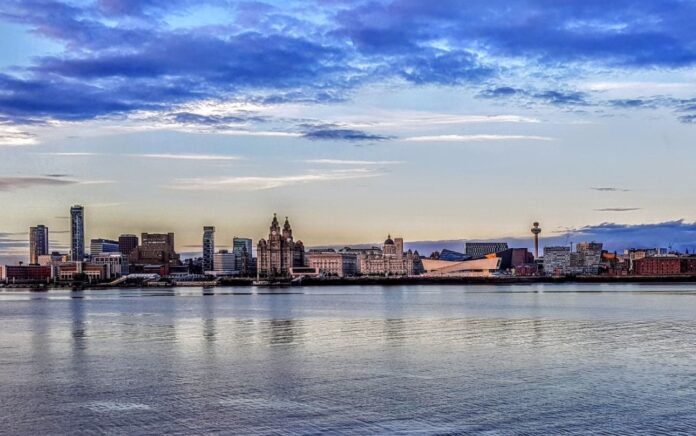
Liverpool’s docks once connected the city to the entire world, and today the waterfront remains a defining feature. Albert Dock, now a UNESCO World Heritage Site, blends heritage with modern attractions—Tate Liverpool for art, The Beatles Story for music, and a collection of restaurants and bars that keep the area lively.
Standing by the River Mersey, it’s easy to see why the city has always been outward-looking. The water carries both pride and sorrow: trade, migration, and the difficult history of slavery. The result is a city shaped by connections, not isolation.
Hidden Corners and Everyday Life
While the big attractions draw crowds, Liverpool rewards those who slow down. A quiet walk through Sefton Park reveals Victorian glasshouses and lakeside paths. Lark Lane nearby is a bohemian pocket filled with vintage shops, second-hand bookstores, and cozy pubs where locals gather.
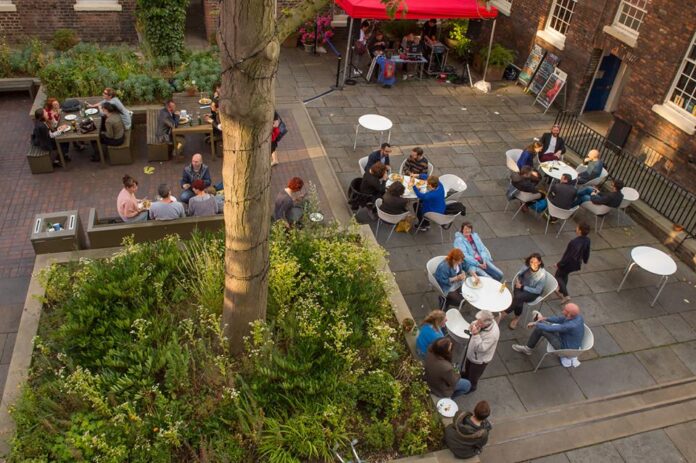
Want a slice of Liverpool without the gloss? Drop into a neighborhood café for a bacon butty, or chat with locals over a pint in a pub that hasn’t seen a renovation in decades. It’s in these everyday moments that the city’s humor and heart shine through.
Practical Tips for Travelers
- Getting around ─ Liverpool is compact, and much of the city is walkable. Public transport (buses and Merseyrail) covers the rest.
- Best time to visit ─ Late spring through early autumn offers the best weather, but winter brings fewer crowds and a festive vibe.
- Day trips ─ Chester’s Roman walls, the beaches of Formby, and North Wales are all within easy reach.
More Than a City Break
Liverpool is more than the sum of its famous exports. It’s a place where music is lived, not just remembered, where food tells the story of migration, and where culture thrives in museums, football stadiums, and the humor of everyday conversation.
For travelers who want more than a checklist of sights, Liverpool delivers an experience that lingers long after the trip ends.