

Few industries have changed as quickly as online gambling. In the mid-1990s, an online casino was little more than a static page with a few images, a basic download, and a promise that the software was fair. Today the same idea has become a multi-layered gaming platform with live dealers streaming in high definition, instant mobile access, and game libraries that update every week. Looking at how that transition happened explains a lot about what players now expect from an online casino.
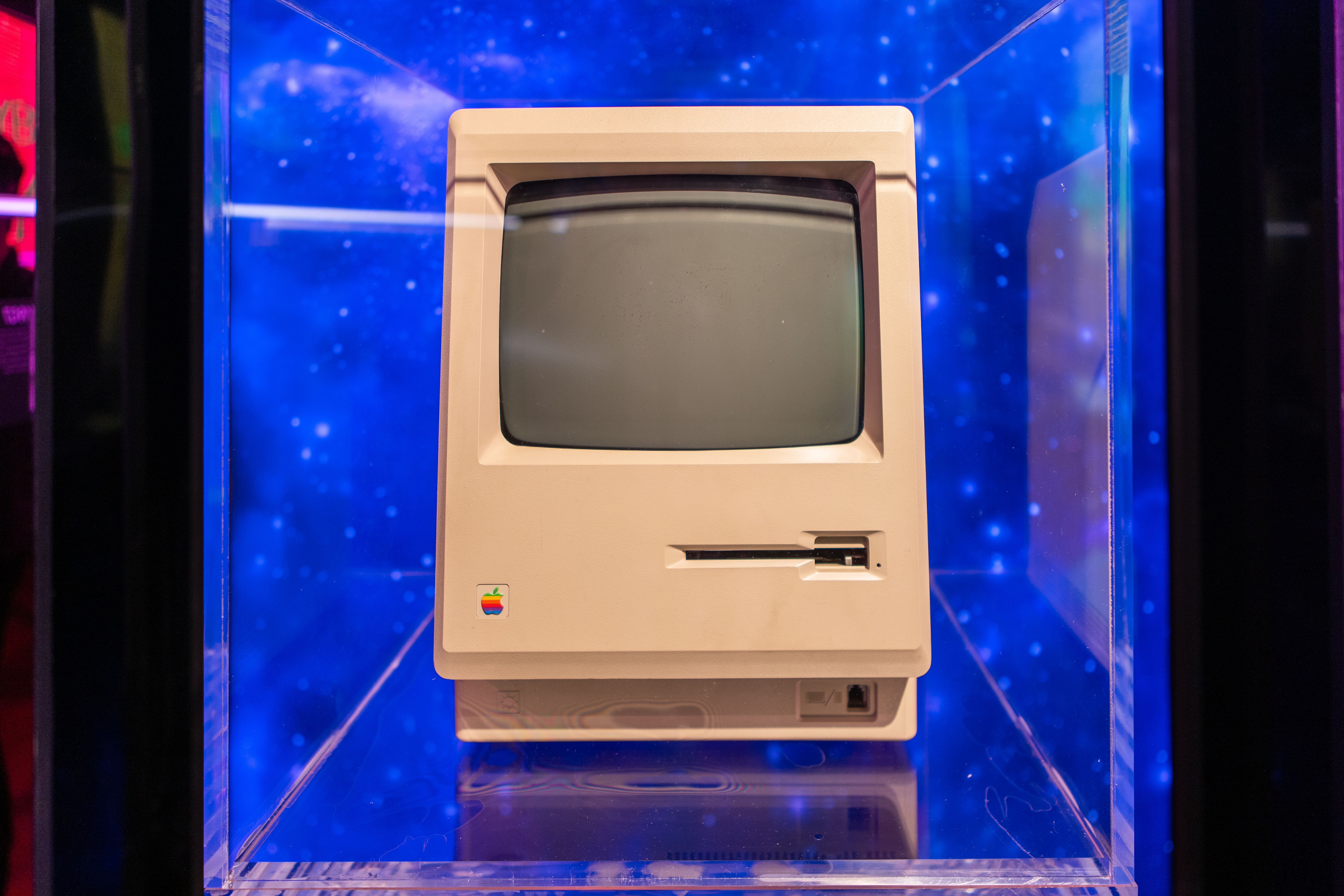
Early home computers laid the groundwork for internet gaming.
From Dial-Up Pages to the First Online Casinos
The first wave of online gambling arrived with the commercial internet. Dial-up connections were slow, graphics were limited, and most sites relied on simple HTML layouts with buttons and static tables. Even so, the concept took off quickly. The earliest real-money operators appeared around 1996, when a handful of companies began offering card games and roulette through downloadable software. Many were licensed offshore, and players often had to trust that the random outcomes were genuine with little way to check.
Those early sites faced practical problems that shaped everything that followed. Payments were slow and often handled by bank transfer or prepaid vouchers, and game files were heavy for the connections of the time. Developers responded by making games lighter and focusing on a small number of popular titles, which is why many early platforms felt more like a collection of demos than a full casino floor.
Software, Licensing and Growth in the 2000s
The early 2000s brought a major shift as specialist software providers started supplying the engines behind many casino brands. Instead of each operator building its own games, companies could license tested slot and table game software and focus on marketing and customer service. This made it easier for new sites to launch and for players to find a consistent experience across brands. Readers who want to compare how different operators present their games and bonuses can explore a platform such as Crazyvegas at https://www.crazyvegas.com/au/online-casinos/.
Licensing also became more important during this period. Governments began to set rules for online gambling, covering player protection, age checks, and how winnings are paid. Those rules pushed the industry toward more transparent terms and independent testing of random number generators, which remain core trust signals today.

Desktop browsers became the main gateway to online casino sites during the 2000s.
Bringing the Casino Floor Online
As broadband spread, online casinos started to look and feel more like physical venues. Three-dimensional graphics, animated bonus rounds, and progressive jackpots that link many players together turned simple reels into entertainment-driven products. Live dealer games, where a real croupier deals cards or spins a wheel in a studio and streams the action to players, became one of the most important developments. They combined the social atmosphere of a land-based table with the convenience of playing from home.
Regulators have kept pace with these changes. Bodies such as the UK Gambling Commission publish licensing standards and guidance on fairness, advertising, and responsible play, which has pushed operators to invest in better security and clearer terms. For players, that means the modern casino floor is not only more immersive but also more closely monitored than the early sites were.
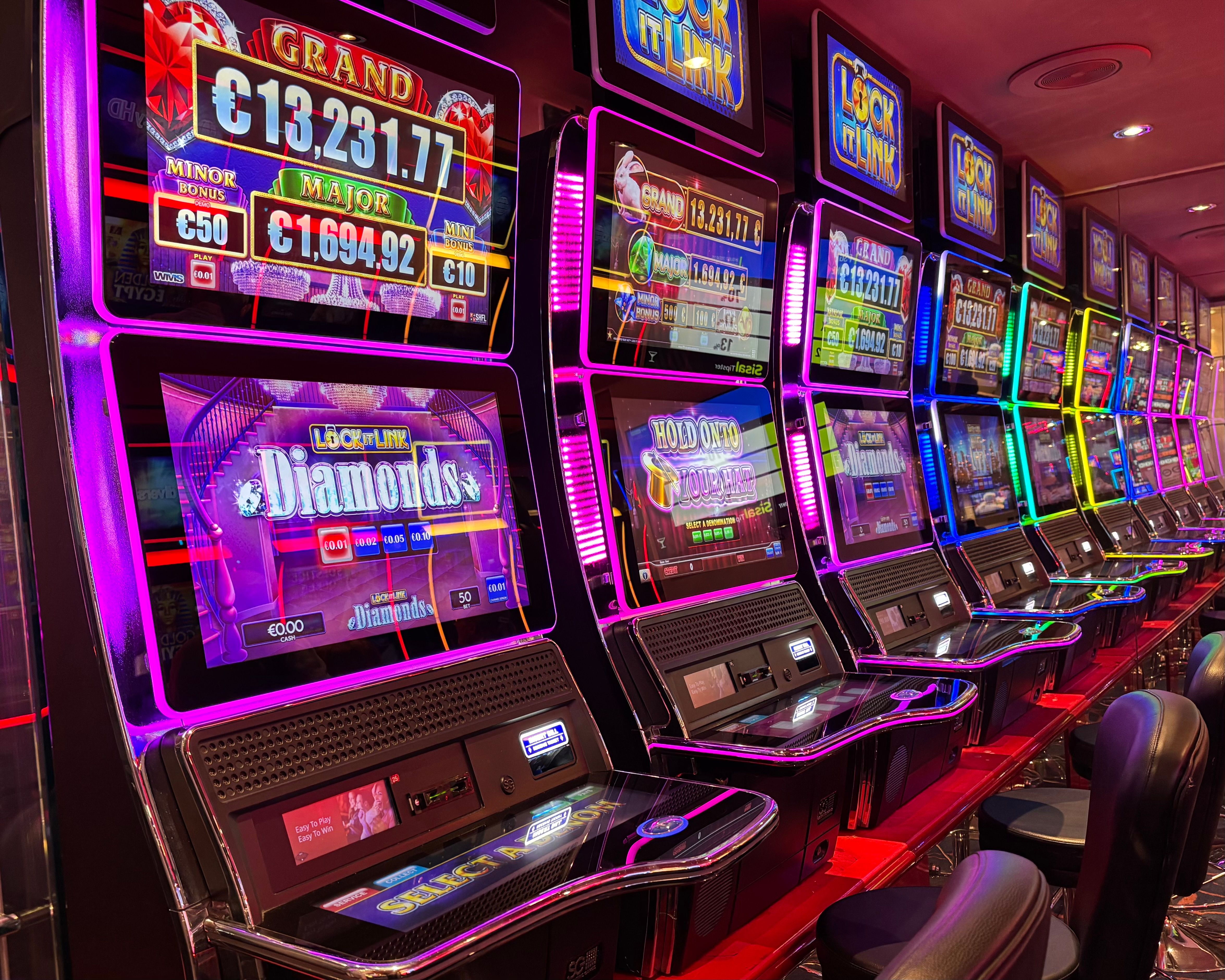
Modern online slots borrow the visual energy of neon-lit casino floors.
Mobile Play Changes Everything
The launch of smartphones and app stores in the late 2000s pushed online gambling into a new phase. Early mobile attempts were limited by small screens and clunky interfaces, but HTML5 technology later allowed games to run in a browser without a separate download. Today most players expect to load a game in seconds, switch between sessions, and check their account from a phone or tablet. Mobile-first design has become a basic requirement rather than an added feature, and the overall approach is well described in the general overview of online gambling, which traces how the industry has adapted to each new generation of devices.

Smartphones have turned casino games into something players can open anywhere.
What the Next Stage Looks Like
The next stage of online casinos is likely to be shaped by three forces: stronger player protection tools, more personalised game recommendations, and faster, more transparent payment systems. Operators that treat these areas as part of the product, rather than as legal obligations, will probably earn the most trust over time. For anyone reading about the industry today, the most useful question is not how flashy a platform looks but how clearly it explains its games, rules, and limits.