A surprising number of red carpet looks rely on something most fans never notice. Many stylists estimate that a large percentage of celebrity hairstyles seen at award shows involve some form of hair enhancement. Even people known for their “natural” beauty often depend on extensions to achieve the polished results cameras demand. Have you ever wondered why famous figures with access to the best hair care still choose extensions?
Hair extensions are not only about adding length. Models and celebrities use them as professional tools that help create consistent, camera ready appearances. Understanding why extensions are so common reveals how modern beauty standards work behind the scenes and why everyday people increasingly adopt the same techniques.
Professional Styling Requires Reliable Results
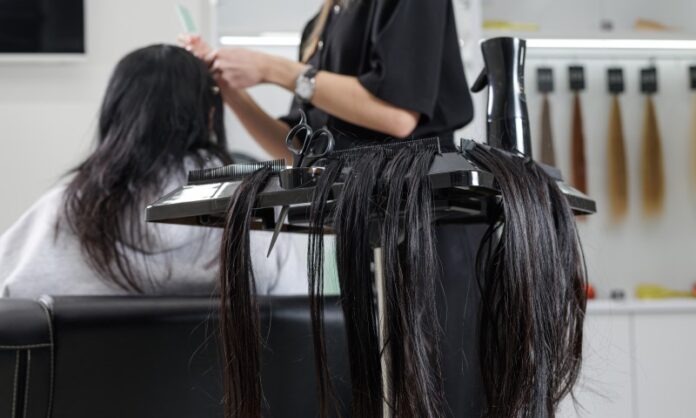
Models and celebrities work in environments where appearance must remain consistent across long days of filming or photo sessions. Natural hair often cannot deliver predictable results under changing conditions such as humidity, lighting, and heat styling.
Extensions allow stylists to control volume, length, and shape with precision. That reliability matters during commercial shoots or runway events where timing leaves little room for adjustments.
Stylists often rely on extensions because they make it easier to achieve:
- Consistent thickness that holds styling better during long workdays.
- Controlled shape that photographs well under studio lighting.
- Reliable length that matches brand or editorial requirements.
- Faster styling preparation before events or productions.
Many professional stylists view extensions as essential equipment rather than cosmetic extras. The goal is efficiency and visual consistency rather than dramatic transformation.
Subtle Volume Techniques Used by Professionals
Not all extensions are designed to create dramatic changes. Many celebrities use small, carefully placed additions that blend invisibly with natural hair and provide subtle fullness.
In professional salons, methods such as micro weft installation allow stylists to add density without creating visible bulk.
Subtle volume techniques often focus on areas where hair tends to appear thinner:
- Around the crown where lighting can expose scalp lines.
- Along the sides to frame the face evenly.
- Near the ends where hair often looks sparse.
- Around part lines where cameras emphasize contrast.
These approaches help create hairstyles that look naturally full even under close inspection.
Extensions Protect Natural Hair From Damage
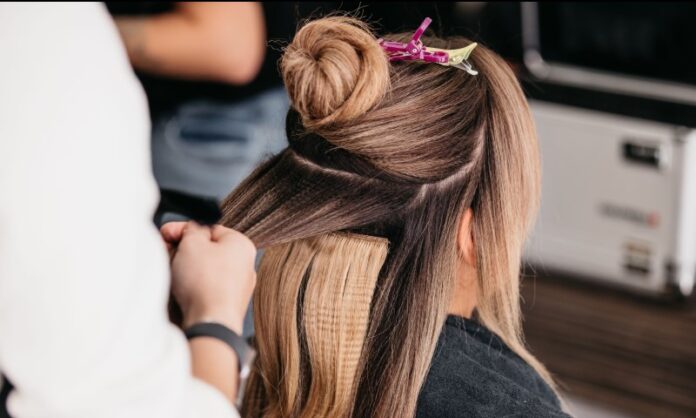
Frequent styling can put serious strain on natural hair. Celebrities often change hairstyles repeatedly within short periods. Heat tools, chemical treatments, and tight styling routines increase the risk of breakage.
Extensions allow stylists to work on added hair rather than natural strands. That reduces exposure to damaging treatments and helps maintain long term hair health.
Common protective benefits include:
- Stylists can curl or straighten extension hair repeatedly while leaving natural hair minimally treated.
- Temporary color effects can be achieved without permanent dye.
- Updos and tight styles place less stress on natural roots.
- Frequent restyling becomes safer for the underlying hair.
Many public figures use extensions specifically to maintain healthy hair while still meeting styling demands.
Quick Transformations for Different Roles
Actors and models often need completely different looks within short time frames. Growing natural hair to match every role would be impractical. Extensions provide a flexible solution that supports creative direction.
Hair can shift from short and sleek to long and textured within hours. That flexibility makes extensions valuable tools in film, television, and fashion work.
Typical Transformation Uses
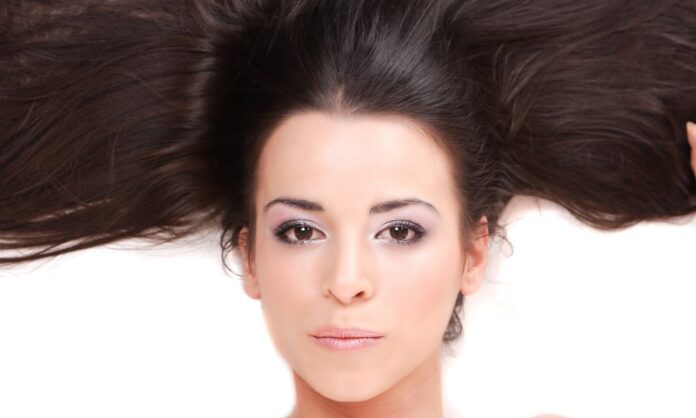
These situations often require fast changes:
- Editorial photo shoots that require several distinct looks in one day.
- Film roles that require period accurate hairstyles.
- Runway shows where designers want dramatic visual impact.
- Brand campaigns that demand specific styling guidelines.
Quick transformations allow professionals to meet creative expectations without waiting months for hair growth.
Hair extensions have been used in film and theater for decades because they allow visual continuity across scenes filmed weeks or months apart.
Consistency across production schedules is one of the main reasons extensions remain standard practice in entertainment industries.
Camera and Lighting Reveal Every Detail
High resolution cameras capture details that ordinary mirrors do not reveal. Hair that looks full in person may appear flat or uneven on screen.
Studio lighting creates highlights and shadows that emphasize texture differences. Even minor thinning can become noticeable under bright lights.
Did You Know?
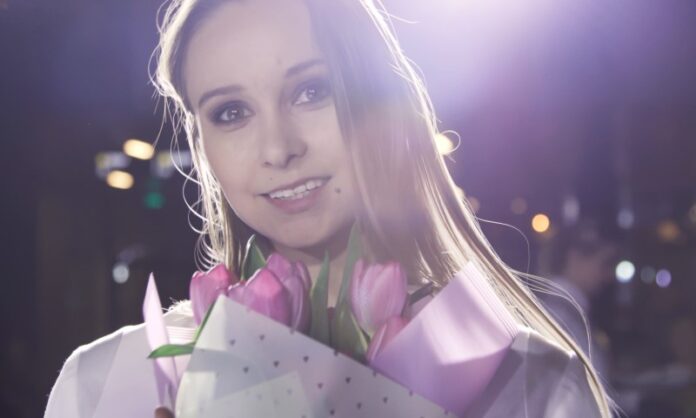
Modern 4K and 8K cameras reveal fine hair details that older equipment could not capture. Stylists often compensate by adding controlled volume through extensions so hairstyles appear balanced on screen.
Hair extensions help achieve visual balance by:
- Filling in gaps where light exposes scalp.
- Creating smoother silhouettes for photography.
- Improving symmetry across both sides of the head.
- Maintaining shape under strong lighting.
These adjustments help maintain a polished look during close up shots and high definition broadcasts.
Maintaining Signature Looks
Some celebrities become known for distinctive hairstyles that define their public image. Maintaining that look consistently becomes part of personal branding.
Extensions help ensure recognizable styles remain intact during busy schedules that might otherwise affect natural hair growth or condition.
Common Signature Style Strategies
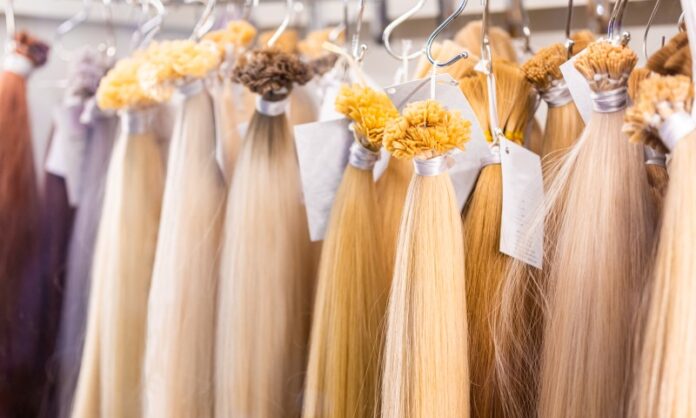
Public figures often maintain their image by:
- Keeping consistent hair length across appearances.
- Maintaining signature waves or texture patterns.
- Supporting long styles that natural hair alone cannot sustain.
- Preserving recognizable silhouettes that fans associate with them.
Hair consistency supports public recognition in the same way wardrobe choices and makeup styles do.
Different Extension Types and Their Uses
Different extension methods serve different purposes. Professionals choose techniques based on styling goals, hair texture, and how long the extensions need to last.
The following table summarizes common extension methods used in professional settings:
| Extension Type | Best Use | Typical Duration | Key Advantage |
| Clip in extensions | Temporary styling | One day to one week | Quick application |
| Tape in extensions | Medium term styling | 6 to 8 weeks | Lightweight feel |
| Sew in wefts | Long term wear | 6 to 10 weeks | Strong hold |
| Keratin bonds | Long term styling | 3 to 4 months | Natural movement |
Each method offers different levels of flexibility and durability depending on styling needs.
Choosing the right extension method helps stylists balance comfort and visual impact.
Extensions Build Confidence in Public Settings
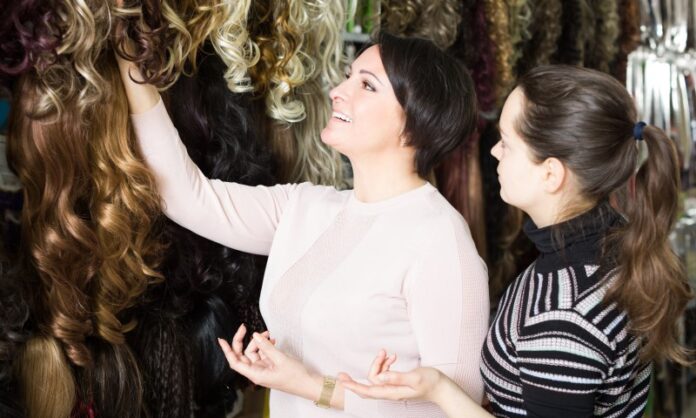
Public appearances involve intense scrutiny. Cameras, social media, and press coverage amplify small details. Hair that looks uneven or flat can attract unwanted attention.
Extensions provide reassurance that hair will look polished from every angle. That confidence helps celebrities focus on their work rather than worrying about appearance.
Many professionals describe extensions as part of their preparation routine alongside wardrobe fitting and makeup testing.
Hair extensions support confidence by:
- Reducing uncertainty about styling results.
- Providing predictable volume and texture.
- Ensuring consistency across appearances.
- Supporting professional image standards.
Confidence plays an important role in performance and public presentation.
Everyday People Follow Celebrity Trends
Celebrity styling trends often influence everyday beauty routines. Extensions once associated only with entertainment industries have become more accessible and widely accepted.
Social media has played a major role in normalizing extension use. Tutorials and behind the scenes content reveal how often professionals rely on hair enhancements.
As a result, extensions are now used by people who want:
- Fuller hairstyles for special occasions.
- Added length without long waiting periods.
- Styling flexibility for events.
- Improved confidence in photos.
Hair extensions have shifted from niche professional tools to mainstream beauty solutions.
Natural looking results and improved application methods continue to increase popularity among non celebrities.
Models and celebrities rely on hair extensions because they provide reliability, flexibility, and protection in demanding environments. Professional styling requires consistent results that natural hair alone often cannot provide.
Extensions support everything from subtle volume improvements to dramatic transformations. They help maintain recognizable styles and protect natural hair from constant styling stress.
The popularity of extensions continues to grow because the same advantages valued by professionals apply to everyday life. Reliable styling, improved appearance, and flexibility make extensions practical tools rather than luxury accessories.