There is a gap between the custom mylar bag you can picture – glossy, printed, standing upright on a shelf – and the pallet of bags that finally shows up at your warehouse. The distance between those two things is the custom packaging process, and almost all of it happens before a single finished pouch exists. Seen from outside, ordering packaging looks like buying stationery: pick a size, send a logo, wait. Seen from inside a converting plant, it looks like a small manufacturing program with material specs, engraved cylinders, curing rooms and compliance tests, each with its own failure modes.
This article walks the full route from concept to production and flags the stages where brand owners – in food, coffee, supplements and cannabis – most often get burned. If you are pricing your first order, the short version is this: the decisions that determine cost, timing and whether the bag actually protects your product are made in the first conversation, not in the art file.
First, a reality check: Mylar is a brand name, not a material
What everyone calls a mylar bag is almost never a single film. Mylar® is a registered trademark for a biaxially oriented polyester film first commercialised by DuPont in the early 1950s – the history of BoPET film is a rabbit hole, but the relevant detail is that the stuff began as aerospace and photographic material long before it met a snack. A bag built from metallized BoPET still performs like it: the film is strong, dimensionally stable, and once given an aluminium coating it becomes far less permeable to gases and reflects most light, which is why it shields products from oxygen, moisture and UV all at once.
What you are actually ordering is a laminate – two, three or four layers glued together, where each layer does a different job. The outer polyester layer carries the print. The middle layer (often aluminium foil or a metallized film) supplies the barrier. The inner layer is a sealant such as polyethylene, which melts under heat so the bag can be closed. Say “mylar bag” and a converter hears a structure, not a material, and that distinction is where the process really starts.
The brief that matters: shelf life and barrier, not artwork
The most common mistake I see in packaging briefs is leading with the design. Design is genuinely important – but the structure should be decided first, because the structure is what your product’s shelf life depends on. A converter needs to know what you are packing, how long it must stay fresh, and how it will be shipped before anyone can quote a film that does the job.
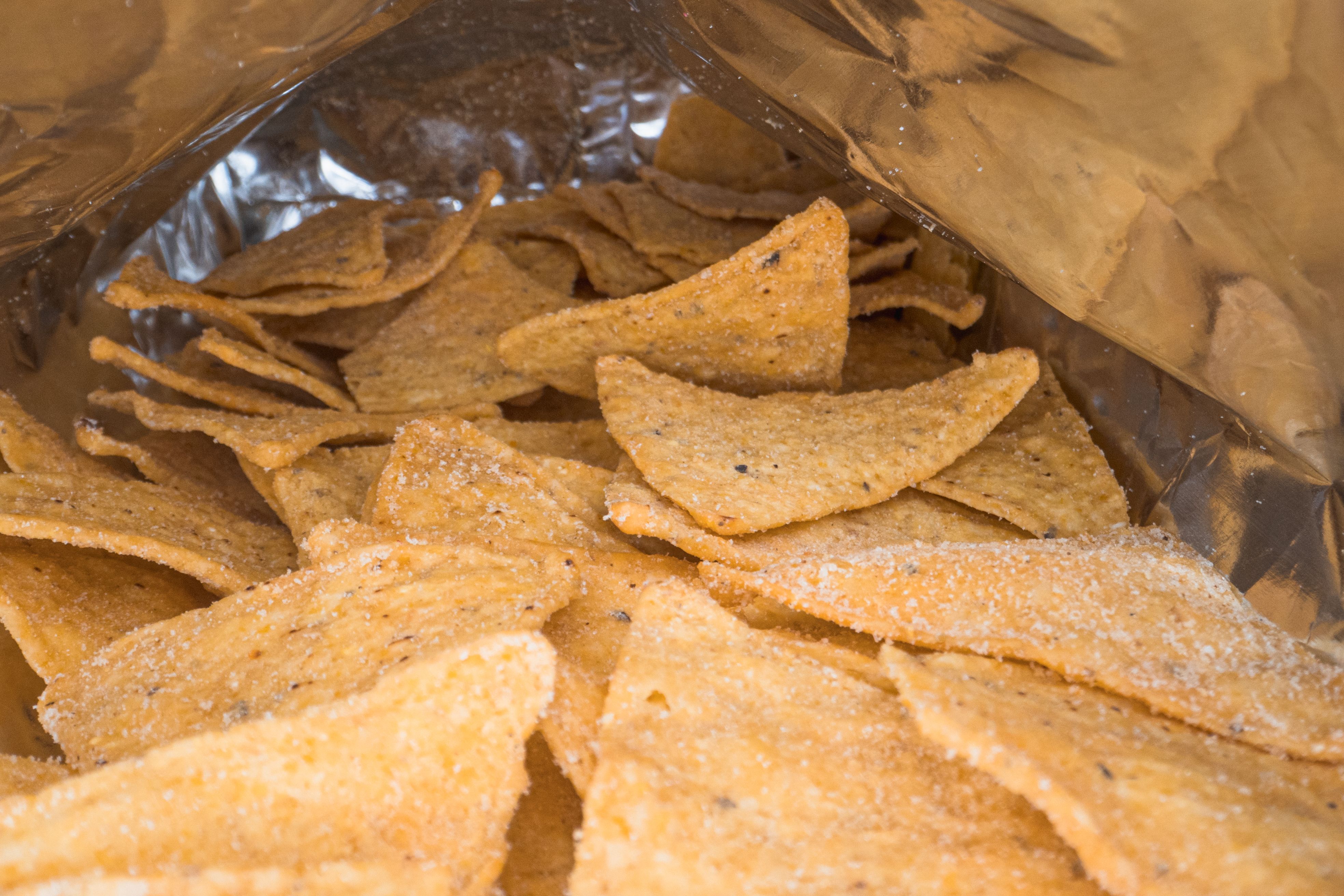
Two measurements govern the choice. Oxygen transmission rate (OTR) and water vapour transmission rate (WVTR) describe how much oxygen and moisture creep through the film over time; the lower they are, the longer the product keeps. A thin aluminium layer pushes oxygen transmission close to zero, which is why long-shelf-life coffee and high-value flower sit in foil laminates while faster-turnaround snacks get by with metallized film or clear PET. You can see the result in everyday use: that open snack pouch on the counter, metallic and crinkly, is a barrier structure doing exactly what it was specified to do.
Three structures cover the majority of orders:
| Structure | What it is | Typical use |
|---|---|---|
| PET / PE | Clear print layer over a sealant | Short-shelf-life products, samples, retail where visibility matters |
| PET / metallized PET / PE | Vapour-deposited aluminium barrier | The middle ground: snacks, coffee, tea, at a lower cost than foil |
| PET / aluminium foil / PE | True foil barrier layer | Long shelf life: fresh coffee, flower, powders sensitive to oxygen and light |
Those structures are industry shorthand, and every converter will have its own variants. The point is that the bag is specified backwards from the product’s shelf-life target, and a supplier that asks about your product before your logo is doing its job.
From concept to something drawable: dielines and mockups
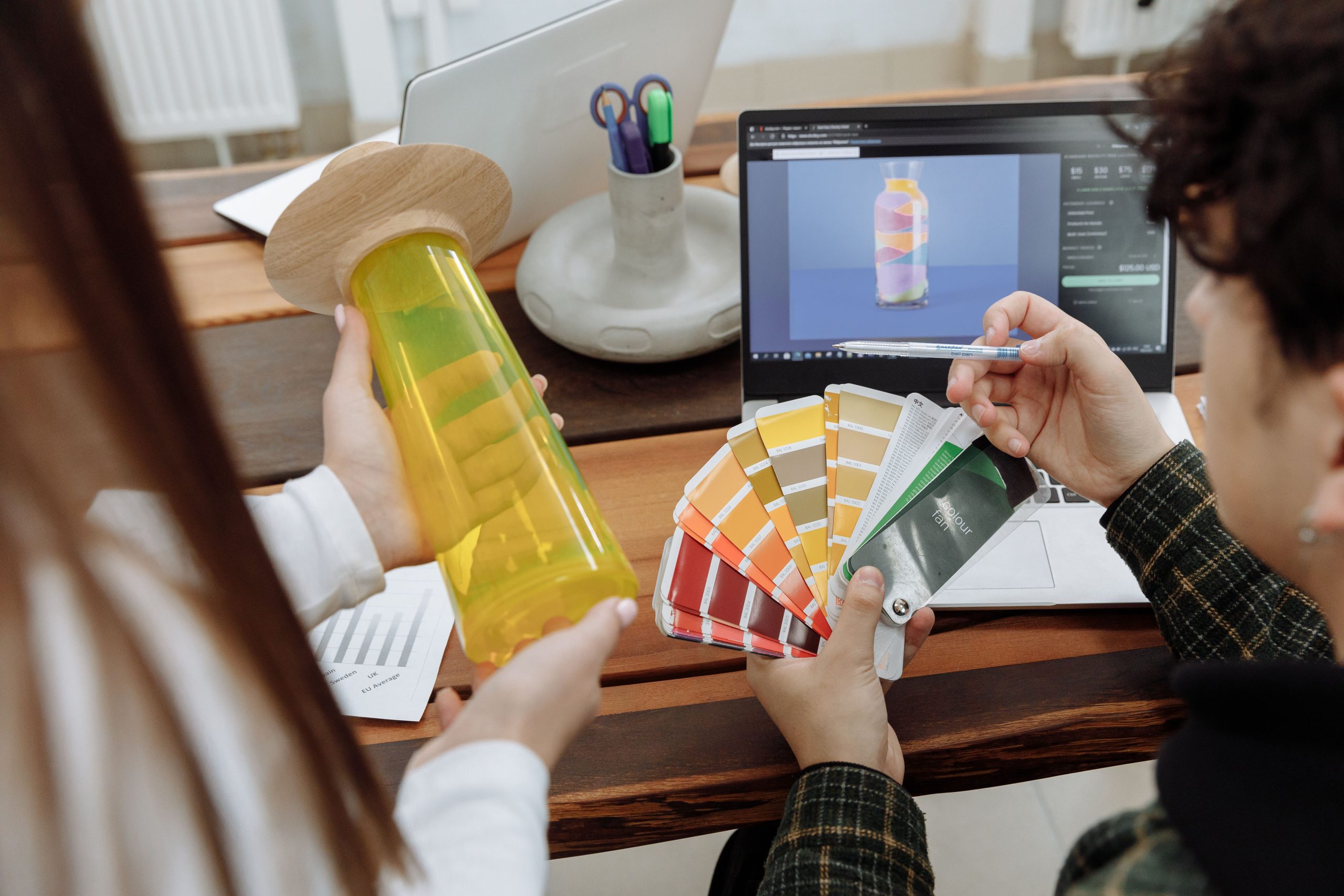
Once the structure and format are agreed, the job becomes visual. The format – stand-up pouch, flat bag, side-gusset, quad-seal – determines the bag’s shape when filled, and the shape determines where the panels, gussets, zipper and tear notch sit. That geometry is captured in a dieline, the technical template every piece of artwork has to fit inside. Nothing derails a project faster than a beautiful design that ignores the gusset or puts copy across a heat-seal zone where it will be crushed.
At this stage a good supplier produces a mockup or prototype – a blank or minimally printed sample in the real film, at the real size, with the real closure. It costs little and answers questions no PDF can: does the bag stand, does the zipper run smoothly, does the fill weight fit the pouch, does the child-resistant closure actually close? One US-based supplier that pairs free design help with factory-direct production, https://www.cannacustomsupply.com/, treats the mockup as a standard step rather than a premium, and that is the right instinct – the prototype is the cheapest place in the whole process to discover a problem.
Artwork should be supplied as vector files with the converter’s exact template, in CMYK (or with Pantone spot colours named) and with enough bleed. Film stretches slightly during bag forming, so printing from the supplier’s template rather than your own guess at the shape is the difference between clean alignment and a logo creeping toward the seal.
Proofs, plates and presses: choosing how the bag gets printed
With the artwork approved, the film has to be printed – on the flat web, before lamination. Three methods dominate, and the choice is mostly a function of volume and how often you expect to change the design.
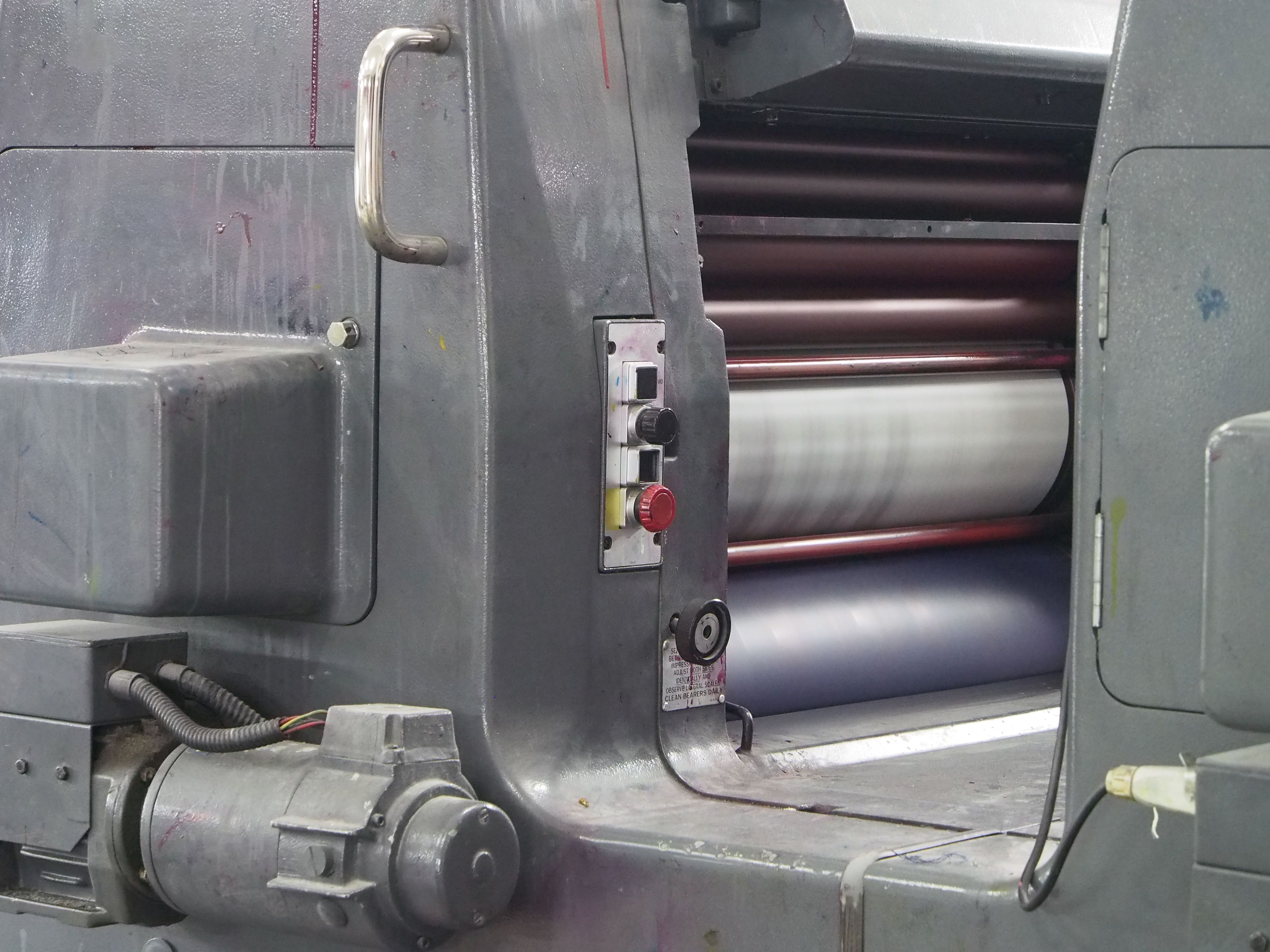
Digital printing (often HP Indigo-class presses) needs no plates, so there is no setup charge and the minimum order can drop into the hundreds of units. It is the natural fit for new brands, seasonal designs and multiple SKUs in one run. Rotogravure engraves one metal cylinder per colour; the upfront cost is real, but at volume the per-unit price falls below anything digital can reach, which is why established SKUs migrate to it. Flexographic printing, using flexible polymer plates, sits between them for mid-volume work. One converter’s published process guide puts the practical minimum at roughly 500 units for digital and 3,000 for gravure – useful as a reality check, not a universal truth, since minimums vary widely between suppliers.
| Method | Setup cost | Typical minimum run | Best fit |
|---|---|---|---|
| Digital | None (no plates) | ~500 units | Short runs, many SKUs, frequent design changes |
| Flexographic | Moderate (polymer plates) | Mid-volume | Solid colours and simple designs at scale |
| Rotogravure | High (engraved cylinders) | ~3,000+ units | High volume, stable designs, lowest unit cost |
Before full production, you approve a proof. In my view this approval is the single most important signature in the entire project: every spelling error, off-brand colour and mispositioned barcode is cheap to fix on a proof and expensive after cylinders are engraved. Read it like a contract.
Lamination, slitting and the machines that turn film into bags
Once printed, the web is laminated – the layers are bonded with adhesive so the print sits protected inside the structure and the barrier does its job. Then comes a step that surprises most first-time buyers: curing. Laminated rolls rest in a controlled environment for days while adhesives fully set. It is tempting to see this as delay; it is not. A laminate that has not properly cured can peel apart weeks after the bags are made, which is a failure you discover only after the product is on shelves. A reputable plant will not rush it.
After curing, the wide roll is slit to the width each bag-making machine needs, then fed into the converting line. This is where the flat film becomes a three-dimensional object: folding, forming the bottom gusset that lets a stand-up pouch stand, punching the zipper track or the valve hole, heat-sealing the sides, and cutting each bag free. The heat seal is the most technically critical operation in the whole process. Seal quality comes down to three parameters – temperature, pressure and dwell time – and if any is off, you get either a weak seal that leaks or an overcooked seal that embrittles. Converters test the first bags of every run for seal strength before letting production continue, precisely because a seal defect is invisible to the naked eye.
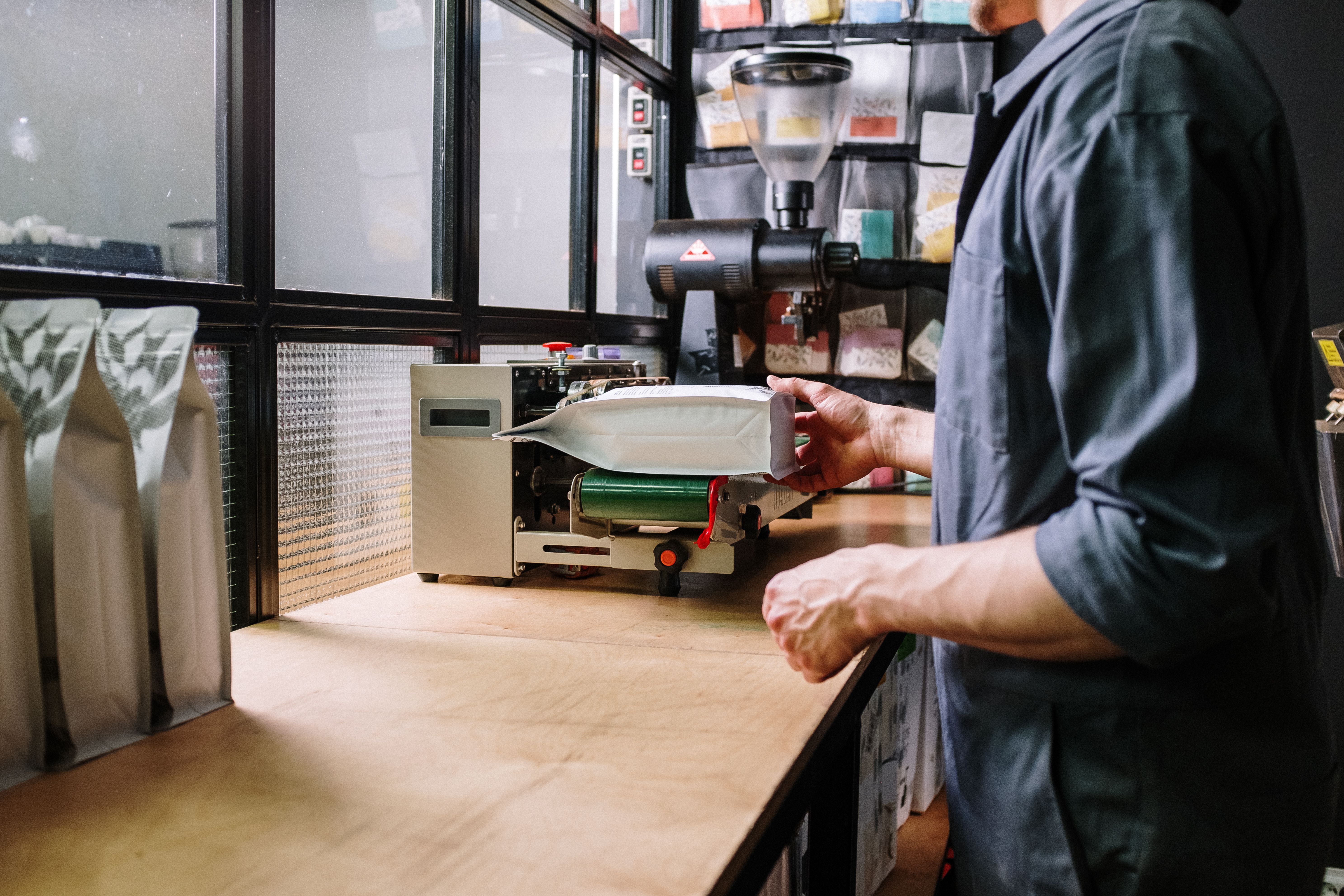
Functional components deserve their own mention, because they are where “concept” meets engineering reality. A one-way degassing valve, standard on fresh coffee, lets carbon dioxide escape a sealed bag after roasting while keeping oxygen out – without it, freshly packed coffee swells or bursts the pack. Child-resistant zippers, smell-proof liners and tear notches are each added at this stage, and each has tolerances that must be set up and verified per run. This is why the cheapest mylar bag is not always the cheapest bag: closures and barrier are where the quality lives.
The stage everyone forgets until it is too late: compliance
Packaging that touches food must meet food-contact rules, and in regulated categories the bar is higher still. Cannabis is the clearest example: every legal US state market requires child-resistant packaging, and nearly all of them point at the same federal benchmark, the Poison Prevention Packaging Act’s testing protocol at 16 CFR §1700.20. Under that protocol a package must be significantly difficult for children under five to open – the standard calls for at least 85 percent child-resistant effectiveness – while remaining usable for adults, with panels of 50 children at a time (up to 200 in sequential testing) and a separate senior-adult panel. Certification is tied to a specific format; change the zipper or the film and the test result no longer covers the package.
The practical lesson applies beyond cannabis: ask your supplier early what standards apply to your product and your state, and ask for the certification documentation before you commit to a format, not after. Several states have pulled products over packaging whose paperwork did not match the format in use.
The trade-off nobody puts on the quote: barrier versus recyclability
There is a real tension in custom mylar packaging, and pretending it does not exist would be dishonest. The multi-layer foil structure that protects a product for twelve months is also, by design, hard to recycle. A 2021 review in the journal Foods makes the point plainly: multilayer flexible packaging is highly efficient at its job yet rarely recycled in the existing mechanical infrastructure, and European regulation is already pushing toward a ban on non-recyclable plastic packaging. GreenBlue’s How2Recycle program, which assigns each package a label based on how it is actually collected and processed, only clears polyethylene film for store-drop-off recycling; foil, PET and EVOH barrier layers are the usual reasons a laminate fails review.
Industry’s answer is mono-material PE structures that replace foil with thin oxide coatings, and some converters now offer them. My read is that they are the right choice when your product tolerates a shorter shelf life or you have the supply chain to turn stock fast – but not as a default. A bag that is technically recyclable but lets your coffee go stale in weeks has traded one environmental problem for another: food waste. The honest question to put to a supplier is not “is this recyclable?” but “what shelf life does this structure actually deliver, and what happens to the package at end of life?” If a supplier cannot answer both, that is information.
The finished bag is only as good as the pre-production sample
Run all of that correctly and you arrive at quality control, where finished bags are checked for seal integrity, colour consistency against the approved proof, dimensions and barrier performance – then packed and shipped. A supplier that photographs or sends you a pre-shipment sample of the actual run is worth more than its weight; printing on film can drift between a digital proof and a gravure run in ways that are obvious in person and invisible in a PDF.
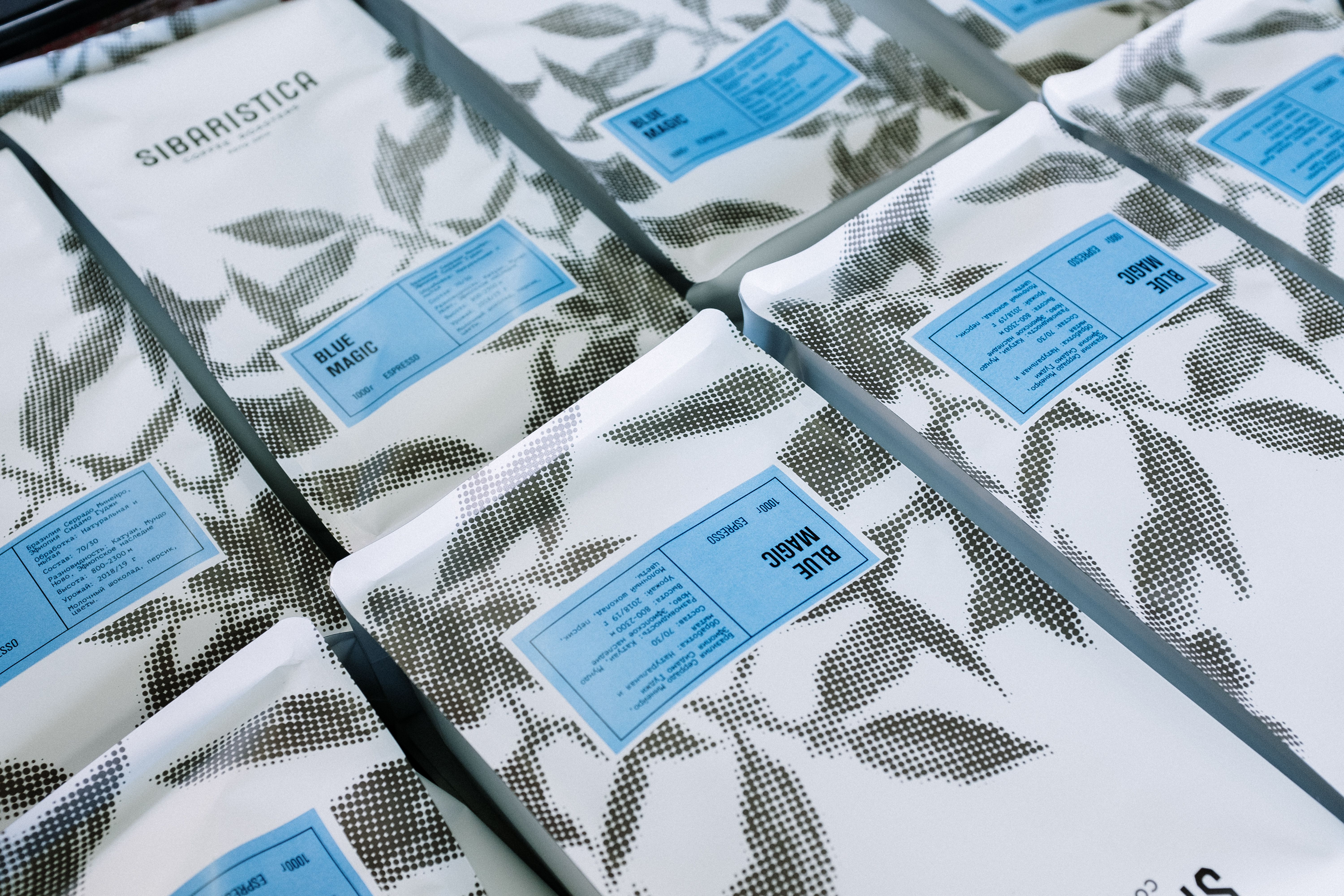
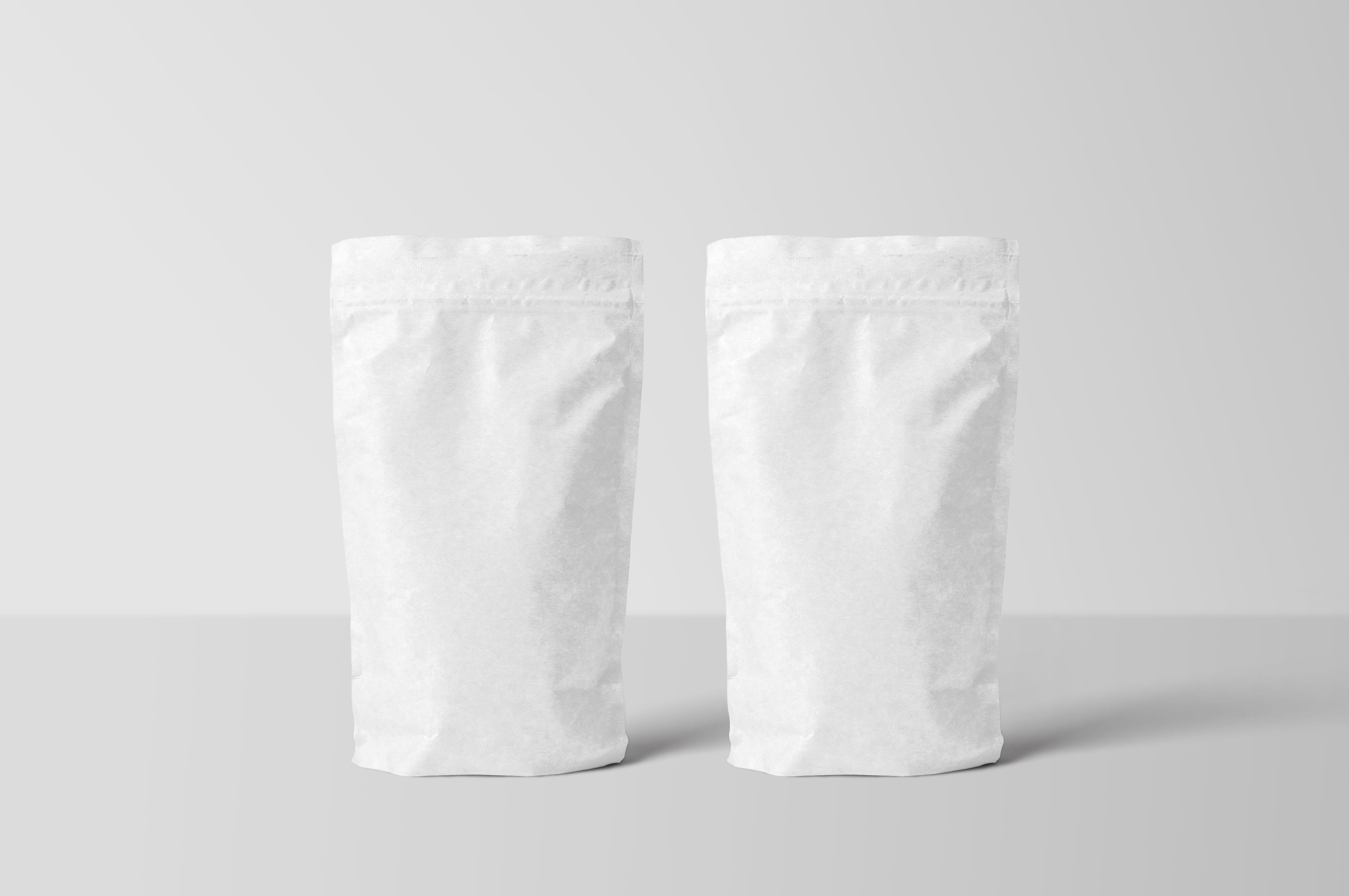
Look at the finished bags and the process suddenly makes sense: the printed outer film you approved, the barrier layers that keep the product fresh, the seal that holds, the closure that works and the compliance the market demands are all the same object, engineered in sequence. Order one part badly and the whole thing underperforms.
Questions buyers actually ask
What is the minimum order quantity for custom mylar bags? It depends on the print method. Digital printing can start around 500 units with no plate cost; gravure usually requires several thousand units because the engraved cylinders are a one-time investment. Low-MOQ suppliers exist, but minimums below a few hundred units are rare for true custom print.
How long does production take? From approved artwork, a digital run is typically ready in about two weeks of production plus shipping; gravure adds time for cylinder engraving on first orders. The un-rushable step is adhesive curing between lamination and bag making, so add a buffer.
Do I need a physical sample, or is a digital proof enough? Both serve different purposes. A digital proof catches artwork errors; only a physical prototype tells you whether the bag stands, seals and fits your product. If you are ordering a few hundred units for the first time, the prototype is usually worth more than the discount you would get by skipping it.
Are mylar bags food safe? Food contact depends on the structure and the inks, not the label “mylar”. Ask your supplier which of its structures meets food-contact requirements for your market and ask for documentation. Food-contact rules also cap what can be printed where, so disclose the product early.
What actually drives the price? Structure (foil costs more than clear PET), print method and volume (plates amortised over more units), size, and features – zippers, valves and child-resistant closures each add cost. Design changes are free before proofing and expensive after, so the cheapest project is the one you finalise early.
The point of the whole exercise
Ordering custom mylar bags is not a purchasing transaction; it is a product development project with a deadline. The brand that treats it that way – that specifies shelf life before artwork, approves proofs like contracts, asks for the physical prototype and the compliance paperwork, and understands that the barrier-versus-recyclability trade is a real engineering decision – gets a bag that sells the product and keeps it fresh. The brand that treats it like stationery gets a logo printed on the wrong film, twice.
How this article was put together. This piece draws on flexible-packaging factory process guides published by converters, the trademark and brand history records for Mylar® film, the US Consumer Product Safety Commission’s child-resistant packaging regulations (16 CFR Part 1700), and peer-reviewed research on multilayer packaging recyclability, all consulted in September 2026. MOQ and lead-time figures are converter-reported and vary by supplier, so treat them as planning ranges and confirm with whoever quotes you. Certification requirements differ by state and change over time; verify current rules for your market before production.