
Hormone replacement therapy plays a significant role in emotional well-being, affecting mood regulation and stress responses, which in turn enhances overall emotional stability.
When hormone levels are balanced, individuals tend to experience a boost in energy, reducing fatigue and empowering them to engage more actively in their day-to-day activities.
A restoration of hormonal balance often leads to sharper cognitive function and enhanced memory, offering clients improved mental clarity and concentration.
This therapy may also elevate libido and relationship satisfaction, nurturing emotional connections and intimacy among partners.
Moreover, hormone replacement therapy supports bone density and joint health, serving as a crucial preventive approach against osteoporosis and age-related bone loss.
Clients with hormonal imbalances face increased risks for chronic conditions; hormone replacement therapy can alleviate these risks, promoting overall long-term health.
Effective hormone replacement therapy relies on personalized treatment plans, adjusting approaches based on individual health profiles and client requirements.
1. Uncovering the Hidden Benefits of Hormone Replacement Therapy

The Connection Between Hormones and Mood Stability
While many experts focus on the physiological impacts of hormone replacement therapy, its effects on emotional well-being should not be overlooked.
Hormones are vital in regulating mood, energy, and responses to stress. A sudden drop in hormone levels can trigger anxiety or depression, and research supports that balanced hormones lead to enhanced emotional stability.
Clients often describe a new sense of calm after their hormonal levels are optimized.
Interestingly, fluctuations in hormones can affect neurotransmitter function too. For instance, serotonin, commonly known as the “feel-good hormone,” is influenced by estrogen and progesterone levels.
As these hormones change, a person’s sense of happiness and stability might follow suit. Clients frequently notice unexpected improvements in mood once hormonal balance is restored, often without realizing it.
Amplifying Energy Levels: A Common Perk

Fatigue can become an unwelcome constant as people age. Numerous factors can contribute to this, with hormone levels being a notable one. Low testosterone, for instance, significantly impacts energy.
Those experiencing fatigue often find substantial relief through hormone replacement therapy; it addresses not just mental fatigue but also physical energy levels, which can soar simply by restoring hormones to previous levels.
Many individuals find this newfound energy contagious. They tend to dive back into previously neglected activities, embracing life with renewed vibrancy. It’s not only about feeling less tired; it’s about rekindling a zest for life. Key benefits often include:
- Increased stamina
- Enhanced vitality
- Improved sleep quality
These transformations may appear modest on the surface, yet they can profoundly change how clients engage in their everyday lives.
2. Restoring Balance: How Hormone Replacement Therapy Enhances Quality of Life
The Impact on Cognitive Function and Memory
Brain fog is something that unsettles many adults. Hormonal imbalances can worsen these feelings of mental haze. Notably, both estrogen and testosterone are crucial for key cognitive functions.
A decline in these hormones often correlates with issues related to memory and cognitive processing. The good news? Restoring hormone levels can greatly enhance mental clarity.
Evidence shows that when hormone balance returns, cognitive function improves significantly. Clients frequently report better memory capacity, sharper focus, and even increased creativity. The correlation is clear: balanced hormones lead to a sharper mind.
Some clients may want to delve further into specific cognitive functions, such as:
- Verbal memory
- Spatial awareness
- General decision-making skills
This approach highlights a multifaceted benefit originating from often-neglected aspects of hormonal health.
Boosting Libido: A Vital Aspect Often Ignored
Now, this is a subject that deserves more focus. Sexual health is not merely about intimacy; it significantly impacts overall relationship satisfaction and emotional health.
Low libido is a frequent concern among those facing hormonal imbalances. Much to the surprise of many, restoring testosterone or estrogen levels can notably boost libido, a change many clients might not expect.
The significance lies not only in the surge of desire but also in enhancing the quality of relationships. Clients frequently report rejuvenated connections with their partners, experiencing benefits that include:
- Heightened intimacy
- Increased overall satisfaction
- Better emotional connections
In essence, hormone replacement therapy has the potential to breathe fresh life into one’s personal landscape, illustrating that health extends far beyond mere physical fitness.
3. Getting Ahead of Age: Hormone Therapy’s Role in Preventive Health

Supporting Bone Density and Joint Health
As individuals age, they often face a decline in bone density, leading to higher risks for fractures and osteoporosis. Hormones play a vital role in maintaining bone health, with estrogen being particularly important for preserving bone mass.
Consequently, clients frequently underestimate the potential of hormone replacement therapy as a proactive strategy to bolster bone density. Counteracting age-related bone loss becomes achievable when hormonal balance is restored.
Experts often suggest monitoring bone health early on. For those experiencing hormonal shifts, taking proactive measures can lead to significant long-term health outcomes. Some passive yet impactful benefits of hormone therapy include:
- Improved bone strength
- Reduced joint pain
- Enhanced mobility
This approach isn’t solely about addressing symptoms; it’s a commitment to a healthier future and an overall improved quality of life.
Reducing Risks Associated with Chronic Conditions

This point warrants attention. Hormonal imbalances can raise the likelihood of developing chronic health conditions such as diabetes, heart disease, or certain cancers.
Hormone replacement therapy might be an essential part of a comprehensive strategy to mitigate these risks. By restoring hormonal balance, clients can better manage insulin sensitivity and enhance cardiovascular health. Surprising reductions in risk related to chronic conditions during therapy often catch clients off guard.
Some notable benefits associated with this aspect include:
- Balanced metabolic rates
- Optimized heart health
- A reduction in inflammatory responses
Thus, although hormone replacement therapy is frequently viewed through the lens of immediate benefits, its long-term health implications are undeniably crucial.
4. Real-Life Transformations: Client Experiences with Hormone Replacement Therapy
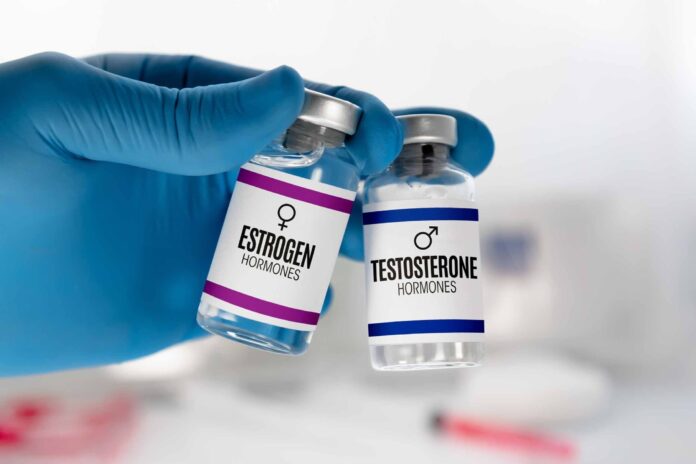
Personal Stories: The Journey to Wellness
Personal narratives often shed light on the powerful impact of this therapy. Clients share stories of rejuvenation and recovery, with many recounting how they reclaimed their vitality after feeling trapped in cycles of fatigue, emotional fluctuations, and physical discomfort.
These accounts contextualize the profound effects of hormonal interventions on real lives.
For instance, one client recounted feeling “like a shadow of their former self” until they began therapy. Such narratives embody resilience and a rediscovered love for life. They resonate on a deeper level, showcasing the far-reaching effects of positive change.
Additionally, it’s not solely about increased energy; clients often report more fulfilling social lives and enhanced relationships, revealing the broad spectrum of benefits when hormone levels reach optimal ranges.
Expert Insights on Tailored Treatment Plans

Listening to clients’ journeys provides valuable feedback for professionals. Customizing treatment plans is essential because hormone replacement therapy isn’t a one-size-fits-all solution.
Experts emphasize that personalizing these plans based on individual health profiles is crucial for success.
Collaboration between clients and their healthcare providers is vital, allowing for adjustments tailored to specific hormonal levels, lifestyle demands, and daily challenges. This turns treatment into a comprehensive wellness strategy.
The overarching message? Each individual merits a healing journey tailored to their unique physiological and emotional makeup. Customization fosters results that are not only noticeable but also enduring. Hormone replacement therapy transcends mere numbers; it’s about holistic health.
Throughout this journey, clients often come to realize that the benefits are just the tip of the iceberg.
Hormone replacement therapy offers solutions that enhance not only physical well-being but also contribute to comprehensive health improvements, establishing a solid foundation for an enriched quality of life.