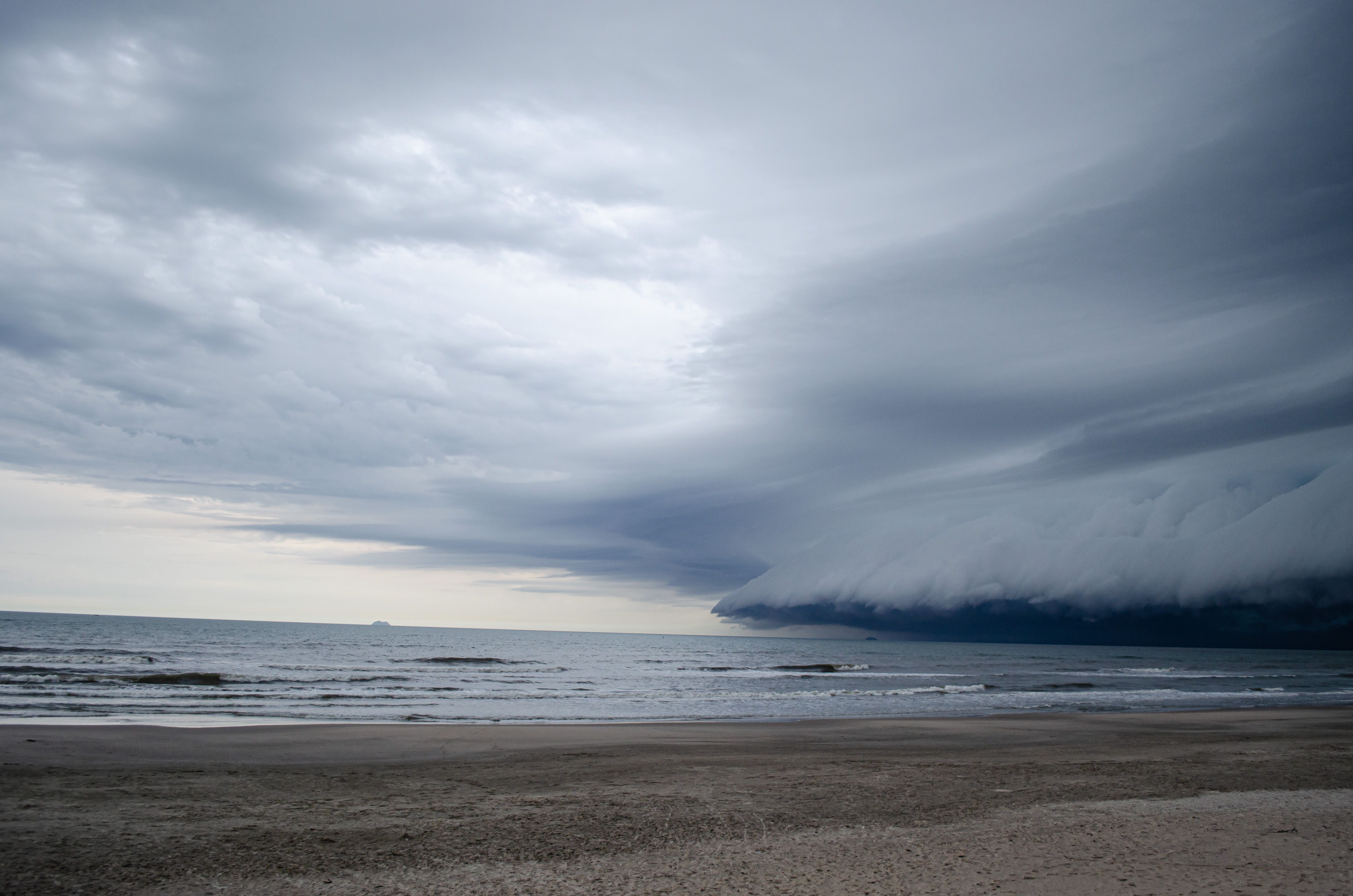
Pensacola riders know the calendar without checking it. June opens the season, the Gulf warms, and by mid-August the afternoon sky over Escambia Bay turns that particular bruised shade that means the radar is about to light up. The National Weather Service marks Sept. 10 as the statistical peak of Atlantic hurricane season, with most activity falling between mid-August and mid-October. The windshield you bought during a calm April, though, often turns out to be the wrong one for those ten weeks. Maximum coverage is not the goal. Seeing over the top when the sky opens is the goal.
What storm season actually does to a Pensacola ride
The 2026 season is forecast quiet. NOAA’s August 6 update put a 75% chance on below-normal activity – 7 to 13 named storms in total, with only 0 to 2 expected to reach major strength – because a strong El Niño is tearing storms apart out in the Atlantic. Colorado State University’s Aug. 5 forecast put the odds of a major hurricane landfall on the Gulf Coast from the Florida Panhandle westward at 9%, well under the long-term 27%.
Good news, and also beside the point. Seasonal outlooks are not landfall forecasts, and a quiet year still rains. What actually changes your riding between now and November is not the hurricane that may never come; it is the weeks of scattered squall lines, sudden crosswinds, and standing water that arrive with the season regardless. National Hurricane Center records cited by the Pensacola News Journal show the area has caught five named storms in August alone since 1990 – Erin, in 1995, being the only one that arrived as a hurricane. The danger here is cumulative, not cinematic.
Look over the screen, not through it
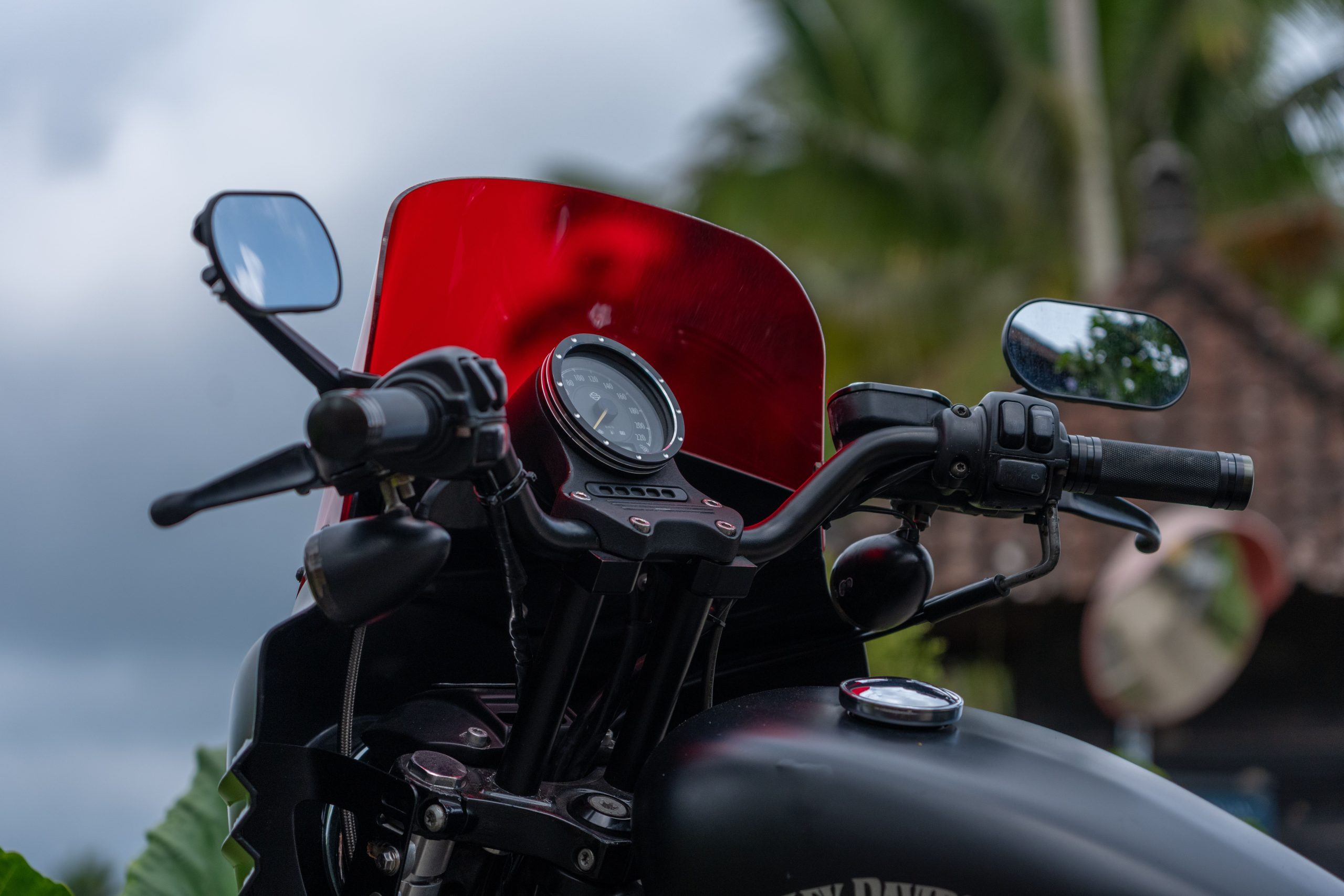
The standard sizing rule, from National Cycle’s windshield height guide, is to be able to look just over the top edge and see the road about 50 feet ahead; in practice the top edge sits near the tip of your nose or slightly below eye level. That leaves two design philosophies: a shorter screen you look over, or a tall touring screen you look through.
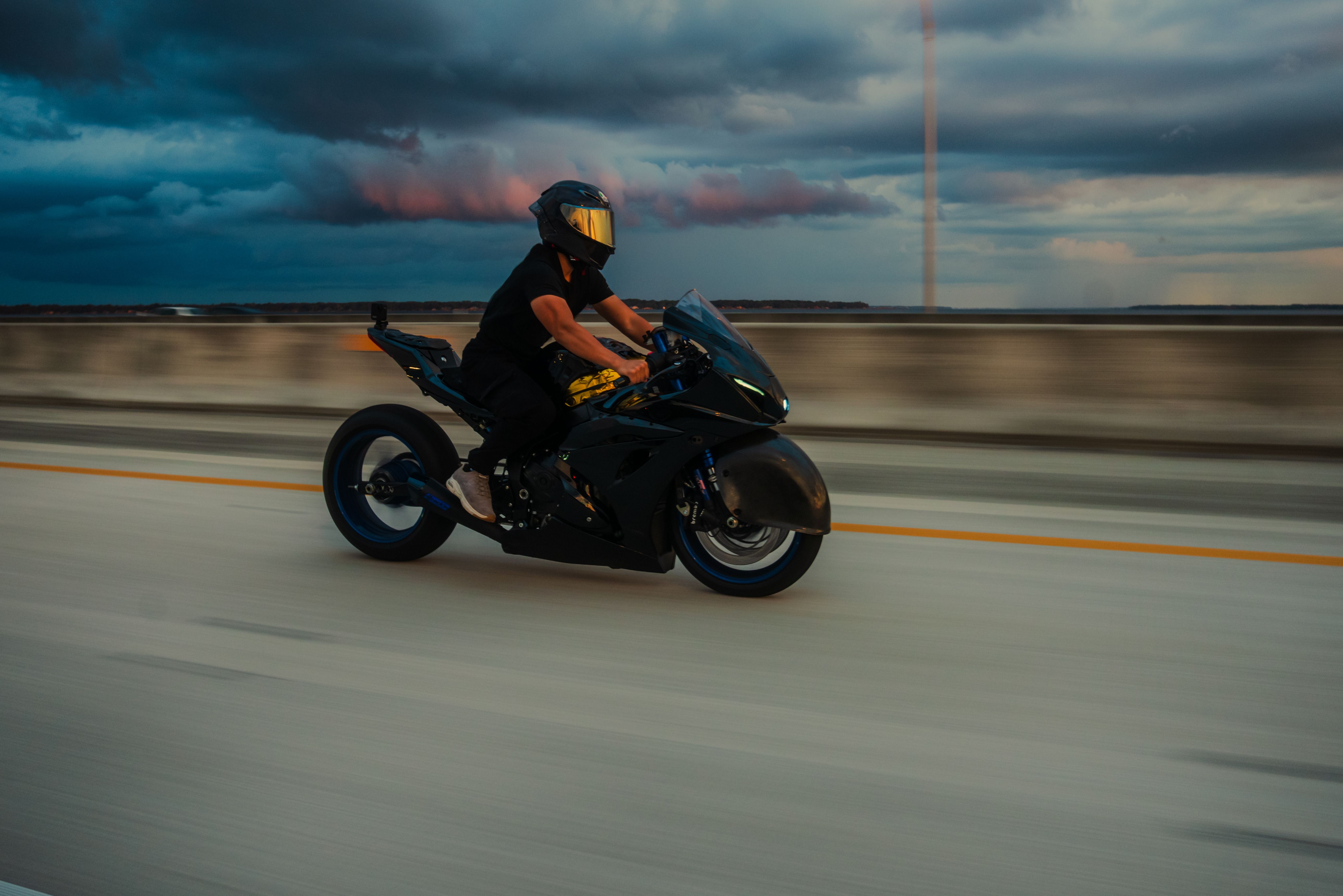
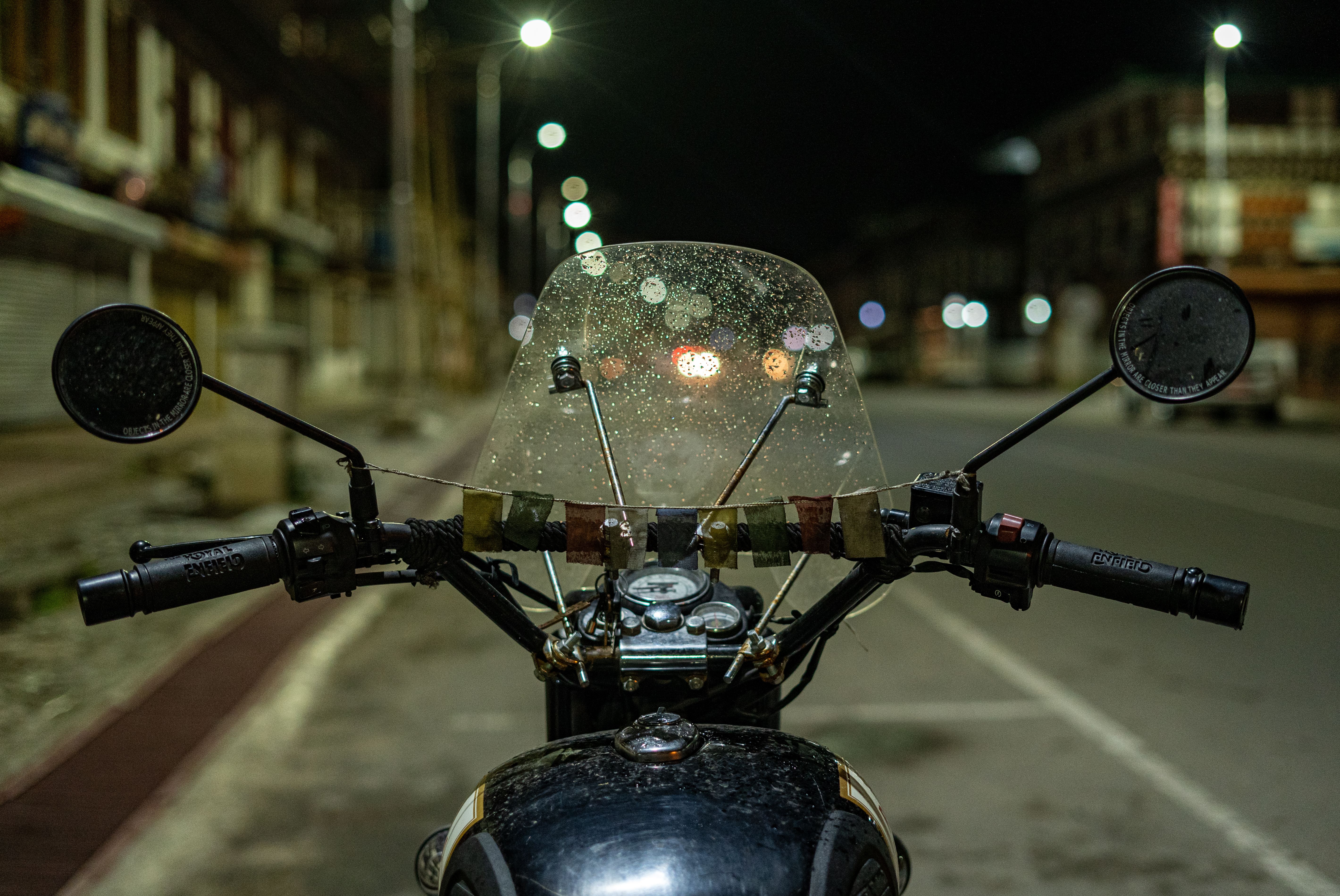
In Pensacola’s storm season, the choice mostly makes itself. A screen you look through collects raindrops, road film, and bug splatter, and it turns oncoming headlights into a smear at exactly the moment visibility already matters most. Rain here isn’t an occasional inconvenience you tolerate a few times a year; it’s the baseline condition for weeks on end. If your line of sight runs through wet plastic, you are riding half-blind.
That’s the position I’d defend hardest in this piece: for this climate, the look-through touring screen a lot of riders covet is a fair-weather luxury. A medium screen you see over, with air deflected above your helmet, keeps the road clear even when the shield itself is coated.
Material is where the money should go
Two plastics dominate. Acrylic, sold as Plexiglas, is cheaper, shinier, and more scratch-resistant – and it cracks or shatters on hard impact. Polycarbonate, sold as Lexan, is dramatically tougher; it belongs to the same family of material used in DOT-approved helmet face shields. Motorcyclist’s comparison of the two puts the gap in plain terms: acrylic runs roughly eight times stronger than untempered glass, while polycarbonate comes in around 200 times stronger.
In a season that flings oak limbs, roof shingles, and highway gravel at you, that difference stops being academic. A hard-coated polycarbonate motorcycle windscreen also resists the UV yellowing that unprotected plastic suffers when a bike lives outside through a Florida summer. I’d pay the premium. The honest caveat: bare polycarbonate scratches easily, so an untreated bargain screen can haze within a couple of seasons. Buy hard-coated, or don’t bother upgrading.
Measure the height from the seat, not the spec sheet
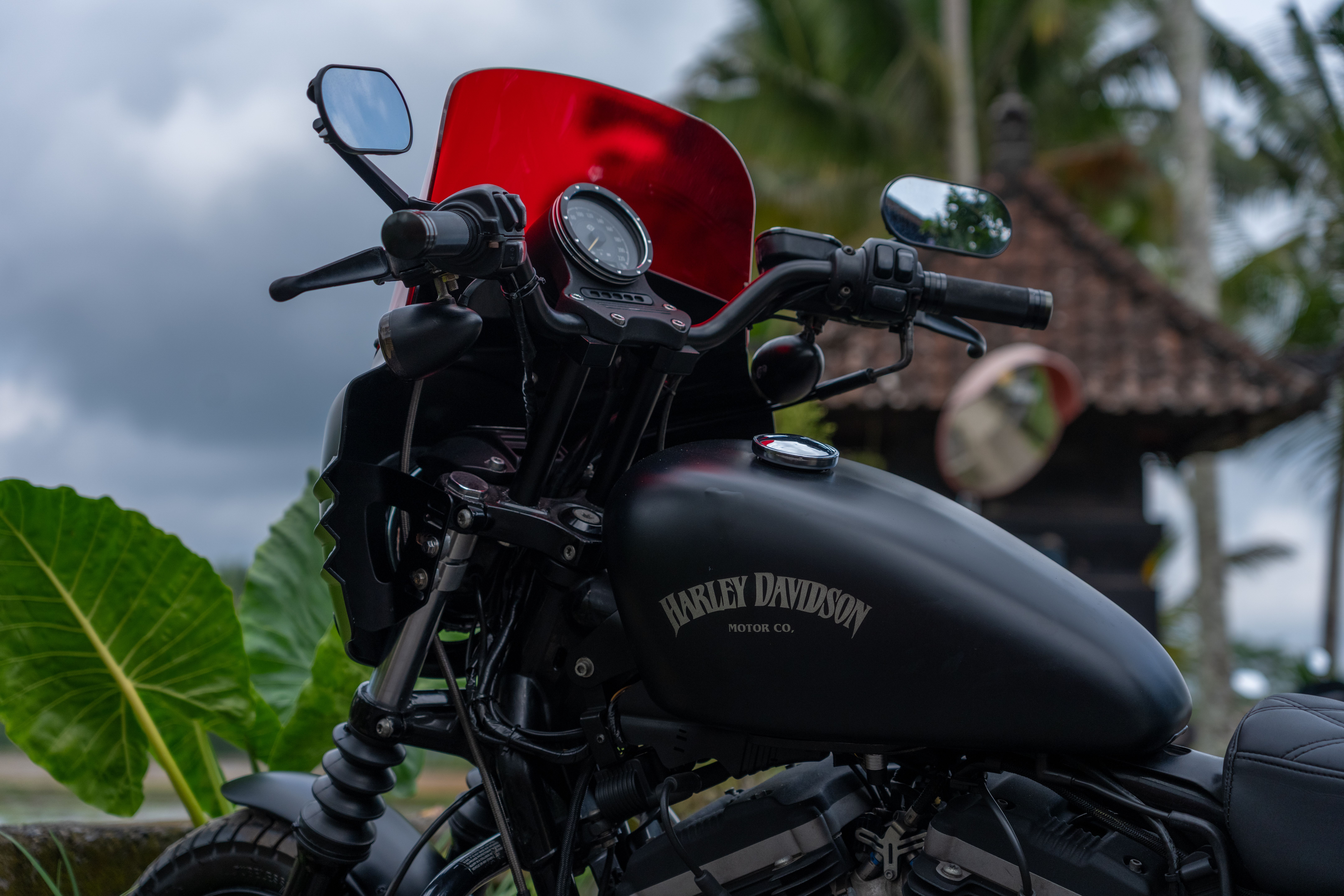
Manufacturers measure screen height along the surface of the plastic, not straight up, and rake angle changes the effective height – a heavily raked 20-inch screen can protect like a much shorter one. Forget the catalog number. Sit on the bike in your normal riding posture, wearing your usual helmet, and have someone check where the top edge lands against your sight line.
Then respect the turbulent zone. The choppy air a screen creates doesn’t stop at the top edge; it extends a few inches above it. A screen tall enough to put your whole helmet in that band will bobble your head at highway speed no matter how much plastic you bolted on. Touring riders may want calm air at the helmet, but commuters and mixed-use riders are usually happier with a mid-height screen that leaves the helmet in clean air. Stuck between two sizes? Buy the taller one – you can cut a screen down, but you can never stretch it.
Width matters too. Aim for at least the width of your shoulders. In the sudden crosswinds that ride ahead of a squall, a wide, tall screen catches wind and pushes the front end around, while a too-short one leaves you fighting to keep your head steady. Stability beats maximum coverage.
Fitment and hardware are not afterthoughts
“Universal” almost never is. Verify bolt spacing and mount points against your exact make, model, and year, and check mirror and handlebar clearance at full lock before you buy. Included hardware counts toward the real price: a screen that needs a separate bracket or well-nut kit can cost more than one listed higher on the page.
What I’d skip
- A tinted screen for storm season. It steals light when the sky is already dark. Check your local rules before ordering.
- The tallest screen you can find. Height moves turbulence around; it doesn’t delete it.
- Buying from your standing height. Seated eye level and riding posture decide this, not the number on your license.
The part that matters more than the screen
Whatever you mount, the best storm-season decision is the one the safety guides all repeat: don’t ride into a named storm. Garage or cover the bike, tie it down, move it to high ground if flooding is a concern, and check whether your policy’s comprehensive coverage handles wind and flood damage. The screen protects you from the season’s edges. Nothing protects you from its center.
FAQ
Is a taller windshield better in hurricane season?
No. Extra height moves turbulence toward your helmet and can sit in your line of sight. For storm-season rain, a screen you look over protects your vision better than one you peer through.
Polycarbonate or acrylic for a storm-season screen?
Polycarbonate, for impact and debris. Acrylic only makes sense when cost or scratch resistance matters more than toughness. Hard-coated polycarbonate is the worthwhile middle ground.
How high should my motorcycle windscreen be?
From your seated position, the top edge should land near your nose tip or just below eye level, so you can see the road roughly 50 feet ahead over the top.
Can I ride in the rain with a windshield?
Yes – it keeps rain and spray off your torso. Slow down, increase following distance, avoid standing water, and expect reduced grip in the first minutes of rainfall when road oil floats to the surface.
Should I remove my windshield before a storm?
If the bike is staying outdoors, a quick-release screen can be stored inside to avoid flying-debris damage. Securing the bike itself matters more than the screen.
How this article was put together: I based the season figures on NOAA’s Aug. 6, 2026 outlook and Colorado State University’s Aug. 5, 2026 forecast, and the local storm history on National Hurricane Center records reported by the Pensacola News Journal. Sizing guidance comes from National Cycle’s published standards and material claims from Motorcyclist’s windshield breakdown. Where sources frame the same decision differently, I’ve said so in the text. Season statistics change annually; recheck before each Atlantic season.