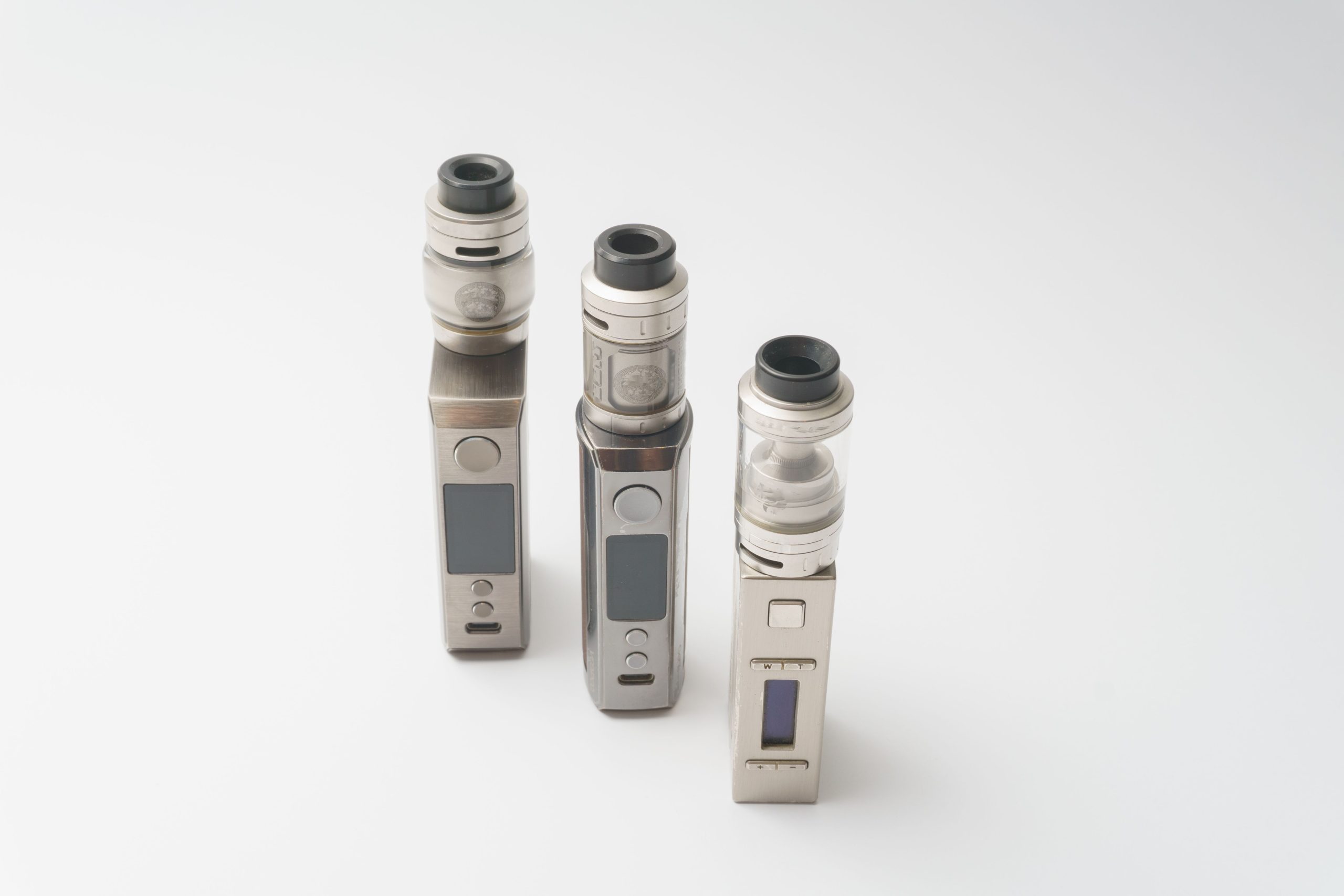
A disposable vape advertised for tens of thousands of puffs appears easy to compare with another device: the larger number seems to promise longer use. Yet a puff count says little on its own about how the battery behaves between charges, how the heating element performs as liquid is consumed, or whether the flavor remains consistent. In 2026, Geek Bar’s expanding device lineup offers a useful case study in how flavor delivery, power settings and visible device status have become part of the same design conversation. The Pulse series helped draw attention to that combination. Its influence is best understood through the features it brought together, rather than through the number printed most prominently on the package.
The Engineering Behind the Pulse – Why Geek Bar Hardware Lasts
Higher advertised puff counts require more than a larger battery. A device must contain enough liquid for its intended use, deliver that liquid to the heating element and provide power through repeated charging cycles without making the controls difficult to use. The Geek Bar Pulse X illustrates how those requirements are packaged together: Geek Bar’s Pulse X product page presents a device built around rechargeable power and selectable operating modes. These are design and product features, not independent measurements of how long an individual device will perform.
The manufacturer advertises up to 25,000 puffs in Regular Mode and up to 15,000 in Pulse Mode. That difference is more informative than either figure alone: changing the operating mode changes the conditions under which the puff estimate is presented. A user’s draw length and frequency also affect how quickly liquid and battery charge are consumed, so the advertised maximum should not be read as a personal usage forecast. Comparing modes matters especially when two products display similar headline counts but use different power settings to produce them.
Smoke Toki’s Pulse X product listing specifies an 820 mAh rechargeable battery and USB-C charging. Recharging allows the battery to continue powering the device while usable liquid remains; it does not increase the amount of liquid inside or restore a worn coil. Battery capacity is therefore one part of nicotine hardware durability, not a stand-alone measure of it. Likewise, a charging-speed claim describes a particular charging condition, while the practical interval between charges still depends on how the device is used.
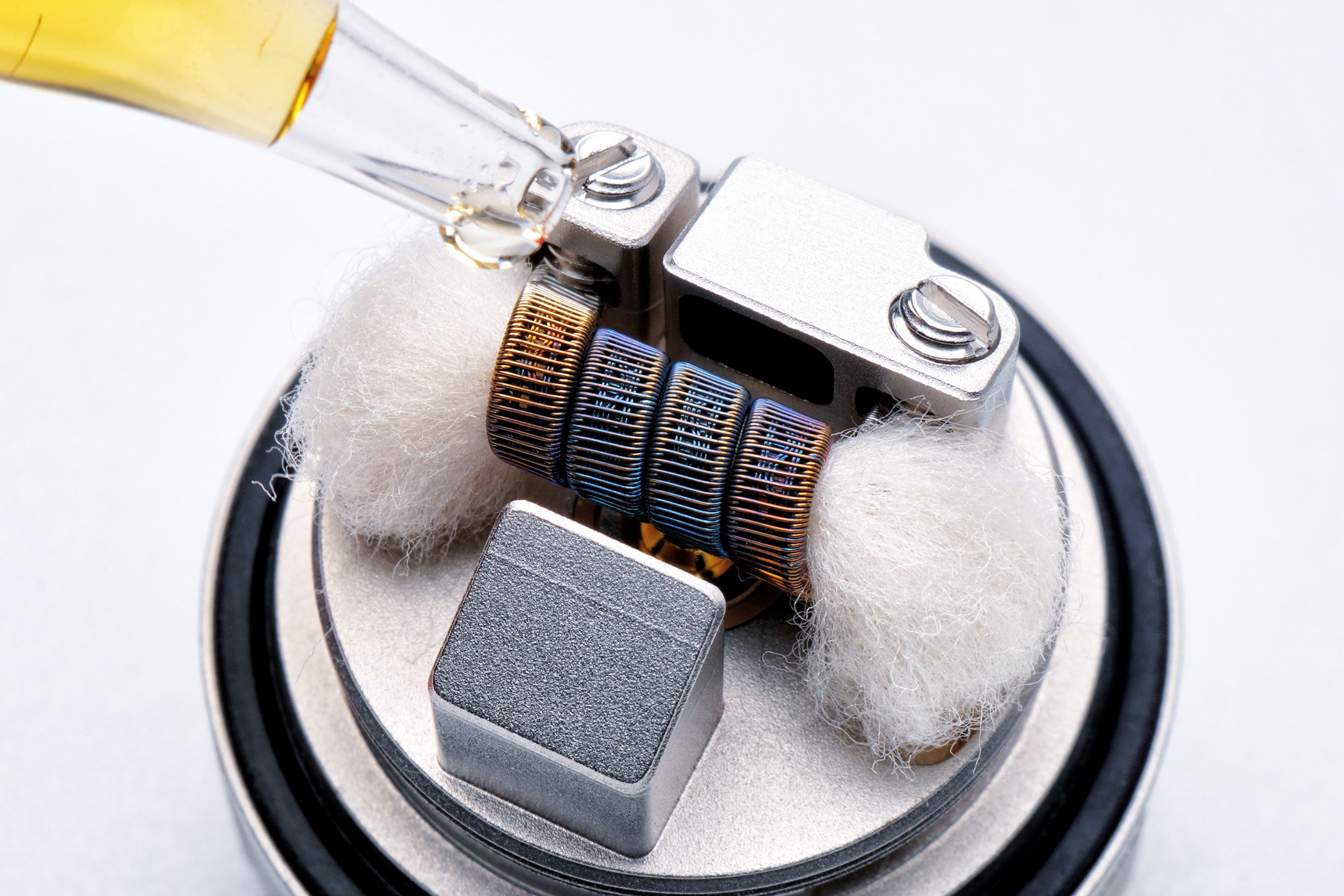
Coil integrity becomes especially important as advertised usage stretches across more sessions. The heating element must receive liquid consistently enough to avoid overheating portions of its surface, while the battery must supply power in a way the device can manage. Those requirements explain why coil design and power controls deserve attention alongside puff count. They do not establish that every unit will maintain the same output through its final draw. For a buyer comparing specifications, the useful question is how the components are intended to work together, not whether one large number settles the durability question.
The approach continued across Geek Bar’s 2026 lineup. Retail listings describe the Pulse X 2 with an advertised maximum of 50,000 puffs, while Geek Bar introduced SPARK, a reusable pod system for selected European markets, in 2026. Those are different product formats, but both put device design alongside flavor choice in the purchasing decision. The Pulse series’ combination of higher puff estimates, selectable modes and a status display helped make feature-rich disposable hardware more prominent; SPARK shows the company applying its focus on flavor delivery and battery information to a reusable format.
Decoding Modern Flavor Profiles – Why Consumers Choose Consistency

Flavor consistency is partly an engineering problem because an e-liquid’s ingredients must be heated and delivered repeatedly under changing conditions. A mesh heating element presents a broader contact area than a simple single-wire coil design, which can help distribute heat across the liquid-bearing material. The Pulse X Thermal Edition uses a dual-mesh coil setup. That term identifies a hardware choice; it is not proof that every flavor will taste identical from the first use to the last.
The distinction matters for increasingly layered flavor profiles. When a liquid combines several flavor notes, uneven heating or insufficient liquid supply can change which characteristics seem most noticeable during a draw. A mesh-coil design is intended to support more controlled heating, but the coil can only work with the liquid reaching it. Draw frequency, operating mode and the amount of liquid remaining all influence the conditions around the heating element. As a result, a complex flavor name on a package is less revealing about repeatable performance than the way the device manages heat and liquid delivery.
Power settings introduce another trade-off. A mode that delivers a more intense draw may also use the device’s available liquid and charge differently from a lower-output mode; the Pulse X’s separate puff estimates make that distinction visible. Greater intensity should not be confused with greater accuracy or stability of flavor. Perception also varies among adults, and a preferred flavor profile cannot be inferred from coil specifications alone. Hardware can support consistent operation, but it cannot turn a subjective taste judgment into a guaranteed technical result.
Flavor choice also changes across models. A 2026 retailer catalog lists distinct selections for the Pulse 15K, Pulse X 25K and Pulse X 2 50K, including flavors that share names across devices. The same name does not establish that the liquid formulation or the experience is identical in each model. Geek Bar’s 2026 SPARK announcement likewise pairs its pod-system launch with fruit flavors developed for European preferences and reduced cooling. These examples show why the science of flavor cannot be separated from the device that heats and delivers it: the formulation, coil and power setting all contribute to what a user experiences.
For a practical comparison, it helps to separate three questions that are often collapsed into one claim. First, what heating arrangement does the device use? Second, can its power setting change during use? Third, how does the device show the user what remains? Answering those questions gives more context than a flavor label or puff estimate by itself. It also keeps the focus on observable controls and stated specifications, rather than treating an appealing flavor description as evidence of long-term coil performance.
Sourcing and Safety – Navigating the 2026 Vape Marketplace

Hardware specifications are useful only when the device being purchased is the product they describe. Counterfeit or misrepresented vaping devices can make a familiar model name and convincing packaging poor substitutes for a traceable source. Adult buyers can check whether a seller identifies the exact model, operating modes and product details consistently, and whether any manufacturer-provided authentication feature on the packaging can be verified through the manufacturer’s official channel. An unusually low price or vague listing is a reason to examine the offer more carefully, not proof on its own that a product is counterfeit.
Buying from a direct distributor with a clear commercial identity and product information, rather than an anonymous listing, is a sensible precaution against counterfeit hardware and makes those checks easier. It does not, by itself, certify every individual device or settle questions about whether a product may legally be marketed in a particular jurisdiction. Authenticity, hardware performance and regulatory status are separate considerations. That distinction is especially important in the United States, where FDA action against unauthorized e-cigarette sales has shown why a recognizable brand name should not be mistaken for a regulatory approval.
Smoke Toki brings together vaping hardware and international snacks in one marketplace, serving adults who know the specifications they want as well as those comparing devices for the first time. Its authentic Geek Bar selection includes a Pulse X listing with battery capacity, coil type and operating-mode puff estimates presented together. A detailed listing makes comparison more straightforward, while the sensible purchasing check remains the same: match the delivered product and its packaging to the model described, rather than relying on a familiar name alone.
The device interface adds another way to evaluate what is happening during use. The Pulse X listing describes a display with battery and liquid-level indicators. Geek Bar’s SPARK announcement also describes a display showing real-time battery status. For adults who prioritize battery transparency, a device display has become an expected standard feature of disposable vapes, and battery and liquid-level indicators are concrete features to examine on the named devices. They remain status aids, however, rather than precise predictions of remaining puffs: a displayed level cannot account perfectly for future draw length, power setting or coil behavior.
In the end, Geek Bar’s contribution to 2026 vape design is clearest in the combination of features visible across its devices: flavor-focused coil design, distinct operating modes, rechargeable power and status information that users can check. The advertised puff count should be considered alongside those features, not treated as a substitute for them. A traceable seller and careful packaging checks address a different question: whether the hardware received matches the hardware evaluated. Keeping those questions separate makes the science of flavor and durability more useful to adult buyers, while leaving room for the real-world variation that no headline puff figure can remove. Nicotine is addictive, and technical features do not change that risk.