Outdoor home improvement in 2026 is moving beyond the idea of a backyard as a seasonal entertainment zone. The more interesting projects are designed around ordinary life: a shaded place to work, a garden that handles heavy rain, lighting that makes a patio usable after dark, or a boundary that creates privacy without turning the yard into a fortress.
That shift is visible in the latest homeowner data. Houzz’s 2026 U.S. Outdoor Trends Study, based on 1,191 U.S. homeowners with recent or planned outdoor renovation work, found that 72% were investing in outdoor features and 36% in outdoor systems. Structural upgrades remained the largest category at 56%, but systems had overtaken decorating projects. The message is fairly clear: homeowners are spending on how the space performs, not just how it photographs.
The 2026 trend summary
The table below separates what homeowners are reporting from what designers and researchers are describing as an emerging direction. That distinction matters: a popular project is not automatically a good project for every property.
| Outdoor improvement signal | 2026 evidence or direction | What it means for a homeowner |
|---|---|---|
| Comfort-first outdoor living | 83% of renovated outdoor spaces in Houzz’s study included a lounge or seating area | Plan for shade, weather protection, and furniture layout before adding decorative features |
| Outdoor lighting | 66% of renovated lounge areas reported outdoor lighting | Lighting is becoming part of how the space functions, not an afterthought |
| Plant-led design | Plants, shrubs, or trees were the top feature upgrade at 74% | Planting remains the broadest-impact improvement, especially when matched to local conditions |
| Climate-responsive yards | Yardzen reported a 23% year-over-year increase in requests for native, pollinator, and climate-adapted planting | Expect more interest in lower-input landscapes and regionally appropriate planting palettes |
| Professional coordination | 71% of renovating homeowners hired a professional, up from 65% in 2024 | Projects involving drainage, electrical work, structures, or multiple trades need more planning than a product purchase |
Sources: Houzz’s 2026 U.S. Outdoor Trends Study and Yardzen’s 2026 trend report. Figures refer to the surveys and reporting periods named by those sources.
Outdoor rooms with everyday jobs
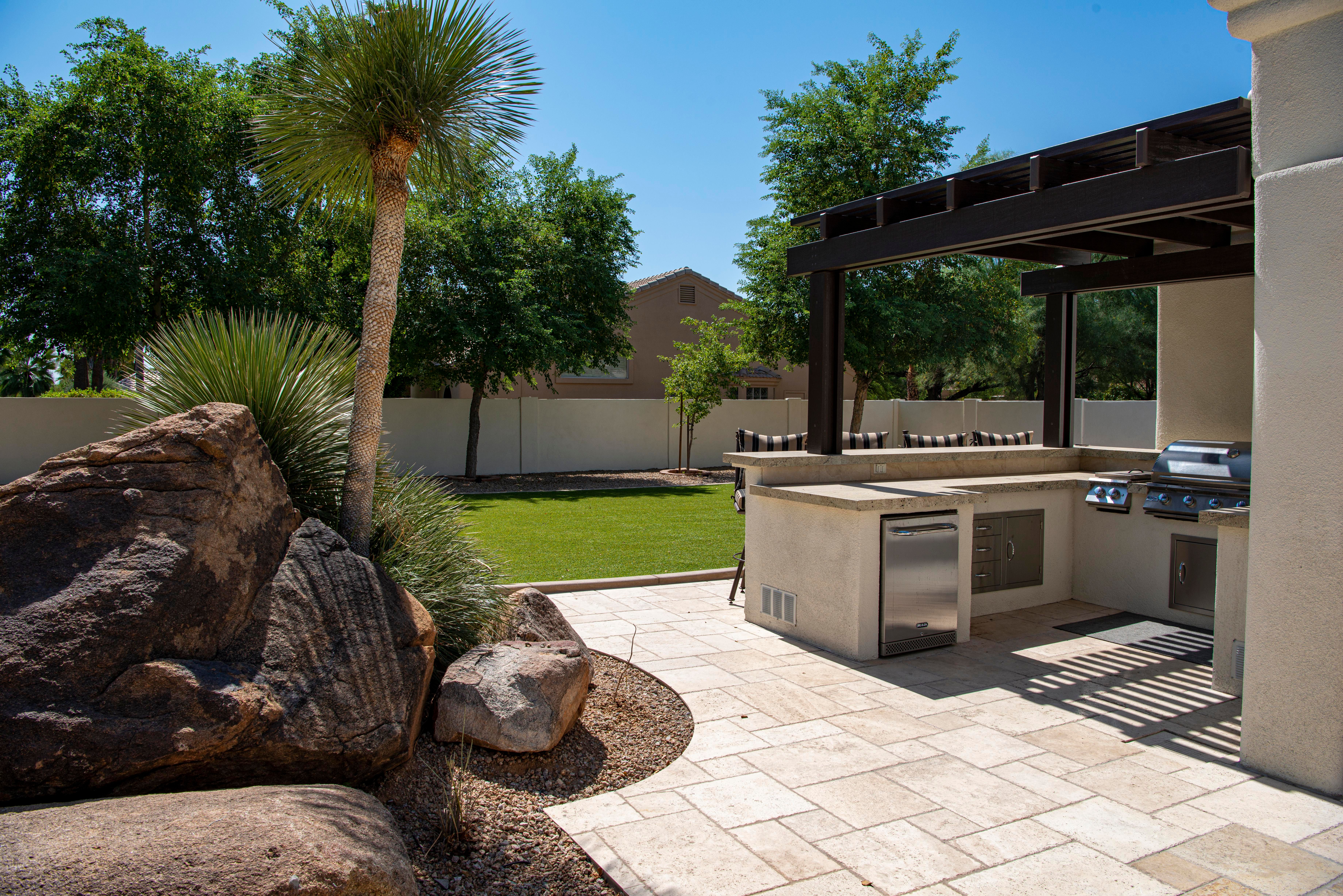
The outdoor kitchen is still part of the conversation, but the larger trend is an outdoor room with a specific job. A patio may need to support breakfast, children’s play, remote work, and an evening meal rather than one large annual gathering.
Houzz found that 83% of renovated outdoor spaces included a lounge or seating area, while 71% included a sofa or lounge chairs. Those figures suggest that the outdoor living room is more established than the novelty kitchen. Kitchens can be useful, but they are expensive, fixed, and infrastructure-heavy. Seating, shade, and a clear route between the home and the yard usually serve more days of the year.
My read is that the best 2026 outdoor rooms will be flexible rather than over-programmed. Before specifying a pizza oven or built-in television, decide what the space must do on an ordinary Tuesday:
- Provide a comfortable seat in the hottest part of the afternoon.
- Keep a dry, well-lit route from the kitchen to the patio.
- Offer a surface for meals, gardening, or a laptop.
- Allow furniture to move when the household’s needs change.
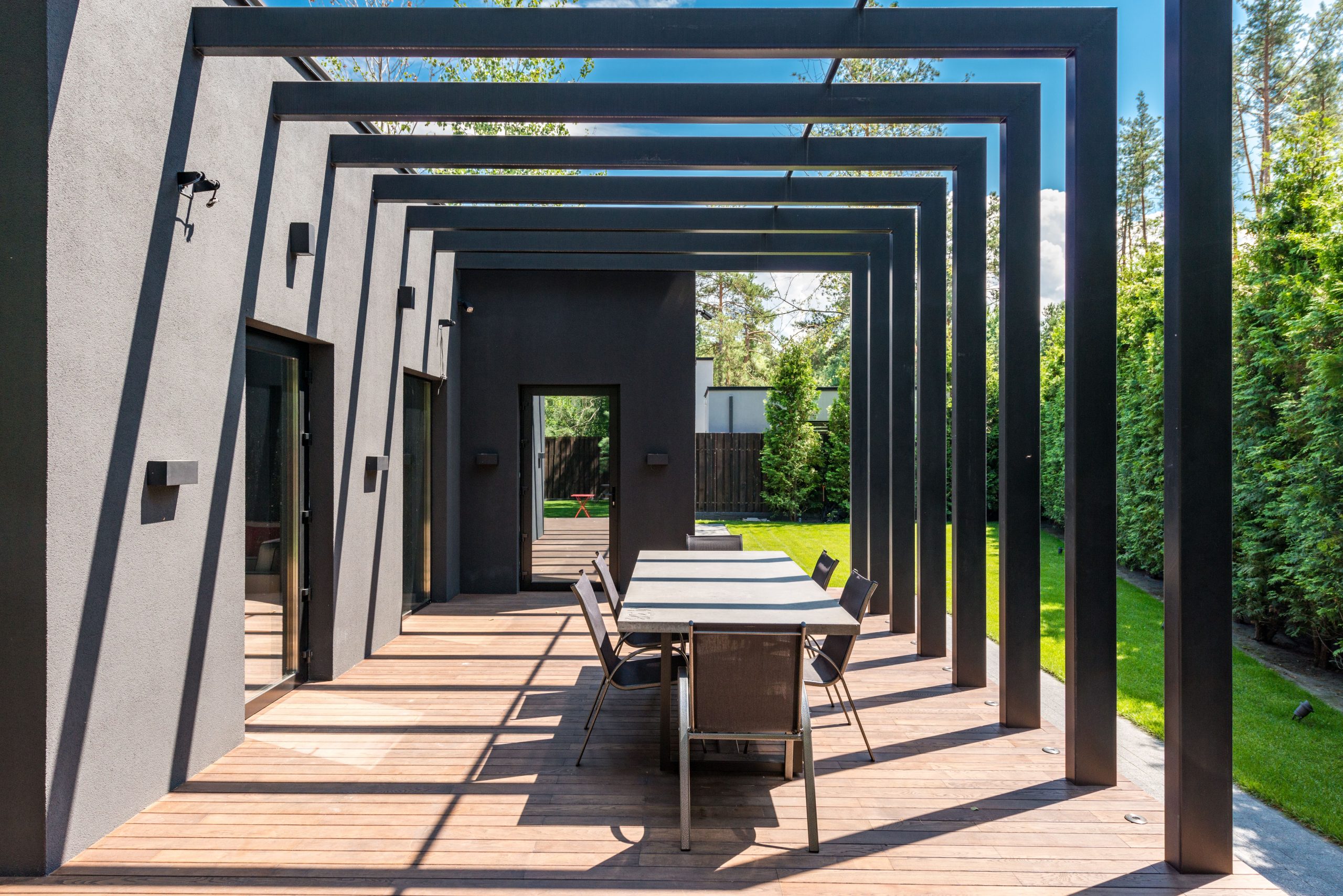
Covered patios, pergolas, retractable shade, and ceiling fans all belong in this category, but their value depends heavily on orientation and local weather. A roof that blocks winter sun may be a poor choice in a cool climate; a beautiful pergola without a plan for rain may become an expensive frame around unusable furniture.
Planting, shade, and water-smart landscapes
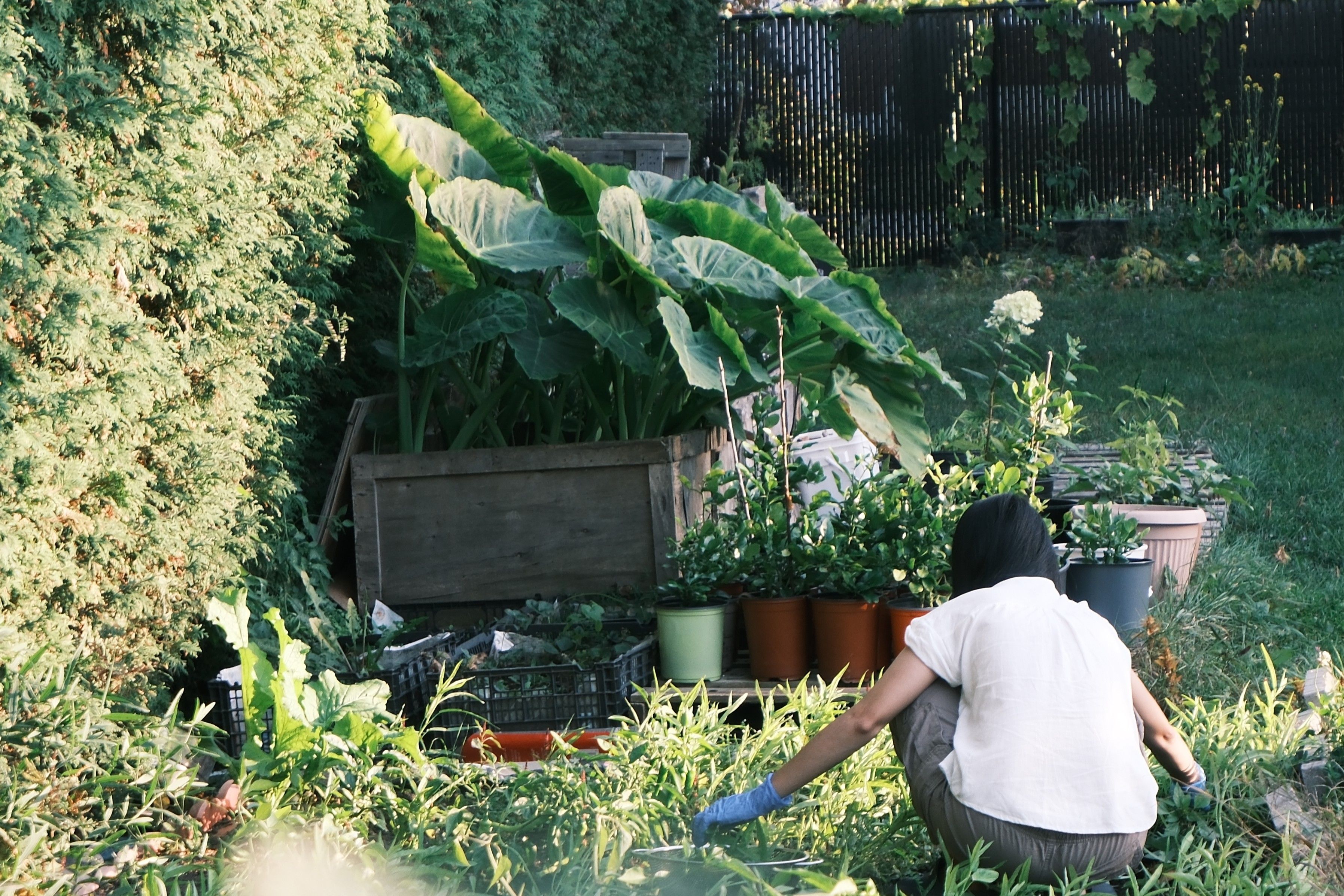
One of the most important 2026 trends is also one of the least flashy: planting is regaining priority over hardscape. Houzz reported that adding or upgrading plants, shrubs, or trees was the leading outdoor feature project, at 74%. Yardzen reported a 23% year-over-year increase in requests for native planting, pollinator gardens, and climate-adapted species.
This does not mean every yard should become a meadow. It means plant selection is being treated as infrastructure. Trees create shade; layered planting can slow runoff; edible beds connect the garden to the kitchen; and the right species can reduce irrigation and replacement work. The useful question is not “Which plants are trending?” but “What conditions does this yard repeatedly create?”
That same logic is bringing stormwater management into ordinary residential design. The EPA describes rain gardens and bioretention areas as planted depressions that collect runoff and allow it to infiltrate or pass through an underdrain. Its guidance on permeable pavement explains how porous asphalt, pervious concrete, and permeable pavers can store or infiltrate rain where it falls.
For a homeowner, the practical menu may include:
- Redirecting a downspout toward a suitable planted area, subject to local drainage rules.
- Replacing a small, low-use paved area with permeable pavers.
- Adding a rain garden where soil, slope, and setbacks make it appropriate.
- Using shade trees and climate-adapted planting to reduce exposed lawn.
These are not universal DIY fixes. Poorly placed water can move toward a foundation, damage a neighbor’s property, or fail because the soil drains too slowly. The trend worth watching is not “green landscaping” as a label; it is the merging of planting, grading, drainage, and comfort into one design problem.
Privacy that feels like landscape
Privacy is becoming less about installing the tallest possible barrier and more about shaping what is seen, heard, and felt from each part of the yard. Yardzen reported a 10% year-over-year increase in privacy-driven elements, following a 22% increase the previous year. Its 2026 report describes a mix of layered planting, fencing, and enclosed garden rooms rather than a single solid wall.
That approach has a useful advantage: it can create privacy without making a small garden feel smaller. A tree canopy, a hedge, a trellis, and a change in ground level each screen a different sightline. A boundary can also manage wind, street noise, and the visual clutter of neighboring properties.
Materials still matter. In a high-exposure location, a homeowner may compare timber, masonry, metal, and composite fencing according to moisture, maintenance, appearance, and local planning requirements. The sensible choice is the one that fits the site and the owner’s willingness to maintain it, not the material with the most fashionable product photography.
Lighting and comfort systems
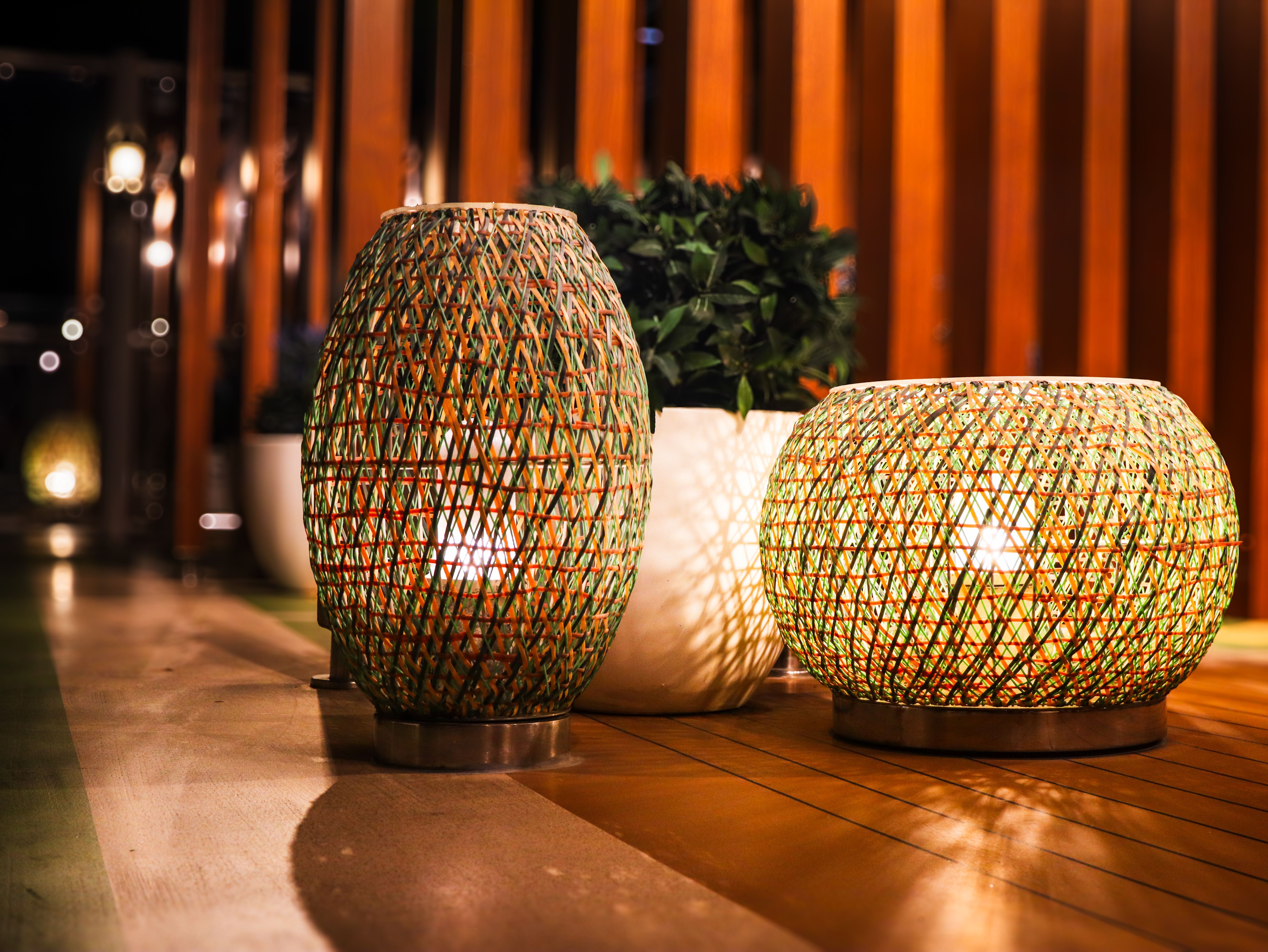
Outdoor lighting is shifting from decoration toward layered usability. In Houzz’s 2026 findings, 66% of renovated lounge areas included outdoor lighting. That does not mean every patio needs a bright grid of downlights. It points toward a combination of low-level path lighting, task lighting near food preparation, and controlled accent lighting for planting or architecture.
The better systems are designed around glare. A light that shines into a neighbor’s window or destroys the view of the night sky is not a successful upgrade, even if the fixture looks elegant in the catalog. Warm color temperatures, shielded fittings, dimming, timers, and motion sensors can make a larger difference than adding more fixtures.
Comfort systems are broadening too: shade structures, fans, heaters, outdoor showers, saunas, and cold-plunge areas appear in the 2026 design conversation. These amenities can support daily routines, but they also add electrical, plumbing, structural, safety, and maintenance requirements. I would put shade and seating ahead of wellness hardware in almost every phased project because they improve more seasons and require fewer specialist systems.
Materials chosen for maintenance and longevity
Outdoor materials are being judged less by their first-day appearance and more by how they age. That applies to decking, paving, furniture, fences, fabrics, and finishes. A product that needs frequent sealing, delicate storage, or difficult replacement may be a poor fit even when its initial cost looks attractive.
The trade-off is not simply natural versus manufactured. Timber can weather beautifully when the detail and maintenance plan are right. Composite products can reduce some recurring work but still need suitable substructure, ventilation, cleaning, and careful color expectations. Stone can last for decades but may have drainage or heat implications depending on the type and installation.
When comparing options, ask:
- How will the surface behave in full sun, freeze-thaw cycles, or persistent damp?
- Can individual boards, pavers, cushions, or fittings be replaced?
- Does the installation require drainage, footings, permits, or licensed electrical work?
- What maintenance is required annually, and who will actually do it?
How to decide what is worth doing
There is a reasonable opposing view to all this trend reporting: design forecasts can encourage homeowners to spend on features they do not need. Houzz’s data comes from homeowners who are already engaged with renovation, and Yardzen’s request data reflects its own design audience. Neither is a neutral census of every household. The safest conclusion is to use the reports as signals, not instructions.
Before choosing a 2026 outdoor upgrade, rank the project against four tests:
- Frequency: Will it improve a space used weekly, or only an occasional event?
- Climate: Does it address shade, heat, wind, rain, or water demand on this specific property?
- Reversibility: Can the layout change if routines or household needs change?
- Coordination: Does the work involve drainage, gas, electrical service, structural loading, or several trades?
If a project scores well on the first two and does not create a maintenance burden, it is probably worth watching even if it never becomes a headline trend. That is why the quiet moves-better shade, better planting, better lighting, and better water handling-may matter more in the long run than the most elaborate outdoor amenity.
Frequently Asked Questions
What to watch next
The most durable outdoor improvements in 2026 will probably be the ones that disappear into daily life. A shaded chair that is always comfortable, a planting bed that handles rain, a path that is safe after sunset, and a boundary that makes the garden feel calmer are not flashy investments. They are better measures of success than whether a backyard contains every feature currently appearing in a trend report.
Start with the constraint the yard already has-heat, water, privacy, poor circulation, or lack of shelter-and choose the improvement that solves it with the fewest new complications. Trends will change. A better-functioning outdoor space will not.