A winter vacation outside Europe can mean three completely different things: a snowbound village in Japan, a desert in Morocco that freezes after sunset, or a Caribbean beach in Mexico where the water is still warm in January. The five countries here cover that range. They are not ranked, because the right pick depends on which winter you actually want.
My argument is simple: the country matters less than the two weeks you choose. Winter is high season in all five, and the difference between a good trip and an expensive, crowded one is usually timing. “Warm” and “reliable” are not synonyms either. Costa Rica’s Caribbean coast does not share the Pacific’s dry season, and Mexico’s Caribbean beaches get winter winds that can cancel a pool day.
Five countries, two completely different winters
Here is the comparison most winter guides bury under a paragraph of scene-setting. The interesting row is Japan: it is the only one where winter is the product, not the thing you are escaping.
| Country | What winter feels like | Best window | The catch |
|---|---|---|---|
| Japan (Hokkaido and Shirakawa) | Real snow. Sapporo’s January mean is -3.2°C, with average highs near 0°C. | Late January to mid-February for snow; Sapporo festival February 4–11, 2027; Shirakawa light-up January 11, 17, 24 and 31. | Cold logistics and reservation-only entry at Shirakawa-go. |
| Morocco | Mild, sunny days and cold nights. Marrakech averages 19°C by day and 6°C at night in January. | December to February for touring; December to March for Atlas skiing, snow permitting. | You need layers for two seasons in one day; desert nights can approach freezing. |
| Egypt | Mild and sunny, around 20°C by day and 15°C at night; Aswan is warmer. | November to early December, or late January to February. | Winter is peak season; Christmas and New Year are crowded and expensive. |
| Mexico | Mean annual temperature of 26°C on the Caribbean coast; January is coolest but still averages above 22°C. Winter “nortes” can bring wind and rain. | December to April; February to March for gray whales; November to March for monarchs. | Holiday crowds and resort prices; weather varies by coast. |
| Costa Rica | Warm and dry on the Pacific from mid-December to late April; the Caribbean side is wetter. | Mid-December to April; late April for fewer crowds. | High-season prices and lodges that fill early. |
Sources: Japan Meteorological Agency 1991–2020 normals; Mexico’s CONANP climate page for Tulum; 1991–2020 station normals for Marrakech and Errachidia; Visit Costa Rica; Experience Egypt; UNESCO. Figures and dates checked October 2026.
Notice what the table does not say: none of these places is a guaranteed 30°C. If that is the only outcome you will accept, book the Caribbean in March, not January, and expect to pay for it.
Japan: the winter trip that isn’t an escape
Japan is the contrarian pick. Sapporo’s January mean is -3.2°C, with an average high of -0.4°C and an average low of -6.4°C, according to the Japan Meteorological Agency’s 1991–2020 normals. That is not a typo. You are not going for a tan.
What you get instead is snow at a scale that makes the cold worth it. Niseko averages about 14 metres a season; JNTO puts Hokkaido’s snowiest areas above 15 metres, with some near 18. The lifts usually run from late November into early May, with the heaviest snow from late December to mid-February.
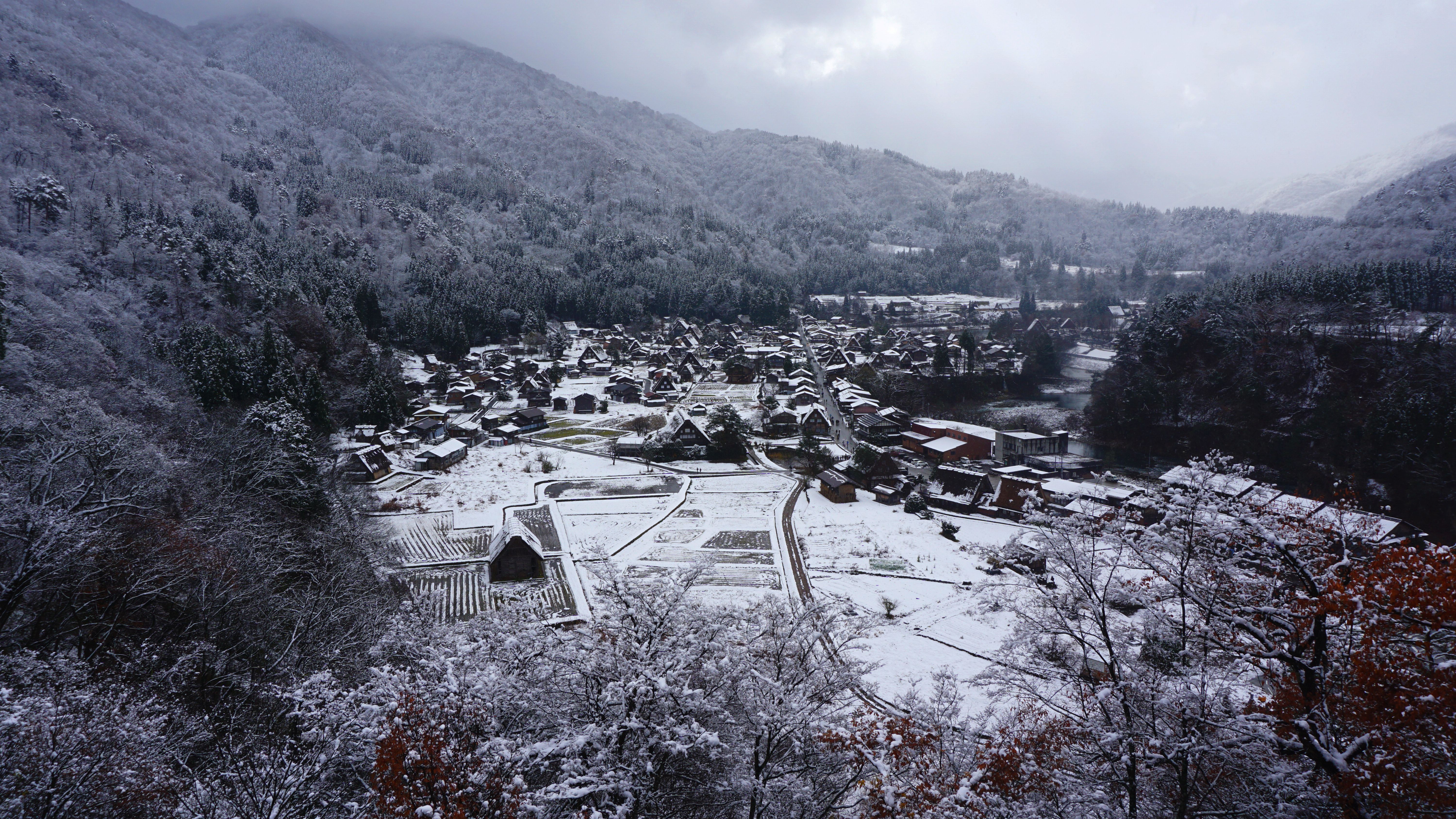
The festival calendar is unusually specific, which makes planning easy. The Sapporo Snow Festival runs February 4–11, 2027, with snow sculptures along 1.5 km of Odori Park, lit until 10pm; the city says it draws more than two million visitors. The UNESCO-listed village of Shirakawa-go is even more restricted: four nights only-January 11, 17, 24 and 31, 2027-from 5:30 to 7:30pm. The official 2027 schedule makes clear that entry is by advance reservation, drones are banned, and visitors without a booking will be turned away. “Visitors without a reservation will not be admitted,” the tourist association’s notice says.
There is a climate story in that schedule, too. In 2026 the village office cited warming-related snow shortage, along with sunset times, when it limited the event to four nights. A place built on reliable snow is hedging.
My take: Japan is the best choice on this list if you want winter itself, not an escape from it. The trade-off is logistics. You will be booking timed entries and checking snow forecasts, and you will need proper layers. If that sounds like work, it is. It is also the only trip here you will still be talking about in ten years.
Morocco: 20°C at lunch, below freezing by midnight
Morocco is the opposite trick. It looks like a warm-weather destination and behaves like a two-season one. Marrakech averages 19°C by day in January and 6°C at night. By lunch you are in a T-shirt; by dinner you want a jacket and a riad with a fireplace.
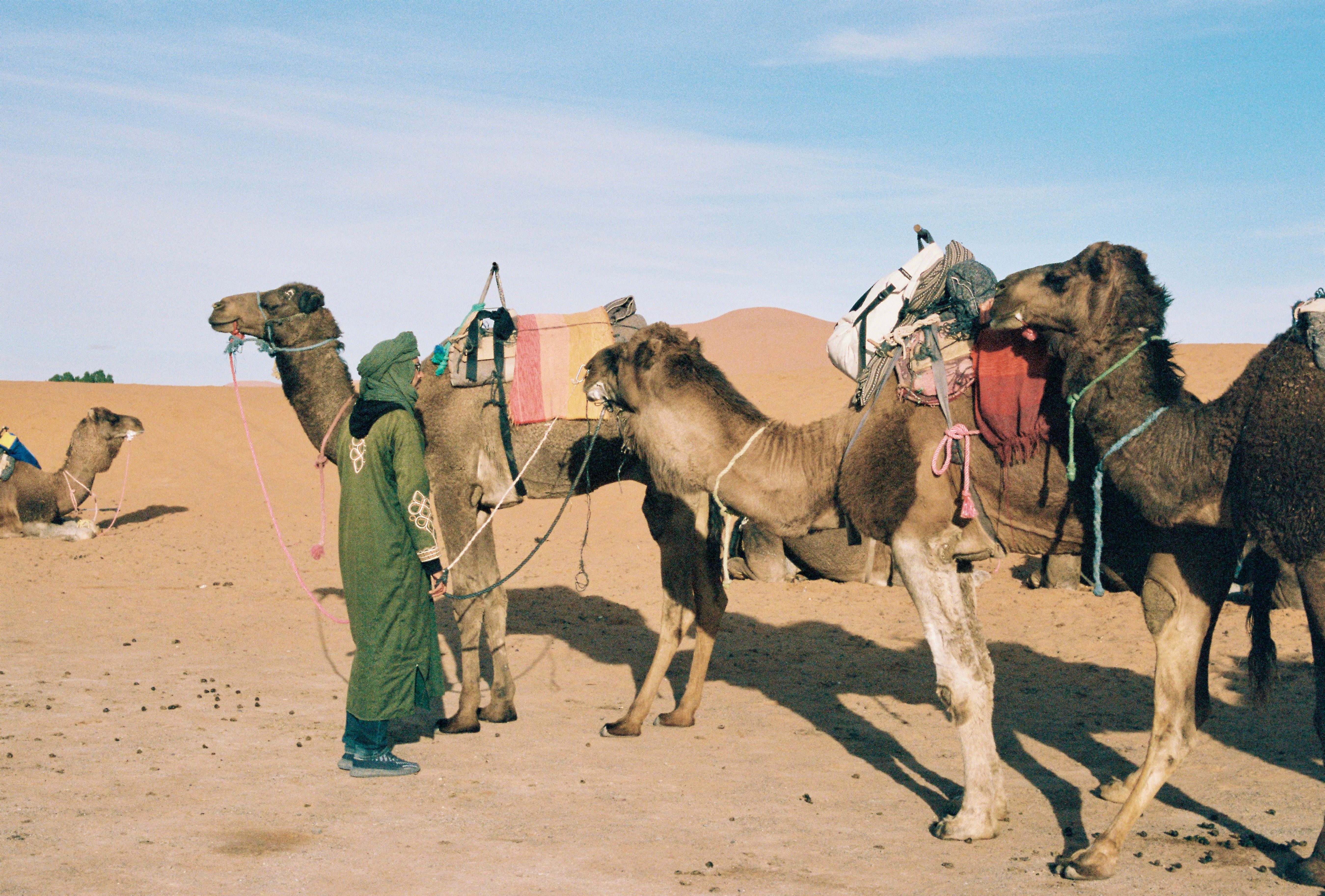
The desert is colder than the postcard suggests. Merzouga, the gateway to the Erg Chebbi dunes, averages about 19°C by day in January and 6°C at night; the nearest long-record station, Errachidia, averages 2°C at night. Exposed dunes can dip below freezing. A camel trek at dawn is beautiful and genuinely cold. Pack a warm layer, not just a scarf.
The surprise is the Atlas. Oukaïmeden, about 74 km from Marrakech, sits between roughly 2,600 and 3,200 metres and runs a ski season from December to March when snow allows. It is one of Africa’s highest ski areas, with a chairlift and a handful of drag lifts. Snow is increasingly unreliable, so treat skiing as a bonus rather than a guarantee. But the combination-ski in the morning, tagine in Marrakech that evening-is real.
My read: Morocco is the best value-and-culture mix on the list, provided you pack for two seasons in one day. The classic mistake is packing for the photograph.
Egypt: the best winter culture trip, full stop
Egypt is the one I would choose if the goal is a winter trip that teaches you something. Egypt’s tourism authority puts winter days around 20°C, with nights near 15°C; Aswan is warmer, roughly 22–32°C from November to March. That is comfortable for temples, tombs and long walks in a way that June is not.
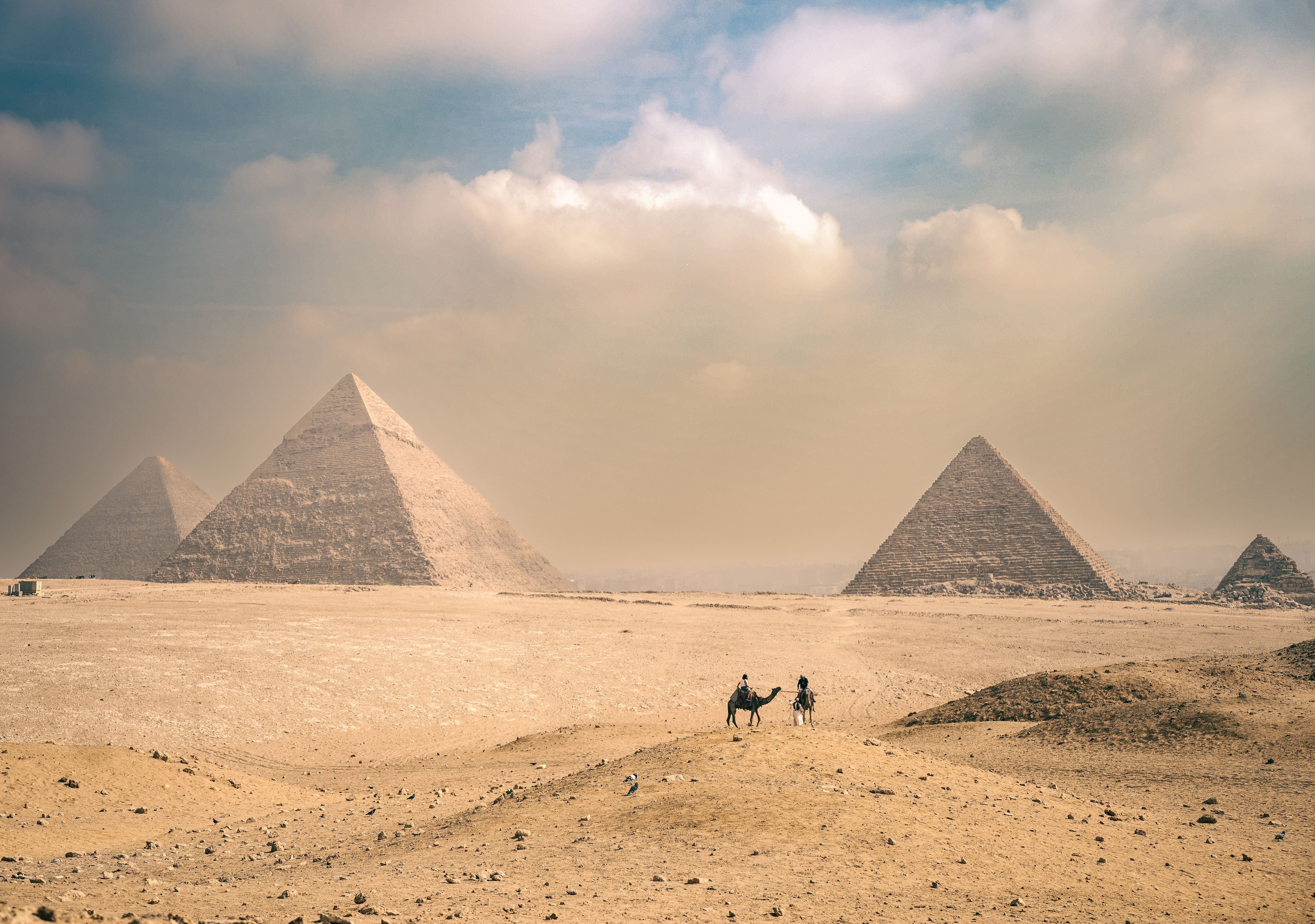
Cairo’s calculus changed in November 2025, when the Grand Egyptian Museum opened to the public with nearly 50,000 artifacts, including the Tutankhamun collection. It is promoted as the world’s largest museum devoted to a single civilization, and it sits next to the pyramids. Give Cairo an extra day. The old advice-two nights, see the pyramids, leave-now shortchanges the city.
Then there is the Nile. Egypt’s tourism authority puts the best cruise window at October to May, and the standard Luxor–Aswan run takes four to five days. The big ships are floating hotels with pools and evening entertainment; they are efficient and a little impersonal. If you want the river to feel like the point of the trip, a smaller boat is better. A Dahabiya Nile Cruise, for example, uses an eight-suite boat and runs three- and four-night itineraries between Luxor and Aswan, which means fewer people at the sites and more time watching the banks go by. That is the version I would book.
Timing matters more here than anywhere else on the list. Christmas and New Year are the peak of the peak: the weather is at its mildest, the sites are busiest, and the prices reflect it. November and early December are the sweet spot; late January and February are still good, with often slightly thinner crowds after the holiday rush.
Mexico: the winter beach with a second act
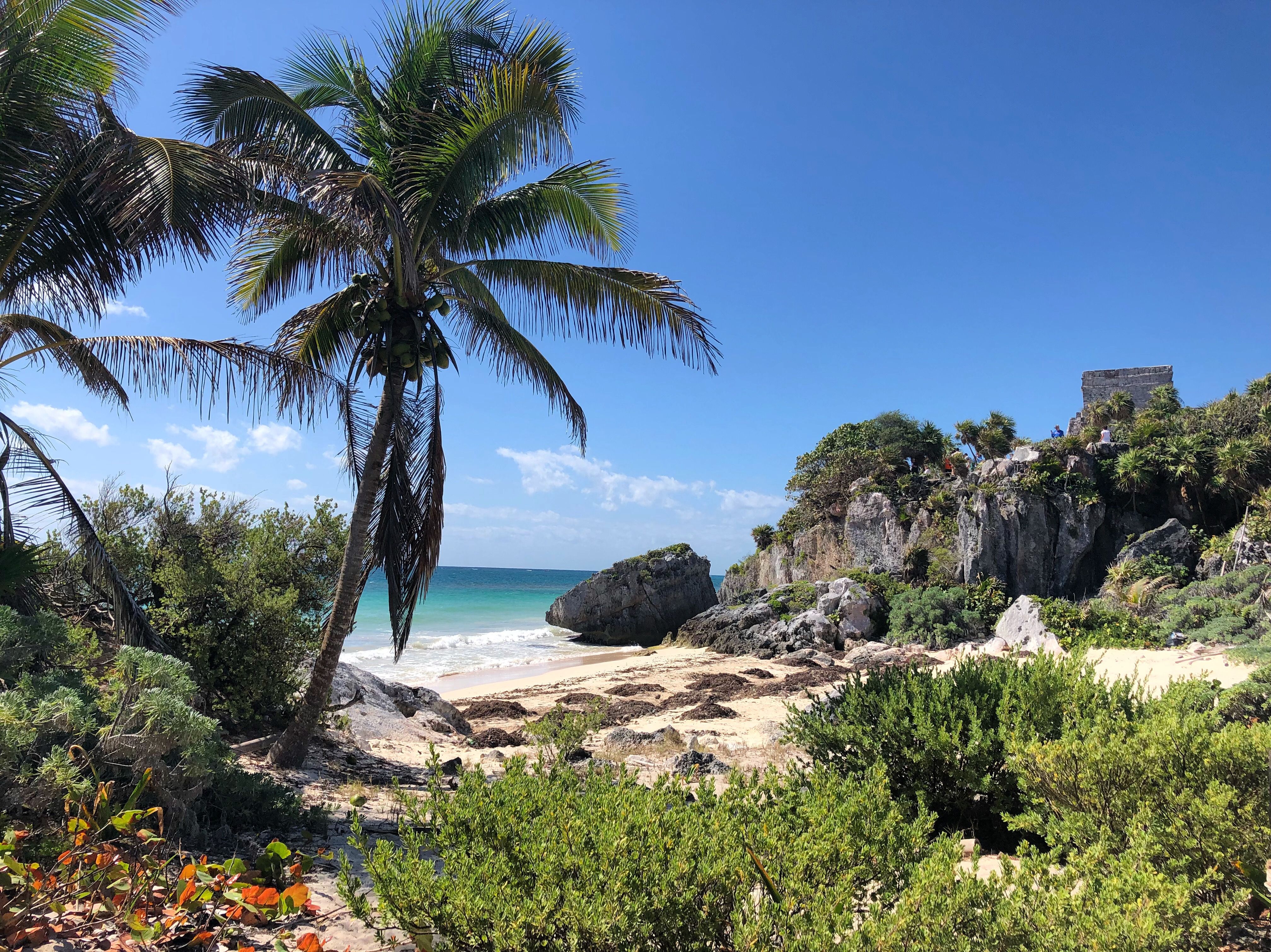
Mexico is the most versatile pick, and the easiest to get wrong. Tulum’s dry season runs December to April, and the mean annual temperature is 26°C. January is the coolest month, but the monthly average still sits above 22°C. That sounds like a guarantee. It is not.
Winter brings “nortes”-north winds that can reach 80–90 km/h, drop the temperature, and bring rain and heavy surf to the Caribbean coast. A week in Tulum can be perfect, or it can be windy and grey for two days. The Yucatán also gives you cenotes, Mayan ruins, and colonial cities such as Valladolid and Mérida, so a bad beach day does not have to be a lost day.
If you want a second act, Mexico has two of the best wildlife spectacles in the hemisphere. UNESCO’s Monarch Butterfly Biosphere Reserve is open to visitors from November to March; the listing describes up to a billion butterflies returning to 14 overwintering colonies, with the colonies usually best defined in the second half of December. On the Pacific side, gray whales arrive in Baja from December, with the peak usually February to March; the round trip from the Arctic is about 19,000 km.
My take: Mexico is the best all-rounder for a family or a couple who want beach, culture and wildlife without a punishing flight schedule. I would not book the Riviera Maya between Christmas and New Year unless the beach is the entire point. Early December and late April are better value and easier.
Costa Rica: pick a coast, not a country
Costa Rica is where the phrase “winter sun” gets slippery. The dry season runs from mid-December to late April, but that is mainly a Pacific-coast statement. The Caribbean side has a longer rainy period, so “Costa Rica in winter” is not one forecast. Pick a coast before you pick a hotel.
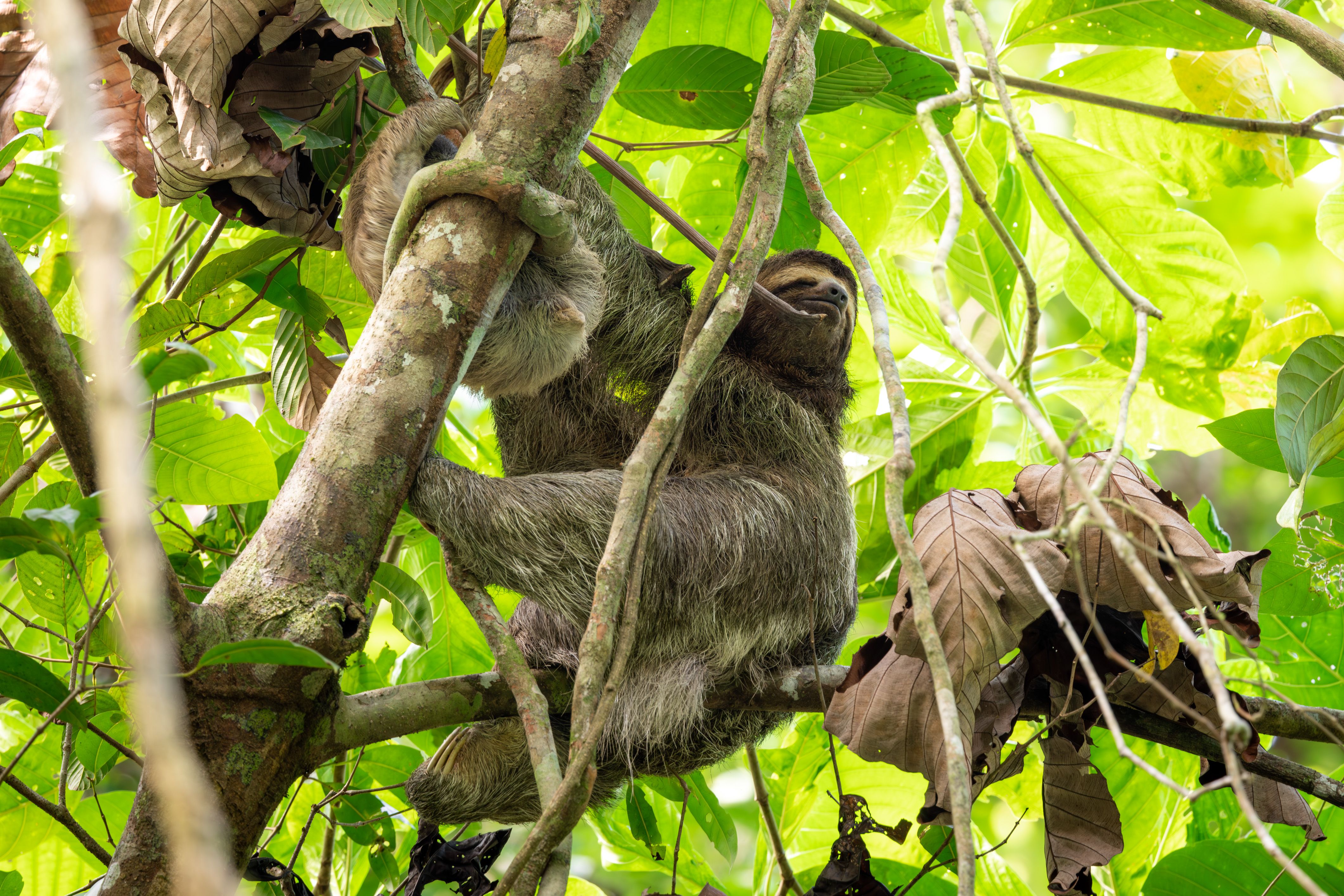
The country earns its reputation. It holds about 5% of the world’s known biodiversity and protects 26% of its land, according to Visit Costa Rica’s fact sheet. Humpbacks are around from December to April on the Pacific side, and from July to November on the southern route. A sloth in a roadside tree is not a zoo exhibit; it is Tuesday.
The trade-off is cost. Costa Rica’s own tourism board notes that hotels are more expensive in the December–March high season, and the popular parks and lodges fill early. If your budget is fixed, late April is the better bet: the dry season is still doing its thing, the crowds have thinned, and the prices soften.
My read: Costa Rica is the best wildlife pick on the list and the most expensive in peak weeks. It rewards people who slow down. If you try to see Arenal, Monteverde and two coasts in ten days, you will spend the trip in a van.
The trap nobody warns you about: peak week
The part most winter guides skip is the calendar. The standard advice is to go where it is warm. The hidden cost is that everyone else has the same idea, and winter is high season in all five countries. Christmas and New Year tend to be the worst value: prices peak, the famous sites are crowded, and in Egypt and Japan you are also dealing with the coolest temperatures of the season.
A reasonable reader might push back: “I don’t choose my dates. The school calendar does.” Fair. If you are locked into December 20 to January 5, the advice changes. Book early, choose refundable rates, and trade the single most famous site for a second city. In Mexico, that means Oaxaca or Mexico City instead of five nights in Tulum. In Morocco, it means Marrakech plus the Atlas rather than a desert camp on New Year’s Eve. In Egypt, it means Cairo and a shorter cruise, not a grand tour. If I were traveling with school-age kids, I would book the peak week and stop pretending otherwise.
If you can move your dates by two weeks, you get better value and thinner crowds for the same money. So which would you rather have: the warmest possible week at the highest price, or a slightly cooler, quieter week two weeks later? I know which one I would take. I also know why most families take the other.
Which one is actually yours?
Choose Japan if you want snow, festivals and a trip that feels like a different planet. Choose Morocco if you want mild days, markets, desert and a shot at skiing without a long-haul beach flight. Choose Egypt if you want antiquities, a river and a guide-driven trip where the logistics are handled. Choose Mexico if you want the easiest combination of beach, ruins and wildlife. Choose Costa Rica if wildlife is the main event and you are willing to pay for it.
And if none of them fits? That is usually a sign you are optimizing for the wrong thing. The best winter vacation outside Europe is not the one with the highest temperature. It is the one where the season you get matches the trip you actually want to take.
Winter vacation outside Europe: quick answers
Which of these is warmest in January?
Costa Rica’s Pacific coast and Mexico’s Caribbean coast are the warmest. Tulum’s January mean is still above 22°C, and Costa Rica’s Pacific side is in its dry season. Egypt is mild rather than hot-around 20°C by day-and Japan is genuinely cold.
Can I ski outside Europe in winter?
Yes. Japan’s Hokkaido is the serious option, with Niseko averaging about 14 metres of snow a season. Morocco’s Oukaïmeden is a smaller, snow-dependent resort in the High Atlas, about 74 km from Marrakech.
Is Egypt too cold in winter?
No. Winter days are around 20°C, and Aswan is warmer, roughly 22–32°C from November to March. Nights are cool, so pack a jacket for the river and the desert.
When should I book?
As early as you can for December to April, especially if you want Christmas or New Year. Shirakawa-go’s light-up is reservation-only, Sapporo’s festival hotels sell out, and Costa Rica’s high-season lodges fill early.
Is Costa Rica rainy in winter?
Not on the Pacific coast, which is in its dry season from mid-December to late April. The Caribbean side has a longer rainy period, so check the region rather than the country.