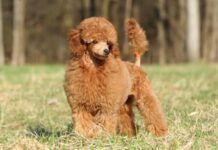
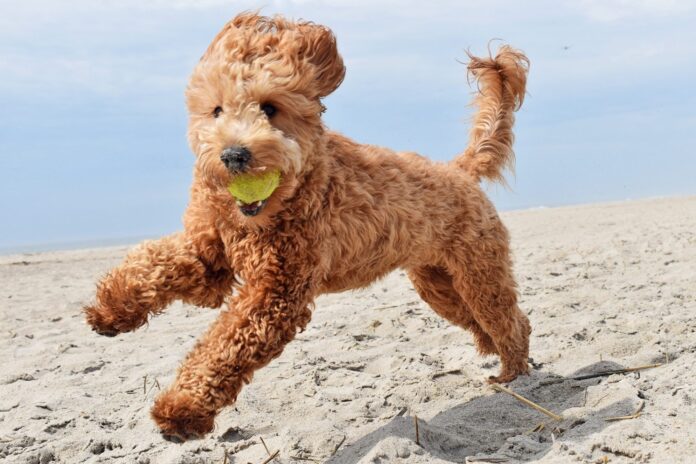
Mini Goldendoodles are known for their friendly personality and manageable size, but their activity requirements often surprise new owners.
Their poodle heritage gives them intelligence and energy, while the golden retriever side adds enthusiasm for outdoor activities. Understanding Mini Goldendoodle exercise needs helps prevent boredom and behavior issues while keeping the dog healthy.
Daily activity requirements change with age and size. A young dog may demand frequent play sessions, while older dogs prefer gentle walks. Matching exercise routines to development stages leads to a balanced and content companion.
Mini Goldendoodle Energy Levels
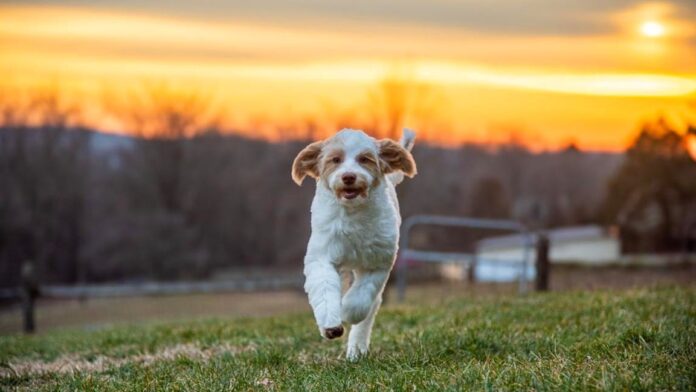
Mini Goldendoodles typically fall into the medium energy category. They enjoy activity but do not require extreme endurance workouts. Most dogs need between 30 and 60 minutes of daily exercise split into several sessions.
Energy level depends on several factors:
- Genetics influence temperament and activity drive, especially the percentage of poodle versus golden retriever traits.
- Living environment affects activity, since apartment dogs often rely on scheduled walks.
- Mental stimulation plays a major role because intelligent dogs burn energy through learning.
- Feeding routines and body condition influence stamina and endurance.
Some dogs appear calm indoors yet remain enthusiastic outside. Regular routines help stabilize energy patterns and reduce restlessness.
Important fact: Mental exercise such as training or puzzle toys can reduce physical restlessness in intelligent breeds like Mini Goldendoodles.
Balanced routines support physical and emotional health throughout the dog’s life.
Exercise Needs for Mini Goldendoodle Puppies
Puppies have bursts of energy followed by long naps. Their exercise routines should focus on short sessions rather than long walks. Young dogs benefit from structured play that supports muscle and joint development.
Many families searching for mini Goldendoodle puppies want to understand activity requirements before bringing a dog home. Reputable breeders often provide guidance on early routines, and details about temperament and expected activity levels for growing dogs.
Young dogs benefit most from gentle activities such as:
- Short play sessions in the yard help build coordination without stressing joints.
- Basic training sessions provide mental stimulation and reinforce good habits.
- Controlled socialization introduces puppies to new environments safely.
- Soft toy games encourage movement without excessive impact.
Excessive exercise during growth stages can strain developing joints, so moderation is important.
Exercise Requirements By Age
Activity levels shift as Mini Goldendoodles mature. The table below outlines typical exercise needs by life stage.
| Age Range | Daily Exercise Time | Recommended Activities | Energy Pattern |
| 2 to 6 months | 20 to 30 minutes | Gentle play and short walks | Short bursts |
| 6 to 12 months | 30 to 45 minutes | Walks and training | Increasing |
| 1 to 5 years | 45 to 60 minutes | Walks and games | Peak energy |
| 6+ years | 20 to 40 minutes | Gentle walks | Moderate |
These values represent general guidelines. Individual dogs may need adjustments based on health and temperament.
Adult dogs often maintain consistent activity levels. Senior dogs usually slow down gradually but still benefit from daily movement to maintain joint mobility and healthy weight.
Careful observation helps owners recognize when routines need adjustment.
Exercise Differences By Size

Mini Goldendoodles vary in size depending on breeding lines. Smaller dogs often have shorter legs and lower endurance, while larger minis can handle longer outings.
Typical size variations include:
- Smaller minis under 20 pounds often prefer multiple short walks instead of one long outing.
- Medium minis between 20 and 30 pounds usually tolerate moderate hikes and longer play sessions.
- Larger minis near 35 pounds often enjoy extended outdoor activities.
Did you know?
Mini Goldendoodles with more poodle traits often display higher activity levels and stronger problem solving behavior during play sessions.
Owners often notice that larger minis show more endurance, but smaller dogs remain just as playful. Adjusting exercise routines based on body size prevents fatigue and injury.
Daily Exercise Ideas That Work Well
Structured activities keep Mini Goldendoodles engaged while meeting their physical needs. Variety prevents boredom and supports long term health.
The following activities work especially well for most Mini Goldendoodles:
- Brisk neighborhood walks provide consistent physical activity and mental stimulation.
- Fetch sessions in secure areas allow natural retrieving behavior.
- Obedience training challenges the dog’s intelligence and focus.
- Interactive toys provide stimulation during indoor time.
- Light hiking builds endurance without excessive strain.
Rotating activities throughout the week helps maintain enthusiasm. Dogs that repeat identical routines sometimes lose interest or become less responsive.
Combining physical movement and mental stimulation often produces the best results.
Signs Your Mini Goldendoodle Needs More Exercise
Insufficient activity often leads to behavioral changes. Recognizing early signs helps prevent long term issues.
Owners often notice changes such as:
- Restlessness and pacing inside the home.
- Excessive chewing on furniture or objects.
- Increased barking without clear triggers.
- Difficulty settling down at night.
These signs often improve after consistent activity routines. Dogs that receive adequate exercise tend to sleep better and show calmer behavior indoors.
Adjustments should be gradual to avoid overexertion. Even small increases in activity can make a noticeable difference.
Avoiding Over Exercise
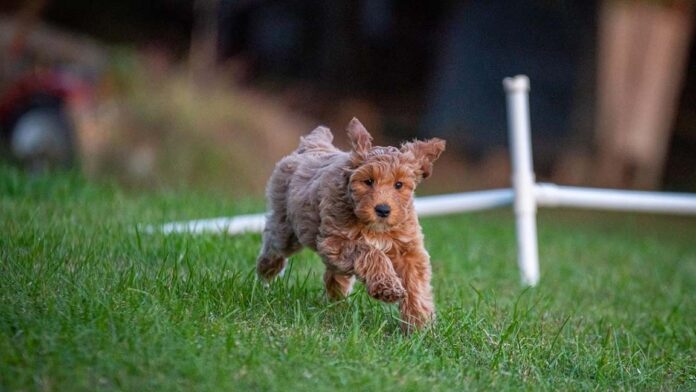
Too much activity can be just as harmful as too little. Puppies and senior dogs are especially sensitive to excessive exercise.
Common signs of over exercise include fatigue, limping, or reluctance to move. Dogs may also lie down during walks or avoid play.
Balanced routines usually include:
- Gradual increases in walking distance as endurance improves.
- Rest days after unusually active outings.
- Access to water during outdoor activities.
- Temperature awareness during hot weather.
Careful pacing protects joints and muscles while supporting long term mobility.
Maintaining a consistent routine helps prevent sudden strain.
Conclusion
Mini Goldendoodle exercise needs vary by age and size, but most dogs thrive with moderate daily activity and mental stimulation.
Puppies need gentle routines, adult dogs need consistent exercise, and seniors benefit from lighter movement.
Matching activity levels to development stages helps maintain health and stable behavior.
Owners who monitor energy patterns and adjust routines usually enjoy calmer dogs and stronger bonds with their pets.